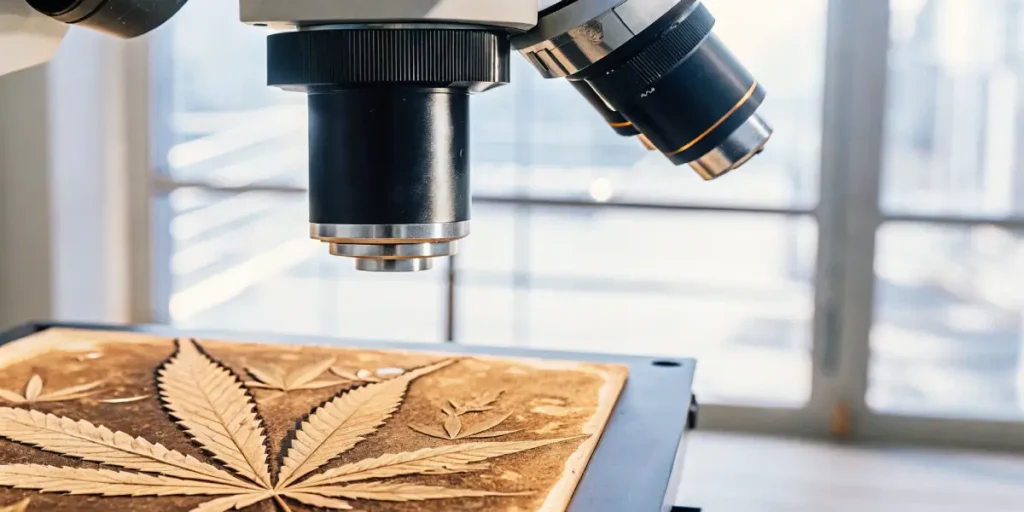
Essential Guide to Identifying Photodegradation Markers in Cannabis

For anyone growing cannabis, understanding how light affects your plants is essential for preserving quality and potency. Identifying photodegradation markers in cannabis (CBN and beyond) allows growers to detect early signs of cannabinoid breakdown caused by light exposure. Compounds like CBN (cannabinol) and other degradation byproducts can signal a loss of THC strength and overall freshness. Whether you’re a first-time grower or an experienced cultivator, learning about these markers ensures your cannabis retains its desired effects, aroma, and flavor profile.
Photodegradation refers to the chemical changes that occur in cannabis compounds when exposed to light. This process can lead to a decrease in THC levels and an increase in CBN, a compound known for its sedative effects. For those who want to keep their cannabis fresh and potent, recognizing these markers is crucial.
Recommended Strains

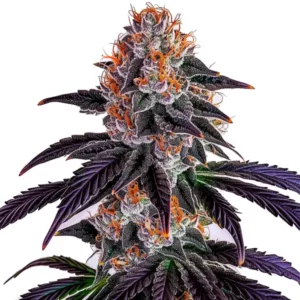
Blue Dream

|
THC | 17% - 24% (High) |

|
Type | Feminized |

|
Yield | High |

|
Phenotype | 50% Indica / 50% Sativa |

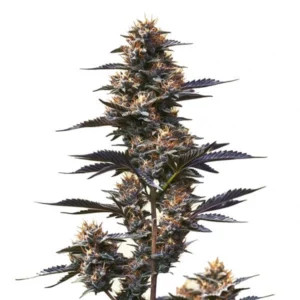
OG Kush
|
|
THC | 20% - 24% (High) |
|
|
Type | Feminized |
|
|
Yield | High |
|
|
Phenotype | 55% Indica / 45% Sativa |
In cannabis cultivation, light exposure is unavoidable. However, by identifying photodegradation markers in cannabis research, growers can take steps to minimize its impact. This guide will walk you through the basics, giving you the tools you need to protect your plants and understand the nuances of cannabis photodegradation.
What is Photodegradation in Cannabis?
Photodegradation is the breakdown of chemical compounds due to light exposure. In cannabis, this primarily affects cannabinoids like THC and CBN. When cannabis is exposed to light, particularly ultraviolet (UV) light, THC can degrade into CBN. This process alters the characteristics of the cannabis, often reducing its psychoactive effects.
For growers, this means that controlling light exposure is essential. Advanced photodegradation analysis in cannabis has shown that even small amounts of light can lead to significant chemical changes. By knowing how photodegradation works, you can better manage your grow environment to preserve your plants’ quality.
As research into identifying photodegradation markers in cannabis advances, cultivators gain a deeper knowing of how light impacts various strains differently. Strains like Blue Dream and OG Kush from Blimburn Seeds may react uniquely to light exposure, and knowing these nuances can guide effective light management strategies.
Additionally, identifying photodegradation markers in cannabis research has revealed that terpenes, the compounds responsible for cannabis’s aroma and flavor, are also susceptible to degradation. This can lead to a less aromatic product, affecting both the sensory experience and the perceived quality of the cannabis.
Promos & Deals

Common Photodegradation Markers in Cannabis
CBN is one of the most well-known photodegradation markers. However, it isn’t the only compound affected by light. Other cannabinoids and terpenes can also degrade, impacting the overall profile of your cannabis. Identifying photodegradation markers in cannabis studies can help you understand these changes.
Another marker to consider is the overall cannabinoid profile shift. As THC decreases, other cannabinoids like CBN and CBD may become more prominent. This shift can change the effects and therapeutic benefits of your cannabis, making it important to monitor these markers closely.
The importance of identifying photodegradation markers in cannabis (CBN and beyond) cannot be understated. For instance, the degradation of terpenes not only affects flavor but can also impact the entourage effect—a synergistic interaction between cannabinoids and terpenes that enhances the overall efficacy of cannabis.
Incorporating cannabis photodegradation marker identification techniques into your cultivation practice can help predict how specific strains might react to varying light conditions. This knowledge is invaluable for tailoring your growing environment to preserve the desired characteristics of your cannabis.
Techniques for Identifying Photodegradation Markers
Several techniques can help in identifying photodegradation markers in cannabis. One popular method is High-Performance Liquid Chromatography (HPLC). This technique allows for precise measurement of cannabinoid levels, helping you track changes over time.
Another method involves using UV spectrophotometry. This technique measures how UV light affects cannabis compounds, providing insights into the degradation process. By using these cannabis photodegradation marker identification techniques, growers can make informed decisions about light exposure.
Advanced photodegradation analysis in cannabis often involves integrating data from multiple analytical techniques. Combining HPLC and UV spectrophotometry with gas chromatography-mass spectrometry (GC-MS) provides a comprehensive view of how light exposure alters the chemical makeup of cannabis.
Furthermore, software tools designed for advanced photodegradation analysis in cannabis allow growers to model potential outcomes based on varying light conditions. This predictive capability can be a game-changer in optimizing the cultivation process to prevent unwanted degradation.
Impact of Light Exposure on Cannabis Compounds
Light exposure can have a profound impact on cannabis compounds. For instance, prolonged light exposure can lead to a significant drop in THC levels, affecting the potency of your plants. This is why managing light is a critical aspect of growing high-quality cannabis.
To illustrate, consider a strain like Blue Dream from Blimburn Seeds. This strain is known for its balanced effects and high THC content. However, if exposed to excessive light, the THC could degrade into CBN, altering its effects significantly.
The impact of light exposure on cannabis compounds extends beyond just THC and CBN. Terpenes, flavonoids, and other minor cannabinoids can also undergo significant changes, which may affect the overall therapeutic efficacy and sensory properties of the plant.
CBN photodegradation in cannabis studies has shown that while some light exposure is inevitable, knowing its effects allows for more strategic cultivation practices. By tweaking light schedules and using protective measures, growers can mitigate the impact of light, ensuring a high-quality end product.
Practical Steps to Minimize Photodegradation
Minimizing photodegradation involves several practical steps. First, consider using blackout curtains or grow tents to control light exposure. These tools can help keep unwanted light out, preserving the integrity of your cannabis.
Next, pay attention to how you store harvested cannabis. Use airtight containers and keep them in a dark, cool place to prevent further degradation. This is crucial for strains like OG Kush from Blimburn Seeds, which are valued for their strong effects and flavor.
Besides to physical barriers, employing technology such as automated light control systems can further refine your management of light exposure. These systems can adjust lighting conditions based on real-time data, providing a more sophisticated approach to minimizing photodegradation.
Regularly assessing the impact of light exposure on cannabis compounds through periodic testing can also be beneficial. By keeping track of any changes in the chemical profile, growers can make timely adjustments to their cultivation techniques, ensuring the preservation of both potency and quality.
FAQs about identifying photodegradation markers in cannabis (CBN and beyond)
What is CBN and why is it important in cannabis photodegradation?
CBN, or cannabinol, is a compound that forms when THC degrades, often due to light exposure. It is known for its sedative effects, which can be beneficial for those seeking relaxation. However, if not managed, an increase in CBN can reduce the psychoactive effects of THC, altering the expected impact of the cannabis.
For growers, recognizing the conversion of THC to CBN is crucial. It helps in identifying photodegradation markers in cannabis, allowing for better control over the quality and effects of the final product. This knowing is essential for maintaining the desired characteristics of your cannabis strains.
CBN photodegradation in cannabis studies has demonstrated that the process is not solely limited to light exposure; temperature and humidity also play significant roles. By controlling environmental conditions, growers can further limit the formation of CBN, maintaining the desired cannabinoid profile.
Moreover, knowing the intricacies of CBN and beyond in the context of photodegradation helps in creating tailored solutions for different cannabis strains. This knowledge is instrumental in fine-tuning cultivation techniques to achieve optimal outcomes.
How can growers use light meters in cannabis cultivation?
Light meters are valuable tools for measuring the intensity of light in a grow area. By using light meters, growers can ensure that their cannabis plants receive the optimal amount of light without overexposure, which can lead to photodegradation.
These devices are easy to use and provide precise readings, helping growers adjust their lighting setups to minimize the impact of light exposure on cannabis compounds. This proactive approach aids in preserving the potency and quality of the harvest.
Integrating light meters into your cannabis cultivation practice allows for data-driven decisions regarding light management. By knowing the specific light requirements of different strains, growers can optimize their setups to reduce the risk of photodegradation.
Incorporating the data collected from light meters into a broader strategy of identifying photodegradation markers in cannabis (CBN and beyond) can significantly enhance the overall quality of the harvest. This approach ensures that each plant receives tailored care that aligns with its unique needs.
Why is dark storage important for harvested cannabis?
Storing harvested cannabis in a dark environment is critical to preventing further photodegradation. Light exposure can continue to degrade cannabinoids even after harvest, leading to a loss of potency and changes in flavor.
By using airtight containers and keeping them in a dark, cool place, growers can protect their cannabis from unwanted chemical changes. This practice is particularly important for maintaining the quality of premium strains like those from Blimburn Seeds.
Dark storage is a simple yet effective strategy to preserve the integrity of cannabis compounds post-harvest. By reducing light-induced degradation, growers can maintain the therapeutic and sensory qualities of their product, ensuring a consistent experience for consumers.
Incorporating best practices for dark storage complements efforts in identifying photodegradation markers in cannabis research. Together, they form a comprehensive approach to quality control from cultivation through to consumption.
What are some signs of photodegradation in cannabis plants?
Signs of photodegradation in cannabis plants can include changes in aroma, color, and potency. A noticeable shift in the scent or appearance of your plants may indicate chemical changes due to light exposure.
Monitoring these signs helps growers adjust their techniques to better protect their plants. By knowing and identifying photodegradation markers in cannabis, you can ensure your plants remain potent and effective.
Another indicator of photodegradation is the development of a harsher smoke or altered taste, which can be traced back to the breakdown of sensitive terpenes and cannabinoids. Such changes can significantly impact consumer satisfaction.
By utilizing cannabis photodegradation marker identification techniques, growers can proactively detect these signs early. This allows for timely interventions, ensuring that the integrity and quality of the cannabis are maintained throughout the growth cycle.
How does the strain choice affect photodegradation risk?
The choice of cannabis strain can influence the risk of photodegradation. Some strains have higher levels of certain cannabinoids or terpenes that may be more susceptible to light-induced changes.
For instance, strains with high THC content, like Blue Dream, may experience more significant shifts if not properly managed. By selecting strains and employing techniques to minimize light exposure, growers can better protect their cannabis from degradation.
Strains with robust cannabinoid and terpene profiles may offer greater resilience against photodegradation. Knowing these profiles through advanced photodegradation analysis in cannabis is key to making informed strain selections that align with cultivation goals.
Ultimately, the process of identifying photodegradation markers in cannabis (CBN and beyond) provides critical insights that can guide strain selection and cultivation practices. This ensures that the final product meets the desired standards for potency, flavor, and overall quality.