How Long Can Cannabis Be Exposed to Light? Expert Insights

When cultivating cannabis, light exposure is a crucial factor that can significantly impact potency. Whether you’re a first-time buyer of cannabis seeds or an experienced grower, knowing how long can cannabis be exposed to light before potency drops is essential for achieving the best results. Let’s delve into the nuances of light exposure and how it affects cannabis potency.
Light is a double-edged sword for cannabis growers. While it is essential for photosynthesis and growth, excessive exposure can lead to a decrease in potency. The effects of prolonged light on cannabis potency can vary depending on the strain and growing conditions. Some strains, like those from Blimburn Seeds, are bred to withstand more intense light conditions, making them ideal for growers looking to optimize their harvest.
Recommended Strains

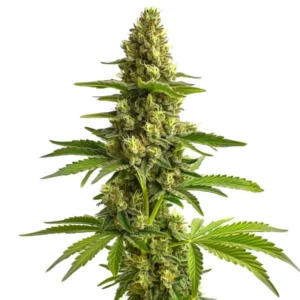
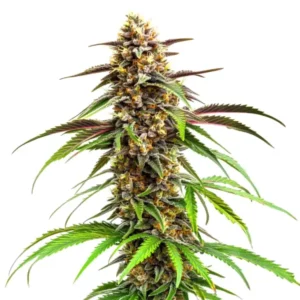
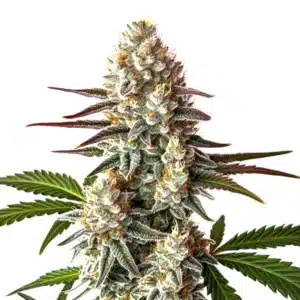
GG4

|
THC | 27% (High) |

|
Type | Feminized |

|
Yield | High |

|
Phenotype | 40% Indica / 60% Sativa |
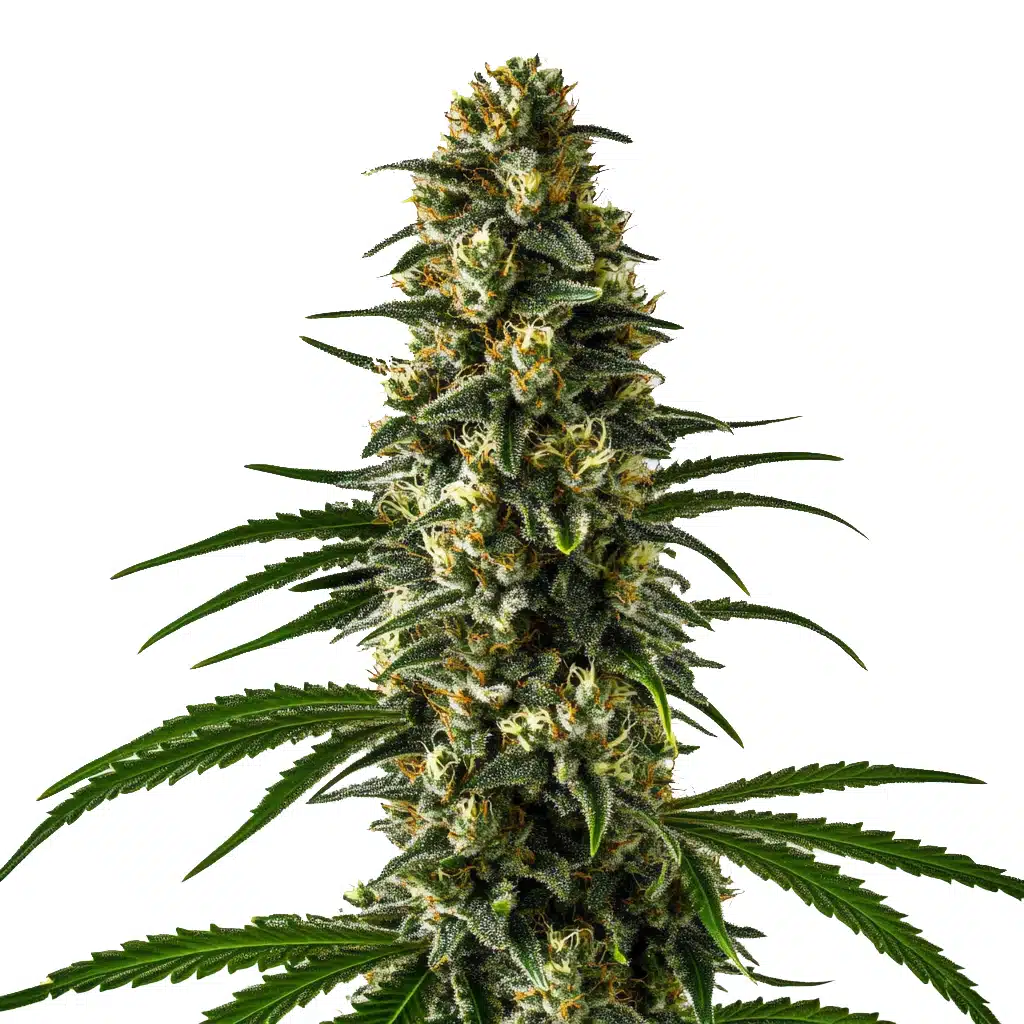
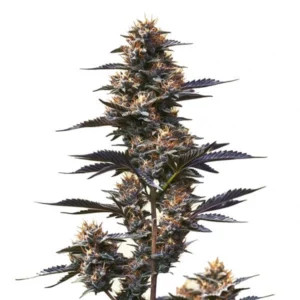
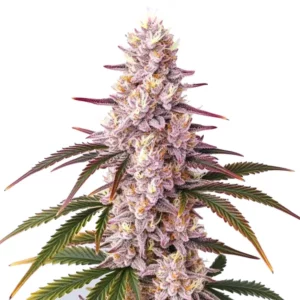
Girl Scout Cookies
|
|
THC | 18% - 25% (High) |
|
|
Type | Feminized |
|
|
Yield | High |
|
|
Phenotype | 60% Indica / 40% Sativa |
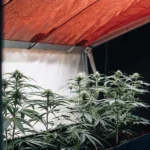
One key factor in determining how long cannabis can be exposed to light before potency drops is the lifecycle of the plant. During the vegetative stage, cannabis requires more light, typically 18-24 hours, which promotes robust growth. However, during the flowering stage, the optimal light exposure time for cannabis potency is reduced to 12 hours of light and 12 hours of darkness. This change mimics natural seasonal shifts and triggers the plant to produce the potent compounds that users seek.
Factors Affecting Cannabis Potency
Several factors influence how long cannabis can be exposed to light before potency drops. These include the type of light used, the duration of exposure, and the specific strain of cannabis. Different light sources, such as LED, HPS, or natural sunlight, can affect the rate at which potency decreases. LED lights, for example, are known for their efficiency and ability to provide a full spectrum of light, which can support cannabis growth without unnecessary potency loss.
The cannabis strain also plays a critical role. Some strains, like the GG4 from Blimburn Seeds, are more resilient to light changes and can maintain their potency longer. These strains have been bred to thrive under intense light conditions, making them ideal for growers who want to maximize yield without sacrificing quality.
Environmental factors such as temperature and humidity also influence cannabis light exposure potency duration. Maintaining optimal conditions is vital as fluctuations can compound the effects of light exposure on potency. Growers should routinely monitor these environmental elements to ensure they stay within the ideal range. Failure to do so may lead to cannabis potency loss due to extended light exposure.
Nutrient management is another crucial aspect that interacts with light exposure. Adequate nutrients support the plant’s ability to handle light, enhancing resilience during the growth cycle. A balanced nutrient regimen can mitigate the risk of cannabis potency decrease with light exposure, ensuring the plant remains healthy and vigorous throughout its stages of development.
Practical Tips for Managing Light Exposure
To maintain optimal potency, it’s crucial to manage light exposure effectively. Here are some practical tips:
- Use a timer to ensure consistent light and dark cycles, especially during the flowering stage.
- Consider using blackout curtains or covers to create complete darkness during the dark cycle.
- Regularly check light intensity and adjust the distance between lights and plants as needed.
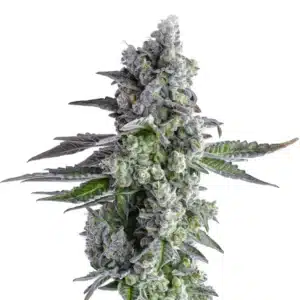
Another effective strategy is to choose strains known for their stability under varying light conditions. The Bruce Banner 3 strain from Blimburn Seeds is an excellent example, as it maintains high potency levels even with fluctuating light exposure. Implementing these strategies can help prevent cannabis potency loss due to extended light exposure.
It’s also beneficial to monitor your plants closely. Signs of stress, such as leaf discoloration or stunted growth, can indicate that your cannabis is receiving too much light. In such cases, adjusting the light schedule or intensity can help mitigate any potential potency decrease.
Besides to using timers, growers can employ light meters to accurately measure light levels and ensure they are within the optimal range. This tool can be particularly useful for identifying areas where light exposure may be excessive or insufficient. Consistency is key to preventing cannabis potency decrease with light exposure.
Regularly rotating plants can also ensure even light distribution, preventing hotspots that could lead to overstress and potency loss. By rotating plants, growers can ensure that each side receives equal exposure, promoting uniform growth and potency throughout the canopy.
Knowing Cannabis Potency Loss
Cannabis potency loss due to extended light exposure can occur when the plant is exposed to more light than it can handle. This overexposure can degrade the cannabinoids and terpenes responsible for the plant’s effects and aroma. As a result, the cannabis may lose some of its desired potency, impacting both flavor and effectiveness.
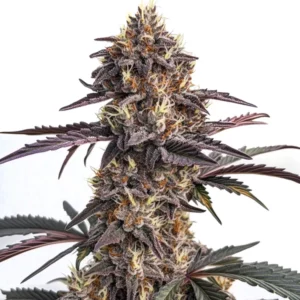
To prevent this, it’s important to tailor your light exposure strategy to the specific needs of your cannabis strain. For example, the Girl Scout Cookies strain from Blimburn Seeds is celebrated for its rich terpene profile and potency. Ensuring that this strain receives the correct amount of light can preserve its unique characteristics.
Knowing the interaction between light and plant biology is essential in mitigating cannabis potency loss due to extended light exposure. The plant’s natural rhythm must be respected, adapting light exposure to align with its growth stages and biological needs. This proactive approach can safeguard against unintended stress.
Additionally, keeping detailed records of each grow cycle can help identify patterns and optimize future light schedules. By analyzing past data on light exposure and plant response, growers can refine their approach, improving outcomes and reducing the risk of potency decrease over time.
Promos & Deals
FAQs about How long can cannabis be exposed to light before potency drops
How long can cannabis be exposed to light before potency drops?
This depends on several factors, including the strain and the growth stage. During the vegetative stage, cannabis can handle longer light exposure, up to 24 hours. However, during the flowering stage, it’s crucial to limit light exposure to 12 hours daily to prevent potency loss.
Exceeding these light exposure times can lead to decreased potency, as the plant may become stressed and produce fewer cannabinoids and terpenes. Monitoring light schedules and adjusting as needed can help maintain the desired potency levels.
Detailed planning and adherence to established light cycles are necessary to prevent cannabis potency loss due to extended light exposure. Each stage of growth has distinct requirements, and knowing these can guide growers in creating the ideal environment for maximum potency.
Furthermore, investing in quality lighting systems, such as those provided by Blimburn Seeds, can offer precise control over light exposure. These systems allow for fine-tuning of light intensity and duration, which is critical for achieving the optimal light exposure time for cannabis potency.
What are the effects of prolonged light on cannabis potency?
Prolonged light exposure can cause cannabis plants to become stressed, leading to a breakdown of essential compounds that contribute to potency. This can result in a less flavorful and less effective product, which may not meet the expectations of users.
To avoid this, it’s important to adhere to recommended light cycles and consider the specific needs of your cannabis strain. Strains like those from Blimburn Seeds are bred to handle various light conditions, minimizing the risk of potency decrease.
Besides to potential cannabinoid degradation, prolonged light exposure can cause a shift in the plant’s hormonal balance. This shift can further impact growth patterns and compound the effects of prolonged light on cannabis potency. Maintaining balance is crucial for preserving quality.
Moreover, prolonged exposure can accelerate the aging process of the plant, reducing the window for optimal harvest. Recognizing the signs early can allow growers to make necessary adjustments to avoid premature aging and loss of desirable characteristics.
Is there an optimal light exposure time for cannabis potency?
Yes, the optimal light exposure time varies between the vegetative and flowering stages. During the vegetative stage, cannabis thrives with 18-24 hours of light. However, during the flowering stage, 12 hours of light and 12 hours of darkness are ideal for maximizing potency.
Following these guidelines can help ensure that your cannabis plants develop the desired potency, flavor, and aroma, resulting in a more satisfying end product for consumers.
Knowing the optimal light exposure time for cannabis potency is essential for achieving a high-quality yield. This balance not only supports the plant’s natural growth processes but also enhances the development of cannabinoids and terpenes, which are crucial for potency.
The transition between the vegetative and flowering stages should be carefully managed to prevent stress. Gradual adjustments to light schedules can ease the plant into its new cycle, reducing the risk of adverse reactions and optimizing potency outcomes.
Can certain cannabis strains withstand more light exposure?
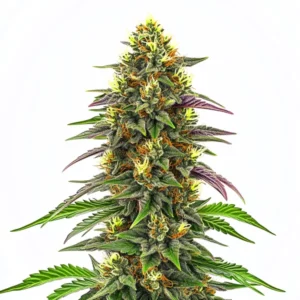
Absolutely, some cannabis strains are more tolerant of varying light conditions. For instance, strains like GG4, Bruce Banner 3, and Girl Scout Cookies from Blimburn Seeds are known for their ability to maintain potency despite extended light exposure.
Choosing resilient strains can provide growers with more flexibility in managing light schedules, helping to safeguard the potency and quality of their harvest.
Resilient strains are often bred with specific traits that enhance their ability to thrive under stress. These strains can be crucial for growers operating in environments where light conditions are not easily controlled, offering a buffer against potency loss.
Additionally, these strains can be more forgiving, allowing for experimentation with light cycles to determine what works best in a given setup. This flexibility can lead to more innovative growing techniques, potentially increasing yield and potency.
How can I prevent cannabis potency decrease with light exposure?
Preventing potency decrease involves careful management of light cycles, selecting the right strains, and monitoring plant health. Using timers and blackout curtains can help ensure consistent light schedules, particularly during the flowering stage.
Additionally, grower vigilance is key. Regularly check for signs of stress and adjust light conditions as needed. By following these practices, you can maintain the potency and quality of your cannabis plants throughout their growth cycle.
Incorporating technology such as smart lighting systems can further aid in preventing cannabis potency decrease with light exposure. These systems offer remote control and automation, ensuring precise adherence to light schedules without manual intervention.
Education and continuous learning are also vital. Keeping abreast of the latest research and techniques in cannabis cultivation can provide new insights into optimizing light exposure strategies, ultimately enhancing potency and overall plant health.