Proven Insights: Bud Density and Light Penetration Impact on Degradation

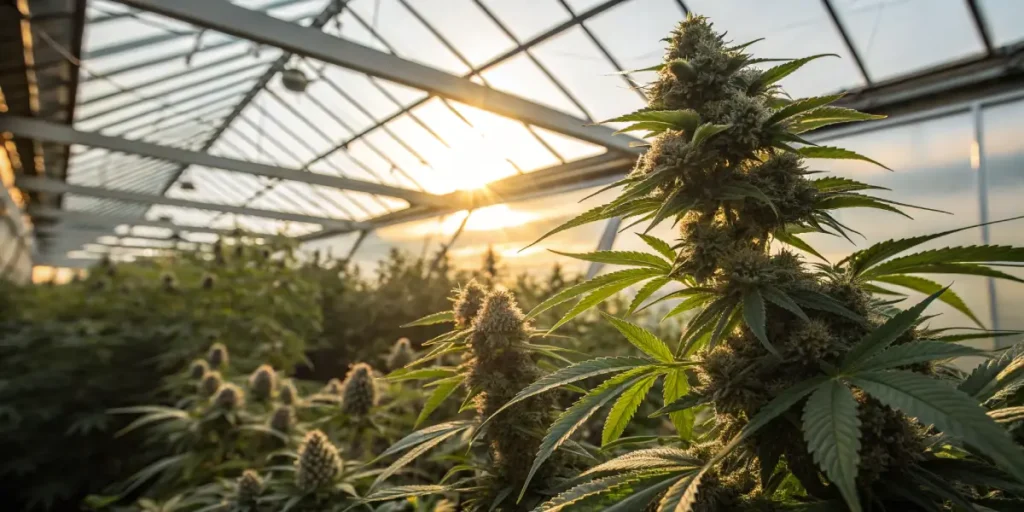
When growing cannabis, the structure of your plants can significantly affect the quality and longevity of your harvest. Bud density and light penetration: does structure affect degradation risk is a key question every grower should consider, as these two factors play a crucial role in plant health and final bud quality.
Bud density refers to how tightly packed the flowers are on the plant. A denser bud can have various effects, including how well light penetrates the plant’s structure. Light penetration is essential for photosynthesis, the process by which plants convert light into energy. Poor light penetration can lead to weaker plants and increased degradation risk. Opening the canopy helps, which is exactly what good defoliation to reduce mold achieves.
Recommended Strains
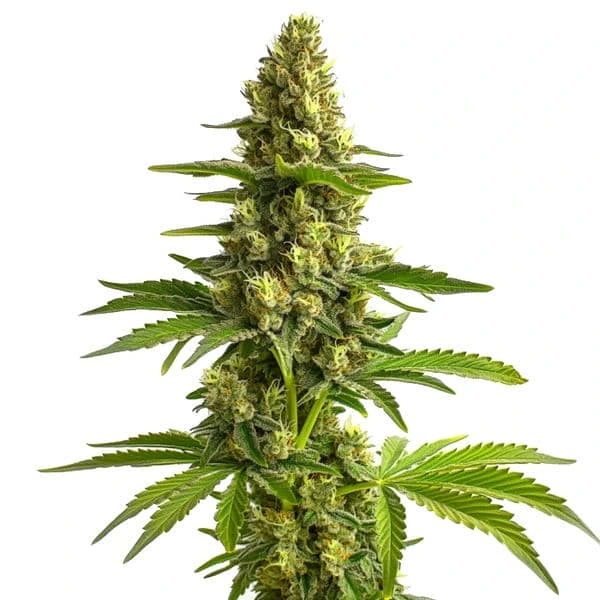
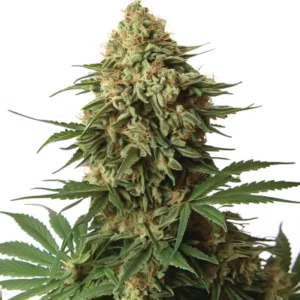
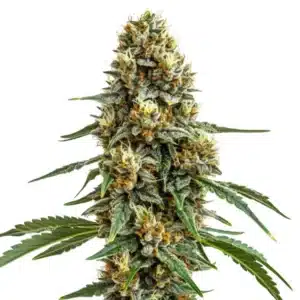
Bruce Banner #3

|
THC | 20% - 29% (High) |

|
Type | Feminized |

|
Yield | High |

|
Phenotype | 50% Indica / 50% Sativa |

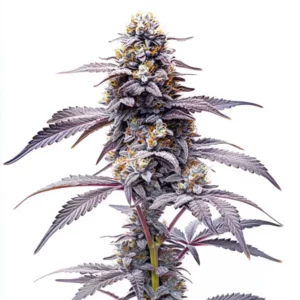
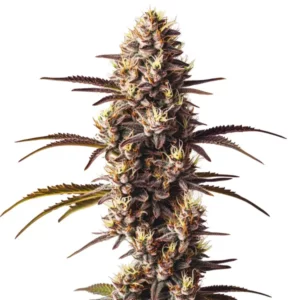
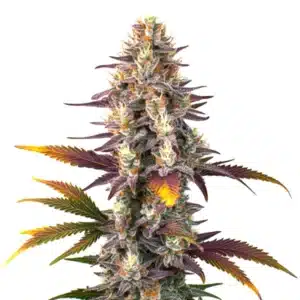
Blackberry Moonrocks
|
|
THC | 26% - 33% (High) |
|
|
Type | Feminized |
|
|
Yield | High |
|
|
Phenotype | 80% Indica / 20% Sativa |
Think about growing the popular Blimburn Seeds strain, GG4. If these plants grow too densely, light might not reach the lower parts of the plant. This scenario can create a higher degradation risk, affecting the overall potency and flavor of the buds. Let’s look at how these factors intertwine.
Bud Density Impact on Light Penetration and Degradation Risk
Bud density is a double-edged sword. On the one hand, dense buds are often more potent and aromatic, a desirable trait for many growers. On the other hand, dense buds can limit light penetration, leading to issues such as mold and mildew. This is particularly important in regions with high humidity.
For example, when growing Bruce Banner 3 from Blimburn Seeds, you may notice that its dense bud structure requires careful attention to light distribution. Without proper light, the risk of degradation increases, impacting both yield and quality. Regular trimming and strategic plant spacing can help mitigate these risks.
Knowing the bud density impact on light penetration and degradation risk is crucial for optimizing your cultivation strategy. Dense buds need ample light to mitigate the risks of nutrient deficiencies and pest infestations that often accompany poor air circulation. By ensuring that light penetrates deep into the plant’s canopy, you can enhance both the potency and resilience of your buds.
Moreover, a comprehensive approach to managing bud density involves selecting the right strains from trusted suppliers like Blimburn Seeds. Certain strains are naturally more adaptable to varying light conditions, and choosing these can make a significant difference. This strategic selection, combined with proper cultivation techniques, helps in controlling the degradation risk more effectively.
Light Penetration Effects on Bud Structure and Degradation
Light penetration plays a vital role in maintaining healthy plant growth. It ensures that all parts of the plant receive the energy needed to thrive. Poor light penetration can lead to lower bud development and increase the risk of degradation. This is especially true for strains with naturally dense structures.
Consider strategic pruning and training methods to improve light penetration. Techniques like topping or using a SCROG (Screen of Green) setup can help manage the plant’s structure. By doing so, you allow more light to reach the lower leaves and buds, reducing degradation risk.
The light penetration effects on bud structure and degradation are more pronounced in indoor cultivation settings where natural light is insufficient. By optimizing artificial light sources and using reflective materials, growers can ensure that light reaches even the most hidden parts of the plant. This not only enhances growth but also mitigates the risk of degradation due to shadows and dark spots.
For those growing the Blackberry Moonrocks strain from Blimburn Seeds, employing advanced light techniques can make a substantial difference. The interplay of light and structure is crucial in maximizing the plant’s potential, ensuring that each bud achieves its full potency and flavor profile, while minimizing degradation risks.
Promos & Deals
How Plant Structure Influences Bud Degradation Risk
The structure of a cannabis plant influences how well it can resist degradation. A well-structured plant with good air circulation and light penetration is less likely to suffer from mold or nutrient deficiencies. These issues can lead to degradation, affecting both the yield and quality of your cannabis.
Training methods such as LST (Low-Stress Training) can help manipulate plant structure to improve light exposure and airflow. By bending and tying down branches, growers can create an even canopy, maximizing light absorption and reducing degradation risk.
Knowing how plant structure influences bud degradation risk is essential for tailoring your growth strategy effectively. A plant’s architecture should facilitate optimal light distribution while ensuring adequate airflow throughout the canopy. By doing so, you reduce the environmental stressors that contribute to degradation.
Furthermore, the function of plant structure in light penetration and degradation risk cannot be understated. By focusing on structural integrity and balance, growers can create a microenvironment that supports robust plant health and minimizes the potential for degradation, thus preserving the crop’s overall quality and yield.
Does Bud Density Affect Plant Degradation Risk?
Yes, bud density can affect degradation risk, but there are ways to manage this. Dense buds are more susceptible to mold and other forms of degradation, especially if they don’t receive adequate light and airflow. Addressing these factors is essential to preserving the quality of your harvest.
Regular monitoring and maintenance can help counteract the negative effects of bud density. By maintaining an optimal environment with controlled temperature and humidity, growers can reduce the risk of degradation. Implementing these practices ensures a healthier crop.
When evaluating whether bud density affects plant degradation risk, it’s important to consider environmental factors. High humidity environments exacerbate the challenges associated with dense buds, necessitating vigilant control measures. Techniques such as dehumidification and strategic ventilation can make a significant difference.
Additionally, selecting the appropriate strains from Blimburn Seeds that are bred for resilience in dense growing conditions can provide a natural advantage. These strains often have genetic traits that help them thrive even when bud density is high, reducing the overall risk of degradation.
The Function of Plant Structure in Light Penetration and Degradation Risk
Knowing how plant structure affects light penetration and degradation risk is vital for any grower. The way a plant is structured can determine how well light is distributed throughout its canopy. Optimal light distribution enhances growth and reduces the likelihood of degradation.
By strategically planning the structure of your plants, you can improve light penetration and reduce degradation risk. Techniques such as defoliation, where specific leaves are removed to allow light to reach lower parts, can be beneficial. This method can be particularly effective with strains like Bruce Banner.
The function of plant structure in light penetration and degradation risk underscores the importance of intentional cultivation practices. A thoughtfully structured plant not only maximizes light absorption but also facilitates effective nutrient uptake and gas exchange, all critical for minimizing degradation risks.
Implementing advanced training techniques like trellising or super cropping can further enhance the plant’s ability to capture light and reduce the chance of degradation. By focusing on the plant’s structural dynamics, growers can create a robust framework that supports sustainable and high-quality cannabis production.
FAQs about Bud density and light penetration: degradation risk
What is bud density, and why does it matter?
Bud density refers to the compactness of the cannabis flowers. It matters because it affects how well light can penetrate through the plant. Denser buds can be more potent but may also pose a higher risk of mold if not managed properly. By knowing bud density, growers can make informed decisions about pruning and plant spacing.
Denser buds can limit airflow and light penetration, increasing the risk of degradation. Regular pruning and maintaining an optimal growing environment can help mitigate these risks. By managing bud density, you ensure a healthier and more productive cannabis plant.
The importance of bud density in the cultivation process cannot be overstated. It directly influences the overall plant health and yield potential. By controlling bud density through techniques like selective pruning and spacing, growers can prevent the negative impacts that come with excessive compactness.
For strains like GG4, paying close attention to bud density and light penetration: does structure affect degradation risk is crucial for achieving the desired harvest quality. Ensuring each bud receives adequate light helps maintain its flavor, potency, and resistance to degradation.
How does light penetration affect cannabis growth?
Light penetration is crucial for photosynthesis, the process by which plants convert light into energy. Without adequate light, plants may not develop fully, leading to weaker growth and increased degradation risk. Light penetration ensures that all parts of the plant receive the energy needed to thrive.
To optimize light penetration, growers can employ techniques like strategic pruning or using reflective surfaces. These methods help distribute light evenly, promoting vigorous growth and reducing the risk of degradation. Knowing light penetration’s effects on cannabis growth is essential for any successful grower.
Maximizing light penetration is essential for maximizing the potential of your cannabis plants. Insufficient light can lead to stunted growth and decreased potency, which are often precursors to degradation. By ensuring even light distribution, you’re actively enhancing the plant’s ability to produce high-quality buds.
For those cultivating dense strains like Blackberry Moonrocks, knowing the interplay between light penetration and plant structure can make all the difference. The right approach not only boosts growth rates but also maintains the integrity and quality of the final product, minimizing degradation risks.
What strategies can improve light penetration in dense plants?
Several strategies can enhance light penetration in dense plants. Techniques like topping, where the main stem is cut to encourage bushier growth, can help. Additionally, using a SCROG setup allows you to spread the plant’s canopy evenly, maximizing light exposure.
Pruning and defoliation can also improve light penetration by removing leaves that block light from reaching lower buds. These practices are especially beneficial for dense strains like Blackberry Moonrocks, ensuring healthier growth and reducing degradation risk.
Additional strategies to improve light penetration in dense plants include using vertical and side lighting to reach areas that are typically overshadowed in traditional setups. This approach ensures that no part of the plant is deprived of necessary light, reducing degradation risk.
Furthermore, integrating reflective materials in your grow space can significantly enhance light distribution. These materials bounce light into lower plant areas, ensuring comprehensive coverage. By employing these methods, growers can better manage bud density and light penetration: does structure affect degradation risk effectively.
Why is plant structure important in cannabis cultivation?
Plant structure is crucial because it influences how well your plants can absorb light and resist environmental stress. A well-structured plant will have better light absorption, airflow, and nutrient distribution, all of which contribute to a healthy crop.
By manipulating plant structure through training and pruning, growers can optimize their plants for better growth and reduced degradation risk. Knowing the importance of plant structure helps ensure a successful harvest.
In cannabis cultivation, a well-planned plant structure is key to managing both light and nutrient distribution effectively. This strategic approach reduces the likelihood of stress-induced degradation, ensuring that each plant part gets the resources it needs to flourish.
For growers using Blimburn Seeds strains, knowing the function of plant structure in light penetration and degradation risk is paramount. Implementing appropriate training techniques tailored to each strain can lead to healthier plants and a more bountiful harvest.
How does degradation affect cannabis quality?
Degradation can significantly impact the quality of your cannabis. It can lead to a loss of potency, flavor, and aroma, making the final product less desirable. Factors such as mold, nutrient deficiencies, and inadequate light can contribute to degradation.
Regular maintenance and monitoring of environmental conditions can help prevent degradation. By knowing how degradation affects cannabis quality, growers can take proactive steps to ensure a high-quality harvest.
The implications of degradation on cannabis quality extend beyond just immediate loss of yield. It can also affect market value and consumer satisfaction, which are critical for commercial growers. By maintaining optimal conditions, you safeguard not only the crop but also your reputation as a cultivator.
For those cultivating premium strains from Blimburn Seeds, ensuring that degradation is minimized is a top priority. Employing best practices in cultivation and environmental management ensures that each harvest meets the highest standards of quality and potency, satisfying even the most discerning consumers.