Essential Guide to Antagonistic Nutrients in Cannabis Cultivation

Antagonistic nutrients in cannabis cultivation can create hurdles for both novice and seasoned growers. At its core, nutrient antagonism occurs when one nutrient inhibits the absorption of another. This interaction can be subtle yet significantly impact the health and yield of your cannabis plants.
Consider the scenario where calcium and magnesium compete for absorption. While both are essential, an excess of one can lead to deficiencies in the other. This imbalance can stunt growth or lead to poor flowering. Knowing these interactions helps maintain a balanced nutrient uptake, crucial for healthy cannabis cultivation.
Recommended Strains
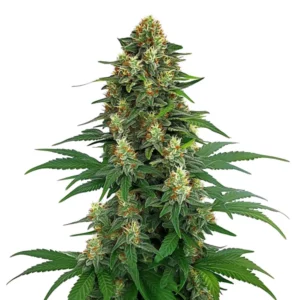
Tangie

|
THC | 19% - 22% (Medium) |

|
Type | Feminized |

|
Yield | High |

|
Phenotype | 30% Indica / 70% Sativa |
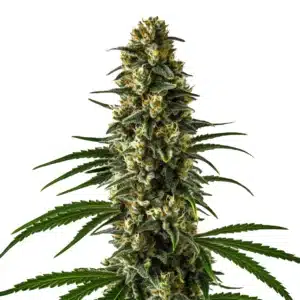
Girl Scout Cookies
|
|
THC | 18% - 25% (Medium) |
|
|
Type | Feminized |
|
|
Yield | High |
|
|
Phenotype | 60% Indica / 40% Sativa |
Blimburn Seeds offers strains like Girl Scout Cookies, which are known for their resilience and ability to thrive even when nutrient levels are not perfectly balanced. However, knowing how to manage these interactions can elevate your cultivation game from good to great.
Recognizing Antagonistic Nutrient Interactions in Cannabis
Antagonistic nutrient interactions in cannabis aren’t always visible to the naked eye. Many growers might notice symptoms like yellowing leaves or stunted growth and assume pests or diseases are to blame. However, these issues often stem from nutrient imbalances.
Take the relationship between potassium and calcium. In high concentrations, potassium can block calcium absorption, leading to deficiencies that manifest as poor stem development. Identifying these symptoms early can prevent long-term damage to your plants.
Recognizing these interactions requires a keen eye and a bit of experience. One method is to conduct periodic leaf tissue analysis, which provides a snapshot of nutrient uptake and can reveal potential antagonisms before they become severe. Additionally, keeping a detailed log of nutrient applications and plant responses can help identify patterns that might indicate antagonistic interactions.
Another factor to consider is environmental conditions, which can exacerbate antagonistic nutrient interactions in cannabis. For instance, high humidity levels can increase the uptake of certain nutrients while limiting others, compounding the effects of antagonism. By monitoring environmental factors alongside nutrient levels, growers can develop a comprehensive strategy to mitigate these interactions.
Impact of Antagonistic Nutrients on Cannabis Growth
The impact of antagonistic nutrients on cannabis growth can be profound. For instance, excess phosphorus can hinder the uptake of zinc, an essential micro-nutrient. Zinc deficiencies often result in smaller leaves and reduced plant vigor, directly affecting growth rates and final yields.
Balancing nutrient levels becomes crucial when maximizing the genetic potential of a strain. For example, the Tangie strain from Blimburn Seeds is known for its vibrant terpene profile. However, nutrient antagonism can dull these flavors, reducing the quality of the final product.
Knowing the impact of antagonistic nutrients on cannabis growth is essential for achieving optimal plant health and productivity. By ensuring that no single nutrient is overly dominant, growers can create an environment where cannabis plants can thrive. This balance not only supports vigorous growth but also enhances the plant’s natural defense mechanisms, making it more resilient to pests and diseases.
Furthermore, the delicate balance of nutrients affects not only the physical growth of the plants but also their chemical composition. The interplay of nutrients can influence cannabinoid and terpene synthesis, which in turn affects the aroma, flavor, and psychoactive properties of the cannabis. By managing nutrient interactions effectively, growers can enhance the overall quality and marketability of their harvest.
Promos & Deals


Managing Nutrient Antagonism in Cannabis Cultivation
Managing nutrient antagonism in cannabis cultivation requires a proactive approach. Regular testing of soil and water can help identify potential imbalances before they become problematic. Soil tests provide insights into nutrient availability and potential antagonisms.
Implementing a nutrient management plan is another effective strategy. This involves using balanced fertilizers and supplements that cater to your plant’s specific needs. For instance, adjusting pH levels can optimize nutrient uptake and mitigate antagonistic interactions.
Preventative measures are key when managing nutrient antagonism in cannabis cultivation. By establishing a routine of regular monitoring and testing, growers can stay ahead of potential issues. This ensures that any imbalances are addressed promptly, minimizing their impact on plant health and yield.
Besides to regular testing, growers should consider the use of advanced nutrient formulations that are designed to minimize antagonistic interactions. These formulations often contain a precise blend of nutrients that are less likely to interfere with each other’s absorption, promoting a harmonious nutrient uptake process. By investing in high-quality nutrient solutions, growers can further safeguard their plants against the negative effects of antagonism.
Cannabis Nutrient Antagonism Solutions
Several cannabis nutrient antagonism solutions can prevent or remedy these issues. One effective strategy is to use chelated nutrients. These nutrients are bonded with organic molecules, improving their absorption and reducing competition among other nutrients.
Another solution is foliar feeding, which involves spraying nutrients directly onto the leaves. This method bypasses soil-bound antagonistic interactions, allowing plants to absorb nutrients directly through their leaves. It’s especially useful when quick nutrient corrections are needed.
Employing cannabis nutrient antagonism solutions is crucial for maintaining optimal plant health. Beyond chelated nutrients and foliar feeding, growers can explore the use of microbial inoculants. These beneficial microbes can enhance nutrient availability and uptake, reducing the likelihood of antagonistic interactions.
Hydroponic systems offer another avenue for fine-tuning nutrient delivery. By precisely controlling the nutrient solution, growers can mitigate the effects of antagonism and ensure consistent nutrient availability. Regularly flushing the system can help prevent the buildup of excess nutrients that could lead to antagonistic interactions, ensuring a balanced and thriving growing environment.

Effects of Nutrient Antagonism on Cannabis Yield
Effects of nutrient antagonism on cannabis yield can be significant. Imbalances often lead to reduced bud size and lower resin production. Addressing these antagonisms early on is key to maximizing yield and quality.
Consider the case of nitrogen and potassium. While both are vital, too much nitrogen can impede potassium uptake, leading to smaller, less potent flowers. By managing these interactions, growers can ensure robust plant development and optimal resin production.
Knowing the effects of nutrient antagonism on cannabis yield is essential for any serious grower. The direct correlation between nutrient balance and yield potential means that even minor imbalances can result in substantial losses. By prioritizing nutrient management, growers can avoid these pitfalls and achieve more consistent and predictable harvests.
Moreover, the quality of the yield is just as important as the quantity. Antagonistic interactions can negatively affect the concentration of cannabinoids and terpenes, leading to a less desirable product. By employing effective management strategies and solutions, growers can enhance both the quality and quantity of their harvests, optimizing their investment in time and resources.
- Test soil and water regularly to detect imbalances early.
- Use chelated nutrients to enhance absorption.
- Implement foliar feeding for rapid nutrient uptake.
- Adjust pH levels to optimize nutrient availability.
- Choose strains like Girl Scout Cookies for their resilience to imbalances.
FAQs about antagonistic nutrients in cannabis cultivation
What are antagonistic nutrients in cannabis cultivation?
Antagonistic nutrients in cannabis cultivation refer to nutrients that interfere with each other’s absorption. This occurs when an excess of one nutrient inhibits the uptake of another, causing imbalances. These interactions can lead to deficiencies, stunted growth, and reduced yields if not properly managed.
For example, too much calcium can block magnesium absorption, leading to deficiencies. Recognizing these interactions helps growers adjust nutrient levels, ensuring plants receive a balanced diet for optimal growth and development.
Antagonistic nutrient interactions in cannabis cultivation are a significant concern for growers aiming for high-quality yields. By knowing the nature of these interactions, growers can develop strategies to minimize their impact. This knowledge allows for more precise nutrient application, reducing the risk of creating unfavorable growing conditions.
Additionally, educating oneself about the specific needs of different cannabis strains can provide insights into how these plants respond to nutrient imbalances. This knowing can guide growers in selecting the right nutrient regimen for each strain, improving overall cultivation success and satisfaction.
How can I identify nutrient antagonism in cannabis plants?
Identifying nutrient antagonism in cannabis plants often involves observing physical symptoms. Common signs include yellowing leaves, poor growth, and atypical leaf patterns. Soil and water tests can provide more detailed information about nutrient levels and potential imbalances.
By knowing these symptoms and conducting regular testing, growers can pinpoint issues early and adjust their nutrient regimens accordingly. Utilizing balanced fertilizers and supplements can also help prevent these issues from arising.
Keeping a detailed record of plant symptoms and growth patterns can be invaluable in identifying nutrient antagonism. By comparing these records with nutrient application schedules, growers can detect correlations and make informed adjustments to their nutrient management strategies.
Furthermore, consulting with experienced growers or agricultural extension services can provide additional insights into identifying and managing antagonistic nutrient interactions in cannabis. These resources can offer valuable advice and support, helping growers refine their cultivation techniques and achieve better results.
How does nutrient antagonism affect cannabis yield?
Nutrient antagonism can significantly affect cannabis yield. Imbalances often lead to smaller buds, reduced resin production, and poor overall plant health. These factors directly impact the quality and quantity of the final harvest.
Managing these interactions through careful nutrient management and regular testing can enhance both yield and quality. By ensuring plants receive the right nutrients in the right amounts, growers can maximize their harvest potential.
The effects of nutrient antagonism on cannabis yield are not limited to quantitative losses. Qualitative aspects, such as the potency and aromatic profile of the buds, can also suffer from poor nutrient management. This underscores the importance of addressing antagonistic interactions to ensure a premium end product.
Implementing tailored nutrient programs that account for potential antagonisms can lead to more consistent outcomes. By fine-tuning nutrient delivery, growers can reduce the risk of yield loss and enhance the overall success of their cultivation efforts, making nutrient management a cornerstone of effective cannabis production.
What are some solutions to combat nutrient antagonism?
There are several solutions to combat nutrient antagonism in cannabis cultivation. Using chelated nutrients can improve absorption and reduce competition among elements. Foliar feeding is another effective method, delivering nutrients directly to the leaves.
Adjusting pH levels and employing a nutrient management plan can also help. Choosing resilient strains like Black Domina can further mitigate the impact of nutrient antagonism, providing a more forgiving cultivation experience.
Cannabis nutrient antagonism solutions should be tailored to the specific needs of the growing environment and the strains being cultivated. By customizing these solutions, growers can address unique challenges and optimize the nutrient delivery system for their particular setup.
Investing in advanced monitoring technology, such as digital sensors and automated nutrient delivery systems, can further enhance nutrient management. These tools provide real-time data and feedback, allowing for precise adjustments and reducing the risk of nutrient antagonism, ultimately leading to healthier plants and higher yields.
Can certain cannabis strains resist nutrient antagonism better?
Yes, certain strains are more resilient to nutrient antagonism. Strains like Girl Scout Cookies and Tangie from Blimburn Seeds are known for their ability to thrive even under less-than-optimal nutrient conditions. These strains can be more forgiving for novice growers.
Experienced growers can push these strains to their genetic limits by carefully managing nutrient levels and addressing any antagonistic interactions. Selecting the right strain can make a significant difference in cultivation success.
When choosing strains that can resist nutrient antagonism, it’s important to consider the specific growing conditions and goals. Some strains may offer a balance between resilience and high yield potential, making them suitable for a variety of cultivation environments.
Blimburn Seeds continues to develop and offer strains that are not only resilient but also produce high-quality yields. By selecting strains with proven resistance to nutrient antagonism, growers can enjoy a more predictable and successful cultivation experience, maximizing their return on investment.