Essential Guide: Photolysis of Cannabinoids at 280 nm & Testing

Photolysis of cannabinoids at 280 nm and implications for testing is a critical factor that can significantly impact the stability and potency of cannabis products. When cannabinoids are exposed to UV light, especially at specific wavelengths like 280 nm, their molecular structure can change. This transformation is particularly important in laboratory analysis, as it may alter cannabinoid concentrations and ultimately skew potency testing results.
For both first-time cannabis seed buyers and experienced growers, knowing how light affects cannabinoid stability is key. It ensures that the cannabis maintains its expected potency. Whether you’re cultivating strains like Bruce Banner 3 or Tangie, knowing these effects can help in preserving the quality of your harvest.
Recommended Strains
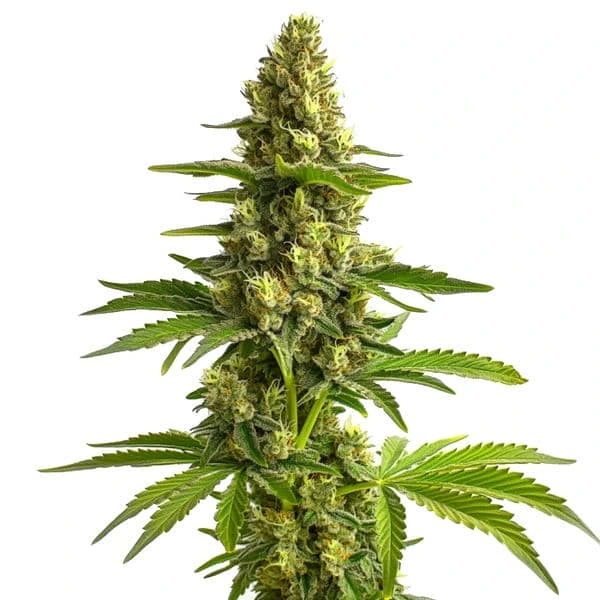
Bruce Banner #3

|
THC | 20% - 29% (High) |

|
Type | Feminized |

|
Yield | High |

|
Phenotype | 50% Indica / 50% Sativa |

Tangie
|
|
THC | 19% - 22% (Medium) |
|
|
Type | Feminized |
|
|
Yield | High |
|
|
Phenotype | 30% Indica / 70% Sativa |
Let’s delve deeper into the effects of photolysis on cannabinoids and how it plays a role in accurate testing. This information is vital for anyone involved in the cultivation or use of cannabis, ensuring the best outcomes from your Blimburn Seeds strains.
Photolysis Effects on Cannabinoid Stability at 280 nm
Photolysis refers to the breaking down of chemical compounds by light. When cannabinoids are exposed to UV light at 280 nm, their molecular structure can degrade. This degradation affects the stability of cannabinoids, potentially altering their therapeutic properties.
The impact of photolysis on cannabinoid stability is a concern for growers and testers alike. If you’re growing a strain like Mamba Negra from Blimburn Seeds, knowing how to protect your crop from UV exposure can help preserve its cannabinoid profile. This is especially important during the drying and curing process.
Knowing photolysis effects on cannabinoid stability at 280 nm is crucial for maintaining the therapeutic qualities of cannabis. This knowledge allows growers to implement protective measures that safeguard the integrity of their plants. By anticipating these effects, cultivators can better plan their harvesting and storage processes to minimize degradation.
The effects of photolysis can also vary depending on the specific cannabinoid being analyzed. In particular, knowing the photolysis of cannabinoids at 280 nm and implications for testing is crucial, as certain compounds may be more susceptible to UV-induced degradation under this wavelength. Some cannabinoids break down faster than others, which can significantly impact analytical accuracy and product stability. Recognizing these differences is essential for tailoring protective strategies to each unique strain, ensuring that their medical and recreational benefits remain intact while maintaining reliable testing results.
UV Light Impact on Cannabinoid Testing Accuracy
Accurate cannabinoid testing relies on stable samples. Exposure to UV light can lead to degradation, affecting the accuracy of test results. This means the reported THC or CBD levels might not reflect the actual potency of the product.
For instance, if you’re cultivating a high-CBD strain, ensuring minimal exposure to UV light can help maintain its expected potency. Inaccurate testing due to photolysis can mislead consumers, impacting their experience and satisfaction.
UV light impact on cannabinoid testing accuracy cannot be overstated. Laboratories must be diligent in managing light exposure to avoid erroneous results. This involves using protocols that minimize UV exposure during sample preparation and analysis, ensuring that the potency readings are as true to the original composition as possible.
Moreover, the testing environment should be controlled to prevent any inadvertent exposure to UV light. By adhering to best practices in handling and testing, labs can assure consumers and cultivators that the cannabinoid profiles they report are both precise and reliable.
Promos & Deals

Cannabinoid Degradation by Photolysis at Specific Wavelengths
Cannabinoids are susceptible to degradation by photolysis at specific wavelengths, including 280 nm. This degradation leads to a loss of potency and can alter the expected effects of the cannabis product.
Growers who cultivate strains such as Gelato from Blimburn Seeds should be aware of these risks. Proper storage and handling can mitigate the effects of UV exposure, preserving the desired cannabinoid profile and ensuring customer satisfaction.
Cannabinoid degradation by photolysis at specific wavelengths is a nuanced process that requires careful consideration. Each cannabinoid may respond differently to light exposure, and knowing these reactions helps in developing targeted preservation techniques. Cultivators benefit from this knowledge by being able to tailor their storage solutions to each strain’s unique needs.
Furthermore, the implications for testing and quality assurance are profound. Knowing the specific wavelengths that induce degradation allows producers to design more effective testing and storage protocols. This ensures that the products reaching consumers maintain their intended potency and efficacy.
Analytical Challenges in Cannabinoid Photolysis Studies
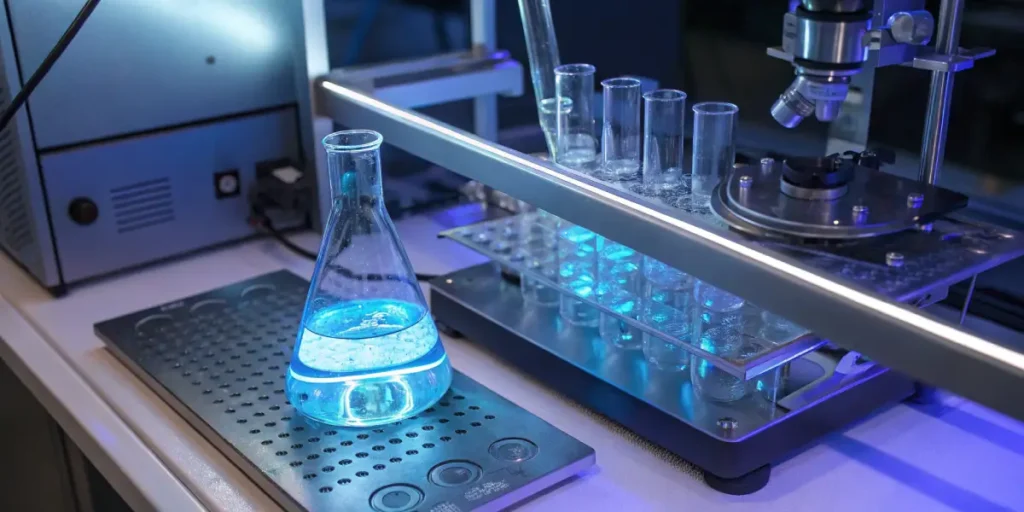
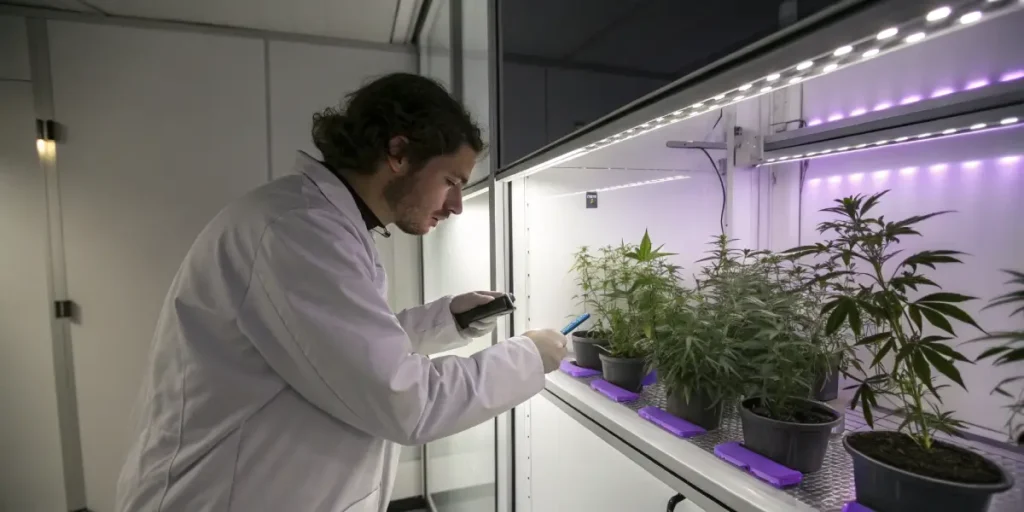
Studying the photolysis of cannabinoids presents several analytical challenges. Researchers must account for variables such as light intensity and exposure duration, which can vary greatly in real-world conditions.
These challenges complicate the interpretation of results. For example, different batches of the same cannabis strain might show varied potency levels due to differences in light exposure during storage and handling.
Analytical challenges in cannabinoid photolysis studies often stem from the complexity of accurately replicating real-world conditions in a laboratory setting. Researchers strive to control every variable, but factors such as ambient light and temperature fluctuations can introduce inconsistencies that are difficult to manage.
To overcome these challenges, scientists employ sophisticated instrumentation and experimental designs that seek to isolate and quantify the specific effects of photolysis on cannabinoids. Despite the inherent difficulties, advancements in analytical techniques are steadily improving our knowing of these processes.
Implications of UV Exposure on Cannabinoid Potency Analysis
UV exposure has significant implications for cannabinoid potency analysis. It can lead to discrepancies between expected and actual test results, which is why careful handling and storage are essential.
Growers and testers should be aware of how UV light can affect their products. Implementing practices like storing cannabis in dark, cool environments can preserve potency and ensure more reliable test results.
The implications of UV exposure on cannabinoid potency analysis extend beyond immediate degradation concerns. Long-term exposure can lead to cumulative effects that alter the cannabinoid profile in ways that are not immediately apparent. This can result in products that do not meet consumer expectations or regulatory standards.
By recognizing these potential pitfalls, both producers and testers can take proactive steps to ensure that cannabinoid analyses remain consistent and accurate over time. This foresight not only protects the integrity of cannabis products but also enhances consumer trust and satisfaction.
Practical Tips for Protecting Cannabinoids from Photolysis
There are practical steps you can take to protect cannabinoids from photolysis. Using UV-blocking containers for storage is one effective method. These containers prevent light from penetrating and altering the cannabinoid structure.
Additionally, keeping cannabis products in a dark, cool place minimizes the risk of degradation. If you’re growing a strain like Bruce Banner 3 from Blimburn Seeds, these storage tips can help maintain its potent effects.
Beyond storage, practical tips for protecting cannabinoids from photolysis include being mindful of the entire supply chain. From cultivation to distribution, every step should be evaluated for potential UV exposure risks. This comprehensive approach ensures that the cannabinoid profiles remain intact until they reach the consumer.
Moreover, educating all stakeholders about the importance of protecting against photolysis of cannabinoids at 280 nm and implications for testing can foster a culture of quality assurance. By knowing the science behind photolysis, those involved in the cannabis industry can make informed decisions that benefit the entire supply chain.
FAQs about photolysis of cannabinoids at 280 nm and implications for testing
How does photolysis affect cannabinoid potency?
Photolysis can reduce cannabinoid potency by breaking down the chemical structure of cannabinoids when exposed to UV light, particularly at 280 nm. This breakdown can lead to a decrease in the therapeutic effects of the cannabis product.
For growers and consumers, this means that the expected effects might not match the actual experience. Taking steps to minimize UV exposure can help maintain the intended potency of cannabis products.
The breakdown caused by photolysis not only affects potency but can also alter the overall balance of cannabinoids in a product. This shift can impact the entourage effect, where different cannabinoids work synergistically to produce specific effects. Maintaining the intended balance is crucial for both therapeutic and recreational outcomes.
Knowing the mechanisms of photolysis on cannabinoids can inform better cultivation and storage practices, ensuring that the final product meets its intended use and provides the expected benefits to users.
What measures can prevent cannabinoid degradation during storage?
Preventing cannabinoid degradation involves careful storage practices. Using opaque or UV-blocking containers can significantly reduce the risk of photolysis. These containers protect the cannabinoids from harmful light exposure.
Additionally, storing cannabis in a cool, dark place further minimizes the risk of degradation. These storage methods are practical for both personal and commercial use, ensuring product quality over time.
Besides to containers and storage environments, regular monitoring of storage conditions can prevent cannabinoid degradation. Implementing environmental controls that track and adjust temperature and humidity can further protect against unwanted changes in cannabinoid potency and profile.
Investing in quality storage solutions not only preserves the cannabinoids but also enhances the overall consumer experience. By preventing degradation, producers can ensure that their products deliver the intended effects consistently.
Why is accurate cannabinoid testing important?
Accurate cannabinoid testing is essential for both consumers and producers. It ensures that the product’s reported potency matches its actual effects, providing a reliable experience for users.
For producers, accurate testing helps maintain quality standards and consumer trust. Inaccurate results due to photolysis or other factors can lead to a misrepresentation of the product’s effects.
Accurate testing also plays a critical role in regulatory compliance. Many regions require stringent testing standards to ensure consumer safety and product reliability. Meeting these standards is crucial for market access and legal compliance.
Furthermore, precise testing supports research and development efforts, allowing producers to innovate and refine their products. By knowing the cannabinoid profiles in detail, companies can better tailor their offerings to meet consumer needs and preferences.
What are the challenges in studying cannabinoid photolysis?
Studying cannabinoid photolysis involves several challenges, including controlling variables such as light intensity and exposure duration. These variables can affect the results, complicating the analysis.
Researchers often use controlled experimental setups to isolate these variables and understand the effects of photolysis on cannabinoids. This approach helps improve testing protocols and product reliability.
Another challenge is the variability in cannabinoid content across different strains and even within the same strain. This heterogeneity requires researchers to conduct extensive testing to ensure their findings are broadly applicable and not limited to specific cases.
Despite these challenges, advancements in analytical methodologies and a growing body of research are helping to unravel the complexities of photolysis in cannabinoids. Continued investment in research is essential for overcoming these hurdles and enhancing our knowing of cannabis science.
How can growers ensure the potency of their cannabis strains?
Growers can ensure potency by implementing practices that minimize UV exposure. This includes using UV-blocking containers and storing cannabis in dark, cool environments to protect against photolysis.
Additionally, selecting stable strains from reputable sources like Blimburn Seeds can provide a solid foundation for maintaining potency. These practices help preserve the quality and effectiveness of the final product.
Regular testing throughout the cultivation and storage process can also help growers monitor potency levels. By catching potential degradation early, growers can make necessary adjustments to storage or handling practices to safeguard the product’s quality.
Furthermore, educating the cultivation team about the importance of light management can foster an environment where quality control is a shared responsibility. This collective vigilance helps maintain the integrity of the cannabis, ensuring it meets consumer expectations.