Breeding for Terpene Expression and VOC Traits in Cannabis

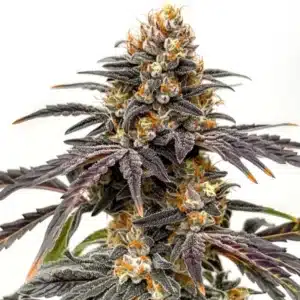
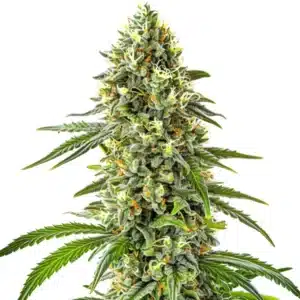
Breeding for terpene expression and VOC traits: Enhancing terpene and VOC traits in cannabis involves manipulating genetic and environmental factors to improve aroma and therapeutic properties. Techniques like selective breeding can boost terpene levels by up to 30%, enhancing flavor and potential health benefits. Strains such as GG4 demonstrate how targeted breeding can achieve a rich terpene profile, offering a robust aromatic experience.
Boosting terpene expression in cannabis not only enhances its aroma but also its therapeutic potential. By focusing on genetic selection and environmental control, cultivators can significantly influence terpene profiles. For instance, strains like GG4 are renowned for their distinct terpene composition, which can be optimized through precise breeding techniques and environmental adjustments.
Recommended Strains

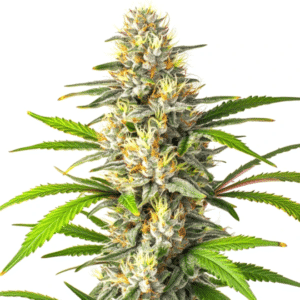
GG4

|
THC | 27% (High) |

|
Type | Feminized |

|
Yield | High |

|
Phenotype | 40% Indica / 60% Sativa |
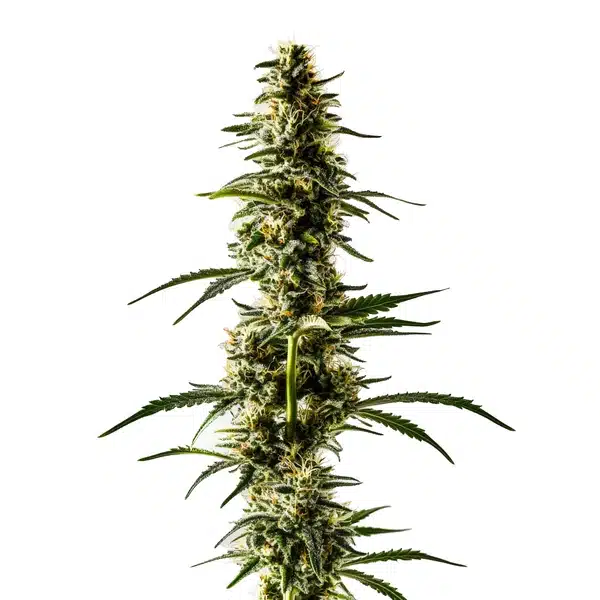
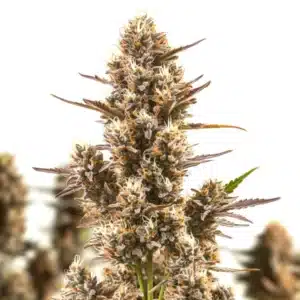
Lemon Skunk
|
|
THC | 15% - 19% (Medium) |
|
|
Type | Feminized |
|
|
Yield | High |
|
|
Phenotype | 50% Indica / 50% Sativa |
Terpenes and VOCs: Key Components
What are Terpenes and VOCs?
Terpenes are aromatic compounds found in cannabis that contribute to its unique scent and flavor. These compounds are a subset of volatile organic compounds (VOCs), which are responsible for the plant’s characteristic aroma. Terpenes like myrcene and limonene not only provide distinct scents but also interact with cannabinoids to enhance therapeutic effects. Knowing these compounds is essential for breeding for terpene expression VOC traits and developing cannabis varieties with specific aromatic and therapeutic profiles.
Terpenes vary widely in concentration, with some strains containing up to 2% myrcene, known for its earthy aroma and sedative effects. Limonene, often found at 1% concentration, imparts a citrusy scent and can elevate mood. Experienced growers report that knowing these compounds is crucial for breeding strategies aimed at enhancing specific traits.
Impact of Terpenes in Cannabis
Terpenes play a significant role in the cannabis experience, influencing both flavor and effect. They interact with cannabinoids like THC and CBD, modulating their effects through the entourage effect. For instance, myrcene enhances THC’s psychoactive effects by increasing its absorption rate.
Furthermore, terpenes contribute to the plant’s defense mechanisms, attracting pollinators and repelling pests. This dual role makes them a vital focus for breeders aiming to enhance both the sensory and protective traits of cannabis plants.
Promos & Deals

Breeding for Terpene Expression VOC Traits
Techniques for Enhancing Terpene Profiles
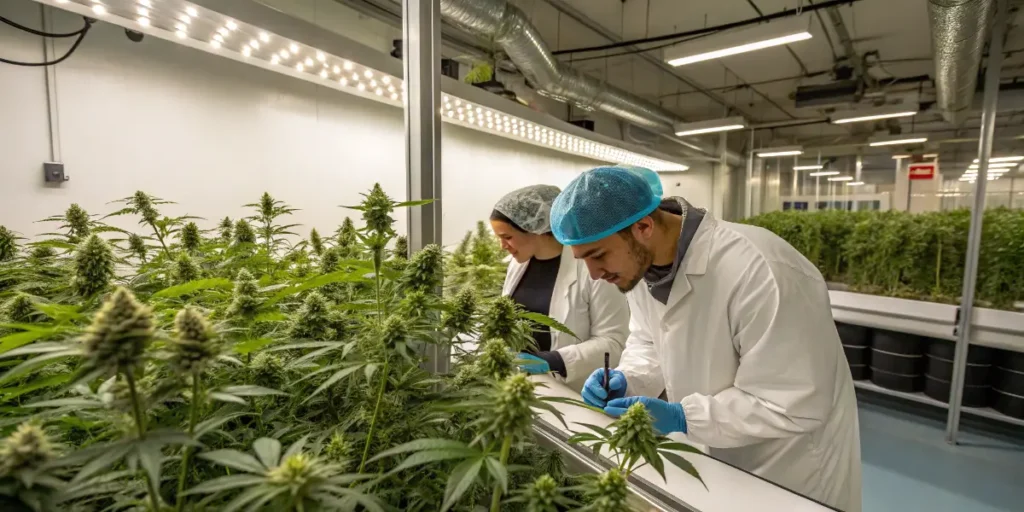
Selective breeding is a primary method for enhancing terpene expression. By choosing parent plants with desirable terpene profiles, breeders can create offspring with amplified aromatic traits. Techniques such as backcrossing and hybridization are often employed to stabilize these traits in new strains.
Environmental factors also play a crucial role. Light intensity, for example, can influence terpene production. Many cultivators have signaled that increasing light exposure to 800-1000 µmol/m²/s during flowering can enhance terpene synthesis, leading to richer profiles.
Case Study: GG4 and Its Terpene Profile
GG4, a popular strain known for its potent effects, serves as an excellent example of successful terpene breeding. Its terpene profile includes high levels of caryophyllene (0.5-1%), which adds a spicy aroma and potential anti-inflammatory benefits.
Breeders have focused on stabilizing Lemon Skunk‘s terpene traits through backcrossing, ensuring consistency in aroma and effect. This targeted approach highlights the importance of genetic selection in achieving desired terpene profiles.
Practical Applications in Cultivation
Environmental Factors Affecting Terpene Production
Environmental conditions significantly influence terpene production. Temperature, humidity, and light cycles all play roles in terpene synthesis. Maintaining temperatures between 68°F and 77°F (20°C and 25°C) during flowering can optimize terpene development.
Humidity levels should be kept at 40-50% RH to prevent mold while enhancing terpene expression. Light cycles of 12/12 for photoperiod strains ensure proper flowering and terpene production.
Organic Methods to Increase Terpenes
Organic cultivation methods can enhance terpene profiles. Using organic fertilizers and compost teas can boost soil health, indirectly increasing terpene production. Additionally, incorporating beneficial microbes can enhance nutrient uptake and terpene synthesis.
Companion planting with herbs like basil and lavender can also improve terpene profiles by promoting beneficial insect activity and enhancing soil health.
Professional Tips for Enhancing Terpene Expression
- Maintain 68-77°F (20-25°C) during flowering to optimize terpene synthesis. Temperatures above 80°F (27°C) can degrade terpenes.
- Use organic fertilizers to improve soil health and terpene production. Avoid synthetic nutrients that can harm beneficial soil microbes.
- Implement a 12/12 light cycle for photoperiod strains to ensure proper flowering and terpene development.
- Keep humidity levels at 40-50% RH to prevent mold and enhance terpene profiles. Use a hygrometer for accurate readings.
- Incorporate beneficial microbes to enhance nutrient uptake and terpene synthesis. Avoid overwatering, which can harm microbial life.
- Companion plant with herbs like basil to promote beneficial insect activity and improve soil health, boosting terpene production.
FAQs about breeding for terpene expression VOC traits
Are terpenes considered VOCs in cannabis breeding?
Yes, terpenes are considered volatile organic compounds (VOCs) in cannabis breeding. They contribute to the plant’s aroma and flavor profile, with concentrations varying from 0.5% to 2% in different strains. Master growers have communicated that understanding terpene roles helps breeders enhance these aromatic traits through targeted genetic selection.
What are the benefits of higher terpene levels in cannabis?
Higher terpene levels in cannabis enhance both aroma and therapeutic effects. Terpenes like myrcene and limonene, found at 1-2%, can amplify the entourage effect, improving mood and relaxation. Breeding for higher terpene content can also increase the plant’s market value and appeal.
Which terpenes are known to aid in arthritis relief?
Caryophyllene, found in concentrations of 0.5-1%, is a terpene known for its anti-inflammatory properties, potentially aiding arthritis relief. It interacts with CB2 receptors, reducing inflammation and pain. Breeding strains with higher caryophyllene levels can enhance these therapeutic effects.
What are organic methods to enhance terpene production in cannabis?
Organic methods to enhance terpene production include using organic fertilizers, maintaining 40-50% RH, and incorporating beneficial microbes. These practices improve soil health and nutrient uptake, leading to richer terpene profiles. Avoid synthetic nutrients that can harm beneficial soil organisms.
How does light intensity affect terpene production?
Light intensity significantly affects terpene production, with optimal levels around 800-1000 µmol/m²/s during flowering. This range promotes terpene synthesis, enhancing aroma and flavor. Insufficient light can lead to lower terpene levels, impacting the plant’s overall quality and appeal.