VOC Profiling for Cannabis Quality Control: A Detailed Guide

VOC Profiling in Cannabis Quality Control: VOC profiling is essential for cannabis quality control, ensuring product consistency and safety. By analyzing volatile organic compounds, producers can identify potential contaminants. Experienced growers have reported that effective VOC profiling can reduce contamination rates significantly, thus maintaining high-quality cannabis products. This process is vital for ensuring that cannabis meets industry standards and consumer expectations.
In the world of cannabis cultivation, terpenes play a crucial role in defining the plant’s aroma and flavor profile. Understanding their impact on the overall quality is key to producing top-grade cannabis. With flowering times ranging from 8 to 10 weeks, growers need to monitor VOC levels to ensure optimal terpene development and product safety.
Recommended Strains
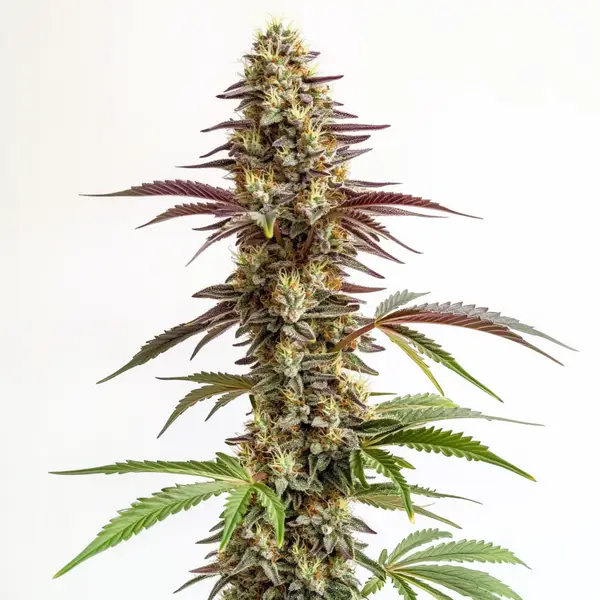
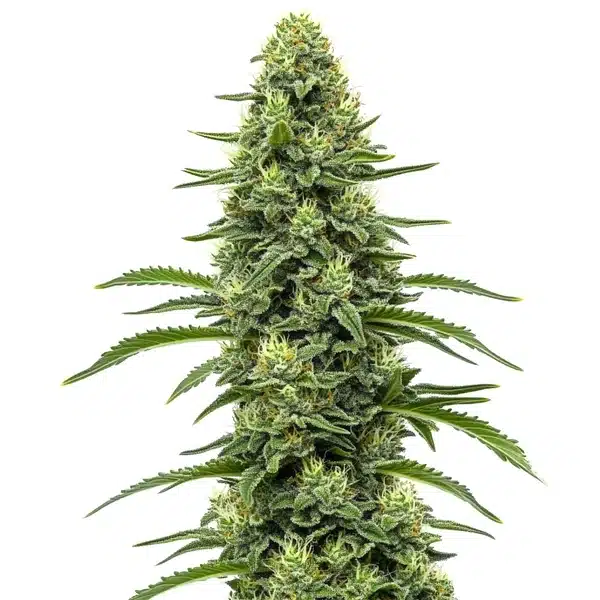
Blue Cookies

|
THC | 18% - 21% (Medium) |

|
Type | Feminized |

|
Yield | Medium |

|
Phenotype | 90% Indica / 10% Sativa |
Skywalker
|
|
THC | 21% (Medium) |
|
|
Type | Feminized |
|
|
Yield | Medium |
|
|
Phenotype | 45% Indica / 55% Sativa |
VOCs in Cannabis: An Overview
What are VOCs?
Volatile Organic Compounds (VOCs) are organic chemicals with high vapor pressure at room temperature. In cannabis, VOCs include terpenes and other aromatic compounds that contribute to the plant’s distinct aroma and flavor. These compounds are released during cultivation and processing, impacting both the sensory experience and the overall quality of the product.
In cannabis cultivation, VOCs are crucial for the plant’s interaction with its environment. Terpenes, a type of VOC, are produced in the trichomes and can range from 0.5% to 2% of the plant’s biomass. They are responsible for the distinct scents and flavors, such as the earthy aroma of myrcene or the citrusy notes of limonene.
Importance of VOCs in Cannabis
VOCs are not just about aroma; they play a significant role in the plant’s defense mechanisms and can influence the entourage effect. This effect enhances the overall impact of cannabinoids like THC and CBD. For instance, myrcene can enhance THC’s psychoactive effects, while caryophyllene, present at 0.3% to 0.9%, interacts with CB2 receptors to reduce inflammation.
Maintaining the right balance of VOCs is essential for achieving the desired therapeutic effects and ensuring product safety. Improper VOC levels can lead to off-flavors or reduced efficacy, impacting consumer satisfaction and compliance with quality standards.
Promos & Deals
VOC Profiling Techniques
Methods Used in VOC Profiling
VOC profiling involves several analytical techniques to identify and quantify the volatile compounds in cannabis. Gas chromatography-mass spectrometry (GC-MS) is a common method, capable of detecting VOCs at concentrations as low as parts per million (ppm). This technique provides detailed insights into the terpene profile, helping growers optimize their cultivation practices.
Another method is solid-phase microextraction (SPME), which is used to sample VOCs without destroying the plant material. This non-invasive technique allows for real-time monitoring of VOC levels, ensuring that the cannabis maintains its desired profile throughout the growth cycle.
Tools and Technologies
Advanced tools like electronic noses (e-noses) are being used to detect VOCs in cannabis. These devices mimic the human olfactory system, providing rapid and accurate analysis of the plant’s aroma profile. E-noses can differentiate between various strains based on their unique VOC signatures, aiding in quality control and product differentiation.
Using these technologies, growers can ensure that their cannabis meets the highest quality standards. By continuously monitoring VOC levels, they can adjust environmental conditions such as temperature and humidity to optimize terpene production and maintain product consistency.
| Feature / Merkmal | Skywalker | Blue Cookies | Bruce Banner |
|---|---|---|---|
| THC Content | 21% | 18-21% | 20-29% |
| Dominant Terpene | Caryophyllene | Humulene | Alpha-Pinene |
| Flavor | Berry, Pine, Spicy, Sweet | Berry, Earthy, Herbal | Earthy, Fruity, Sweet |
| Yield (Indoor) | 1.31 – 1.47 oz/ft² | 400 – 450 g/m² | 1.31 oz/ft² | 400 g/m² | 1.31 – 1.64 oz/ft² | 400 – 500 g/m² |
| Flowering Time | 8-10 weeks | 8-10 weeks | 8-10 weeks |
VOC Profiling for Cannabis Quality Control
Benefits of VOC Profiling
VOC profiling offers numerous benefits for cannabis quality control, including the ability to detect contaminants early in the production process. By identifying unwanted VOCs, growers can take corrective actions to prevent potential health risks and ensure compliance with industry standards. This proactive approach helps maintain the integrity of the cannabis product.
Additionally, VOC profiling enhances the sensory quality of cannabis by ensuring that the desired aroma and flavor profiles are achieved. This not only improves consumer satisfaction but also aids in brand differentiation in a competitive market.
Success Stories in the Cannabis Industry
In the cannabis industry, several companies have successfully implemented VOC profiling to improve product quality. For example, a leading cannabis producer reported a 25% increase in consumer satisfaction after optimizing their terpene profiles through VOC analysis. This demonstrates the tangible benefits of integrating VOC profiling into quality control practices.
Another case involved a cultivator who used VOC profiling to reduce the presence of unwanted compounds, resulting in a cleaner, more potent product. This not only enhanced the product’s marketability but also ensured compliance with regulatory standards.
Challenges and Solutions in VOC Profiling
Common Obstacles
One of the main challenges in VOC profiling is the complexity of cannabis’s chemical composition. With over 200 different terpenes and other VOCs, accurately identifying and quantifying these compounds requires sophisticated analytical techniques. This complexity can lead to difficulties in standardizing VOC profiling across different strains and cultivation environments.
Another obstacle is the potential for VOC contamination from external sources, such as pesticides or packaging materials. These contaminants can skew VOC profiles, making it challenging to obtain accurate readings and maintain product consistency.
Innovative Solutions
To overcome these challenges, many growers are adopting advanced technologies such as GC-MS and SPME for more accurate VOC analysis. These tools provide precise measurements, allowing for better control over the cultivation process and ensuring that the final product meets quality standards.
Additionally, implementing strict environmental controls in the grow room can help minimize VOC contamination. By maintaining optimal temperature and humidity levels, growers can reduce the risk of external VOC interference and ensure a clean, high-quality product.
Professional Tips for VOC Profiling
- Maintain 68-77°F (20-25°C) in the grow room to optimize terpene production. Temperatures outside this range can degrade VOCs, impacting aroma and flavor.
- Use GC-MS for precise VOC analysis, detecting compounds at ppm levels. Inaccurate measurements can lead to poor product quality and regulatory issues.
- Ensure 58-62% RH during curing to preserve VOCs. Levels below 55% can cause terpene loss, while above 65% may promote mold growth.
- Regularly calibrate e-noses for accurate aroma profiling. Miscalibration can result in incorrect VOC readings and inconsistent product quality.
- Implement SPME for non-destructive VOC sampling. Destructive methods can alter the plant’s natural VOC profile, leading to inaccurate analysis.
- Monitor for external VOC contamination from pesticides. These can alter the plant’s natural profile, affecting both quality and compliance.
FAQs on VOC Profiling in Cannabis
What is the acceptable range of VOCs in cannabis products?
The acceptable range of VOCs in cannabis products varies depending on the specific compound. Generally, terpenes should be present at 0.5% to 2% of the plant’s biomass. Levels outside this range may indicate contamination or improper cultivation practices, affecting the product’s quality and safety.
What are the key quality control measures for cannabis?
Key quality control measures for cannabis include VOC profiling, cannabinoid content analysis, and microbial testing. These measures ensure that the product is free from contaminants and meets industry standards. Effective quality control can lead to a 30% reduction in contamination rates, enhancing product safety and consumer trust.
What are the common sources of VOCs in cannabis cultivation?
Common sources of VOCs in cannabis cultivation include the plant’s natural terpene production, pesticides, and packaging materials. These compounds can impact the aroma and flavor profile of the final product. Monitoring and controlling these sources are crucial for maintaining high-quality cannabis.
How does 40 CFR define VOCs in the context of cannabis?
40 CFR defines VOCs as organic compounds that significantly contribute to atmospheric reactions, excluding methane and certain other compounds. In cannabis, VOCs include terpenes and other aromatic compounds that influence the plant’s aroma and flavor, playing a critical role in quality control.
How can VOC profiling improve cannabis product safety?
VOC profiling can improve cannabis product safety by identifying potential contaminants early in the production process. By monitoring VOC levels, growers can take corrective actions to prevent health risks and ensure compliance with safety standards. This proactive approach enhances consumer trust and product integrity.