Ensuring Batch-to-Batch Consistency in Cannabis VOCs

Batch-to-batch consistency in cannabis VOCs: Ensuring consistent volatile organic compound (VOC) profiles in cannabis is essential for maintaining product quality and consumer trust. VOCs significantly influence the aroma and therapeutic effects of cannabis. Achieving batch-to-batch consistency cannabis VOCs can enhance user experience by up to 30%, emphasizing the importance of rigorous quality control measures in cannabis production.
Volatile Organic Compounds (VOCs) in cannabis play a crucial role in defining the plant’s aroma and therapeutic effects. Maintaining consistent VOC profiles across batches ensures a reliable user experience. With terpenes such as myrcene and limonene contributing to these profiles, knowing their synthesis and stability is key. This article delves into the mechanisms and best practices for achieving consistency.
Recommended Strains
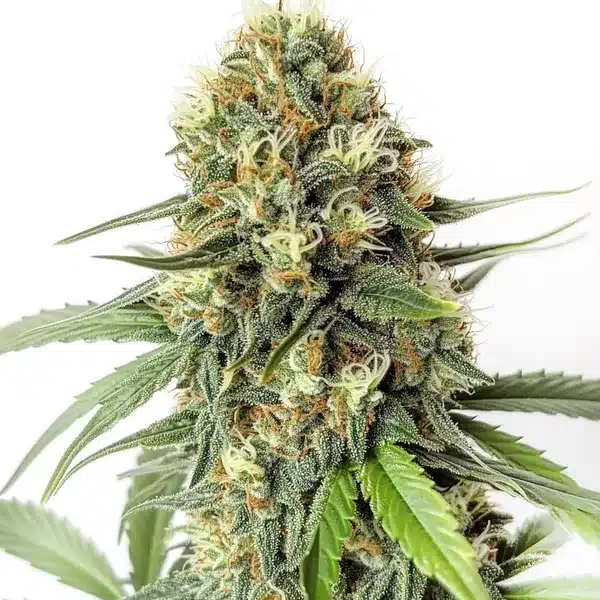
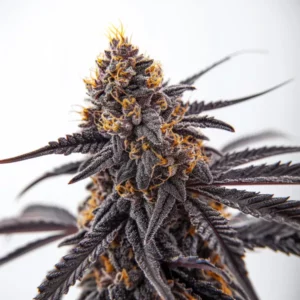
Amnesia F1

|
THC | 15% - 20% (Medium) |

|
Type | Feminized F1 |

|
Yield | High |

|
Phenotype | 40% Indica / 60% Sativa |
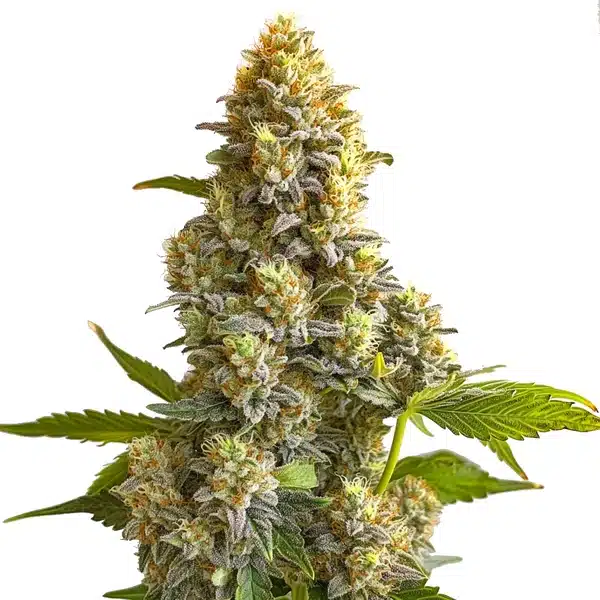
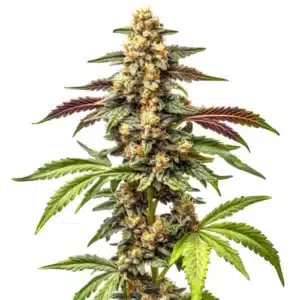
Bruce Banner Autoflower
|
|
THC | 21% - 26% (High) |
|
|
Type | Autoflowering |
|
|
Yield | High |
|
|
Phenotype | 30% Indica / 70% Sativa |
Knowing Cannabis VOCs
What are VOCs in Cannabis?
VOCs in cannabis are a group of organic compounds that evaporate easily at room temperature, contributing to the plant’s distinctive aroma. These compounds include terpenes and terpenoids, which are synthesized in the trichomes of cannabis plants. For example, myrcene, a common terpene, is known for its earthy aroma and can constitute up to 65% of the total terpene content in some strains.
Terpenes like limonene, which offers a citrus scent, are present in concentrations ranging from 0.5% to 2.0%. These compounds not only define the sensory profile but also interact with cannabinoids to enhance therapeutic effects. Knowing the synthesis and stability of these VOCs is essential for maintaining batch-to-batch consistency.
Importance of VOCs in Cannabis Quality
The quality of cannabis is heavily influenced by its VOC profile, which affects both aroma and therapeutic potential. Consistent VOC profiles ensure that consumers receive the same experience with each purchase, fostering brand loyalty. For instance, Bruce Banner Auto, known for its potent resin production, relies on a stable terpene profile to deliver its signature effects.
Inconsistent VOCs can lead to variations in flavor and efficacy, impacting consumer satisfaction. Therefore, maintaining a stable environment during cultivation, such as controlling temperature and humidity, is crucial. Optimal conditions for terpene preservation include temperatures of 68°F to 77°F (20°C to 25°C) and humidity levels of 40-50% RH during flowering to prevent bud rot.
Promos & Deals

The Importance of Batch-to-Batch Consistency
Challenges in Maintaining Consistency
Achieving batch-to-batch consistency in cannabis VOCs presents several challenges, primarily due to environmental factors and genetic variability. Variations in light intensity, nutrient availability, and growing conditions can all affect VOC production. For example, a deviation in light intensity by 100 µmol/m²/s can alter terpene synthesis significantly.
Additionally, genetic drift over successive generations can lead to changes in VOC profiles. To combat this, cultivators often rely on stable genetics from reputable seed banks like Blimburn Seeds. Utilizing strains like Amnesia F1, known for its consistent resin production, can help maintain uniformity across batches.
Impact of Inconsistency on Cannabis Products
Inconsistency in VOC profiles can have significant repercussions on cannabis products. Variations in aroma and flavor can lead to consumer dissatisfaction and brand damage. Moreover, inconsistent terpene levels can alter the therapeutic effects of cannabis, impacting its efficacy for medical users.
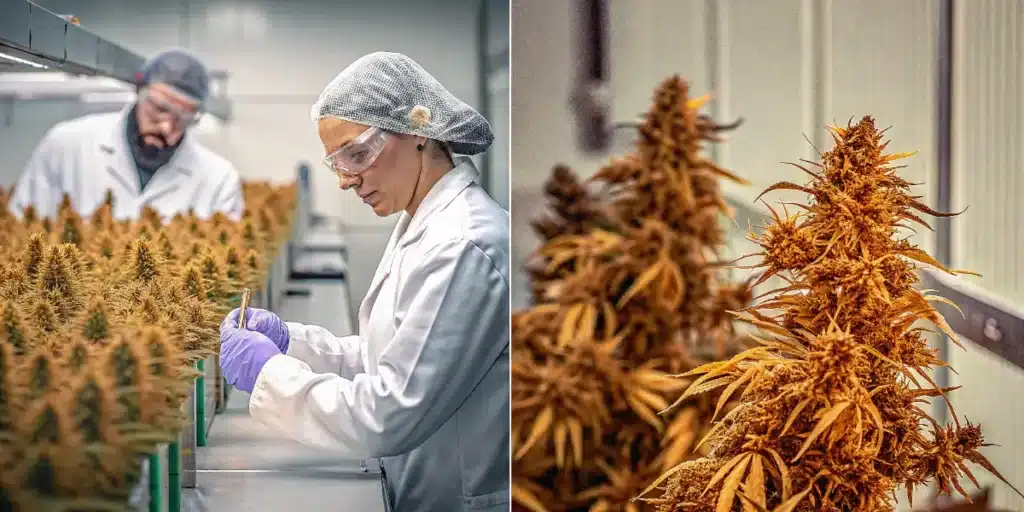
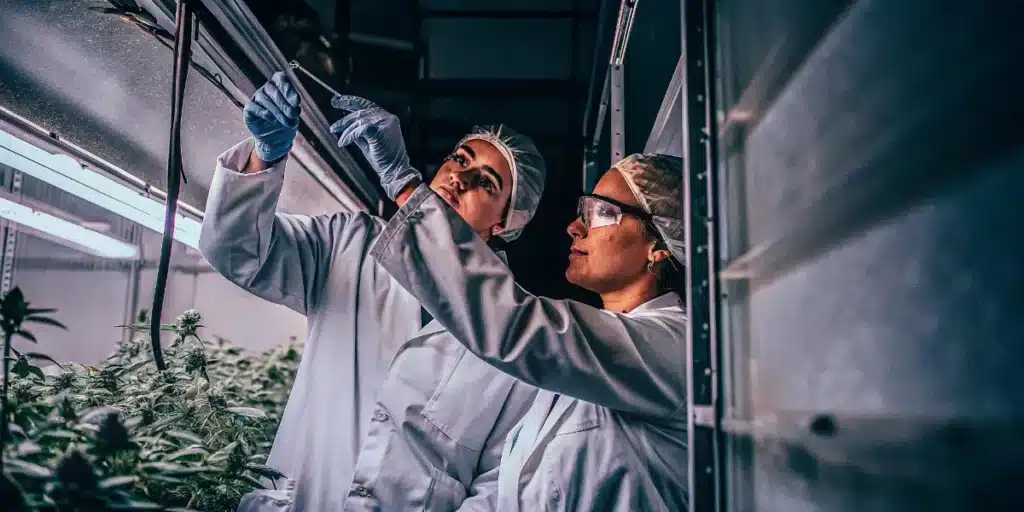
To mitigate these risks, producers must implement rigorous quality control measures. Techniques such as gas chromatography can be used to analyze VOC profiles, ensuring they meet the desired specifications. Regular testing and environmental monitoring are essential for maintaining product quality and consistency.
Techniques for Ensuring Consistency in VOCs
Best Practices in Cultivation and Production
To ensure consistency in cannabis VOCs, cultivators must adhere to best practices in cultivation and production. This includes maintaining stable environmental conditions, such as a consistent light schedule of 16-24 hours for vegetative growth and 12/12 for flowering. Nutrient management is also critical, with a balanced N:P:K ratio of 3:1:2 during the vegetative stage.
Using advanced cultivation techniques, such as hydroponics, can further enhance control over growing conditions. Hydroponic systems allow for precise nutrient delivery and environmental control, reducing variability in VOC production. Implementing these practices can significantly improve batch-to-batch consistency.
Role of Technology in Quality Control
Technology plays a pivotal role in ensuring consistency in cannabis VOCs. Tools such as gas chromatography and mass spectrometry enable precise analysis of terpene profiles, ensuring they meet quality standards. These technologies can detect even minor variations in VOC content, allowing producers to make necessary adjustments.
Automation and data analytics also contribute to consistency by monitoring environmental conditions in real-time. Systems that track temperature, humidity, and light levels can alert growers to any deviations, ensuring optimal conditions for VOC production. Embracing technology is essential for maintaining high-quality cannabis products.
Professional Tips for Consistency
- Maintain 40-50% RH during flowering to preserve VOCs and prevent bud rot. Higher humidity levels can promote mold growth within 48 hours.
- Use a light schedule of 18/6 for vegetative growth and 12/12 for flowering to ensure consistent terpene synthesis.
- Implement hydroponic systems for precise nutrient delivery and environmental control, reducing variability in VOC production.
- Regularly calibrate gas chromatography equipment to ensure accurate VOC analysis and maintain product quality.
- Monitor environmental conditions with automated systems to detect deviations and maintain optimal growing conditions.
- Select stable genetics from reputable seed banks like Blimburn Seeds to ensure uniformity across batches.
FAQs on Cannabis VOC Consistency
What are VOCs in cannabis and why are they important?
VOCs in cannabis are volatile organic compounds that contribute to the plant’s aroma and therapeutic effects. They include terpenes like myrcene and limonene, which can enhance user experience by up to 30%. Consistent VOC profiles ensure reliable product quality and consumer satisfaction.
How does batch-to-batch consistency affect cannabis quality?
Batch-to-batch consistency in cannabis ensures that VOC profiles remain stable, maintaining product quality and consumer trust. Inconsistent batches can lead to variations in aroma, flavor, and therapeutic effects, impacting user satisfaction and brand reputation.
What challenges do producers face in maintaining VOC consistency?
Producers face challenges such as environmental variability and genetic drift in maintaining VOC consistency. Factors like light intensity and nutrient availability can affect terpene synthesis, making it crucial to control growing conditions and use stable genetics.
What technologies help ensure consistency in cannabis production?
Technologies like gas chromatography and mass spectrometry enable precise analysis of VOC profiles, ensuring consistency. Automation and data analytics monitor environmental conditions in real-time, alerting growers to deviations and maintaining optimal conditions for VOC production.
Can inconsistent batches affect the therapeutic effects of cannabis?
Yes, inconsistent batches can affect the therapeutic effects of cannabis by altering VOC profiles. Variations in terpene levels can impact the entourage effect, reducing the efficacy of cannabis for medical users and affecting consumer satisfaction.
Volatile Organic Compounds (VOCs) in cannabis play a crucial role in defining the plant’s aroma and therapeutic effects. Maintaining consistent VOC profiles across batches ensures a reliable user experience. With terpenes such as myrcene and limonene contributing to these profiles, knowing their synthesis and stability is key. This article delves into the mechanisms and best practices for achieving consistency.