Essential Guide: How Cannabinoid Biosynthesis Changes Post-Harvest

The journey from seed to harvest is only part of a cannabis plant’s life. After harvest, interesting transformations occur that influence quality and potency. Knowing how cannabinoid biosynthesis changes post-harvest helps explain how cannabinoids continue to evolve, affecting the final product’s strength, stability, and overall effects.
For both first-time growers and seasoned cultivators, knowing how cannabinoid biosynthesis changes post-harvest is crucial. It helps ensure your cannabis retains its desired properties. Let’s dive into what happens after those buds are clipped.
Recommended Strains

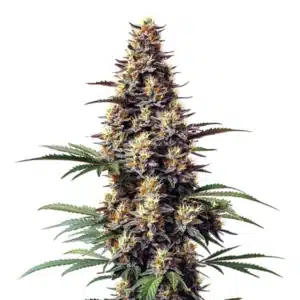
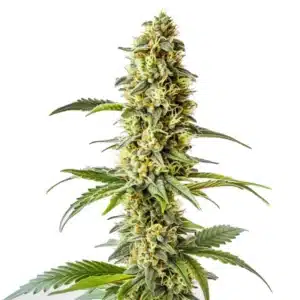
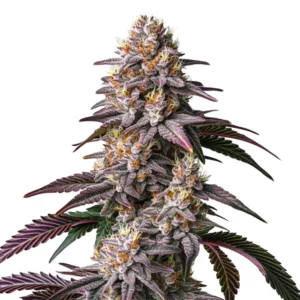
Mamba Negra

|
THC | 18% (Medium) |

|
Type | Feminized |

|
Yield | High |

|
Phenotype | 55% Indica / 45% Sativa |
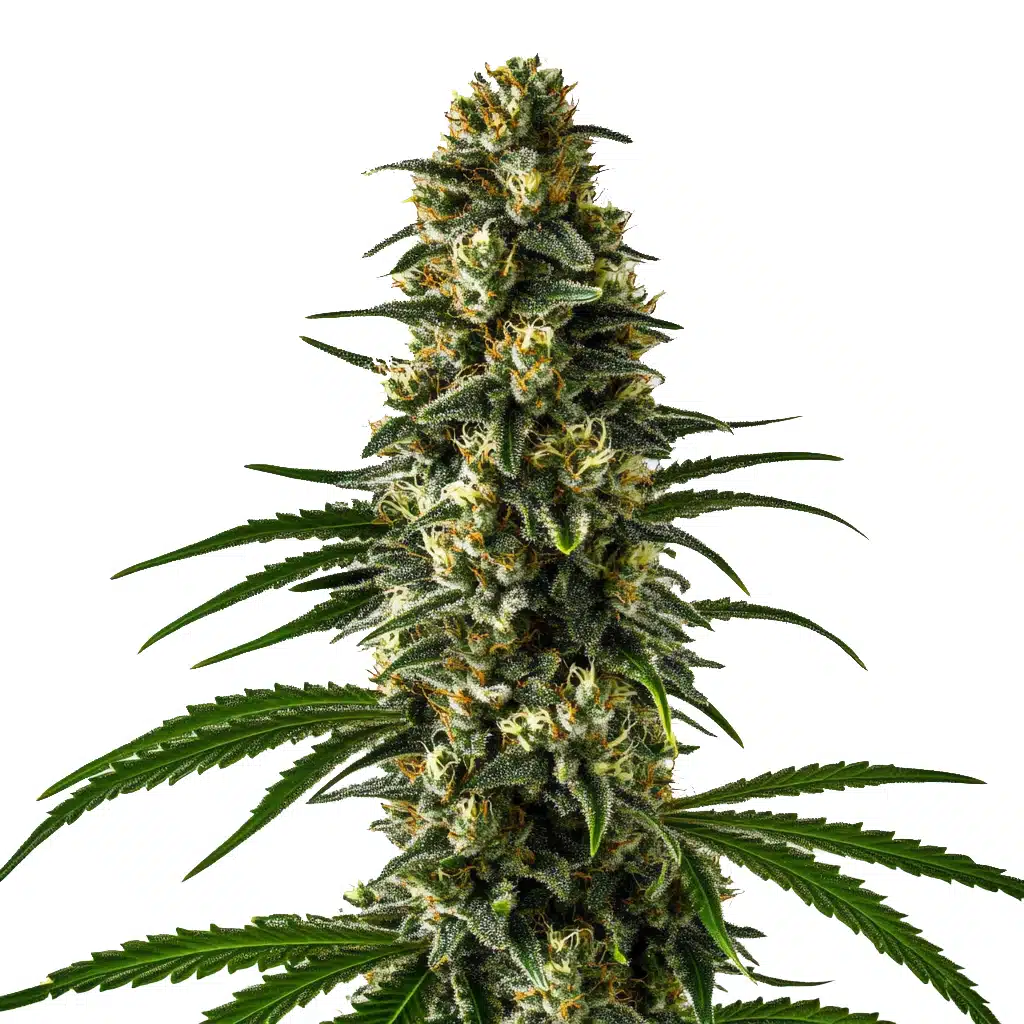
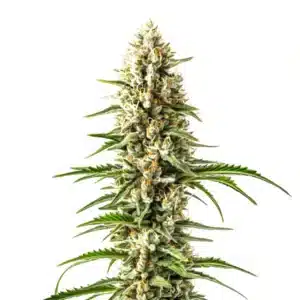
Girl Scout Cookies
|
|
THC | 18% - 25% (High) |
|
|
Type | Feminized |
|
|
Yield | High |
|
|
Phenotype | 60% Indica / 40% Sativa |
One significant transformation relates to THC, the compound most associated with cannabis’s psychoactive effects. Initially, cannabis plants produce THCA, a non-psychoactive precursor. After harvest, THCA can convert to THC, enhancing the psychoactive properties. This conversion, however, depends on factors like light, heat, and time.
Key Factors Influencing Post-Harvest Cannabinoid Changes
Temperature and humidity play a major role in how cannabinoid biosynthesis changes post-harvest. Keeping harvested cannabis at the right temperature is crucial. Too much heat can degrade cannabinoids, while too much cold can slow the conversion process.
Humidity is another critical factor. High humidity levels can encourage mold growth, ruining the crop. Low humidity can cause cannabinoids to degrade. Balancing humidity ensures cannabinoids transform effectively, maintaining the desired quality.
Moreover, the effects of harvest on cannabinoid biosynthesis can also be influenced by how quickly the drying process begins. Rapid drying can lead to the loss of volatile compounds, negatively impacting both the cannabinoid profile and the terpenes responsible for flavor.
Knowing these key factors is essential for growers aiming to optimize cannabinoid levels after cannabis harvest. By carefully managing these environmental conditions, cultivators can maximize the potential of their harvest, ensuring a product that meets their standards.
Light Exposure and Its Effects
Light exposure after harvest can significantly alter cannabinoid levels. Direct sunlight or intense artificial light can degrade THC to CBN, a less psychoactive compound. This degradation impacts the overall potency and effects of the cannabis.
Keeping harvested cannabis in a dark, controlled environment helps preserve cannabinoid levels. This is why many growers use dark rooms or opaque containers to store their harvest. It’s a simple step that makes a big difference in cannabinoid biosynthesis changes after harvest.
Additionally, the changes in cannabinoids post-harvest due to light exposure can vary depending on the strain. For instance, Blimburn Seeds range of strains may react differently to light, making it important to tailor storage techniques to the specific properties of each strain.
Employing light-proof storage solutions not only helps in maintaining cannabinoid levels but also preserves the strain’s unique characteristics. This attention to detail can enhance the consumer’s experience, providing a product that truly reflects the grower’s expertise.
Time and Cannabinoid Transformation
Time is another factor influencing post-harvest cannabinoid transformation. As cannabis cures, chemical changes continue. This period is when THCA slowly converts to THC, enhancing the psychoactive effects. However, extended curing can also lead to THC degradation into CBN.
Finding the right balance in curing time is key. Too short, and you may not achieve the desired potency. Too long, and you risk losing THC content. Regularly testing your cannabis during curing can help determine the optimal time to cease the process.
The post-harvest cannabinoid transformation is not only about potency but also about maintaining a balanced cannabinoid profile. For strains like Blimburn Seeds Mamba Negra, achieving this balance is critical to delivering the expected effects.
Monitoring and adjusting curing times can also influence how cannabinoid biosynthesis changes post-harvest, ensuring that the resulting product is both effective and enjoyable. For growers, this means a more predictable and consistent outcome with each harvest.
The Impact of Storage Conditions
Storage conditions post-harvest affect cannabinoid biosynthesis. Exposure to oxygen can oxidize cannabinoids, particularly THC, reducing potency. Airtight containers are vital to minimize oxygen exposure and preserve cannabinoid integrity.
Temperature-controlled storage further optimizes cannabinoid preservation. Aim for a cool, consistent environment to slow down degradation. Fluctuating temperatures can accelerate undesirable chemical changes, affecting the end product’s quality and effectiveness.
Proper storage not only affects potency but also the aromatic and flavor profile of the cannabis. By using airtight solutions, the delicate balance of cannabinoids and terpenes is maintained, enhancing the overall appeal of the product.
For a strain like Blimburn Seeds Girl Scout Cookies, which boasts a rich terpene profile, maintaining these storage conditions is crucial. It ensures that consumers receive a product that lives up to its reputation for quality and complexity.
Promos & Deals

Practical Tips for Managing Post-Harvest Changes
- Store cannabis in dark, airtight containers to prevent light and oxygen degradation.
- Maintain consistent temperature and humidity levels to support optimal cannabinoid transformation.
- Regularly check and adjust curing times based on desired cannabinoid levels.
- Use hygrometers and thermometers to monitor storage conditions accurately.
- Consider investing in a dedicated curing chamber for better control over the curing environment.
Implementing these tips can make a significant difference in how cannabinoid biosynthesis changes post-harvest. They help preserve the quality and potency of your cannabis, ensuring a satisfying experience for users.
Furthermore, these practices are not just about maintaining potency; they also enhance the overall user experience. By focusing on how cannabinoid biosynthesis changes post-harvest, growers can offer a product that is not only potent but also rich in flavor and aroma.
FAQs about how cannabinoid biosynthesis changes post-harvest
How does cannabinoid biosynthesis change after cannabis harvest?
After harvest, cannabinoid biosynthesis continues to evolve. THCA can convert to THC, enhancing the psychoactive properties of the cannabis. However, improper handling can lead to THC degrading into CBN, reducing potency.
Managing factors like temperature, light, and humidity is crucial. These elements influence the rate of cannabinoid transformation, impacting the final product’s quality and effectiveness. Proper post-harvest practices ensure optimal cannabinoid levels are maintained.
Knowing how cannabinoid biosynthesis changes post-harvest allows growers to make informed decisions during the curing and storage phases. This knowledge is essential for producing premium cannabis that meets consumer expectations.
With strains like those offered by Blimburn Seeds, attention to post-harvest conditions can make all the difference. It ensures that the unique properties of each strain are preserved, offering a consistent and high-quality experience.
Why is curing important for cannabinoid levels after cannabis harvest?
Curing allows controlled chemical changes to occur, converting THCA to THC and enhancing the psychoactive effects. This process requires balancing time and environmental factors to achieve the desired potency.
Proper curing prevents premature degradation of cannabinoids. For example, with Blimburn Seeds’ strains, careful curing helps maintain their unique cannabinoid profiles, ensuring their characteristic effects are preserved.
The curing process not only affects potency but also plays a significant role in defining the flavor and smoothness of the final product. Mastering the art of curing is essential for producing cannabis that is both potent and palatable.
By knowing the science behind post-harvest cannabinoid transformation, growers can tailor their curing techniques to maximize the benefits of each strain, ensuring a product that is both effective and enjoyable.
What storage conditions are ideal for cannabis post-harvest?
Dark, airtight containers are ideal for storing cannabis post-harvest. They prevent light and oxygen exposure, which can degrade cannabinoids and reduce potency.
Maintaining a cool, stable temperature and balanced humidity is also crucial. These conditions slow down undesirable chemical changes, preserving the cannabis’s quality and effectiveness over time.
Employing these storage practices ensures that the effects of harvest on cannabinoid biosynthesis are minimized, allowing the cannabis to maintain its intended potency and flavor profile.
For growers of strains like Blimburn Seeds’ offerings, adhering to these storage principles is vital. It ensures that the product retains its integrity, delivering the expected experience to consumers.
How does light exposure affect post-harvest cannabinoid transformation?
Light exposure can degrade cannabinoids after harvest. THC, in particular, can convert to CBN under direct light, reducing the cannabis’s psychoactive effects.
To prevent this, store cannabis in dark environments. Using opaque containers or dark storage rooms helps preserve cannabinoid levels, maintaining the desired potency and effects.
By mitigating the impact of light on post-harvest cannabinoid transformation, growers can ensure a more stable and potent product. This is particularly important for strains known for their high THC content.
For brands like Blimburn Seeds, maintaining these conditions is part of the commitment to quality. It ensures that each strain delivers its promised effects, providing a reliable and enjoyable consumer experience.
Can post-harvest handling impact the flavor of cannabis?
Yes, post-harvest handling significantly impacts cannabis flavor. Improper storage or curing can degrade terpenes, the compounds responsible for cannabis’s distinctive taste and aroma.
For strains like Blimburn Seeds Girl Scout Cookies, maintaining proper conditions is essential. It ensures the rich terpene profile remains intact, offering a flavorful and aromatic experience.
Cultivators who focus on how cannabinoid biosynthesis changes post-harvest are better equipped to preserve the complex flavors that define each strain. This attention to detail can enhance consumer satisfaction.
By carefully managing post-harvest conditions, growers can offer cannabis that not only meets potency expectations but also delights the senses, providing a full-bodied experience that stands out in the market.