Essential Guide: Best Nutrients to Treat Chlorosis in Cannabis

Seeing your cannabis plants turn yellow can be frustrating. Chlorosis, the technical term for this yellowing, is a sign that something isn’t right. It usually indicates a nutrient deficiency. Identifying the root cause and knowing the right nutrients to use is crucial for healthy growth. This guide will walk you through the best nutrients to treat chlorosis in cannabis. Whether you’re new to growing or an experienced cultivator, this information will help you keep your plants green and thriving.
A common cause of chlorosis in cannabis is an iron deficiency. Iron is vital for chlorophyll production, the green pigment in plants. Without enough iron, your plants can’t make enough chlorophyll, resulting in yellow leaves. Choosing the best nutrients to treat chlorosis in cannabis involves selecting those that address iron deficiency directly. Products rich in chelated iron are particularly effective because they are easily absorbed by plants.
Recommended Strains
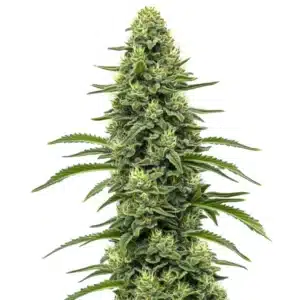
Northern Lights

|
THC | 17% (Medium) |

|
Type | Feminized |

|
Yield | Medium |

|
Phenotype | 90% Indica / 10% Sativa |

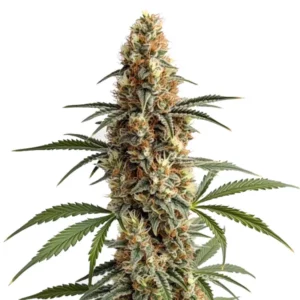
Blue Dream
|
|
THC | 17% - 24% (Medium) |
|
|
Type | Feminized |
|
|
Yield | High |
|
|
Phenotype | 50% Indica / 50% Sativa |
Another essential nutrient is magnesium. It plays a crucial role in photosynthesis and helps your plants use light effectively. Magnesium deficiency often shows up as yellowing between the veins of leaves, known as interveinal chlorosis. To combat this, consider magnesium supplements for cannabis leaf yellowing. These supplements can be found in various forms, including Epsom salts, which are easy to dissolve in water.
Iron: A Critical Nutrient
Iron deficiency is a common problem in cannabis cultivation. This nutrient is necessary for the formation of chlorophyll. Without it, your cannabis plants struggle to maintain their green color. This problem often arises in soil with a high pH level, which locks out iron from being absorbed by the plant.
To tackle iron deficiency, you can use iron chelates, which are a form of iron that is easily absorbed by plants. These supplements can be mixed with water and applied directly to the soil or as a foliar spray. If you’re growing strains like Northern Lights, known for their resilience, you’ll still want to ensure they receive adequate iron to avoid yellowing leaves.
Iron deficiency solutions for cannabis chlorosis not only help restore the vibrant green color of your plants but also enhance their overall vigor. By ensuring a consistent supply of iron, you can prevent the onset of chlorosis and support the robust development of your crops. This is particularly crucial during key growth phases when the demand for nutrients peaks.
Integrating iron into your nutrient regimen involves monitoring pH levels and ensuring that your growing medium allows for optimal nutrient uptake. Regularly checking for signs of deficiency and adjusting your nutrient mix accordingly can keep your plants healthy. This proactive approach is essential for maintaining cannabis plant vitality and maximizing yields.
Promos & Deals
Magnesium and Its Importance
When your cannabis plants show signs of chlorosis, magnesium might be the missing piece. Magnesium is a central component of chlorophyll molecules, and a deficiency can lead to yellowing leaves, impacting photosynthesis and overall plant health. For many growers, magnesium is considered one of the best nutrients to treat chlorosis in cannabis, especially when symptoms appear between leaf veins.
To fix this, magnesium supplements for cannabis leaf yellowing are your best bet. Epsom salt is a popular choice among growers for its ease of use and effectiveness. Dissolve it in water and apply it to the soil or use it as a foliar spray. This approach works well with strains like Blue Dream from Blimburn Seeds, which thrives when given proper care.
Magnesium plays a vital role in various plant processes beyond chlorophyll production. It aids in the activation of enzymes that are responsible for growth and energy production within the plant. This makes magnesium supplements for cannabis leaf yellowing an integral part of your nutrient management plan.
Regular application of magnesium can prevent deficiencies that might otherwise inhibit plant growth and lead to poor harvests. By maintaining adequate magnesium levels, you support the plant’s ability to efficiently utilize light, which is particularly beneficial for indoor growers relying on artificial lighting systems.
Addressing Sulfur Deficiency
Sulfur is another nutrient linked to chlorosis. It helps with amino acid production and overall plant metabolism. Without sufficient sulfur, your plants may exhibit yellowing leaves starting from the younger leaves, which can be confused with nitrogen deficiency.
To apply a cannabis chlorosis sulfur nutrient fix, consider using sulfur-based fertilizers. These are available in both liquid and granular forms, allowing flexibility in application. Strains like GG4 benefit from a balanced nutrient profile, including adequate sulfur, ensuring robust growth.
Incorporating sulfur into your feeding schedule not only helps prevent chlorosis but also enhances the plant’s natural defenses against environmental stress. Sulfur is a key component in the formation of certain plant proteins and enzymes, which play a role in stress tolerance and disease resistance.
The use of a cannabis chlorosis sulfur nutrient fix should be carefully monitored, as excessive application can lead to nutrient imbalances. By observing your plants and adjusting nutrient levels based on their responses, you can achieve a harmonious growth environment that supports optimal plant health.
Correcting Nitrogen Deficiency
Nitrogen is fundamental for plant growth, and its deficiency is a leading cause of chlorosis. Nitrogen helps in the formation of amino acids, which are the building blocks of proteins. Without enough nitrogen, cannabis plants cannot sustain healthy growth, making it one of the best nutrients to treat chlorosis in cannabis when deficiencies are properly identified and corrected.
Correcting nitrogen deficiency in cannabis chlorosis involves using nitrogen-rich fertilizers. These can come in organic forms like composted manures or synthetic options available in most gardening stores. When using such supplements, it’s essential to follow recommended dosages to avoid nutrient burn.
Applying nitrogen appropriately can significantly enhance the vegetative growth of your cannabis plants. It is crucial during the early stages of growth when plants are building the structural foundation needed for future flowering. Correcting nitrogen deficiency in cannabis chlorosis early ensures that your plants develop strong stems and lush foliage.
Monitoring nitrogen levels is vital, as both deficiency and excess can cause issues. Over-fertilization can lead to nutrient burn, characterized by browning leaf tips and edges. By knowing the specific needs of your plants, you can fine-tune nitrogen levels to promote healthy, vigorous growth.
Utilizing Zinc for Plant Health
Zinc is a micronutrient often overlooked but essential for cannabis health. It plays a role in enzyme production and hormonal regulation. A deficiency can lead to stunted growth and yellowing leaves, similar to other nutrient shortages.
For zinc micronutrient treatment for cannabis chlorosis, foliar sprays containing zinc can be effective. These sprays allow for direct absorption through the leaves, offering a quick fix for deficiency issues. Ensure you apply this treatment early in the morning or late in the afternoon to prevent leaf burn.
Zinc is particularly important during the early growth stages when cannabis plants are establishing their root systems and overall structure. Adequate zinc levels contribute to robust root development, which is essential for nutrient and water uptake. When selecting the best nutrients to treat chlorosis in cannabis, zinc plays a key role, as targeted zinc micronutrient treatment can lead to healthier, more resilient plants.
When applying zinc, precision is key. Over-application can cause toxicity, leading to darkening and curling of leaves. By carefully monitoring plant responses and adjusting zinc applications accordingly, you can maintain a balanced nutrient environment conducive to optimal plant health and productivity.
FAQs about best nutrients to treat chlorosis in cannabis
What are the best nutrients to treat chlorosis in cannabis?
The best nutrients to treat chlorosis in cannabis include iron, magnesium, sulfur, nitrogen, and zinc. Each plays a unique role in maintaining plant health and promoting the green color of the leaves. Iron and magnesium are particularly important because they are directly involved in chlorophyll production.
When addressing chlorosis, it’s crucial to identify the specific deficiency affecting your plants. This allows you to choose the most effective nutrient solution. Many growers find success using a combination of these nutrients to cover all bases.
Knowing the unique nutrient requirements of your cannabis plants at different growth stages can help tailor your approach to chlorosis prevention and treatment. Regular soil and plant tissue testing can provide insights into nutrient levels, enabling precise adjustments to your fertilization strategy.
Incorporating a diverse range of nutrients into your feeding schedule not only addresses current deficiencies but also prevents future issues. By maintaining a balanced and comprehensive nutrient profile, you can ensure the continued health and productivity of your cannabis cultivation endeavors.
Can iron deficiency solutions for cannabis chlorosis be used in any growing medium?
Yes, iron deficiency solutions for cannabis chlorosis can be used in various growing media, including soil, hydroponics, and coco. However, the application method may vary. In soil, you might add chelated iron directly to the medium, while in hydroponics, it can be mixed into the nutrient solution.
It’s important to monitor the pH level of your growing medium, as high pH can prevent iron absorption. Adjusting the pH to optimal levels can enhance the effectiveness of iron supplements, ensuring your plants receive the necessary nutrients.
By knowing the interactions between different nutrients and growing mediums, you can optimize the delivery of iron and other essential elements. This knowledge allows for more effective management of nutrient availability, reducing the risk of deficiencies and promoting robust plant growth.
Regularly testing both the pH and nutrient levels in your growing medium can provide valuable feedback on your cultivation practices. This data-driven approach enables timely adjustments, ensuring that your plants receive the best possible care and thrive in their environment.
How do magnesium supplements for cannabis leaf yellowing work?
Magnesium supplements for cannabis leaf yellowing work by providing the necessary magnesium that plants need for chlorophyll production and photosynthesis. When applied, these supplements are absorbed by the plant, correcting the deficiency and restoring leaf color.
Epsom salts are a common choice due to their affordability and ease of use. They dissolve in water, allowing for both soil drenching and foliar applications. Regular use can prevent magnesium deficiency from recurring.
Besides to correcting deficiencies, magnesium supplements can also enhance the plant’s ability to withstand environmental stressors. By supporting key physiological processes, magnesium contributes to the overall resilience and vigor of cannabis plants.
For growers using magnesium supplements for cannabis leaf yellowing, consistent monitoring of plant health and growth patterns is essential. This ensures that magnesium levels remain within the optimal range, promoting healthy development and maximizing yield potential.
Why is sulfur important in cannabis cultivation?
Sulfur is crucial for the production of amino acids, which are the building blocks of proteins. It also plays a role in plant metabolism and enzyme function. Without enough sulfur, cannabis plants may experience reduced growth and chlorosis.
Applying a cannabis chlorosis sulfur nutrient fix can help maintain healthy growth and enhance the plant’s flavor profile. Sulfur-based fertilizers are available in various forms, making them easy to incorporate into your nutrient regimen.
Beyond its role in plant growth, sulfur also contributes to the development of terpenes, which are responsible for the distinct aromas and flavors of cannabis. By integrating sulfur into your nutrient program, you can enhance both the quality and sensory appeal of your harvest.
When using sulfur fertilizers, it is important to balance them with other nutrients to prevent imbalances that could affect plant health. Regular observation and testing can guide adjustments, ensuring that sulfur levels support the best possible outcomes for your cannabis plants.
Is zinc a common nutrient deficiency in cannabis plants?
Zinc deficiency is less common than other nutrient shortages but can still affect cannabis plants. It typically results in stunted growth and yellowing leaves. Zinc is vital for enzyme production and helps regulate plant hormones.
To address this, zinc supplements can be used as part of a foliar spray or added to the nutrient solution. Ensuring your plants receive adequate zinc supports overall plant health and can contribute to higher yields.
Ensuring an adequate supply of zinc is particularly important during the flowering stage when the demand for nutrients increases. Zinc plays a role in the synthesis of certain plant growth regulators that are critical for flower development and maturation.
By incorporating zinc into a well-rounded nutrient strategy, you can prevent deficiencies that might compromise flower quality and yield. Regular assessments of plant health and nutrient levels can guide precise zinc applications, supporting the best possible outcomes for your cultivation efforts.