Top Cannabis Strains for Nutrient Efficiency

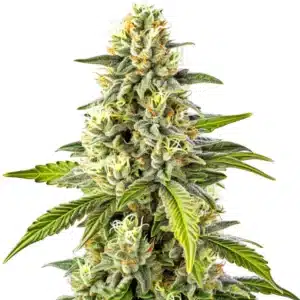
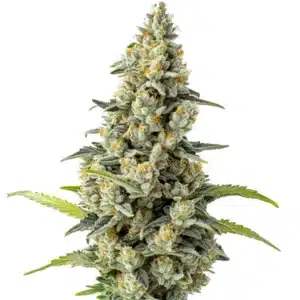
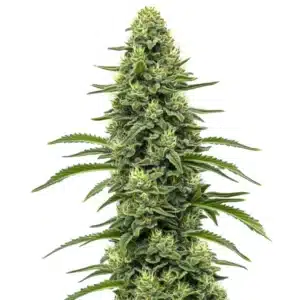
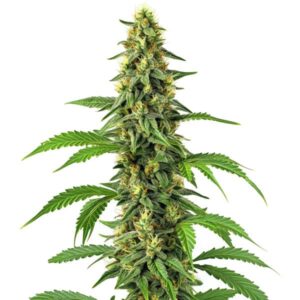
Optimize Your Grow: Selecting cannabis strains for nutrient efficiency can significantly reduce cultivation costs and resource use. Strains like Blue Dream and GG4 are known for thriving with minimal nutrient input, often reducing nutrient expenses by up to 30%. This makes them ideal for growers aiming to maximize yield while minimizing environmental impact.
When selecting cannabis strains for nutrient efficiency, it’s crucial to consider terpene profiles and flowering times. Strains like Blue Dream offer a sweet, fruity aroma due to its high myrcene content, while GG4 provides a rich, earthy scent with hints of pine. These strains typically flower within 8-10 weeks, making them efficient choices for growers.
Recommended Strains

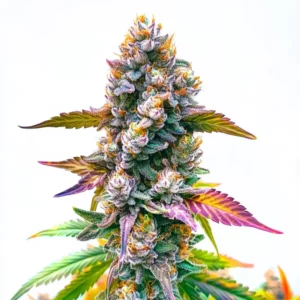
Blue Dream

|
THC | 17% - 24% (High) |

|
Type | Feminized |

|
Yield | High |

|
Phenotype | 50% Indica / 50% Sativa |

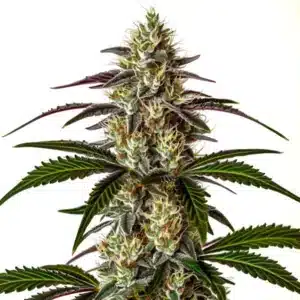
Northern Lights
|
|
THC | 17% (Medium) |
|
|
Type | Feminized |
|
|
Yield | High |
|
|
Phenotype | 90% Indica / 10% Sativa |
Nutrient Efficiency in Cannabis Cultivation
Defining Nutrient Efficiency
Nutrient efficiency in cannabis refers to a plant’s ability to maximize growth and yield with minimal nutrient input. This is crucial for reducing costs and environmental impact. Efficient strains utilize nutrients more effectively, leading to healthier plants and higher yields. Understanding the biological processes that govern nutrient uptake can help optimize cultivation practices.
Plants absorb nutrients through their roots, where they are transported to various parts of the plant. Efficient strains have a more robust root system, allowing them to absorb nutrients like nitrogen, phosphorus, and potassium more effectively. This results in better growth and higher yields, even with reduced nutrient input.
Benefits of Nutrient-Efficient Strains
Nutrient-efficient strains offer several advantages, including reduced cultivation costs and environmental impact. By requiring fewer nutrients, these strains help conserve resources and minimize waste. This is particularly beneficial for large-scale operations where nutrient costs can be significant.
For growers, the ability to achieve high yields with minimal nutrient input is a major advantage. This not only reduces costs but also simplifies the cultivation process, allowing growers to focus on other aspects of plant care, such as pest management and environmental control.
Biological Mechanisms Behind Nutrient Efficiency
The efficiency of nutrient uptake in cannabis plants is largely dependent on their root architecture and the presence of beneficial microorganisms in the soil. These microorganisms, such as mycorrhizal fungi, form symbiotic relationships with the plant roots, enhancing nutrient absorption. The fungi extend the root system, increasing the surface area for nutrient uptake. This symbiosis is particularly effective in nutrient-poor soils, where the fungi can access nutrients that are otherwise unavailable to the plant.
Additionally, efficient strains often exhibit a higher rate of photosynthesis, which is facilitated by optimal CO2 levels and light conditions. The increased photosynthetic activity allows the plant to convert more light into energy, which is then used to absorb and utilize nutrients more effectively. This process not only supports robust growth but also enhances the plant’s ability to resist environmental stresses.
Promos & Deals

Cultivation Tips for Nutrient-Efficient Strains
Nutrient Management Strategies
Managing nutrients effectively is crucial for maximizing the potential of nutrient-efficient strains. Start with a balanced N:P:K ratio of 3:1:2 during the vegetative stage and shift to 1:3:2 during flowering. This ensures optimal nutrient uptake and supports healthy growth.
Monitor the electrical conductivity (EC) of your nutrient solution, keeping it between 1.2-1.8 mS/cm during the vegetative stage and 1.8-2.4 mS/cm during flowering. This helps prevent nutrient burn and ensures plants receive the right amount of nutrients.
Environmental Considerations
Maintaining the right environmental conditions is essential for nutrient-efficient strains. Keep temperatures between 68°F – 77°F (20°C – 25°C) and humidity levels at 50-60% during the vegetative stage. This promotes healthy growth and prevents mold and pest issues.
During flowering, reduce humidity to 40-50% to prevent bud rot and enhance resin production. Proper ventilation and airflow are crucial to maintaining these conditions and ensuring optimal plant health.
Lighting and Photoperiod Management
Lighting plays a critical role in the growth and nutrient efficiency of cannabis plants. During the vegetative stage, provide 16-24 hours of high-intensity light to promote vigorous growth. For flowering, adhere to a strict 12/12 photoperiod, ensuring 12 hours of light followed by 12 hours of complete darkness. This cycle triggers the flowering process and maximizes yield potential.
The spectrum of light is also important, as it should mimic natural sunlight conditions. Using full-spectrum LED lights can enhance photosynthesis and improve nutrient uptake, contributing to the overall efficiency of the plant.
| Feature | Blue Dream | Northern Lights | GG4 |
|---|---|---|---|
| THC Content | 18-24% | 16-20% | 25-30% |
| Dominant Terpene | Myrcene | Caryophyllene | Pinene |
| Flowering Time | 9-10 weeks | 7-9 weeks | 8-9 weeks |
| Yield (Indoor) | 1.5-2 oz/ft² (450-600 g/m²) | 1.2-1.6 oz/ft² (350-500 g/m²) | 1.8-2.2 oz/ft² (500-650 g/m²) |
| Resilience | High | Very High | High |
Professional Tips for Growing Nutrient-Efficient Cannabis
- Maintain 58-62% RH during curing. This range preserves terpenes and prevents mold. Avoid RH below 55% as it can dry out the buds.
- Use a light schedule of 18/6 during the vegetative stage for autoflowers to maximize growth. Avoid 24/0 as it can stress plants.
- Keep pH levels between 6.0-6.5 in soil and 5.5-6.0 in hydroponics. Incorrect pH can lock out nutrients.
- Apply a foliar spray with a diluted nutrient solution at 0.5-1.0 mS/cm to boost nutrient uptake. Avoid spraying during flowering to prevent mold.
- Rotate strains to prevent pest resistance. Using the same strain repeatedly can lead to pest adaptation.
- Flush plants with pH-balanced water 1-2 weeks before harvest to improve flavor. Avoid flushing too early as it can reduce yield.

Frequently Asked Questions
What terpenes are good for fibromyalgia?
Terpenes like myrcene and linalool are beneficial for fibromyalgia. Myrcene, found in strains like Blue Dream, provides sedative effects and reduces inflammation. Linalool offers calming effects and pain relief. Both terpenes can enhance the therapeutic benefits of cannabis, making them ideal for managing fibromyalgia symptoms.
What is 444 fertilizer for cannabis?
444 fertilizer is a balanced nutrient mix containing equal parts nitrogen, phosphorus, and potassium. It’s suitable for the vegetative stage of cannabis growth, promoting healthy leaf and stem development. Use it at a rate of 1 tablespoon per gallon of soil to avoid nutrient burn.
What nutrients do professional cannabis growers use?
Professional growers often use a combination of macronutrients (NPK) and micronutrients like calcium and magnesium. They adjust nutrient ratios based on growth stages, using higher nitrogen during vegetative growth and more phosphorus and potassium during flowering. Monitoring EC and pH levels ensures optimal nutrient uptake.
How do nutrient-efficient strains impact environmental sustainability?
Nutrient-efficient strains reduce the need for fertilizers, lowering environmental impact. They decrease nutrient runoff, which can harm ecosystems. By using fewer resources, these strains support sustainable cultivation practices, contributing to a more eco-friendly cannabis industry.