Essential Best Practices for Growing Cannabis on Unknown Soil

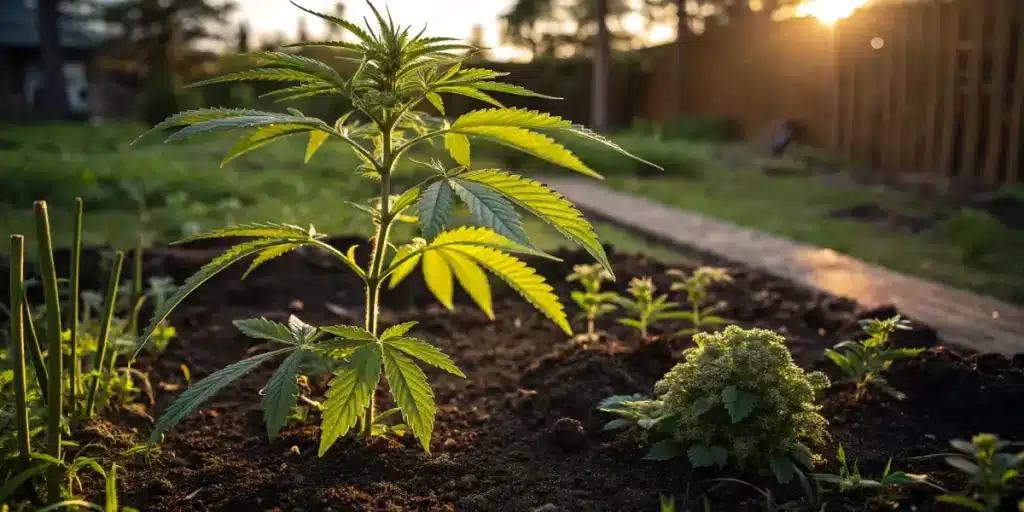
Growing cannabis on unknown soil can be a challenging task. However, with the right approach, you can turn this uncertainty into a successful growing experience. By following a few essential best practices for growing cannabis on unknown soil, you can ensure a healthy crop. Start by assessing the soil’s baseline. This involves observing its texture, drainage capacity, and initial fertility. Look for signs of compaction or poor drainage, as these can impede root development.
Once you’ve gauged the initial state of the soil, the next step is to incorporate organic soil amendments for cannabis growth. These amendments, such as compost or well-rotted manure, can significantly enhance the soil’s structure and nutrient content. They work by improving the microbial activity in the soil, which in turn aids in nutrient availability to your cannabis plants.
Recommended Strains

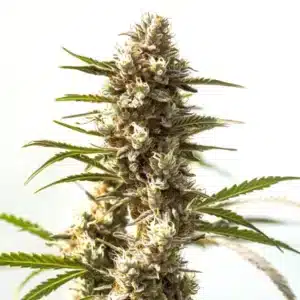
Blue Dream

|
THC | 17% - 24% (High) |

|
Type | Feminized |

|
Yield | High |

|
Phenotype | 50% Indica / 50% Sativa |

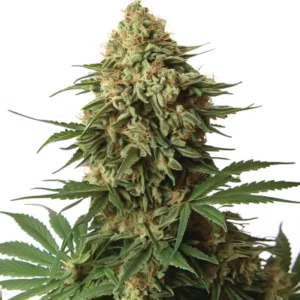
OG Kush
|
|
THC | 20% - 24% (High) |
|
|
Type | Feminized |
|
|
Yield | High |
|
|
Phenotype | 55% Indica / 45% Sativa |
Choosing the right cannabis strain is also crucial. Some strains are more adaptable to varying soil conditions. For instance, Blimburn Seeds Blue Dream is known for its resilience and adaptability, making it a suitable choice for uncertain soil environments. Keep these factors in mind as you prepare to cultivate cannabis on unknown soil.
Testing Unknown Soil for Cannabis Cultivation
Before planting, testing unknown soil for cannabis cultivation is vital. A simple soil test kit can provide insights into the soil’s pH level and nutrient content. Knowing these parameters helps in making informed decisions about amendments and fertilization strategies.
If the soil test reveals an acidic or alkaline pH, adjustments can be made. For example, if the soil is too acidic, adding lime can help balance the pH. Conversely, if it’s too alkaline, incorporating sulfur can lower the pH to a more suitable level for cannabis growth. Such adjustments are essential for optimizing cannabis yield in untested soil.
Besides to pH levels, a soil test can reveal other crucial factors such as salinity and organic matter content. High salinity can be detrimental to cannabis growth, necessitating measures like leaching to flush out excess salts. Meanwhile, assessing organic matter content can guide you in selecting the appropriate organic soil amendments for cannabis growth, ensuring the soil retains moisture and nutrients effectively.
Regular testing unknown soil for cannabis cultivation throughout the growing season can provide ongoing data to adjust your approach. This proactive measure helps you adapt to changes in soil conditions, ensuring that your cannabis plants receive the best possible care. Monitoring nutrient levels and pH regularly can prevent deficiencies and toxicities, safeguarding your investment in the crop.
Improving Drainage for Cannabis Plants in Unknown Soil
Proper drainage is crucial when growing cannabis, especially in unknown soil. Poor drainage can lead to waterlogged roots and nutrient deficiencies. One way to improve drainage is by adding perlite or sand to the soil mix. These materials increase aeration and prevent soil compaction.
Another strategy is to create raised beds or mounds. These structures elevate the root zone, enhancing drainage and preventing root rot. Additionally, planting on a slope can naturally assist with water runoff, further improving drainage for cannabis plants in unknown soil.
Improving drainage for cannabis plants in unknown soil can also involve strategic watering practices. Watering less frequently but more deeply encourages roots to grow deeper, accessing better-drained layers of soil. Mulching around the cannabis plants can help retain moisture while preventing surface runoff, maintaining a balanced soil moisture level.
Assessing the topography of your growing area can also be beneficial. Identifying natural water flow patterns allows you to position plants optimally, utilizing the land’s natural drainage properties. These best practices for growing cannabis on unknown soil can mitigate potential waterlogging issues and promote healthier root systems.
Promos & Deals



Cannabis Fertilization Strategies for Unknown Soil
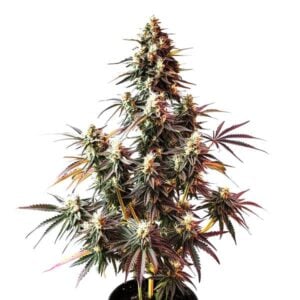
When it comes to fertilization, a balanced approach is key. Best practices for growing cannabis on unknown soil include implementing well-rounded cannabis fertilization strategies that address both macro and micronutrient needs. Begin with a balanced fertilizer that provides essential primary nutrients such as nitrogen, phosphorus, and potassium (N-P-K), ensuring your plants have a solid nutritional foundation even when soil conditions are uncertain.
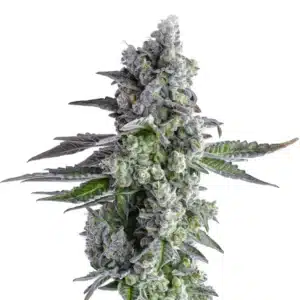
As the plants develop, adjust the nutrient mix based on their specific growth stage. During the vegetative stage, a higher nitrogen concentration promotes robust growth. As the plants transition to the flowering stage, increase phosphorus and potassium to support bud development. Blimburn Seeds GG4 strain thrives with this nutrient balance, making it another excellent choice for new growers.
Incorporating organic soil amendments for cannabis growth into your fertilization strategy can enhance nutrient availability. Materials like worm castings not only provide essential nutrients but also promote beneficial microbial activity that aids in nutrient uptake. This synergy between organic amendments and fertilizers can lead to more vigorous plant growth.
Regularly monitoring plant health is essential to fine-tune your cannabis fertilization strategies for unknown soil. Observing leaf color, growth patterns, and overall plant vigor can alert you to potential nutrient imbalances. Adjusting your fertilization plan based on these observations ensures that your cannabis plants receive the tailored nutrition they need at each growth stage.
Organic Soil Amendments for Cannabis Growth
Using organic soil amendments for cannabis growth is a sustainable way to enrich unknown soil and follows the best practices for growing cannabis on unknown soil. Compost is a widely recommended amendment, as it not only enhances nutrient content but also improves soil structure and boosts water retention.
Another effective amendment is worm castings. Rich in beneficial microbes and nutrients, worm castings support healthy root development and improve soil fertility. They can be mixed into the planting area or used as a top dressing throughout the growing season.
Biochar is also gaining popularity among cannabis growers. This charcoal-like material improves soil aeration and nutrient retention while promoting beneficial microbial life. Incorporating biochar into your soil can significantly enhance cannabis growth, especially in untested soil conditions.
Organic soil amendments for cannabis growth also include materials like peat moss and green manure. Peat moss improves soil acidity and moisture retention, making it an excellent amendment for balancing soil pH. Green manure, grown and tilled back into the soil, enriches the soil with organic matter and improves its overall structure, creating a fertile environment for cannabis cultivation.
Optimizing Cannabis Yield in Untested Soil
To optimize cannabis yield in untested soil, it’s important to implement a regular monitoring routine. This includes observing plant health, checking for signs of nutrient deficiency, and adjusting care practices accordingly. Keep an eye out for yellowing leaves or stunted growth, as these may indicate a need for nutrient adjustments.
Training techniques such as topping and low-stress training (LST) can also help maximize yield. These methods encourage bushier growth, allowing more buds to receive adequate light. Blimburn Seeds OG Kush responds well to these techniques, offering an abundant harvest when properly managed.
Knowing the microclimate of your growing area can play a pivotal role in optimizing cannabis yield in untested soil. Factors like sunlight exposure, wind patterns, and temperature fluctuations affect plant growth. Tailoring your growing practices to match these conditions can enhance plant resilience and productivity.
Additionally, employing pest management strategies is crucial to protect your crop. Integrated pest management (IPM) involves using biological controls, cultural practices, and minimal chemical interventions to manage pests. This holistic approach ensures your cannabis plants remain healthy, contributing to a successful yield.
FAQs about best practices for growing cannabis on unknown soil
What are the first steps to take when growing cannabis on unknown soil?
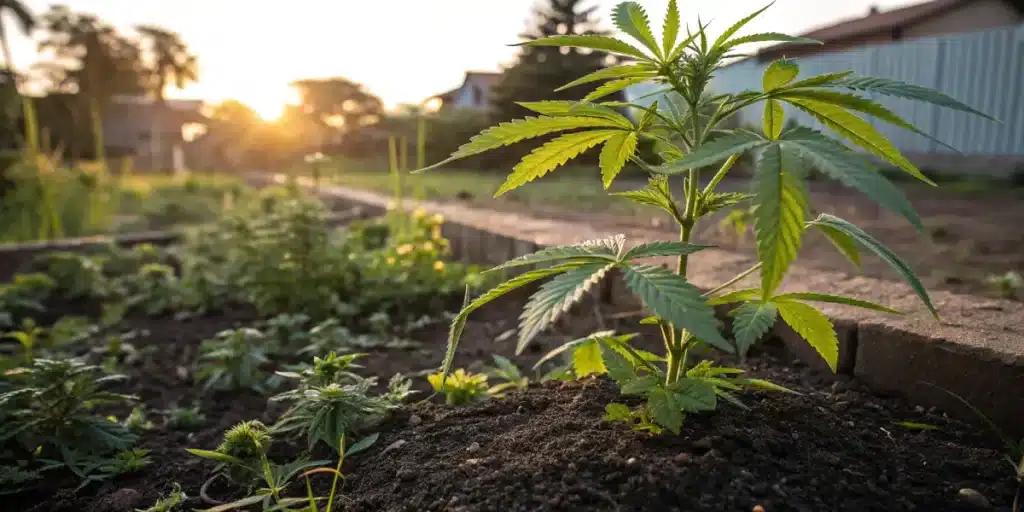
The first step is to assess the soil’s condition. Look at its texture, drainage, and initial fertility. Conduct a soil test to understand its pH and nutrient levels. This will guide your initial amendments and fertilization plan.
Next, improve the soil with organic amendments like compost or well-rotted manure. These enrich the soil with nutrients and improve its structure, setting a strong foundation for cannabis growth.
Knowing local climate conditions is also vital. Factors such as average temperature, rainfall, and humidity can influence your choice of cannabis strain and growing techniques. Selecting strains known for their adaptability, such as those from Blimburn Seeds, can increase your chances of success.
Implementing a structured watering schedule is another essential step. Unknown soil may have unpredictable water retention properties, making it crucial to monitor moisture levels closely. This ensures your cannabis plants receive consistent hydration without the risk of overwatering.
How can I improve drainage in unknown soil?
Improving drainage is crucial. Incorporate materials like perlite or sand into the soil to enhance aeration and reduce compaction. This allows excess water to drain away, preventing root rot.
Consider creating raised beds or planting on a slope. These methods naturally improve drainage by elevating the root zone and facilitating water runoff.
Installing a simple drainage system, such as French drains, can also be effective. These systems redirect excess water away from your growing area, maintaining optimal moisture levels. Additionally, using containers with drainage holes can provide better control over water flow for individual plants.
Testing unknown soil for cannabis cultivation regularly can help you gauge drainage effectiveness. By monitoring how quickly water percolates through the soil, you can make informed decisions about further amendments or structural changes to improve drainage.
Which cannabis strains are best for growing in unknown soil?
Strains that are adaptable to varying conditions are ideal. Blimburn Seeds Blue Dream, GG4, and OG Kush are excellent choices. These strains are resilient and can thrive even in less-than-ideal soil conditions.
Each strain has its unique characteristics. For instance, Blue Dream is known for its adaptability and robust growth, making it a favorite among growers dealing with unpredictable soil.
Besides to Blue Dream, GG4 is renowned for its vigorous growth and high yield potential, even in suboptimal soil conditions. OG Kush offers a balance of resilience and potency, making it a versatile choice for growers facing the challenges of unknown soil.
These strains have been bred to withstand various environmental stresses, making them suitable for growers seeking to optimize cannabis yield in untested soil. By selecting the right strain, you can improve your chances of a successful harvest despite soil uncertainties.
What should I consider for fertilizing cannabis in unknown soil?
Begin with a balanced N-P-K fertilizer. Adjust the nutrient mix based on the plant’s growth stage. During vegetative growth, emphasize nitrogen. As the plant flowers, increase phosphorus and potassium for bud development.
Monitor plant health regularly. Look for signs of nutrient deficiency, such as yellowing leaves, and adjust your fertilization strategy as needed.
Incorporating slow-release fertilizers can provide a steady supply of nutrients, reducing the risk of over-fertilization. These fertilizers gradually release nutrients over time, aligning with the plant’s growth phases, thus supporting sustainable cannabis fertilization strategies for unknown soil.
Utilizing foliar feeding as a supplemental nutrition strategy can also be beneficial. This involves spraying a nutrient solution directly onto the leaves, allowing for quick nutrient absorption. It can be particularly useful if soil nutrient uptake is impaired, ensuring your plants remain healthy and vigorous.
How can organic amendments help cannabis growth in unknown soil?
Organic amendments like compost improve soil structure, nutrient content, and water retention. They support beneficial microbial activity, which enhances nutrient availability to plants.
Worm castings and biochar are also valuable. They enrich the soil with nutrients and improve its aeration and fertility, providing a conducive environment for cannabis growth.
Incorporating green manure into your soil management plan can further enhance fertility. By growing specific plants and tilling them back into the soil, you can increase organic matter content and improve soil health, setting the stage for successful cannabis cultivation.
Organic soil amendments for cannabis growth also contribute to a more sustainable growing practice. By reducing reliance on synthetic fertilizers, you not only promote environmental health but also cultivate cannabis in a way that aligns with organic farming principles, ensuring a healthier crop and ecosystem.