Optimized Outdoor Grow Nutrient Schedule for Cannabis

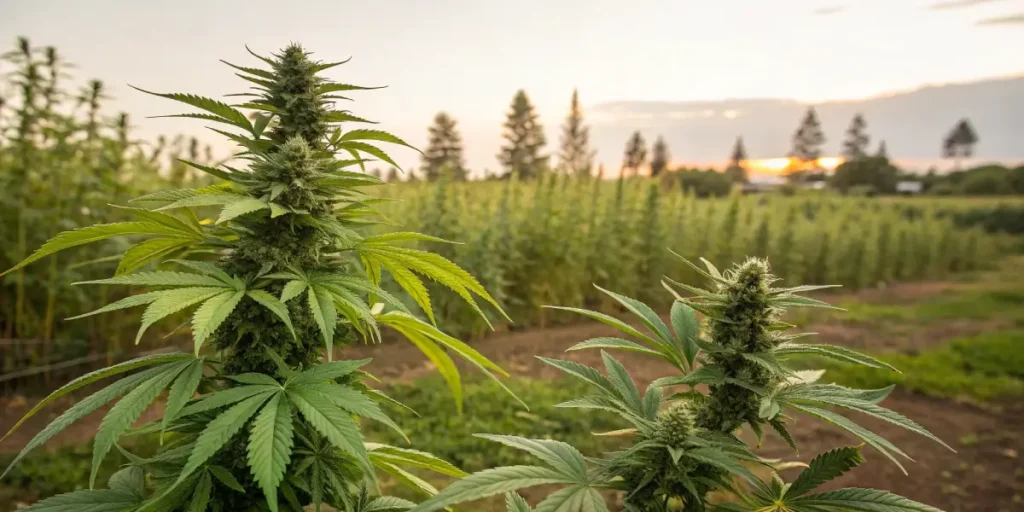
Optimal nutrient balance: For outdoor cannabis cultivation, a well-structured nutrient schedule is vital. During the vegetative phase, prioritize nitrogen, while the flowering stage requires increased phosphorus and potassium. Adjusting nutrient levels according to growth stages can enhance yields by up to 20%. This strategic approach ensures robust plant health and maximizes yield potential throughout the growing season.
Crafting a nutrient schedule tailored for outdoor cannabis involves understanding terpene profiles and flowering timelines. Terpenes like Myrcene and Limonene, each with unique effects, influence plant aroma and growth. Flowering time varies, often ranging from 8 to 12 weeks, depending on strain genetics. By aligning nutrient delivery with these factors, you ensure a thriving outdoor crop.
Recommended Strains

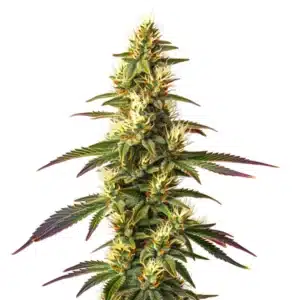
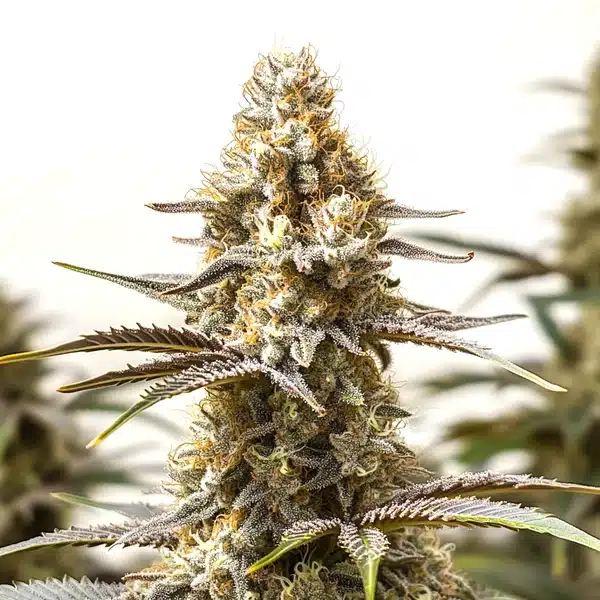
Lemon Tree

|
THC | 18% - 23% (Medium) |

|
Type | Feminized |

|
Yield | High |

|
Phenotype | 45% Indica / 55% Sativa |
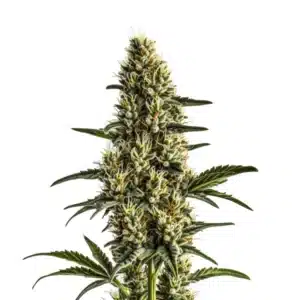
Lemon Tree x Amnesia
|
|
THC | 19% - 24% (High) |
|
|
Type | Feminized |
|
|
Yield | High |
|
|
Phenotype | 40% Indica / 60% Sativa |
Outdoor Cannabis Nutrient Needs
Key Growth Stages and Their Nutrient Requirements
Cannabis plants undergo distinct growth stages, each demanding specific nutrient profiles. During the vegetative stage, nitrogen (N) is crucial for leaf and stem development. A typical N:P:K ratio of 3:1:2 supports robust growth. Transitioning to the flowering phase, phosphorus (P) and potassium (K) become essential, shifting the ratio to 1:3:2 to enhance bud formation.
Monitoring plant health through visual cues and soil tests is critical. For instance, nitrogen deficiency manifests as yellowing leaves, while phosphorus deficiency can cause darkening and curling. Regular soil pH checks, ideally between 6.5 for soil and 5.5-6.5 for hydroponics, ensure optimal nutrient uptake, preventing lockout and maximizing plant vigor.
Differences Between Vegetative and Flowering Phases
The vegetative phase focuses on rapid growth and structural development, requiring abundant nitrogen. In contrast, the flowering phase shifts focus to reproductive growth, necessitating increased phosphorus and potassium for bud development. This transition is marked by a change in nutrient demands, with nitrogen levels reduced to prevent excessive vegetative growth.
Fine-tuning your nutrient schedule to accommodate these phases prevents common issues like nutrient burn or deficiency. For example, excessive nitrogen during flowering can delay bud formation, while insufficient phosphorus can stunt flower development. Adapting nutrient ratios ensures healthy, productive plants throughout the growth cycle.
Promos & Deals
Crafting Your Outdoor Grow Nutrient Schedule
Essential Nutrients for Outdoor Cannabis
Outdoor cannabis cultivation relies heavily on the three primary nutrients: nitrogen, phosphorus, and potassium. Nitrogen supports vegetative growth, phosphorus aids in root and flower development, and potassium enhances overall plant health. Secondary nutrients like calcium and magnesium also play vital roles in plant metabolism and resilience.
Integrating these nutrients into your schedule involves selecting high-quality products tailored to your soil and climate. Regular soil testing allows for adjustments in nutrient concentrations, ensuring your plants receive balanced nutrition. This proactive approach supports sustainable growth and maximizes yield potential.
Customizing Based on Soil and Climate
Every outdoor garden is unique, with soil composition and climate affecting nutrient uptake. Customizing your nutrient schedule to local conditions is crucial. Soil tests reveal pH levels and nutrient deficiencies, guiding adjustments in nutrient ratios and application frequency.
Climate factors, such as temperature and humidity, also influence nutrient needs. In warmer climates, increased nutrient uptake may require more frequent applications, while cooler temperatures may slow absorption. Tailoring your schedule to these variables ensures efficient nutrient use and optimal plant health.
| Feature | Northern Lights 10 | White Lsd Auto | Hawaiian Snow |
|---|---|---|---|
| THC Content | 20-27% | 20-24% | 18-22% |
| Dominant Terpene | Myrcene | Limonene | Pinene |
| Flowering Time | 8-10 weeks | 8-9 weeks | 10-12 weeks |
| Yield | 1.5-1.8 oz/ft² (450-550 g/m²) | 18-22 oz/plant (510-620 g/plant) | 20-24 oz/plant (570-680 g/plant) |
| Effect | Relaxing | Euphoric | Uplifting |
Timing and Frequency of Nutrient Applications
Weekly Feeding Patterns for Vegetative Growth
During the vegetative phase, cannabis plants benefit from consistent weekly feedings. A balanced nutrient mix with an N:P:K ratio of 3:1:2 supports rapid growth. Monitoring water quality and nutrient concentration is essential to prevent overfeeding, which can lead to nutrient burn.
Maintaining a regular feeding schedule ensures your plants receive steady nutrition, promoting vigorous vegetative growth. Regular observations of plant health, such as leaf color and vigor, help determine if adjustments are needed. This approach lays a solid foundation for the flowering phase.
Adjustments for the Flowering Stage
As plants transition to the flowering stage, nutrient demands shift. Reducing nitrogen while increasing phosphorus and potassium supports bud development and resin production. Adjust feeding frequency and nutrient concentration to match the slower growth rate during this phase.
Environmental factors, such as temperature and humidity, can influence nutrient uptake. Fine-tuning your nutrient schedule during flowering prevents issues like nutrient burn or deficiency. Consistent attention to these adjustments results in higher quality yields.
Monitoring and Adjusting Your Nutrient Schedule
Recognizing Signs of Overfeeding and Underfeeding
A well-managed nutrient schedule requires vigilance. Overfeeding can cause burnt leaf tips, while underfeeding leads to slow growth and pale leaves. Recognizing these signs early allows for timely adjustments, ensuring balanced nutrition and robust plant health.
Regular monitoring through visual checks and soil tests is essential. A balanced nutrient schedule promotes steady growth without adverse effects from over- or underfeeding. Proactive management supports a healthy, productive garden.
Fine-Tuning Nutrient Ratios Based on Plant Feedback
Your nutrient schedule should be flexible to adapt to plant needs. Subtle changes in leaf color and growth rate provide feedback for fine-tuning nutrient ratios. Small, gradual adjustments are more effective than drastic shifts, maintaining a balanced environment for growth.
Regular feedback from plants, combined with soil test results, guides informed adjustments. This adaptive approach keeps your nutrient schedule dynamic and responsive, ensuring a resilient and productive garden throughout the season.
Professional Tips for Outdoor Cannabis Nutrient Management
- Maintain a soil pH of 6.5 for optimal nutrient uptake. Deviations can lead to nutrient lockout, stunting growth. Use a digital pH meter for accuracy.
- Apply nutrients when soil moisture is between 50-70%. Overly dry or saturated soil affects absorption. Use a moisture meter to check levels.
- Incorporate calcium and magnesium supplements if leaf yellowing occurs. These deficiencies are common in outdoor grows and can hinder photosynthesis.
- Adjust nutrient concentrations based on temperature. Higher temps increase uptake, requiring more frequent applications. Monitor with a reliable thermometer.
- Use organic fertilizers to enhance soil health. Chemical fertilizers can degrade soil quality over time, reducing future yields.
- Track plant growth rates to refine your schedule. Faster growth may necessitate increased nutrient delivery. Keep detailed records for precision.

FAQs about Outdoor Grow Nutrient Schedule
What week do buds fatten the most?
Buds typically fatten most during the final 3-4 weeks of flowering. This period, often referred to as the “ripening phase,” sees increased resin and terpene production. Maintaining optimal nutrient levels, particularly phosphorus and potassium, during this time is crucial for maximizing bud density and potency.
How to fatten buds outdoors?
To fatten buds outdoors, focus on increasing phosphorus and potassium during the flowering stage. Ensure your plants receive adequate sunlight, ideally 10-12 hours per day, and maintain soil moisture levels around 50-70%. Regularly monitor plant health and adjust nutrient levels based on growth feedback.
What fertilizer makes buds bigger?
Fertilizers high in phosphorus and potassium, such as a 1:3:2 N:P:K ratio, are effective for enlarging buds. These nutrients support flower development and resin production. Ensure a balanced nutrient schedule to avoid deficiencies that could hinder bud growth.
Can I use compost tea in my outdoor grow?
Yes, compost tea can be beneficial for outdoor grows. It enhances soil microbial activity, improving nutrient uptake and plant health. Apply it every 2-3 weeks during the vegetative and flowering stages. Ensure the tea is well-aerated to maximize its effectiveness.
How does climate affect nutrient uptake?
Climate significantly impacts nutrient uptake. Warmer temperatures increase metabolic rates, requiring more frequent nutrient applications. Conversely, cooler climates slow growth, reducing nutrient needs. Adjust your schedule based on temperature and humidity to optimize plant health.