Integrating Aw into Cannabis HACCP-Style Plans

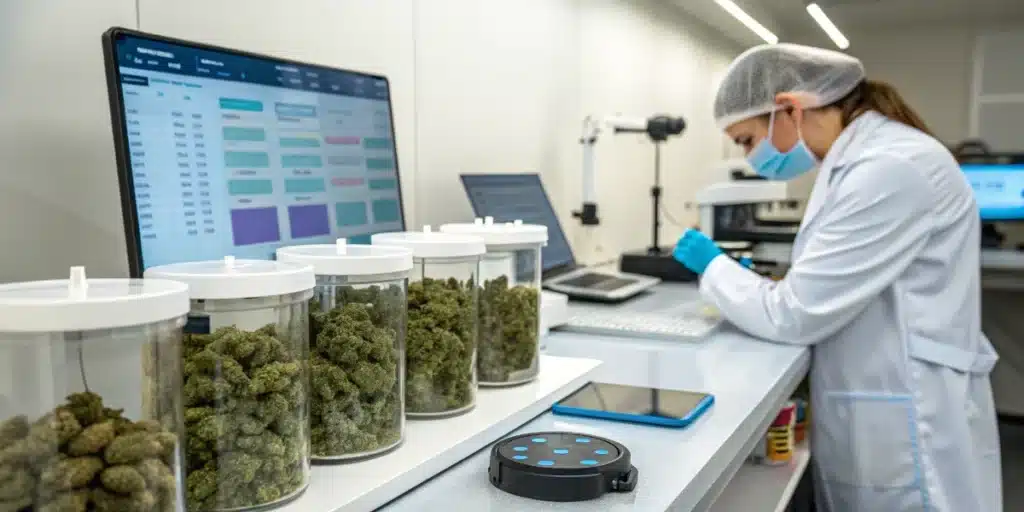
Integrating Aw into Cannabis HACCP-Style Plans: Incorporating water activity (Aw) into cannabis HACCP-style plans is essential for maintaining product safety and quality. By controlling Aw, cultivators can prevent microbial growth, thus extending shelf life. Experienced growers have noted that effective Aw management can reduce spoilage by up to 30%, making it a critical component of any HACCP plan.
Water activity (Aw) plays a pivotal role in cannabis cultivation, influencing both terpene profiles and flowering time. By managing Aw effectively, cultivators can enhance the aromatic and flavor qualities of their cannabis. This approach not only optimizes the sensory experience but also supports the plant’s development throughout its growth cycle, ensuring a robust yield.
Recommended Strains

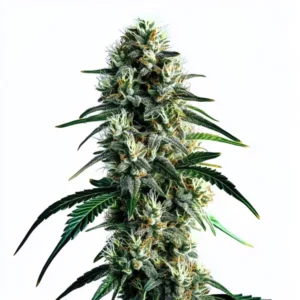
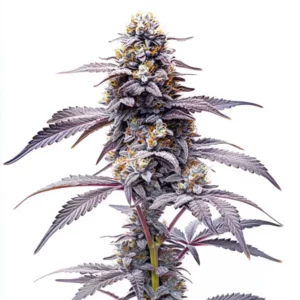
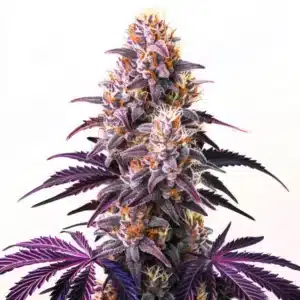
Ghost Train Power

|
THC | 28% - 30% (High) |

|
Type | Feminized |

|
Yield | High |

|
Phenotype | 20% Indica / 80% Sativa |

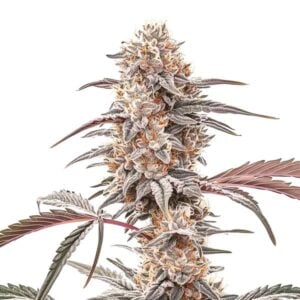
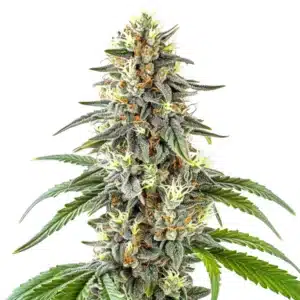
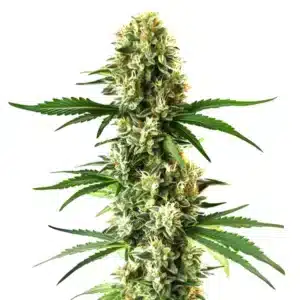
Coma
|
|
THC | 24% - 26% (High) |
|
|
Type | Feminized |
|
|
Yield | High |
|
|
Phenotype | 60% Indica / 40% Sativa |
Water Activity (Aw) in Cannabis
Importance of Aw in Cannabis Safety
Water activity (Aw) is a measure of the free moisture in a product, crucial for determining its susceptibility to microbial growth. In cannabis, maintaining Aw between 0.55 and 0.65 is optimal to prevent mold and bacteria, ensuring product safety. This range is critical as Aw above 0.70 can lead to rapid microbial proliferation, compromising the crop.
Experienced cultivators emphasize that Aw management directly impacts the shelf life and quality of cannabis. By keeping Aw within the recommended range, growers can reduce spoilage risks by up to 30%, enhancing both safety and economic returns. This practice aligns with the principles of HACCP, focusing on hazard prevention.
Promos & Deals
Developing HACCP-Style Plans for Cannabis
Key Principles of HACCP
HACCP (Hazard Analysis Critical Control Point) is a systematic approach to food safety that can be adapted to cannabis production. The USDA food safety plan principles, such as identifying critical control points and establishing monitoring procedures, ensure comprehensive oversight. Understanding FDA juice HACCP regulation helps in aligning cannabis safety protocols with industry standards.
Incorporating HACCP guidelines into cannabis production involves customizing these principles to address specific risks, such as microbial contamination and moisture control. This adaptation ensures that cannabis products meet safety standards, protecting both consumers and producers from potential hazards.
Maintaining a Detailed HACCP Log Book
Maintaining a detailed HACCP log book is essential for tracking compliance and adjustments in cannabis production. This log book should document all critical control points, monitoring activities, and corrective actions. It serves as a record for both internal audits and regulatory inspections, ensuring transparency and accountability.
Retail HACCP practices provide a framework that can be tailored to cannabis operations, emphasizing the importance of documentation in maintaining safety standards. By regularly updating the HACCP log book, producers can quickly identify and address potential issues, minimizing risks and ensuring product quality.
| Feature / Merkmal | Super Silver Haze | Ghost Train Power | Coma |
|---|---|---|---|
| THC Content | 22-24% | 28-30% | 24-26% |
| Dominant Terpene | Myrcene | Caryophyllene | Caryophyllene |
| Aroma Profile | Citrus, Herbal, Skunk | Spicy, Sweet, Woody | Cheese, Citrus, Sweet |
| Yield Indoor | 1.64 – 2.13 oz/ft² | 500 – 650 g/m² | 1.97 oz/ft² | 600 g/m² | 1.47 – 1.8 oz/ft² | 450 – 550 g/m² |
| Flowering Time (weeks) | 8 – 10 weeks | 8 – 9 weeks | 8 – 10 weeks |
Integrating Aw into HACCP Plans
Step-by-Step Guide to Implementation
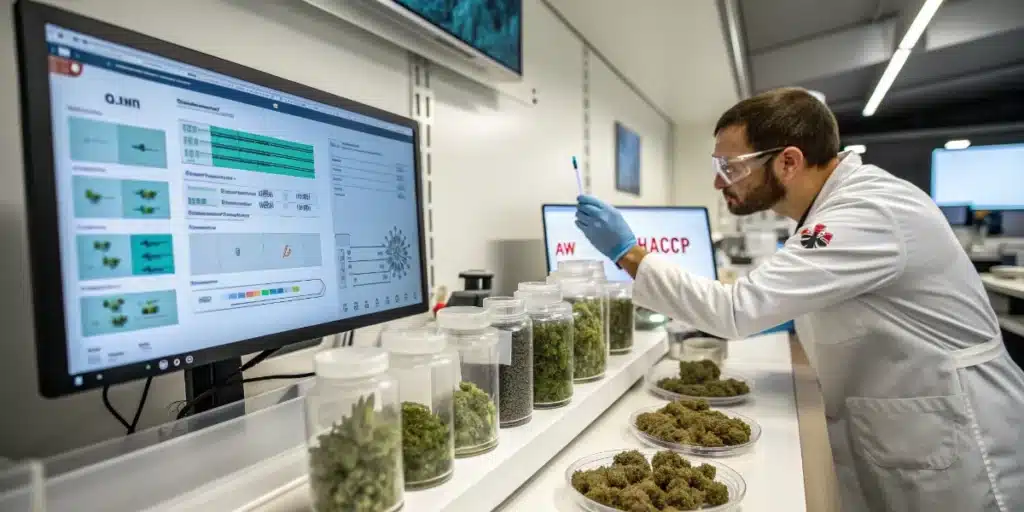
Integrating Aw into HACCP plans involves several key steps. First, identify critical control points where Aw can be monitored and controlled. Implementing HACCP effectively requires a thorough understanding of cannabis-specific risks, such as moisture content and microbial contamination.
Retail HACCP practices can be adapted to cannabis by establishing monitoring procedures for Aw at each critical control point. Regular calibration of Aw measuring devices ensures accuracy, preventing deviations that could compromise product safety.
Common Challenges and Solutions
One of the common challenges in integrating Aw into cannabis HACCP plans is the misinterpretation of HACCP guidelines. This can lead to compliance issues, affecting both product quality and safety. To address this, it’s essential to provide thorough training for staff on Aw management and HACCP principles.
Lessons from basic seafood HACCP can be applied to address moisture control in cannabis, ensuring that Aw remains within the safe range. By understanding these principles, growers can effectively manage risks, enhancing both product quality and consumer safety.
Professional Tips for Integrating Aw
- Maintain Aw between 0.55 and 0.65 to prevent mold. Above 0.70 promotes microbial growth within 48 hours.
- Regularly calibrate Aw measuring devices to ensure accuracy. Inaccurate readings can lead to compliance issues.
- Document all Aw measurements in the HACCP log book. This ensures traceability and accountability.
- Train staff on the importance of Aw management. Misinterpretations can lead to product safety risks.
- Adapt retail HACCP practices to cannabis by focusing on moisture control. This minimizes spoilage and enhances safety.
- Use lessons from seafood HACCP to address moisture-related risks. This ensures comprehensive risk management.
FAQs on Integrating Aw into Cannabis HACCP Plans
What is water activity (Aw) in cannabis?
Water activity (Aw) in cannabis measures the free moisture available for microbial growth. It ranges from 0.55 to 0.65 for optimal safety, preventing mold and bacteria. Maintaining Aw within this range is essential to ensure product quality and extend shelf life, reducing spoilage by up to 30%.
How do you develop a HACCP plan for cannabis?
Developing a HACCP plan for cannabis involves identifying critical control points, establishing monitoring procedures, and documenting all actions in a HACCP log book. This ensures comprehensive oversight and compliance with safety standards, reducing risks associated with microbial contamination.
What are the key principles of HACCP?
The key principles of HACCP include hazard analysis, identifying critical control points, establishing monitoring procedures, and maintaining detailed documentation. These principles ensure product safety by preventing hazards, such as microbial contamination, through systematic risk management.
What challenges do cannabis producers face with HACCP?
Cannabis producers often face challenges with HACCP, such as misinterpretations of HACCP guidelines and maintaining accurate Aw measurements. These can lead to compliance issues and product safety risks, making thorough training and regular device calibration essential.
How can USDA food safety plans be adapted to cannabis?
USDA food safety plans can be adapted to cannabis by focusing on moisture control and microbial risks. By aligning cannabis safety protocols with USDA principles, producers can ensure comprehensive oversight and compliance, enhancing both product quality and consumer safety.