How To Grow Somango Regular

What’s up, fellow cultivator! Ready to grow a strain that feels like a tropical vacation in every jar? We are talking about Somango Regular, the elite powerhouse born from a legendary trio: Super Skunk, Jack Herer, and Big Skunk Korean.
Commonly referred to as “The Beast,” this strain is a favorite in our community for its mouthwatering mango aroma and stunning, dense buds. Because these are Regular seeds, you have the added benefit of potentially finding a strong male for your own breeding projects! I’m here to educate you and help you nurture this fruity legend from seed to a resinous, tropical harvest. Let’s get to work!
Recommended Strains
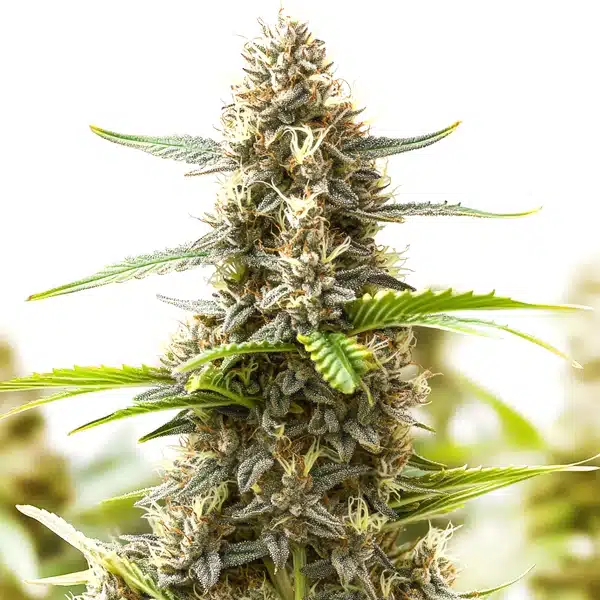
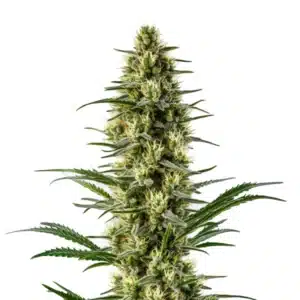
Somango Regular

|
THC | 21% - 23% (Medium) |

|
Type | Regular |

|
Yield | High |

|
Phenotype | 90% Indica / 10% Sativa |

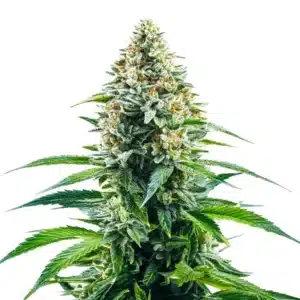
Somango
|
|
THC | 16% - 21% (Medium) |
|
|
Type | Feminized |
|
|
Yield | Medium |
|
|
Phenotype | 75% Indica / 25% Sativa |
From Seed to a Pungent, Tropical Harvest: The Step-by-Step
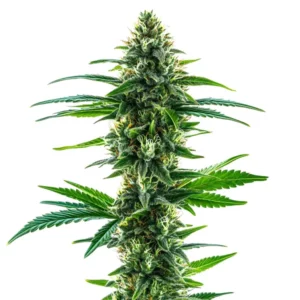
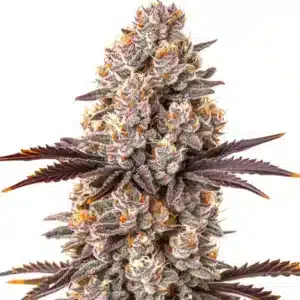
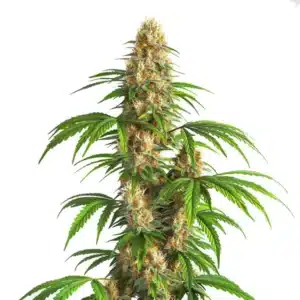
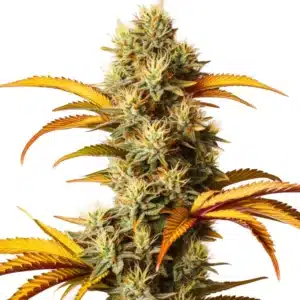
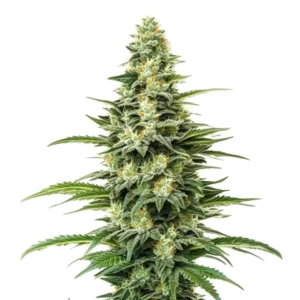
Somango Regular is a robust grower that rewards precision. It produces a bushy structure with broad leaves that can turn beautiful shades of purple and red in cooler climates.
Germination: The Spark of Life
Quality starts at the beginning. Use the paper towel method for a high success rate with these stable genetics.
- Soak: Drop seeds in a glass of water for 12–16 hours to soften the shell.
- The Sandwich: Place them between damp paper towels in a warm (70–80°F), dark spot.
- The Pop: Within 24–48 hours, the white taproot will emerge. Handle it like a diamond when moving it to your starter pots!
The Vegetative Stage: Building the Chassis
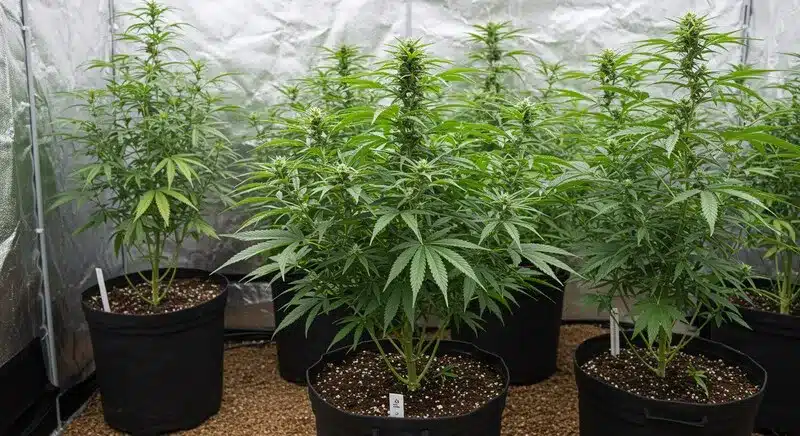
During veg, Somango focuses on building a sturdy, bushy frame. It loves to branch out, so give it room to breathe!
- Lighting: Keep your lights on an 18/6 cycle. Full-spectrum LEDs are ideal to promote tight internodal spacing.
- Feeding: This strain loves Nitrogen (N) during this phase to build lush, healthy foliage.
- Training: This plant responds incredibly well to Topping and Low-Stress Training (LST). Because it gets bushy, opening up the canopy ensures light reaches the lower nodes, maximizing your budding sites.
The Flowering Stage: The Aromatic Bloom
Switch to a 12/12 light cycle to trigger the transformation. This phase typically lasts 8–10 weeks.
- Gender Identification: Since these are regular seeds, keep a close eye on the nodes. Look for white hairs (pistils) for females and small balls (pollen sacs) for males. Separate them immediately unless you want seeds!
- Aroma: A pungent symphony of sweet mango, citrus, and earthy musk will fill the air. Ensure your carbon filter is fresh!
- Nutrients: Switch to a “Bloom” formula high in Phosphorus (P) and Potassium (K) to fatten those resinous colas.
- Humidity Check: Drop your humidity to 30–40% during the final weeks. Somango buds are dense; moisture is the enemy that brings mold!
Promos & Deals
Indoor vs. Outdoor: Choosing Your Arena
Growing Indoors
Indoor setups allow you to dial in the perfect “Tropical” climate for peak resin production.
- Height: Manageable! Expect plants to stay between 100 to 140 cm (approx. 3.2–4.5 feet).
- Yield: A rewarding 400–450 grams per square meter.
- Environment: Maintain a stable 70–85°F range. Use oscillating fans to strengthen stems and keep air moving through the dense foliage.
Growing Outdoors
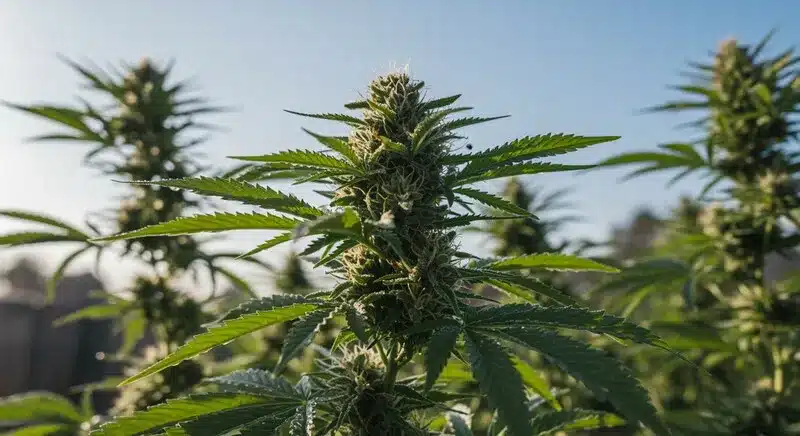
Under the sun, Somango Regular can express its full genetic potential and massive stature.
- Height: Can soar over 200 cm (6.5 feet) in optimal conditions.
- Yield: Very substantial, often exceeding 500 grams per plant.
Best U.S. Cities:
- San Diego, CA: The Mediterranean climate and consistent sun are perfect for its resin-heavy finish.
- Miami, FL: Thrives in the heat, but you must manage high humidity carefully to prevent mold.
- Portland, OR: Excellent for indoor/controlled grows where you can mimic a long summer.
Pro-Level Playbook: Cloning and Sustainability
Cloning: Replicate the Beast
Found a female phenotype with that perfect “Mango” funk? Clone it!
- Select: Take a 4–6 inch cutting from a healthy vegetative branch.
- Cut: Make a 45-degree angle cut below a node.
- Dip: Use a high-quality rooting hormone.
- Protect: Place in a humidity dome (70–80% RH). Roots usually show in 10–14 days.
What to Do With Your Trim?
A sustainable grower wastes nothing! Somango is a trichome factory, and the “waste” is gold.
Use your sugar leaves and trimmings for Ethanol Extraction or Bubble Hash. The tropical terpene profile makes for incredible-tasting concentrates. You can also compost the stalks or use them for Hemp-based crafts.
The Grand Finale: Harvest, Dry & Cure
Don’t rush the finish line! Use a loupe to check the trichomes. When they are mostly milky white with a splash of amber, it’s time.
- The Chop: Cut the plant at the base and remove large fan leaves.
- The Slow Dry: Hang branches upside down in a dark, cool room (60–70°F) for 7–14 days. Stems should “snap” rather than bend.
- The Cure: Place buds in glass jars. “Burp” them daily for the first week. A 4-to-8 week cure will transform the flavor from “grassy” into a smooth, legendary mango experience.
Frequently Asked Questions
Is Somango Regular good for beginners?
Yes! It is robust and resilient. Just be ready to identify males and manage the humidity in its dense canopy.
What are the effects really like?
It is a “creative relaxation” specialist. It starts with a happy, euphoric lift (Jack Herer influence) and finishes with a calming body high that’s perfect for stress relief.
Does it really smell like mango?
Absolutely. It has one of the most distinct tropical fruit aromas in the world, inherited from its Big Skunk Korean lineage.
How do I prevent bud rot?
Because the buds are so thick, you must keep humidity low (under 40%) during late flowering and maintain strong airflow with oscillating fans.
How much space does it need?
Give each plant about 1 square meter. It loves to stretch its lateral branches when trained properly!