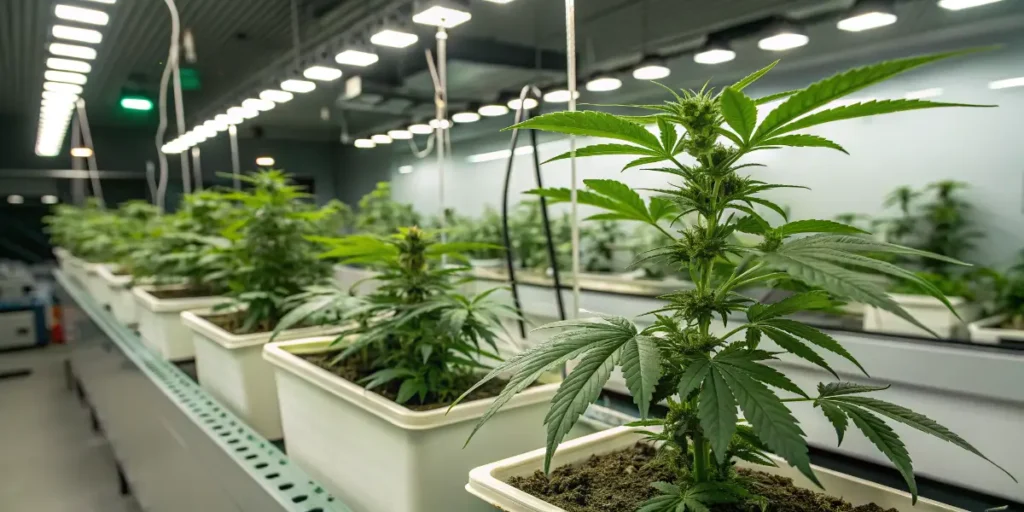
Common VOCs in Cannabis Flower: Key Insights

Volatile Organic Compounds (VOCs) are pivotal in shaping the aroma and therapeutic effects of cannabis. Knowing a common VOCs in cannabis flower list can help growers and consumers identify the compounds responsible for each strain’s unique scent and characteristics. Terpenes such as myrcene and limonene contribute significantly to the plant’s scent profile. Knowing these compounds can enhance your cultivation practices, leading to superior quality and consumer satisfaction. Dive into the complexities of VOCs and their impact on cannabis quality.
What are Volatile Organic Compounds (VOCs)?
Definition and Importance in Cannabis
VOCs are organic chemicals that easily vaporize at room temperature. In cannabis, they are primarily responsible for the plant’s aroma and flavor. These compounds are not only crucial for sensory appeal but also for their potential therapeutic effects, influencing the plant’s interaction with the human body.
Recommended Strains

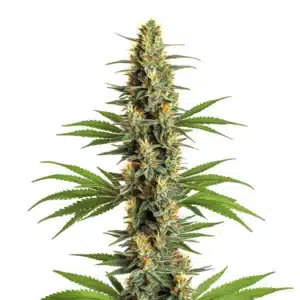
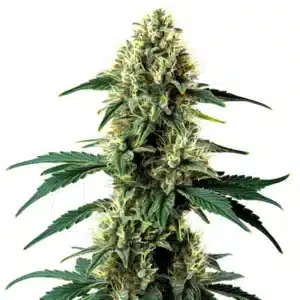
Blue Dream

|
THC | 17% - 24% (High) |

|
Type | Feminized |

|
Yield | High |

|
Phenotype | 50% Indica / 50% Sativa |
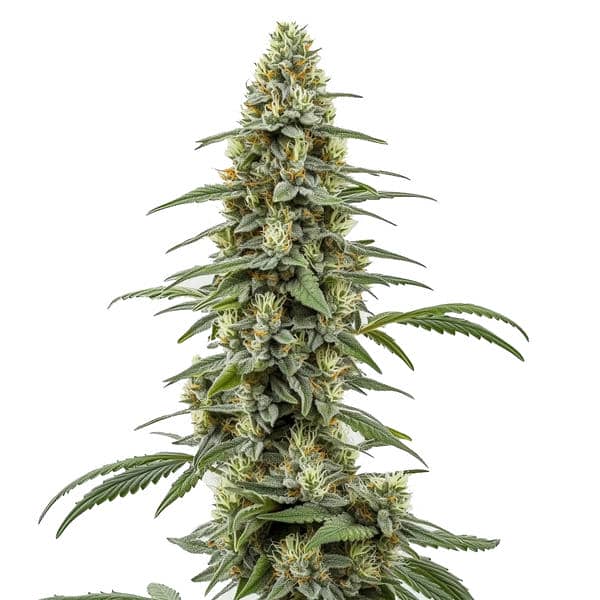
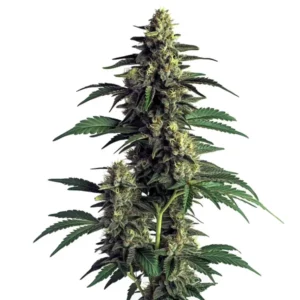
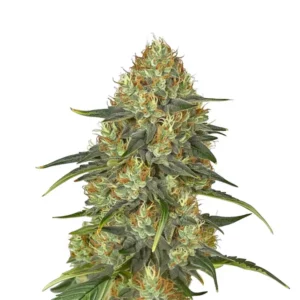
Critical x Northern Light Auto
|
|
THC | 16% - 20% (Medium) |
|
|
Type | Autoflowering |
|
|
Yield | Medium |
|
|
Phenotype | 70% Indica / 30% Sativa |
In cannabis, terpenes are the most significant VOCs, with myrcene and limonene among the most prevalent. Myrcene, often found in concentrations of 0.5-1.5%, imparts an earthy aroma, while limonene, present at 0.5-1.0%, provides a citrusy scent. These terpenes enhance the plant’s therapeutic profile by interacting with cannabinoid receptors.
Practical Application & Impact
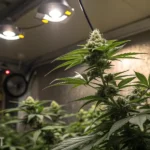
Knowing VOCs helps growers enhance the quality of their cannabis. By optimizing growing conditions such as light intensity and nutrient availability, you can influence the production of these compounds. For instance, maintaining a light intensity of 800-1000 µmol/m²/s can boost terpene synthesis.
Expert Tip: Ensure your growing environment maintains a temperature range of 68°F – 77°F (20°C – 25°C). Temperatures outside this range can inhibit VOC production, affecting both aroma and therapeutic potential.
Promos & Deals
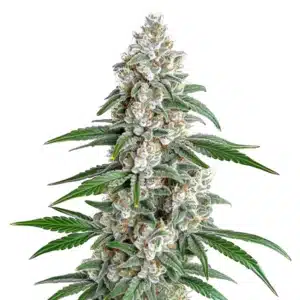

Common VOCs Found in Cannabis Flower
Terpenes and Their Roles
Terpenes are the most studied VOCs in cannabis, each contributing distinct aromas and effects. In fact, they are a key part of any common VOCs in cannabis flower list because they strongly influence the plant’s scent and therapeutic profile. Myrcene, for instance, enhances the sedative effects of THC, while limonene is known for its uplifting properties. These terpenes not only define the sensory experience but also modulate the effects of cannabinoids.
In strains like GG4, myrcene levels can reach up to 1.2%, contributing to its relaxing effects. Limonene, found in strains like Blue Dream, imparts a citrus aroma and is associated with mood elevation.
Other Significant VOCs
Beyond terpenes, other VOCs like esters and ketones also play a role in cannabis aroma. Esters contribute fruity notes, while ketones add earthy undertones. These compounds, though present in smaller quantities, significantly enhance the complexity of cannabis aroma and flavor.
Expert Tip: To maximize ester production, maintain humidity levels at 55-65% RH. This range supports optimal microbial activity, crucial for ester synthesis. Avoid exceeding 70% RH to prevent mold growth.
How VOCs Affect Cannabis Quality and Aroma
The Mechanism of VOC Influence
VOCs directly impact the quality of cannabis through their interaction with cannabinoids. Terpenes, for example, enhance the entourage effect, where the combined action of cannabinoids and terpenes leads to a more pronounced therapeutic effect. This synergy is crucial for both medical and recreational users seeking specific outcomes.
In strains like Critical X Northern Light Auto, the balance of VOCs and cannabinoids can significantly influence the user’s experience. Maintaining a terpene profile with 0.8-1.2% myrcene can enhance sedative effects, beneficial for stress relief.
Practical Application in Cultivation
To optimize VOC production, focus on environmental factors such as light and nutrient management. For instance, a balanced N:P:K ratio of 3:1:2 during the vegetative stage supports robust terpene development. Additionally, using full-spectrum lighting can enhance the synthesis of specific VOCs.
Expert Tip: Avoid nutrient lockout by maintaining pH levels between 6.0-6.5. This range ensures optimal nutrient uptake, crucial for terpene synthesis. Regularly test soil pH to prevent deficiencies.
Methods to Measure and Control VOCs in Cannabis
Measurement Techniques
Measuring VOCs in cannabis involves advanced techniques such as gas chromatography-mass spectrometry (GC-MS). This method provides precise quantification of terpene levels, essential for quality control. Regular testing helps maintain consistent product quality and consumer satisfaction.
For growers, investing in portable GC-MS devices can offer real-time analysis of VOC profiles, allowing for immediate adjustments in cultivation practices. This proactive approach ensures optimal terpene production and enhances the final product’s appeal.
Control Strategies for Optimal VOC Production
Controlling VOC levels involves managing environmental conditions and nutrient availability. Implementing a controlled environment agriculture (CEA) system allows for precise regulation of temperature, humidity, and CO2 levels, all of which influence VOC synthesis.
Expert Tip: Use CO2 enrichment to boost photosynthesis and terpene production. Maintain CO2 levels at 1200-1500 ppm during the flowering stage for optimal results. Monitor levels closely to prevent plant stress.
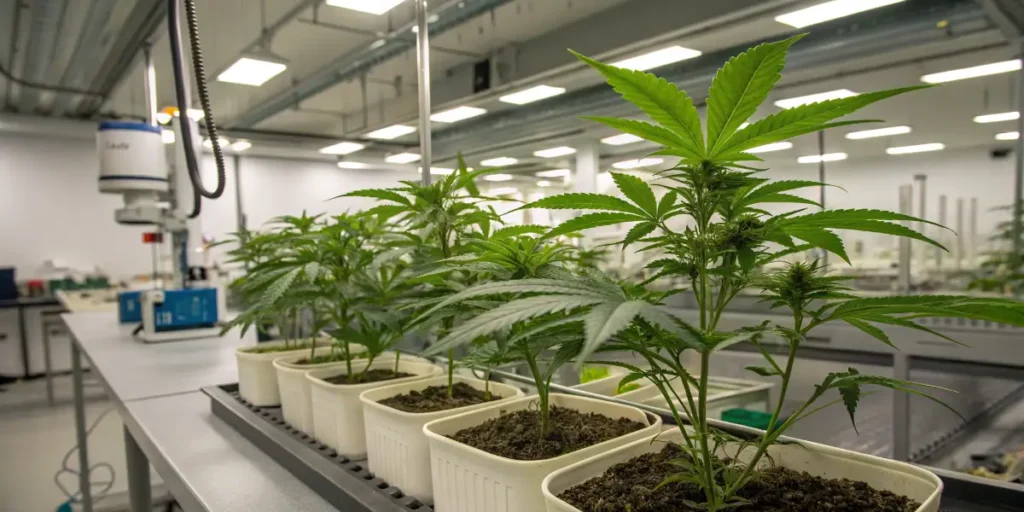
Professional Tips for Enhancing VOC Production
- Maintain 58-62% RH during cure. Below 55% arrests terpene development; above 65% promotes Botrytis within 48h. Check with a calibrated digital hygrometer, never analog.
- Use full-spectrum LED lights to enhance terpene synthesis. Aim for 800-1000 µmol/m²/s during flowering for optimal results.
- Implement CO2 enrichment at 1200-1500 ppm to boost photosynthesis and terpene production during flowering.
- Ensure a balanced N:P:K ratio of 3:1:2 during vegetative growth to support robust terpene development.
- Regularly test soil pH to maintain levels between 6.0-6.5, preventing nutrient lockout and supporting terpene synthesis.
- Invest in portable GC-MS devices for real-time analysis of VOC profiles, allowing immediate adjustments in cultivation practices.
FAQs About common VOCs in cannabis flower
What are 5 common sources of VOCs?
Common sources of VOCs include plants, solvents, paints, fuels, and industrial processes. In cannabis, VOCs primarily come from terpenes, which are naturally occurring compounds in the plant. These compounds contribute to the plant’s aroma and therapeutic effects, with concentrations varying based on strain and growing conditions.
Does cannabis emit VOCs?
Yes, cannabis emits VOCs, primarily in the form of terpenes. These compounds are responsible for the plant’s distinctive aroma and therapeutic properties. Emission rates can vary, with factors such as strain, growth stage, and environmental conditions influencing the levels of VOCs released.
Do flowers give off VOCs?
Flowers, including cannabis flowers, emit VOCs as part of their natural metabolic processes. These compounds contribute to the flower’s aroma and can have various ecological roles, such as attracting pollinators or deterring herbivores. In cannabis, VOCs are crucial for defining the plant’s sensory and therapeutic profile.
What are the volatile compounds in cannabis?
The volatile compounds in cannabis primarily include terpenes and esters. Terpenes like myrcene and limonene are the most abundant, contributing to the plant’s aroma and effects. Esters add fruity notes, enhancing the complexity of the cannabis aroma profile. These compounds are vital for both sensory appeal and therapeutic potential.
How do cannabis flowers release VOCs?
Cannabis flowers release VOCs through glandular trichomes, where these compounds are synthesized and stored. Environmental factors such as temperature and light intensity can influence the rate of VOC emission. Maintaining optimal growing conditions ensures the production of a rich and diverse VOC profile.