Negative Pressure Grow Tent Odor Control and VOCs

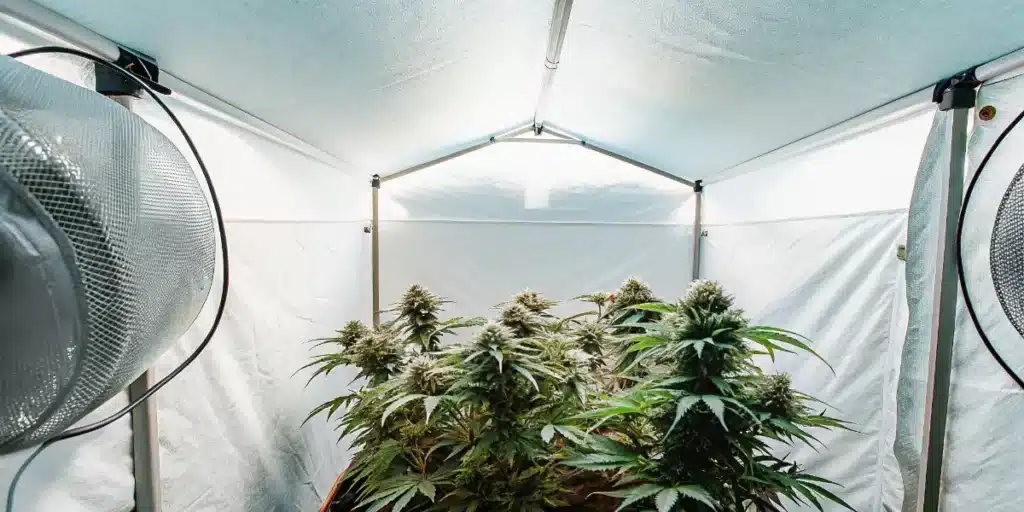
Effective odor control in grow tents: Negative pressure grow tents are vital for managing odors and volatile organic compounds (VOCs). Effective negative pressure grow tent odor control VOCs systems rely on establishing a controlled airflow that efficiently contains and filters unwanted smells. Experienced growers report that using carbon filters alongside negative pressure can decrease VOCs by up to 90%, creating a discreet and healthier growing environment.
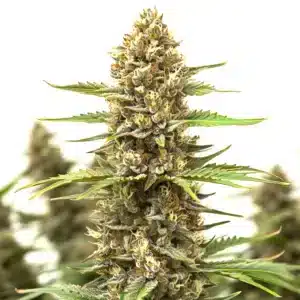
Negative pressure grow tents play a crucial role in the cultivation of cannabis, particularly in managing the terpene profile and flowering time. By optimizing airflow, these tents help maintain the integrity of aromatic compounds. The use of carbon filters further enhances this process, ensuring that the environment remains conducive to high-quality growth without compromising the plant’s natural characteristics.
Recommended Strains
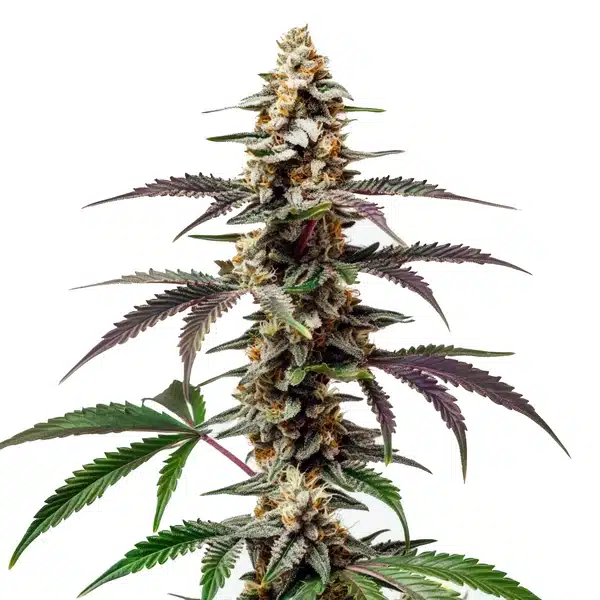
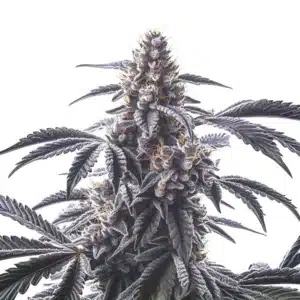
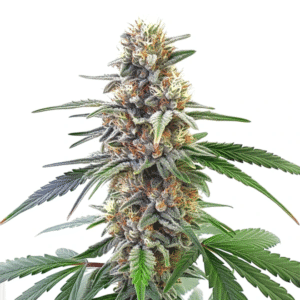
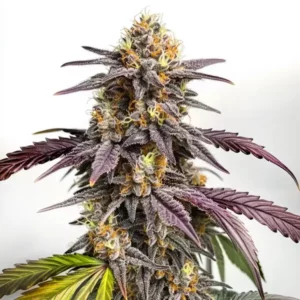
Purple Punch F1

|
THC | 16% - 21% (Medium) |

|
Type | Feminized F1 |

|
Yield | High |

|
Phenotype | 70% Indica / 30% Sativa |
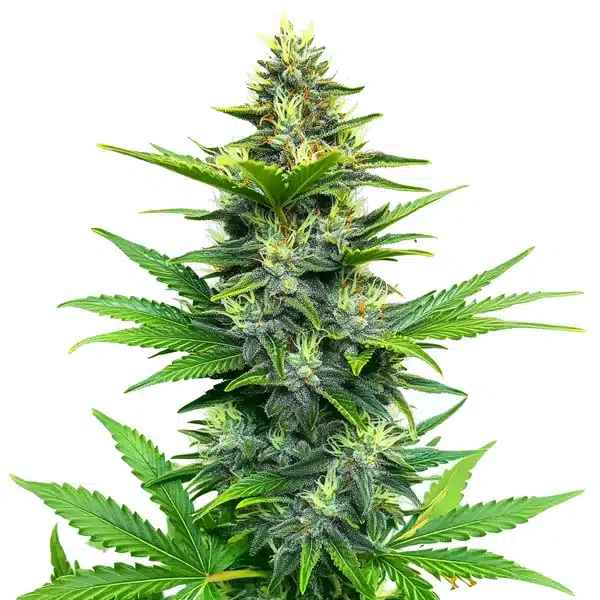
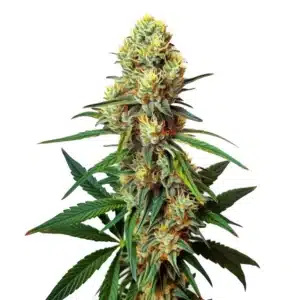
Alien GG Regular
|
|
THC | 22% - 24% (High) |
|
|
Type | Regular |
|
|
Yield | High |
|
|
Phenotype | 70% Indica / 30% Sativa |
Negative Pressure in Grow Tents
What is Negative Pressure?
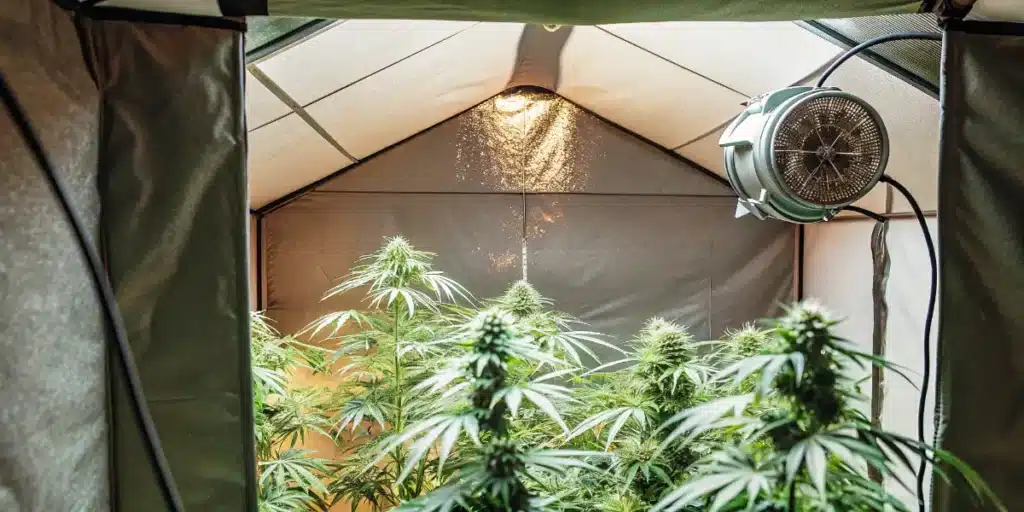
Negative pressure in grow tents is achieved by creating a vacuum effect, where the air pressure inside the tent is lower than the outside environment. This setup is essential for negative pressure grow tent odor control VOCs, as it ensures that air is constantly drawn into the tent while effectively containing odors and airborne compounds. The system relies on exhaust fans to expel air, maintaining a consistent airflow and preventing the escape of unwanted scents.
To maintain negative pressure, exhaust fans should operate at a rate that exceeds the intake fans by approximately 10-20%. This difference ensures that the air inside the tent is continuously refreshed, reducing the concentration of VOCs and enhancing odor control. This method is particularly effective in tents ranging from 4×4 ft to 10×10 ft (1.2×1.2 m to 3×3 m).
Benefits of Negative Pressure for Odor Control
Negative pressure systems are highly effective in managing odors because they limit the escape of air from the grow tent. This containment is crucial for growers looking to maintain discretion. By using carbon filters, which are designed to capture and neutralize VOCs, the air expelled from the tent is significantly cleaner and less odorous.
Carbon filters, when properly maintained, can reduce VOC levels by up to 90%, according to many cultivators. This reduction is vital for ensuring that the grow environment remains healthy for both plants and growers. Regular replacement of carbon filters, typically every 12-18 months, is recommended to maintain optimal performance.
Promos & Deals

How to Control Odor in a Grow Tent
Using Carbon Filters and Ventilation
Carbon filters are essential components in any odor control strategy for grow tents. They work by adsorbing VOCs and other odor-causing compounds as air passes through them. For effective negative pressure grow tent odor control VOCs, filters should be paired with a robust ventilation system that maintains consistent airflow and prevents odors from escaping the grow space. This setup helps maximize filtration efficiency and improve overall air quality inside the tent.
For a smell proof grow tent kit, it’s crucial to select a filter that matches the tent size and ventilation capacity. A common setup involves a 6-inch (15 cm) carbon filter paired with an inline fan capable of moving 400 cubic feet per minute (CFM). This combination is effective for tents up to 5×5 ft (1.5×1.5 m).
Managing VOCs in Your Grow Tent
Managing VOCs in a grow tent involves more than just odor control; it’s about ensuring a safe growing environment. Experienced growers often share tips on platforms like Reddit for handling VOCs effectively. These include maintaining a consistent temperature of 70-75°F (21-24°C) and humidity levels between 50-60% RH to prevent mold and mildew. Aromatic strains like Purple Punch F1 especially benefit from stable environmental conditions, helping preserve their rich terpene profile and overall plant health.
Negative pressure grow tent odor control VOCs techniques include regular monitoring of air quality and adjusting ventilation settings as needed. Ensuring that your carbon filter is properly installed and free of blockages is also key to maintaining effective VOC management.
Common Issues with Negative Pressure
Avoiding Too Much Negative Pressure
While negative pressure is beneficial, too much negative pressure in a grow tent can lead to structural issues and impact plant health. Excessive pressure can cause the tent walls to collapse inward, reducing available space and potentially damaging plants. It’s crucial to balance the exhaust and intake fan speeds to prevent this.
To avoid too much negative pressure, adjust the exhaust fan to run slightly faster than the intake fan, ensuring a gentle inward pull on the tent walls. This setup maintains an optimal environment without compromising the tent’s structural integrity or plant health.
Comparing Positive and Negative Pressure Systems
When to Use Positive Pressure
Positive pressure grow tents are less common but can be useful in certain situations, such as when preventing pests and contaminants from entering the grow area. By maintaining a higher pressure inside the tent, air is pushed out rather than drawn in, reducing the risk of external contamination. Growers cultivating resilient and high-yield genetics like Alien Gorilla Glue Regular often use controlled environments to maximize plant health, terpene production, and overall crop consistency.
However, positive and negative pressure grow tent odor control VOCs systems differ significantly. Negative pressure is generally preferred for odor control due to its ability to contain and filter air effectively. Positive pressure systems are better suited for environments where contamination prevention is a higher priority than odor management.
Professional Tips for Grow Tent Odor Control
- Maintain 70-75°F (21-24°C) for optimal carbon filter performance. This range maximizes VOC adsorption efficiency.
- Use a 6-inch (15 cm) carbon filter for tents up to 5×5 ft (1.5×1.5 m) to ensure adequate odor control.
- Replace carbon filters every 12-18 months to prevent reduced effectiveness. A clogged filter can lead to odor leakage.
- Balance exhaust and intake fans to avoid excessive negative pressure, which can damage the tent structure.
- Monitor humidity levels at 50-60% RH to prevent mold, which can compromise odor control systems.
- Regularly check fan speeds and adjust to maintain a slight negative pressure, ensuring consistent airflow.
FAQs about negative pressure grow tent odor control VOCs
Is negative pressure good for a grow tent?
Yes, negative pressure is beneficial for a grow tent as it helps contain odors and VOCs effectively. By maintaining a lower pressure inside the tent, air is drawn in, reducing the risk of odors escaping. This setup is ideal for maintaining a discreet growing environment.
How to get rid of grow tent smell?
To eliminate grow tent odors, use a combination of carbon filters and proper ventilation. Ensure your filter matches the tent size and replace it every 12-18 months. Maintain temperatures between 70-75°F (21-24°C) for optimal filter performance.
Can you have too much negative pressure?
Yes, excessive negative pressure can cause the tent walls to collapse inward, damaging plants. Balance exhaust and intake fans to maintain a gentle inward pull, preventing structural issues while ensuring effective odor control.
Is negative pressure good for plants?
Negative pressure is generally beneficial for plants as it enhances air circulation and odor control. However, too much pressure can harm plant growth by reducing space and causing physical damage to the tent structure.
What are the best methods for controlling odor in a grow tent?
The best methods include using carbon filters, maintaining proper ventilation, and balancing fan speeds. Regularly replace filters and monitor air quality to ensure effective odor control, keeping VOC levels low.