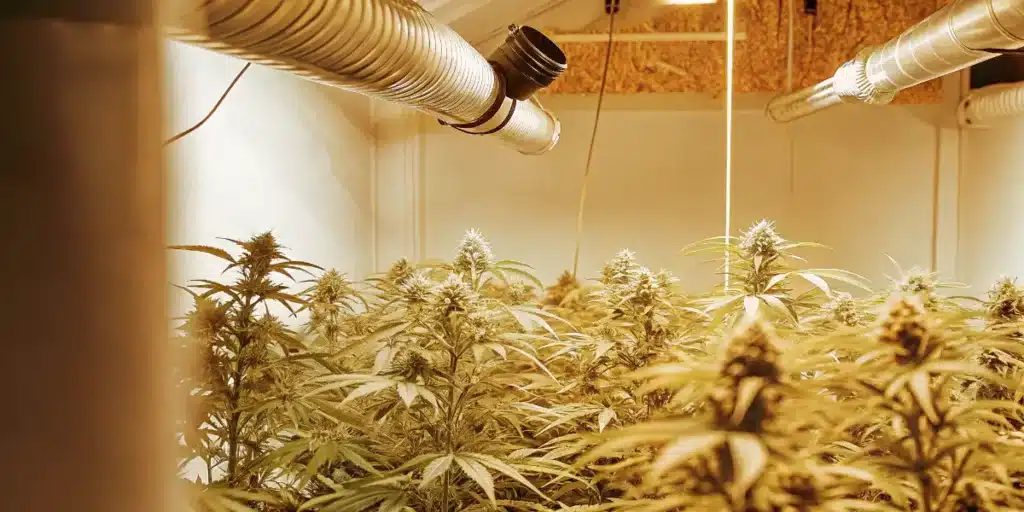
Ducting Setup to Remove Cannabis VOCs: A Complete Guide

Effective VOC Management: Setting up a ducting setup to remove cannabis VOCs is essential for maintaining optimal air quality in your grow space. Volatile organic compounds (VOCs) emitted during cannabis cultivation can affect both plant health and human comfort. A well-designed ducting setup can significantly reduce VOC levels, ensuring a healthier environment. Experienced growers report that proper ventilation can decrease VOC concentrations by up to 70%.
Terpenes play a crucial role in the aroma and flavor of cannabis, but they also contribute to VOC emissions. The flowering phase, typically lasting 8-10 weeks, is when VOCs are most prevalent. Managing these emissions not only improves air quality but also enhances the overall growing environment, leading to healthier plants and better yields.
Recommended Strains
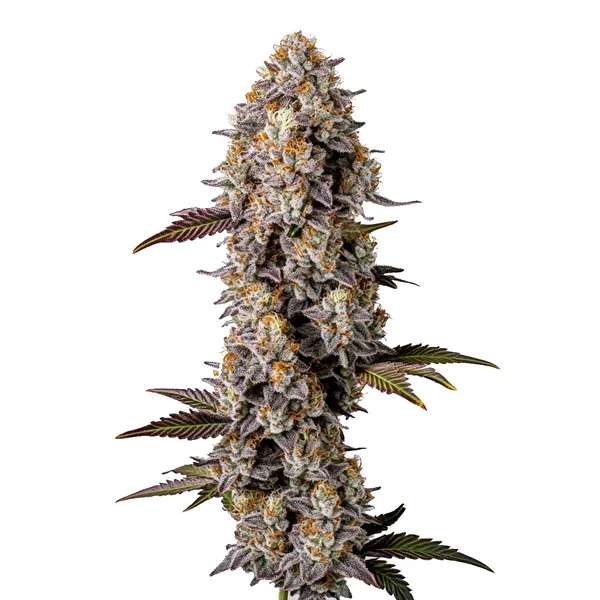
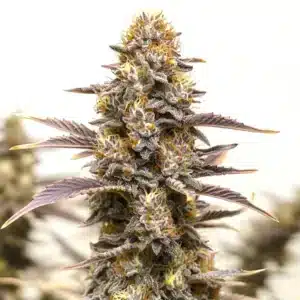
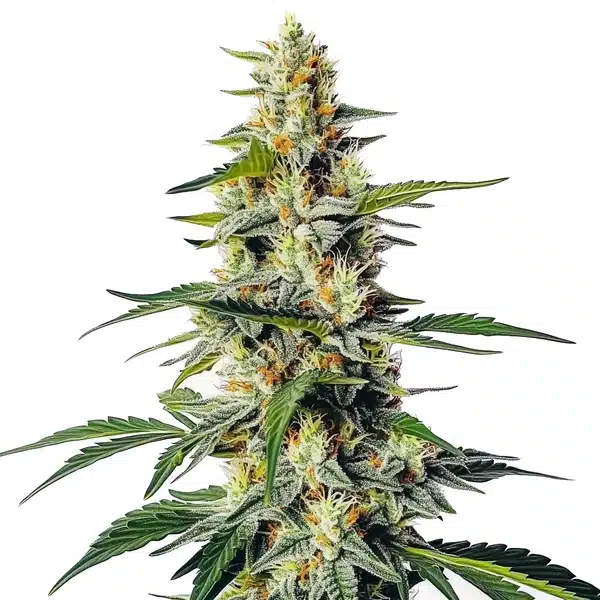
Lemon Cherry Gelato

|
THC | 23% - 29% (High) |

|
Type | Feminized |

|
Yield | High |

|
Phenotype | 60% Indica / 40% Sativa |
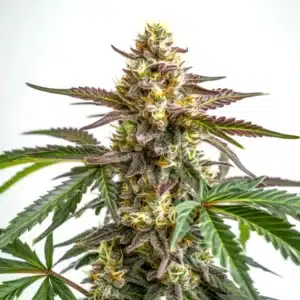
Moby Regular
|
|
THC | 21% - 25% (High) |
|
|
Type | Regular |
|
|
Yield | High |
|
|
Phenotype | 30% Indica / 70% Sativa |
Cannabis VOCs: Key Insights
What are VOCs in Cannabis?
Volatile organic compounds (VOCs) are organic chemicals that have a high vapor pressure at room temperature. In cannabis, these compounds include terpenes and other aromatic compounds released during the growth and flowering stages. They contribute to the plant’s distinct aroma but can also impact air quality. VOC concentrations can reach up to 200 parts per billion (ppb) in indoor grow environments, necessitating effective management strategies such as a proper ducting setup to remove cannabis VOCs and maintain cleaner airflow inside the grow space.
Terpenes, such as Myrcene and Limonene, are common VOCs in cannabis. Myrcene, found in concentrations of 0.5-1.5%, is known for its earthy aroma and potential anti-inflammatory effects. Limonene, present at 0.3-0.8%, offers a citrus scent and may elevate mood. These compounds, while beneficial in moderation, require careful control to prevent excessive accumulation in grow spaces, particularly when cultivating aromatic varieties like Zwonka strain.
Why Remove VOCs from Cannabis Cultivation?
Managing VOC emissions is crucial for maintaining a healthy grow environment. High VOC levels can lead to respiratory issues for growers and can also stress plants, reducing yields and potency. By implementing a ducting setup, you can effectively control these emissions. Proper ventilation not only improves air quality but also stabilizes temperature and humidity, essential for optimal plant growth.
Experienced cultivators emphasize the importance of maintaining VOC levels below 100 ppb to prevent negative impacts on plant health. This involves using high-quality ducting materials and effective filtration systems. A common mistake is neglecting regular maintenance, which can lead to clogged filters and reduced efficiency.
Promos & Deals
Essential Components for a Ducting Setup
Choosing the Right Duct Material
The choice of duct material significantly influences the efficiency of your VOC removal system and the overall ducting setup to remove cannabis VOCs. Aluminum ducts are popular due to their durability and resistance to corrosion. They support airflow rates of up to 500 cubic feet per minute (CFM), making them essential for large grow operations. Flexible ducts, while easier to install, may restrict airflow and are best suited for smaller setups.
Ensure that your ducting material can withstand temperatures ranging from 50°F to 140°F (10°C to 60°C) to prevent warping or degradation. Many growers recommend using insulated ducts to minimize noise and prevent condensation, which can lead to mold growth.
Selecting Effective Filters
Filters are critical in removing VOCs from the air. Activated carbon filters are highly effective, capable of capturing up to 90% of VOCs. These filters should be replaced every 6-12 months to maintain efficiency. HEPA filters, while excellent for particulate matter, are less effective for VOCs and should be used in conjunction with carbon filters. Growers cultivating aromatic strains like Moby Regular often rely on high-quality filtration systems to better manage strong terpene-rich odors in indoor grow environments.
When selecting a filter, consider its MERV rating; a rating between 8 and 13 is ideal for VOC removal. Ensure your filtration system can handle the airflow of your ducting setup to avoid bottlenecks. A common error is undersizing filters, which can lead to increased VOC levels and reduced air quality.
Step-by-Step Ducting Setup to Remove Cannabis VOCs
Planning Your Ducting Layout
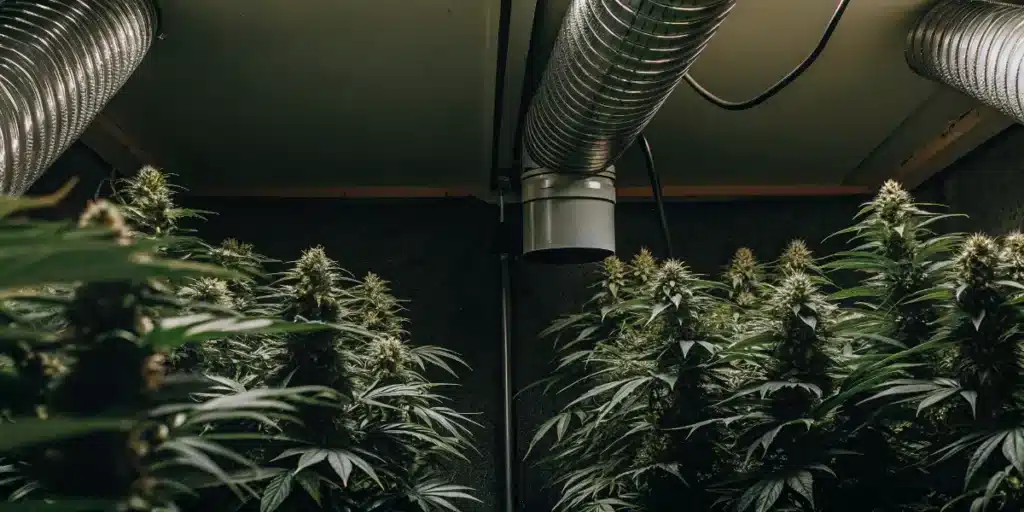
Begin by mapping out your grow space to determine the optimal ducting path. Consider the location of your grow lights and plants to ensure even air distribution. A common layout involves placing intake ducts near the floor and exhaust ducts at the ceiling, facilitating natural airflow patterns. Ensure your system supports an airflow rate of 200-300 CFM for small grow tents.
Use a combination of rigid and flexible ducts to navigate around obstacles. Rigid ducts offer better airflow but are less adaptable to tight spaces. Always plan for a slight incline in exhaust ducts to prevent condensation buildup, which can lead to mold.
Installation Process
Install your ducting system by first securing the fan and filter. Position the fan near the exhaust to maximize airflow efficiency. Connect the ducting to the fan using clamps to prevent air leaks. Ensure all connections are airtight to maintain system efficiency. Use foil tape to seal any gaps, as it withstands high temperatures and humidity. Maintaining proper airflow is especially important when cultivating terpene-rich strains like Lemon Cherry Gelato, helping preserve aroma, temperature balance, and overall plant health.
Test the system by monitoring airflow and VOC levels. Adjust fan speed to maintain desired air exchange rates, typically 1-2 air changes per hour. Regularly inspect and clean ducts to prevent blockages. A common oversight is neglecting to check for leaks, which can drastically reduce system effectiveness.
Maintenance Tips for Your Ducting System
- Replace carbon filters every 6-12 months to maintain VOC removal efficiency.
- Inspect duct connections monthly for air leaks and reseal with foil tape if necessary.
- Clean ducts quarterly to remove dust and debris that can impede airflow.
- Calibrate airflow meters every 3 months to ensure accurate measurements.
- Monitor VOC levels with a digital meter to adjust ventilation as needed.
- Ensure fan blades are clean and free of obstructions to prevent overheating.
FAQs about ducting setup to remove cannabis VOCs
How do cannabis plants emit VOCs?
Cannabis plants emit VOCs primarily through their flowers and leaves. These compounds, including terpenes, are released during the flowering stage when plants are most aromatic. VOC emissions can reach up to 200 ppb in enclosed grow spaces, making effective ventilation essential to maintain air quality and plant health.
Which filters are best for removing cannabis VOCs?
Activated carbon filters are the most effective for removing cannabis VOCs. They can capture up to 90% of VOCs and should be replaced every 6-12 months. Ensure your filter has a MERV rating between 8 and 13 for optimal performance. HEPA filters are less effective for VOCs but useful for particulate matter.
How can you effectively remove VOCs from the air in a grow room?
To effectively remove VOCs from a grow room, use a combination of activated carbon filters and proper ducting. Ensure your system supports an airflow rate of 200-300 CFM for small grow tents. Regular maintenance, including filter replacement and duct cleaning, is crucial to maintain efficiency and air quality.
Is a HEPA filter effective for cannabis VOC removal?
HEPA filters are not highly effective for VOC removal as they are designed for particulate matter. They capture particles as small as 0.3 microns but do not absorb gases. For VOCs, use activated carbon filters, which can capture up to 90% of these compounds, ensuring better air quality in your grow space.
What are the benefits of reducing VOCs in cannabis cultivation?
Reducing VOCs in cannabis cultivation improves air quality, enhances plant health, and increases yields. High VOC levels can stress plants and reduce potency. Effective ventilation can lower VOC concentrations by up to 70%, creating a healthier environment for both plants and growers, leading to better overall cultivation outcomes.