How Commercial Enzymes Prevent Nutrient Lockout in Cannabis

Quick Summary: Commercial enzyme solutions optimize cannabis growth by cleaning root systems of salt buildup and accelerating nutrient uptake. In extraction, specialized formulations break down cellulose to increase cannabinoid and terpene yields, ensuring high-potency oils and efficient industrial hemp processing.
Commercial Enzyme Solutions for Cannabis Cultivation
Commercial enzyme solutions for cannabis have changed the game for both growers and lab technicians. In the garden, enzymes act as biological vacuum cleaners. They specifically target dead organic matter and accumulated mineral salts in the growing medium. By breaking down these “salt locks,” enzymes prevent nutrient lockout, which is a common cause of stunted growth. When you use enzyme-based products for cannabis cultivation, you are essentially making sure the roots have a clear path to eat.
Recommended Strains
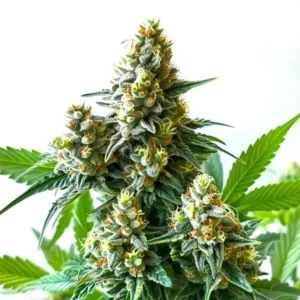


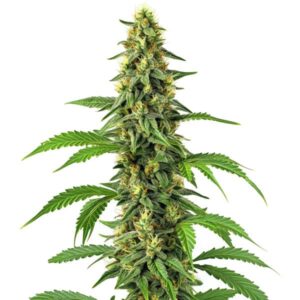
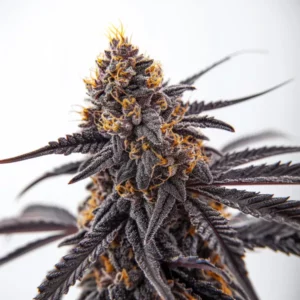
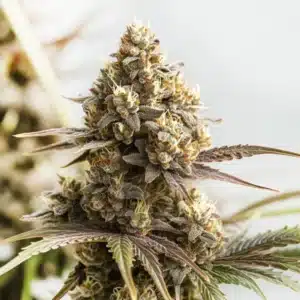
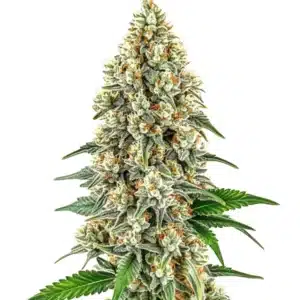
Biologically, enzymes are protein catalysts. They speed up the process of turning complex molecules into simple, “bite-sized” pieces for the plant. For example, they can turn dead root mass into available sugars. This not only cleans the root zone but also provides a small energy boost to the plant’s metabolism. This is vital for high-performance strains like Gelato or Blue Dream, which require heavy feeding schedules to produce their famous resin profiles.
For the modern grower, adding these solutions to a nutrient reservoir ensures that the NPK (Nitrogen, Phosphorus, and Potassium) ratios stay balanced. High levels of phosphorus and potassium are needed during the flowering stage to promote floral formation. Without enzymes, these minerals can crystallize in the soil, making them impossible for the plant to absorb. Commercial enzyme solutions keep these nutrients “in solution,” allowing the plant to reach its full genetic potential.
Promos & Deals

The Role of Enzymes in Cannabis Process Solutions
Cannabis process solutions involve more than just feeding; they cover the entire transition from vegetative growth to a finished extract. During the extraction phase, enzymes for cannabis extraction efficiency are used to degrade the tough cell walls of the plant. Plant cells are held together by cellulose and lignin. In traditional extraction, these fibers can trap a large percentage of the cannabinoids (THC and CBD) and essential terpenes like Myrcene and Limonene.
By applying industrial enzyme solutions for hemp processing, processors can soften this “cellular cage.” This allows solvents to penetrate deeper and more quickly. The result is a much higher extraction rate in less time. This efficiency is critical for commercial cannabis extraction solutions where every percentage point of yield impacts the bottom line. Strains like OG Kush, known for their dense, resinous buds, benefit most from this because the “thick” plant material often hides valuable oil that standard methods might miss.
Technical Comparison: Enzyme Impact on Production
| Feature | Standard Cultivation | Enzyme-Enhanced Cultivation | Industrial Extraction |
|---|---|---|---|
| Root Zone Health | Prone to salt buildup | Clean, rapid nutrient uptake | N/A (Post-harvest) |
| Nutrient Bioavailability | Limited by soil pH/salts | Maximum NPK absorption | High terpene recovery |
| Typical Strains | Standard Hybrids | Gelato, OG Kush | Industrial Hemp |
| Waste Management | Discarded root mass | Recycled organic matter | Low biomass waste |
| Extraction Speed | Standard (Slow) | Improved penetration | Ultra-rapid processing |
| Yield Focus | Flower weight | Resin density | Cannabinoid purity |
Commercial Cannabis Extraction Solutions and Potency
The science behind enzyme formulations for cannabis oil production is fascinating. When cannabis is decarboxylated (heated to activate THC), enzymes can help stabilize the resulting oil. Certain enzymes prevent the oxidation of cannabinoids, which keeps the oil from turning brown or losing potency over time. This is especially important for boutique growers producing live resin or full-spectrum extracts where preserving the “Entourage Effect” is the goal.
The “Entourage Effect” is the synergy between cannabinoids like THC and aromatic terpenes like Linalool or Pinene. Using enzymes during the processing stage ensures that these delicate terpenes are not destroyed by heat or aggressive chemicals. Instead, enzymes provide a “soft touch” that leaves the chemical profile intact. This leads to a product that provides the true flavor and effect of the original plant.
Professional Tips for Using Enzymes
- Temperature Matters: Most enzymes work best between 65°F and 75°F (18-24°C). If your reservoir gets too hot, the proteins will denature and become useless.
- pH Balance: For maximum root cleaning efficiency, maintain a pH between 5.5 and 6.2. If the pH is too acidic, the enzymes won’t be able to break down salt buildup effectively.
- Don’t Over-Mix: Never mix enzymes directly with concentrated fertilizers. Dilute your nutrients in the water first, then add the enzymes last to prevent chemical clumping.
- Flush Logic: Use enzymes during the final 10 days of your flowering cycle. They help “digest” the remaining nutrients in the soil, leading to a much smoother smoke and better flavor.

What are commercial enzyme solutions for cannabis?
Commercial enzyme solutions are specialized bio-catalysts used to improve plant health and extraction yields. In cultivation, they break down dead root tissue and mineral salts into usable sugars and nutrients. In processing, they degrade plant cell walls, allowing for a more complete and efficient recovery of THC, CBD, and aromatic terpenes during oil production.
How do enzymes improve cannabis extraction efficiency?
Enzymes improve extraction by targeting the cellulose and pectin that bind plant cells together. By breaking these bonds, the enzymes allow solvents to flow more freely through the biomass. This results in a higher concentration of cannabinoids and terpenes being pulled from the plant material in a shorter amount of time, reducing energy costs and increasing total oil volume.
Can home growers use enzyme-based products for cannabis cultivation?
Yes, home growers can easily use these products to prevent “nutrient lockout.” By adding enzymes to their regular watering schedule, home growers ensure their root zones remain clean and vibrant. This is particularly helpful for those growing in coco coir or peat-based mixes, where salt buildup can quickly lead to deficiencies and yellowing leaves.
What strains benefit most from enzyme process solutions?
Strains with massive resin production and dense flower structures, such as Gelato, OG Kush, and Power Plant, see the most significant benefits. These varieties produce high levels of waste organic matter and require heavy nutrients. Enzymes manage this high metabolic load, ensuring the plants stay healthy enough to produce heavy, THC-laden trichomes without suffering from root rot or salt stress.