How to Produce CO2 for Plants: A Complete Guide

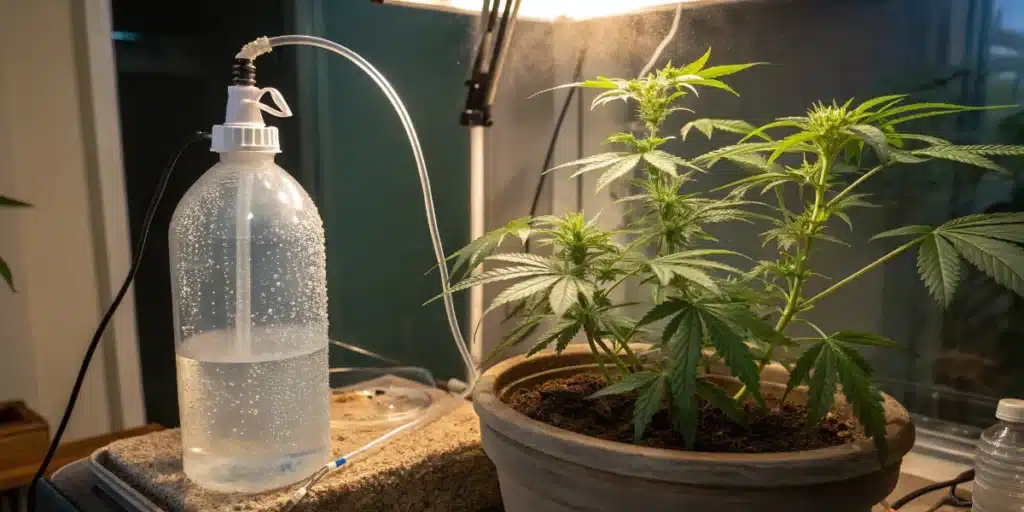
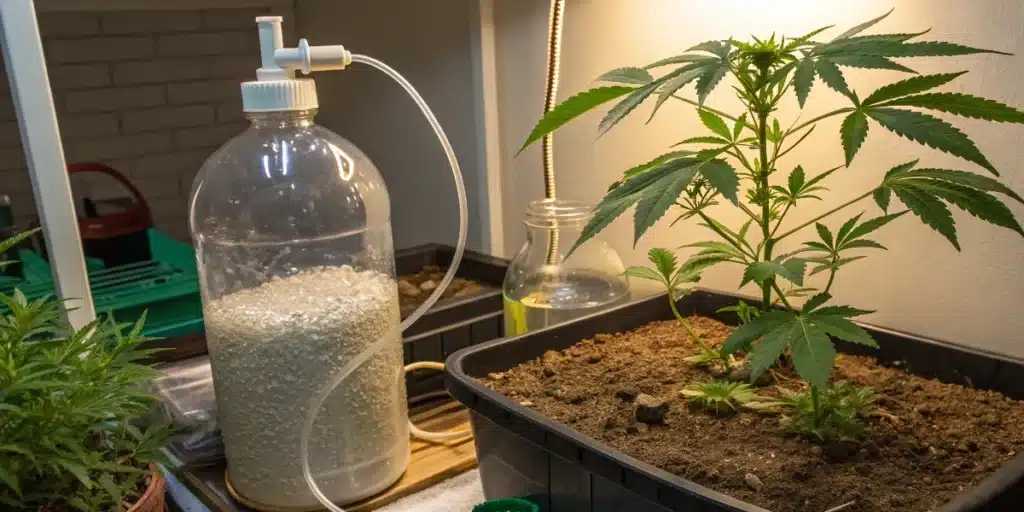
DIY CO2 Production: To create CO2 for plants at home, employ the yeast fermentation technique. Combine 2 cups of sugar, 1 teaspoon of yeast, and lukewarm water in a 2-liter bottle. The yeast ferments the sugar, producing CO2 gas. Use a tube from the bottle’s cap to direct the gas to an air stone or fan for effective dispersion.
Enhancing plant growth with CO2 can significantly improve yields, especially in controlled environments. Utilizing CO2 generators, whether DIY or commercial, can optimize photosynthesis. By understanding the balance of CO2 levels, light, and nutrients, you can increase the efficiency of your indoor garden, ensuring robust plant health and productivity.
Recommended Strains
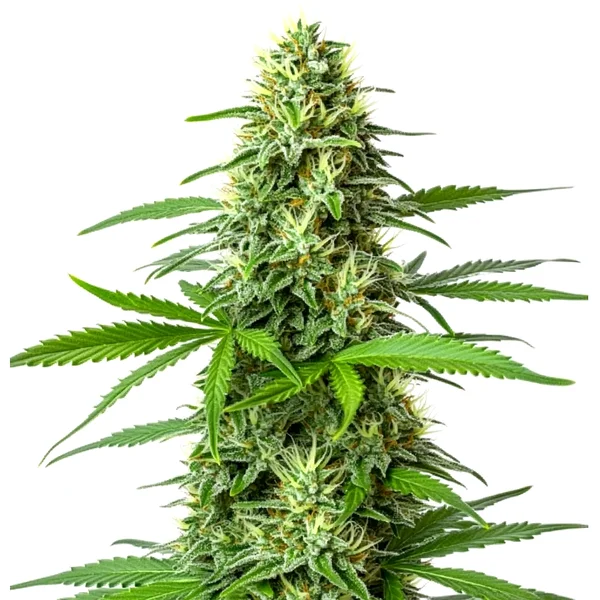
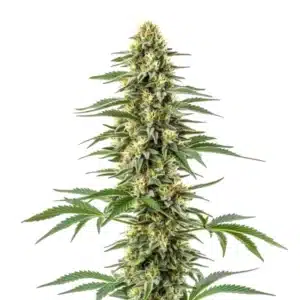
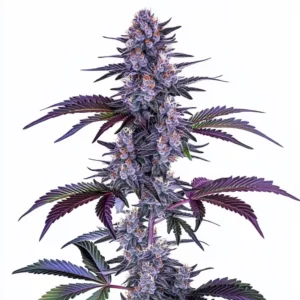
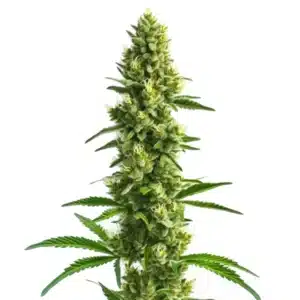
Blueberry x Big Bud Auto

|
THC | 17% - 20% (Medium) |

|
Type | Autoflowering |

|
Yield | High |

|
Phenotype | 70% Indica / 30% Sativa |

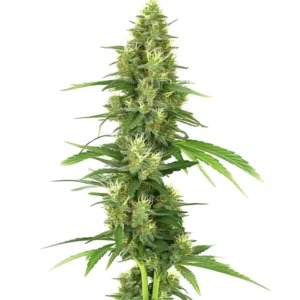
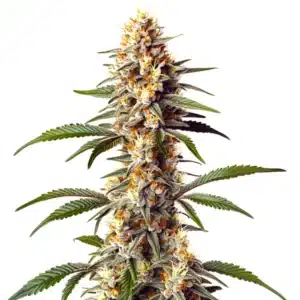
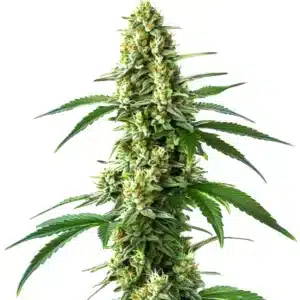
Critical Kush Auto
|
|
THC | 16% - 20% (Medium) |
|
|
Type | Autoflowering |
|
|
Yield | High |
|
|
Phenotype | 90% Indica / 10% Sativa |
CO2 and Plant Growth
Why Plants Need CO2
Plants require CO2 for photosynthesis, the process by which they convert light energy into chemical energy. During photosynthesis, plants absorb CO2 through stomata, using it to produce glucose and oxygen. Optimal CO2 levels, around 1,200-1,500 ppm, can enhance growth rates by up to 30%. Without sufficient CO2, photosynthesis slows, impacting plant vitality.
In indoor cultivation, CO2 levels often drop due to limited air exchange. This reduction can lead to stunted growth and lower yields. Therefore, maintaining adequate CO2 levels is crucial for achieving maximum growth potential. Many growers use CO2 generators to maintain these levels, ensuring plants receive the necessary resources for robust development.
Practical Application & Impact
To effectively utilize CO2, it’s essential to integrate it with high-intensity lighting and proper nutrient management. Plants can absorb more CO2 when exposed to light levels of 800-1000 µmol/m²/s. This synergy boosts photosynthesis, leading to increased biomass and flower production. However, exceeding 1,500 ppm can be detrimental, causing leaf burn and reduced growth.
Experienced cultivators recommend monitoring CO2 levels with a digital meter to ensure they remain within the optimal range. Regularly calibrate your CO2 meter to avoid inaccurate readings, which can lead to inefficient CO2 usage and potential plant stress.
Promos & Deals

How to Produce CO2 for Plants at Home
DIY CO2 Generator with Yeast and Sugar
The yeast and sugar method is a popular choice for creating a DIY CO2 generator due to its simplicity and effectiveness. By combining sugar and yeast in a sealed container, you can produce CO2 through fermentation. This method is cost-effective and can be implemented with household items, making it accessible for hobbyist growers.
To set up, mix 2 cups of sugar with 1 teaspoon of yeast in a 2-liter bottle filled with warm water. Seal the bottle with a cap and insert a tube to direct the CO2 towards your plants. This setup can produce CO2 for up to two weeks, depending on environmental conditions and yeast activity.
How to Produce CO2 for Plants with Vinegar
Mixing vinegar and baking soda is a quick way to generate CO2. This chemical reaction is straightforward: when vinegar (acetic acid) reacts with baking soda (sodium bicarbonate), it produces CO2 gas. This method is ideal for short-term CO2 boosts in small grow spaces.
For a basic setup, combine 1 cup of vinegar with 2 tablespoons of baking soda in a container. The reaction will produce CO2 immediately, but it’s short-lived, typically lasting only a few hours. This method is not sustainable for long-term CO2 supplementation but can be useful for temporary increases.
Long Lasting DIY CO2 Generators
CO2 Generator for Grow Tent
A grow tent can benefit from a dedicated CO2 generator, which provides a consistent supply of CO2. Long-lasting DIY options often involve slow-release methods, such as using larger fermentation setups with multiple bottles. These can maintain CO2 levels for extended periods, reducing the need for frequent intervention.
For a sustainable CO2 supply, consider long-lasting DIY options that utilize multiple fermentation bottles connected in series. This setup ensures a steady release of CO2, which is crucial for maintaining optimal growth conditions in a confined space like a grow tent.
CO2 Generator for Plants
A CO2 generator can significantly enhance plant growth by maintaining consistent CO2 levels. These generators often use propane or natural gas to produce CO2 through combustion, providing a reliable and controlled CO2 source. While more complex than DIY methods, they offer precise control over CO2 output, making them suitable for larger grow operations.
When using a CO2 generator, ensure proper ventilation to prevent CO2 buildup, which can be harmful to both plants and humans. Regular maintenance of the generator is essential to ensure safety and efficiency, including checking for gas leaks and ensuring proper combustion.
| Feature | Blueberry X Big Bud Auto | Critical Kush Auto | Amnesia Kush |
|---|---|---|---|
| THC Percentage | 17-20% | 16-20% | 15-20% |
| Dominant Terpene | Myrcene | Caryophyllene | Limonene |
| Flavor Profile | Blueberry, Fruity, Sweet | Earthy, Pine, Woody | Citrus, Lemon, Pine, Sweet |
| Growth Time | 8-10 weeks | 8-10 weeks | 8-10 weeks |
| Yield Indoor | 1.47 – 1.64 oz/ft² | 450 – 500 g/m² | 1.47 – 1.8 oz/ft² | 450 – 550 g/m² | 1.64 – 1.97 oz/ft² | 500 – 600 g/m² |
How to Make CO2 Gas Commercially
Commercial CO2 Production Methods
Commercial CO2 production involves more sophisticated methods than DIY approaches. Typically, CO2 is produced through the combustion of fossil fuels or fermentation in industrial settings. These methods allow for large-scale CO2 generation, which is then captured and purified for various uses, including agricultural applications.
In commercial settings, CO2 is often stored in pressurized tanks and distributed through piping systems to ensure consistent delivery. This method is efficient for large-scale operations but requires significant infrastructure and safety measures to prevent leaks and ensure safe handling.
Applications in Agriculture
Commercial CO2 systems are widely used in large-scale agriculture to enhance plant growth. By maintaining optimal CO2 levels, these systems can increase crop yields and improve plant health. However, they require careful management to avoid overexposure, which can harm plants and workers.
For growers considering commercial CO2 systems, it’s essential to evaluate the cost-benefit ratio, as initial setup and maintenance can be expensive. However, the potential increase in yield and quality often justifies the investment for large-scale operations.
Tips for Using CO2 in Indoor Gardens
- Maintain CO2 levels at 1,200-1,500 ppm for optimal growth. Levels above 1,500 ppm can cause leaf damage and reduced photosynthesis efficiency.
- Ensure proper ventilation when using CO2 indoors to prevent buildup and ensure plant and human safety.
- Use a digital CO2 meter to monitor levels accurately. Regular calibration is essential to avoid inaccurate readings.
- Combine CO2 supplementation with high-intensity lighting (800-1000 µmol/m²/s) to maximize photosynthesis.
- Consider the cost of CO2 supplementation against the potential increase in yield to ensure it’s a worthwhile investment.
- Avoid CO2 supplementation during the dark cycle, as plants do not photosynthesize without light.
FAQ
How can I create a homemade CO2 generator for my plants?
A homemade CO2 generator can be created using yeast and sugar. Mix 2 cups of sugar with 1 teaspoon of yeast in a 2-liter bottle filled with warm water. This mixture will ferment and produce CO2 for up to two weeks, enhancing plant growth in indoor environments.
Can baking soda and vinegar be used to make CO2 for plants?
Yes, combining baking soda and vinegar produces CO2. When these substances react, they release CO2 gas, which can be used to temporarily boost CO2 levels in a grow space. This method is effective for short-term supplementation but not sustainable for long-term use.
What is the best homemade CO2 solution for indoor plants?
The yeast and sugar method is considered the best homemade CO2 solution for indoor plants. It’s simple, cost-effective, and provides a steady release of CO2 over several weeks. This method is ideal for small to medium-sized grow operations looking to enhance plant growth.
How do sugar and yeast produce CO2 for plant growth?
Sugar and yeast produce CO2 through fermentation. Yeast consumes sugar, breaking it down into alcohol and CO2. This process releases CO2 gas, which can be directed towards plants to enhance photosynthesis and growth. This method is popular for its simplicity and effectiveness in small-scale cultivation.
What are the benefits of using CO2 in indoor gardens?
Using CO2 in indoor gardens can increase plant growth rates by up to 30%, improve yield, and enhance overall plant health. By maintaining CO2 levels at 1,200-1,500 ppm, growers can optimize photosynthesis, leading to more robust plants and higher-quality harvests.