Chlorophyll Smell vs Terpene Smell in Cannabis: VOC Insights

Chlorophyll vs Terpene Smell: Cannabis emits distinct aromas due to its chlorophyll and terpene content. In discussions about chlorophyll smell vs terpene smell cannabis VOCs, chlorophyll is known for contributing a fresh, vegetal scent, while terpenes are responsible for the diverse and potent aromas associated with cannabis. These compounds, known as volatile organic compounds (VOCs), play a crucial role in the plant’s aroma profile. Knowing the difference between these smells can enhance your cannabis experience by helping you better manage and appreciate its unique scents.
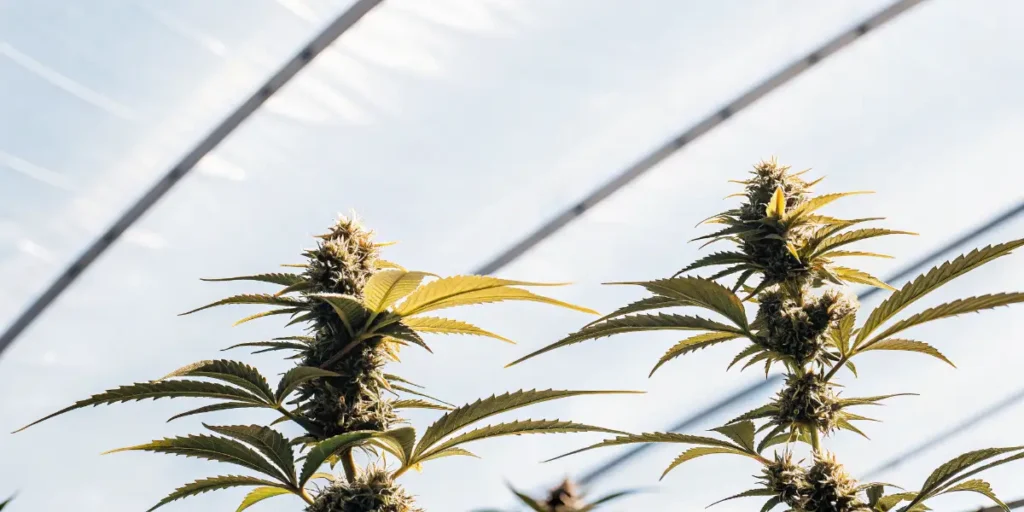
Cannabis’s rich aroma profile is primarily influenced by terpenes and chlorophyll, each contributing uniquely to the plant’s scent. Terpenes, such as myrcene, can create a skunky aroma, while chlorophyll offers a more vegetal fragrance. These compounds, integral to cannabis, affect both the sensory experience and the cultivation process. Mastering their nuances can significantly enhance your growing and consumption experience.
Recommended Strains


Knowing Chlorophyll and Terpene Smells
What is Chlorophyll Smell?
Chlorophyll, the green pigment crucial for photosynthesis, imparts a fresh, grassy scent to cannabis. The difference between chlorophyll smell vs terpene smell cannabis VOCs becomes especially noticeable in immature or poorly cured buds, where chlorophyll aromas can dominate over the plant’s natural terpene profile. This smell is more pronounced in improperly dried cannabis, as chlorophyll gradually breaks down during the curing process. Experienced growers emphasize the importance of proper curing to minimize chlorophyll’s vegetal aroma and allow the desired terpenes and VOCs to fully develop.
Proper curing involves maintaining a humidity level of 58-62% RH and temperatures between 59-70°F (15-21°C) to ensure chlorophyll degradation. This process can take 2-4 weeks, allowing terpenes to dominate the aroma profile. Failure to cure properly can result in a persistent chlorophyll smell, which many users find undesirable.
What is Terpene Smell?
Terpenes are aromatic compounds that give cannabis its distinctive scents, ranging from fruity to skunky. Myrcene, for instance, is known for its earthy, musky smell, often likened to cloves or skunk. This terpene can enhance THC’s psychoactive effects by facilitating its passage through the blood-brain barrier, a phenomenon known as the entourage effect.
In cannabis, terpenes like limonene and pinene contribute citrus and pine scents, respectively. These compounds not only define the aroma but also influence the plant’s therapeutic properties. For example, limonene, present at 0.5-1% in some strains, is known for its mood-enhancing effects, while pinene can improve alertness and memory.
Promos & Deals

The Science Behind Cannabis VOCs
How VOCs Influence Cannabis Aroma
Volatile organic compounds (VOCs) in cannabis, including terpenes and chlorophyll, are responsible for its potent aroma. Knowing the difference between chlorophyll smell vs terpene smell cannabis VOCs is important, as chlorophyll often creates a grassy scent while terpenes produce the distinct fruity, citrus, earthy, or skunky aromas associated with specific strains. These compounds evaporate easily, spreading the scent widely. This is why cannabis smells so strong, even when not directly handled. Terpenes like myrcene and limonene are particularly volatile, contributing to the plant’s pervasive aroma.
Volatile sulfur compounds also contribute to the distinct aroma of cannabis. Compounds such as 3-methyl-2-butene-1-thiol are responsible for the skunky smell, often associated with cannabis. These sulfur compounds, although present in trace amounts, significantly impact the overall scent profile.
Comparing Chlorophyll and Terpene Smells
The skunky smell is often attributed to specific terpenes and sulfur compounds, which are more desirable than the chlorophyll smell. The pervasive smell of cannabis is due to its volatile compounds spreading easily in the air, making it noticeable even in small quantities. This characteristic is why the smell of cannabis is everywhere, especially in urban environments. Classic aromatic genetics like Skunk are especially known for their pungent terpene profile and unmistakable skunky scent.
While chlorophyll’s scent is more vegetal, terpenes offer a complex aroma that enhances the user experience. Terpenes not only provide a pleasing scent but also contribute to the plant’s therapeutic effects. Knowing these differences can help in selecting strains that align with personal preferences. Aromatic varieties like Gelato 41 are especially valued for their rich terpene profiles, delivering sweet, creamy, and dessert-like flavors appreciated by many cannabis enthusiasts.
Practical Tips to Manage Cannabis Smells
Reducing Unwanted Smells in Cannabis
To reduce unwanted smells, ensure proper ventilation and use carbon filters in your grow space. These filters can effectively trap terpenes and other VOCs, preventing them from spreading. Additionally, maintaining a consistent temperature of 68-77°F (20-25°C) can help control odor by stabilizing terpene evaporation rates.
Hash can emit a strong smell when smoked, similar to cannabis flowers. To minimize this, consider using vaporizers, which produce less odor than traditional smoking methods. Unlit joints can still emit a noticeable smell due to the terpenes present, so store them in airtight containers to reduce their scent.
Professional Tips for Managing Cannabis Smells
- Maintain 58-62% RH during curing to enhance terpene profiles and reduce chlorophyll scent.
- Use carbon filters in grow rooms to trap VOCs and prevent strong odors from spreading.
- Store cannabis in airtight containers at 59-70°F (15-21°C) to preserve terpenes and minimize smell.
- Opt for vaporizing instead of smoking to reduce the strong smell associated with burning cannabis.
- Regularly clean grow spaces to prevent mold and mildew, which can contribute to unwanted odors.
- Consider using odor-neutralizing agents in storage areas to manage any residual smells effectively.
FAQs about chlorophyll smell vs terpene smell cannabis VOCs
Are terpenes a VOC?
Yes, terpenes are considered volatile organic compounds (VOCs). They evaporate easily at room temperature, contributing to the strong aroma of cannabis. Terpenes like myrcene and limonene, present at 0.5-1% in some strains, play a significant role in the plant’s scent and therapeutic properties.
What terpene makes cannabis smell skunky?
Myrcene is the terpene most often associated with the skunky smell in cannabis. It is present in concentrations of 0.5-1.5% in many strains. This terpene not only contributes to the earthy, musky aroma but also enhances the psychoactive effects of THC by increasing its absorption.
Does cannabis emit VOCs?
Yes, cannabis emits volatile organic compounds (VOCs), including terpenes and chlorophyll. These compounds are responsible for the plant’s distinct aroma. The emission of VOCs is influenced by factors such as temperature and humidity, which can affect the intensity of the cannabis smell.
Do cannabis terpenes smell?
Absolutely, cannabis terpenes are the primary contributors to the plant’s aroma. Each terpene has a unique scent profile, such as limonene’s citrusy smell or pinene’s pine-like aroma. These terpenes, present in varying concentrations, define the aromatic character of different cannabis strains.
How can I reduce the smell of cannabis in my home?
To reduce cannabis smell, use carbon filters and maintain proper ventilation in your grow space. Store cannabis in airtight containers and consider using vaporizers instead of smoking. Regular cleaning and using odor-neutralizing agents can also help manage the scent effectively.