Cannabis Root Extract in Skincare: The Role of Friedelin

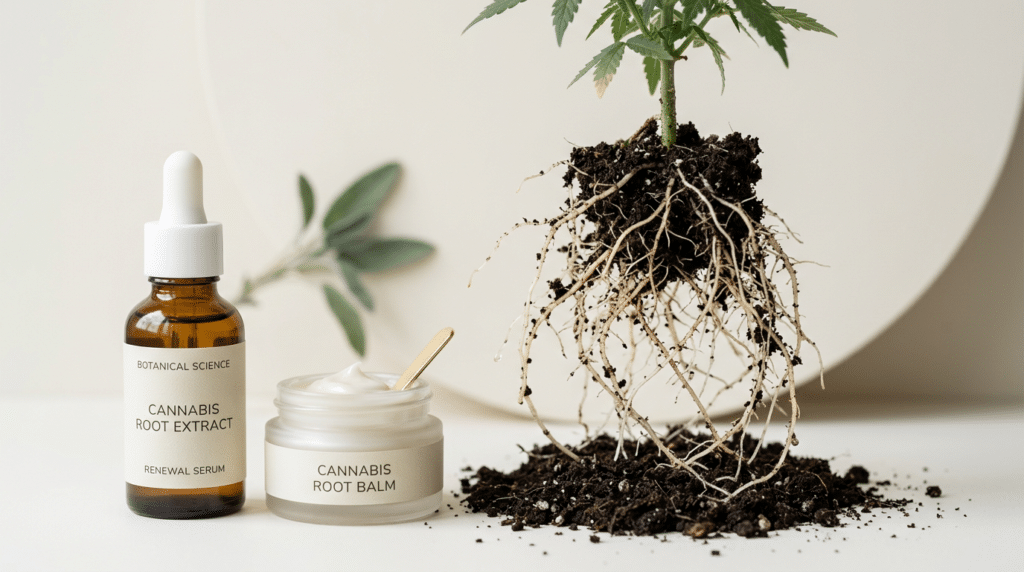
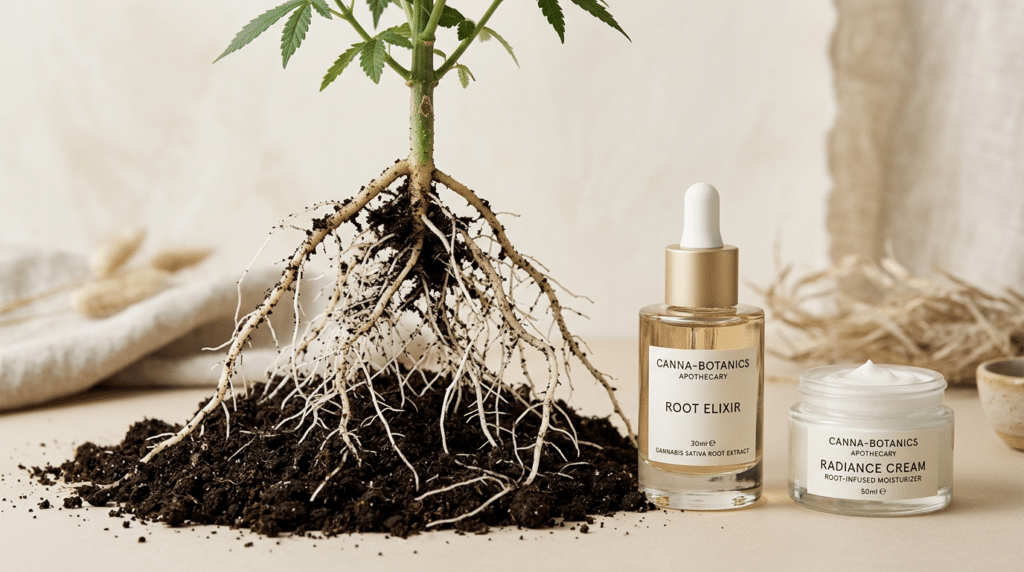
The cannabis industry has spent decades focused almost exclusively on flowers. That is changing. Researchers, formulators, and cosmetic brands are now looking downward, literally, at the roots of the plant, where a class of compounds called triterpenes, most notably friedelin, is opening a new chapter in botanical skincare.
Cannabis root extract is emerging as a differentiated ingredient in a market that is already growing fast: the global cannabis cosmetics market was valued at $5.48 billion in 2024 and is projected to reach $22.43 billion by 2029. Most of that growth has been driven by CBD. But the next wave is coming from plant parts that were previously considered waste.
Recommended Strains

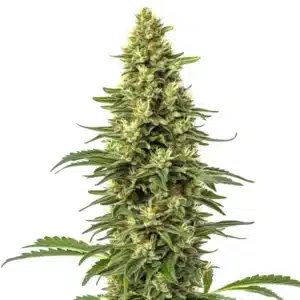
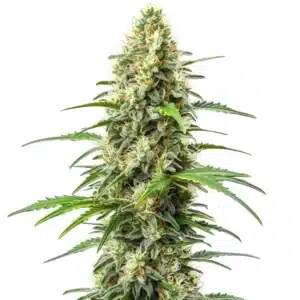
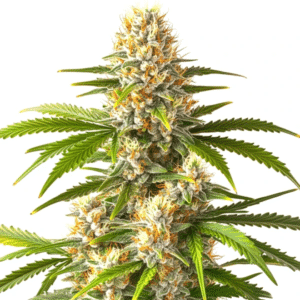
Somango

|
THC | 16% - 21% (Medium) |

|
Type | Feminized |

|
Yield | Medium |

|
Phenotype | 75% Indica / 25% Sativa |

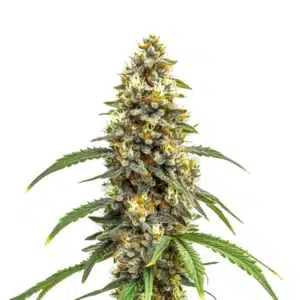
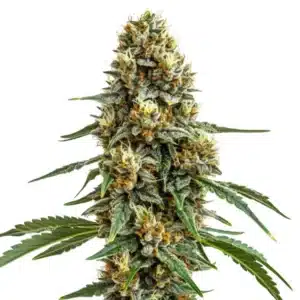
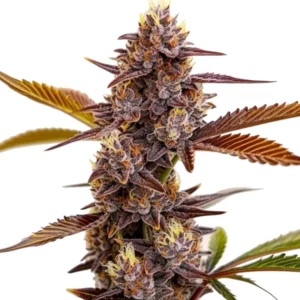
Black Cherry Soda
|
|
THC | 15% - 20% (Medium) |
|
|
Type | Feminized |
|
|
Yield | Low |
|
|
Phenotype | 50% Indica / 50% Sativa |
This article explores the science behind friedelin, why cannabis roots are being reconsidered as a cosmetic raw material, and how strain selection and cultivation practices affect extraction quality.
What Is Friedelin and What Does It Do in Skincare?
Friedelin is a pentacyclic triterpenoid a naturally occurring compound belonging to a class of molecules found across multiple plant species, including Cannabis sativa roots. Its companion compound, epifriedelanol, is typically co-extracted alongside it and has also been studied for its biological activity.
Unlike cannabinoids such as THC or CBD, friedelin does not interact with the endocannabinoid system. It is non-psychoactive and its relevance is entirely in topical applications, where research suggests it may:
- Support the skin’s natural anti-inflammatory response
- Contribute to antioxidant defense against environmental stressors
- Assist in maintaining skin barrier function
- Inhibit the growth of Propionibacterium acnes, the primary bacteria responsible for acne
That last point is particularly significant. A 2022 cosmeceutical study from a Malaysian research institution specifically examined friedelin extracted from cannabis roots for its antibacterial activity against P. acnes, finding it relevant for anti-acne formulation development. This moves friedelin beyond theoretical potential into concrete dermatological application.
Friedelin’s molecular stability is another advantage for cosmetic chemists. It resists degradation under standard storage conditions, making it practical for serums, creams, and long-shelf-life topicals.
Promos & Deals
The Science Behind Cannabis Roots as a Cosmetic Source
Cannabis roots contain a distinct phytochemical profile from the flower. They contain negligible levels of THC and CBD, but are a meaningful source of:
- Triterpenes: primarily friedelin and epifriedelanol
- Sterols: phytosterols with established roles in skincare
- Alkaloids: minor but bioactive compounds
A 2023 study published in Frontiers in Plant Science by researchers at Chulalongkorn University (Bangkok) found that hairy root cultures of Cannabis sativa treated with salicylic acid elicitation produced 1.95-fold higher friedelin levels than untreated roots (0.963 mg/g dry weight). This demonstrates that friedelin production is not fixed, it can be influenced by controlled cultivation techniques, opening the door for agronomically optimized root biomass for cosmetic-grade extraction.
It is important to maintain scientific honesty here: most research on friedelin involves multiple plant species, not exclusively cannabis. And while the anti-inflammatory and antioxidant properties of triterpenes are well-established in botanical science, specific clinical data for cannabis-derived friedelin in humans remains limited. The scientific framework is solid; the clinical pipeline is still developing.
From Agricultural Waste to Cosmetic Raw Material
Cannabis roots were historically discarded post-harvest. They contain no commercially relevant cannabinoids, which made them economically invisible. That perception is now shifting for two reinforcing reasons: sustainability pressure and ingredient differentiation.
On the sustainability side, using roots converts agricultural waste into revenue without expanding cultivation footprint. Root extraction coexists with flower production, both can run simultaneously from the same crop cycle, increasing the overall value of each plant without additional land use.
On the differentiation side, the cannabis cosmetics market is maturing. Brands built solely on “contains CBD” are losing their competitive edge as the ingredient becomes ubiquitous. Root-derived compounds like friedelin offer a genuine point of difference a specific molecule with a defined mechanism, sourced from a part of the plant that most brands ignore.
Empyri, a Canadian skincare brand, has built its entire product line around cannabis root extract as the hero ingredient, citing friedelin’s anti-inflammatory properties and its use in traditional Chinese medicine for over 1,000 years. Their topical products, including a toner with cannabis root extract, represent the commercial proof of concept that friedelin-based cosmetics can reach consumers.
How Genetics Affect Root Quality for Extraction
Even when the target is roots rather than flowers, strain selection remains critical. Root biomass, structural consistency, and triterpene concentration are all influenced by the plant’s genetics.
Strains bred for high yield and vigorous root development produce more extractable material per harvest cycle. Consistency matters especially at scale: a cosmetic ingredient manufacturer needs predictable chemical profiles across multiple batches, which requires stable genetics.
Examples of Blimburn Seeds genetics with relevant characteristics:
- Northern Lights: exceptional genetic stability and uniformity, critical for reproducible extraction profiles
- CBD Critical Mass: high biomass yield and robust growth, ideal for large-scale root production
- Blue Dream: strong adaptability to varied growing environments, supporting consistent root development
- AK-47: demonstrated growth vigor across substrates
Growers targeting root extraction can also optimize cultivation conditions to enhance triterpene content: controlling oxygen levels in the root zone, managing late-flowering nitrogen reduction, and selecting substrates that encourage deep, dense root structures.
Extraction and Processing: Turning Roots Into Cosmetic-Grade Ingredients
Extracting friedelin is a distinct process from cannabinoid extraction and requires its own specialized pipeline:
- Harvest and cleaning: roots are separated from substrate and thoroughly washed to eliminate soil, microbes, and organic residue.
- Drying: moisture must be reduced below critical thresholds to prevent degradation before processing.
- Milling: dried roots are ground to increase surface area for solvent contact.
- Extraction: solvent-based or supercritical CO₂ extraction isolates the triterpene fraction.
- Purification: chromatographic techniques separate friedelin and epifriedelanol from other compounds to achieve cosmetic-grade purity.
Each step must preserve compound integrity. Cosmetic formulations require documented purity levels, batch consistency, and safety validation, standards that demand more rigorous process control than standard cannabis extraction.
Regulatory Landscape: Why Friedelin Has a Simpler Path
One of friedelin’s underappreciated advantages is its regulatory position. Because it is non-psychoactive and not derived from the cannabinoid fraction of the plant, it sidesteps most of the regulatory complexity that surrounds CBD and THC in cosmetics.
Key considerations by region:
- United States: Cosmetic products must comply with FDA safety standards under the FD&C Act, but friedelin as a triterpene does not face the same regulatory ambiguity as CBD
- European Union: The SCCS issued a 2025 opinion validating CBD safety in cosmetics within defined limits a broader signal that cannabis-derived topical ingredients are gaining regulatory acceptance. Friedelin, being non-psychoactive, is even better positioned
- Labeling requirements still apply everywhere: ingredient sourcing, safety assessments, and accurate concentration disclosure are non-negotiable
Standardization remains the primary challenge. Root chemistry varies with genetics and cultivation, which means companies must validate consistency across batches, exactly why stable strains matter.
Market Positioning: Who Is This For?
Cannabis root extract with friedelin appeals to several distinct market segments:
Clean beauty brands seeking plant-based actives with documented anti-inflammatory science, beyond the saturated CBD narrative.
Anti-acne formulations: the P. acnes inhibition data gives friedelin a credible story in this high-value skincare category.
Anti-aging serums and creams: antioxidant triterpenes fit naturally into products targeting oxidative stress and environmental aging.
Sustainable beauty: the waste-to-value story resonates with eco-conscious consumers and aligns with growing clean beauty certification requirements.
For cannabis cultivators, this represents a genuine diversification opportunity. Every harvest cycle that currently discards roots is leaving a potential revenue stream on the table.
Future Outlook
Research interest in friedelin and cannabis root extract is accelerating. The next phase of development will likely include:
- Standardized extraction protocols enabling reliable ingredient supply at industrial scale
- Clinical data on friedelin specifically sourced from cannabis roots, building the evidence base for cosmetic efficacy claims
- Multi-ingredient synergies combining friedelin with cannabinoids, terpenes, and phytosterols in precision skincare systems
- Agronomic optimization, building on the Chulalongkorn University findings to develop elicitation protocols that maximize triterpene content in root biomass
The broader shift toward full-plant utilization in cannabis is structural, not cyclical. As the industry matures and the easy gains from CBD commoditization diminish, brands and cultivators will increasingly turn to underexplored plant fractions. Cannabis root extract, with friedelin at its center, is positioned to be part of that next chapter.
Frequently Asked Questions About Friedelin and Cannabis Root Extract
What is friedelin and where does it come from in the cannabis plant?
Friedelin is a pentacyclic triterpenoid found in the roots of Cannabis sativa, along with its companion compound epifriedelanol. It is not a cannabinoid and does not interact with the endocannabinoid system. Cannabis flowers contain negligible levels of friedelin, the compound is concentrated in root tissue, which is why root extraction is necessary to obtain it for cosmetic applications.
What are the potential skincare benefits of cannabis root extract?
Research on friedelin and related triterpenes suggests potential anti-inflammatory, antioxidant, and antibacterial properties. A 2022 cosmeceutical study found friedelin from cannabis roots relevant for inhibiting Propionibacterium acnes, the bacteria primarily responsible for acne. Triterpenes are also studied for supporting skin barrier function and protecting against oxidative stress. However, large-scale human clinical trials for cannabis-specific friedelin are still limited, and regulatory bodies have not approved specific medical claims.
Is cannabis root extract legal for use in skincare products?
In most markets, yes. Because friedelin is non-psychoactive and derived from a non-cannabinoid fraction of the plant, it faces fewer regulatory barriers than CBD or THC-based ingredients. In the U.S., cosmetic ingredients must comply with FDA safety standards but do not require pre-market approval. In the EU, cannabis-derived cosmetic ingredients are increasingly regulated with greater clarity, including a 2025 SCCS scientific opinion on topical cannabinoid safety. Brands should still conduct batch-specific safety assessments and ensure accurate labeling.
Which cannabis strains are best for root extraction of friedelin?
Strains that produce high biomass, vigorous root systems, and stable genetic profiles are most suitable. For large-scale operations, consistency across harvests is critical since cosmetic ingredient manufacturers require predictable chemical profiles. Genetics like Northern Lights and Critical Mass from Blimburn Seeds offer the combination of stability and yield that root extraction programs demand. Research also indicates that certain cultivation techniques, including elicitation with salicylic acid, can significantly boost friedelin levels in root tissue.