Cannabis Odor, VOCs, and Headache Insights

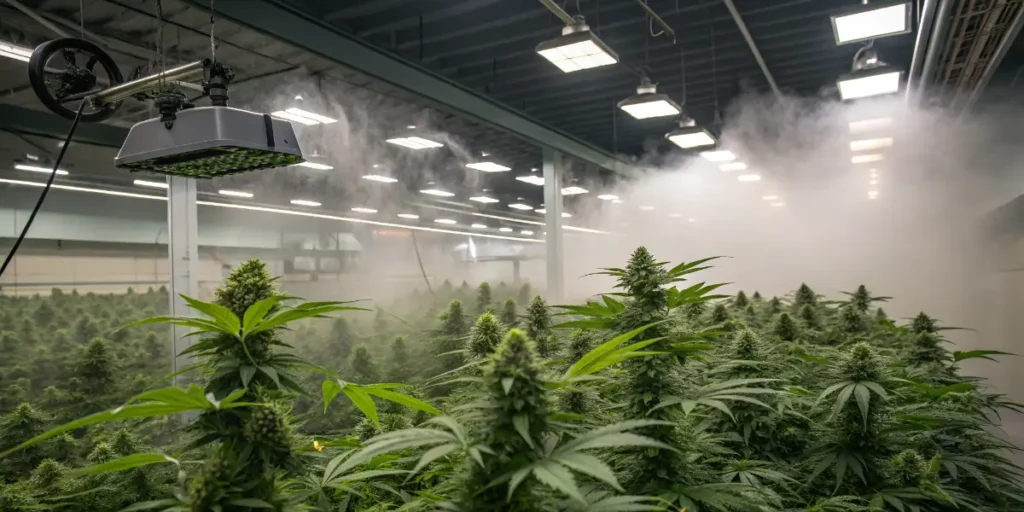
Volatile Organic Compounds (VOCs) in Cannabis: Concerns about cannabis odor VOCs and headaches have increased as cannabis odor is often linked to headaches caused by volatile organic compounds (VOCs), which are responsible for the plant’s strong smell. These compounds can affect people differently, with some individuals experiencing headaches after exposure. A survey found that 30% of people exposed to cannabis odor reported headaches, emphasizing the importance of effective odor control strategies and proper indoor ventilation systems.
The complex aroma of cannabis is primarily due to terpenes and VOCs, which are crucial in determining the plant’s scent profile. Terpenes like myrcene and limonene not only contribute to fragrance but also interact with cannabinoids to enhance effects. Knowing these compounds can help manage the strong odors often associated with cannabis cultivation.
Recommended Strains

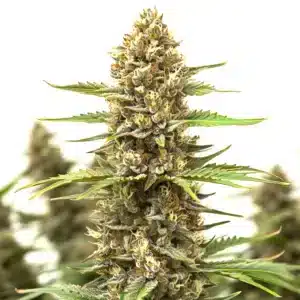
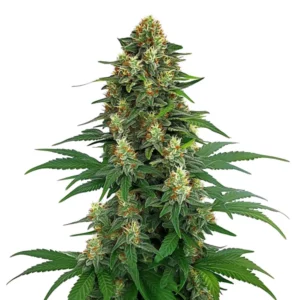
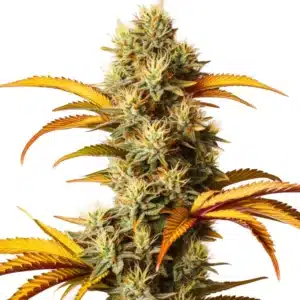
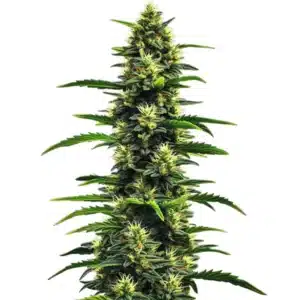
Blue Dream Autoflower

|
THC | 10% - 13% (Low) |

|
Type | Autoflowering |

|
Yield | Medium |

|
Phenotype | 30% Indica / 70% Sativa |

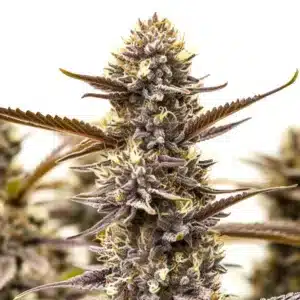
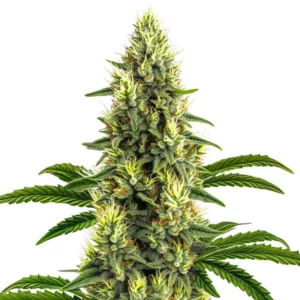
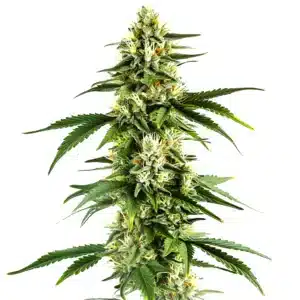
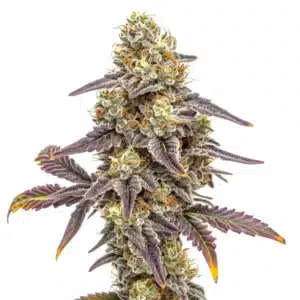
Gelato 45
|
|
THC | 22% - 24% (High) |
|
|
Type | Feminized |
|
|
Yield | High |
|
|
Phenotype | 60% Indica / 40% Sativa |
What are VOCs and How Do They Relate to Cannabis?
The Science Behind VOCs in Cannabis
VOCs in cannabis are organic chemicals that evaporate easily, contributing to the plant’s distinctive smell. These compounds include terpenes, which are responsible for the aromatic profile. For instance, myrcene, a common terpene, ranges from 0.8-1.2% and imparts earthy notes. These VOCs can interact with the endocannabinoid system, enhancing THC’s effects.
Terpenes like limonene, found in concentrations of 0.5-0.8%, provide citrusy aromas and may elevate mood. Caryophyllene, at 0.4-0.7%, offers spicy notes and interacts with CB2 receptors, potentially reducing inflammation. These compounds are crucial for the entourage effect, where they work synergistically with cannabinoids to modulate effects.
Practical Application & Impact
VOCs not only define the sensory experience but also play a role in the plant’s interaction with the environment. High concentrations of VOCs can lead to noticeable odors, which is why odor control is vital in cultivation. Growers often use carbon filters to mitigate these smells, ensuring compliance with local regulations.
Expert Tip: Maintain a VOC-friendly environment by using activated carbon filters in grow tents. This helps contain the smell and prevents it from permeating outside. A common mistake is neglecting filter maintenance, which can reduce effectiveness over time.
Promos & Deals
Can Cannabis Odor Cause Headaches?
Connection Between Cannabis Odor VOCs and Headaches
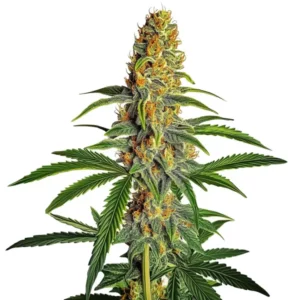
The strong odor of cannabis is due to VOCs, and concerns related to cannabis odor VOCs and headaches are becoming more common among sensitive individuals. These compounds can trigger headaches in some people, similar to how strong perfumes or cleaning agents may affect those prone to migraines. The prevalence of cannabis odor in urban areas is increasing, leading to more reports of odor-induced headaches and indoor air quality concerns.
According to experienced growers, the intensity of the smell can vary significantly depending on the strain and growing conditions. For example, strains high in limonene might be more likely to cause headaches due to their sharp citrus aroma. Cultivators often choose strains with milder scent profiles to minimize this issue.
Effective Odor Control Solutions
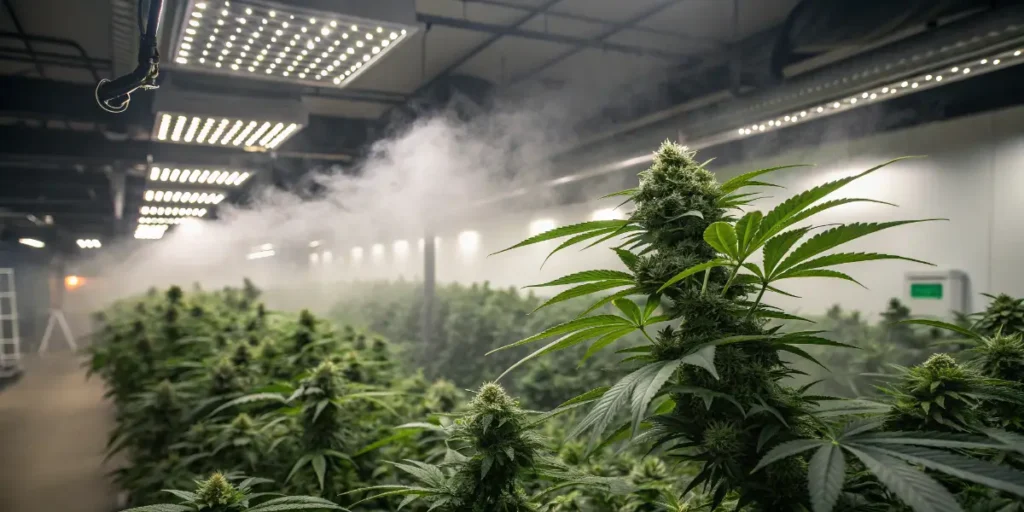
When discussing effective odor control solutions, we explore the best cannabis smell removers available. Concerns related to cannabis odor VOCs and headaches have increased among growers and nearby residents, making proper odor management more important than ever. Activated carbon filters remain the gold standard for indoor grows, capable of trapping VOCs and reducing odors by up to 90%. For outdoor grows, strategic planting and windbreaks can help manage the spread of scents. Growers cultivating aromatic strains such as Gelato 45 should pay special attention to ventilation and odor mitigation due to the strain’s rich terpene profile and strong aroma during flowering.
Expert Tip: For outdoor grows, consider planting companion plants like lavender or mint, which can naturally mask cannabis odors. A common oversight is not accounting for wind direction, which can carry smells far beyond the grow site.
Common Questions About Cannabis Odor
Addressing Concerns and Misconceptions
When it comes to cannabis odor, many wonder, “Will 2 plants smell?” The answer is yes, even two plants can produce a noticeable smell, especially if grown indoors. Proper ventilation and odor control measures are essential to manage this effectively. Aromatic strains like Blue Dream Auto are especially known for their sweet and fruity terpene profiles, which can become quite noticeable during the flowering stage.
Do hemp plants smell? While hemp plants do have a scent, it’s generally milder compared to cannabis due to lower terpene concentrations. This makes them less likely to cause odor-related issues.
Does hash smell strong? Hash typically has a concentrated aroma, often stronger than dried cannabis flowers. This is due to the high concentration of terpenes and cannabinoids, which can intensify the scent.
Professional Tips for Managing Cannabis Odor
- Use activated carbon filters to maintain 90% odor reduction in grow tents. Neglecting filter maintenance can lead to reduced efficiency.
- Maintain 58-62% RH during curing to preserve terpene profiles. Too low humidity can lead to terpene loss, affecting aroma.
- For outdoor grows, plant lavender or mint to naturally mask cannabis odors. Failing to consider wind direction can lead to widespread scent issues.
- Implement a 12/12 light schedule during flowering to optimize terpene production. Deviating from this can result in reduced aromatic compounds.
- Regularly check and replace carbon filters every 6 months to ensure optimal odor control. Overused filters can become ineffective.
- Use ozone generators cautiously, as excessive use can damage plant terpenes. Always monitor ozone levels to prevent plant stress.
FAQs About cannabis odor VOCs and headaches
Can the smell of cannabis give you headaches?
Yes, the smell of cannabis can give some people headaches, especially those sensitive to strong odors. The presence of VOCs, which are responsible for the plant’s aroma, can trigger headaches in about 30% of exposed individuals. Managing exposure and using odor control measures can help mitigate this effect.
Does cannabis emit VOCs?
Yes, cannabis emits VOCs, which include terpenes and other aromatic compounds. These VOCs contribute to the plant’s distinct smell and can vary in concentration depending on the strain. High VOC levels can lead to strong odors, making odor management crucial in cultivation.
Can the smell of cannabis plants affect you?
The smell of cannabis plants can affect individuals differently. While some may enjoy the aroma, others might experience discomfort, such as headaches or nausea, due to VOC exposure. This is why effective odor control is essential, especially in indoor growing environments.
Can strong odors cause headaches?
Strong odors, including those from cannabis, can cause headaches in sensitive individuals. This is due to the high concentration of VOCs, which can irritate the nasal passages and lead to discomfort. Managing exposure to such odors is important for those prone to headaches.
How to remove cannabis smell from clothes?
To remove cannabis smell from clothes, wash them with baking soda and vinegar, which neutralize odors. For persistent smells, hanging clothes in fresh air or using odor-eliminating sprays can be effective. Regular washing and airing out can prevent odors from setting in.