VOC Levels in Cannabis Facilities: Ensuring Workplace Safety

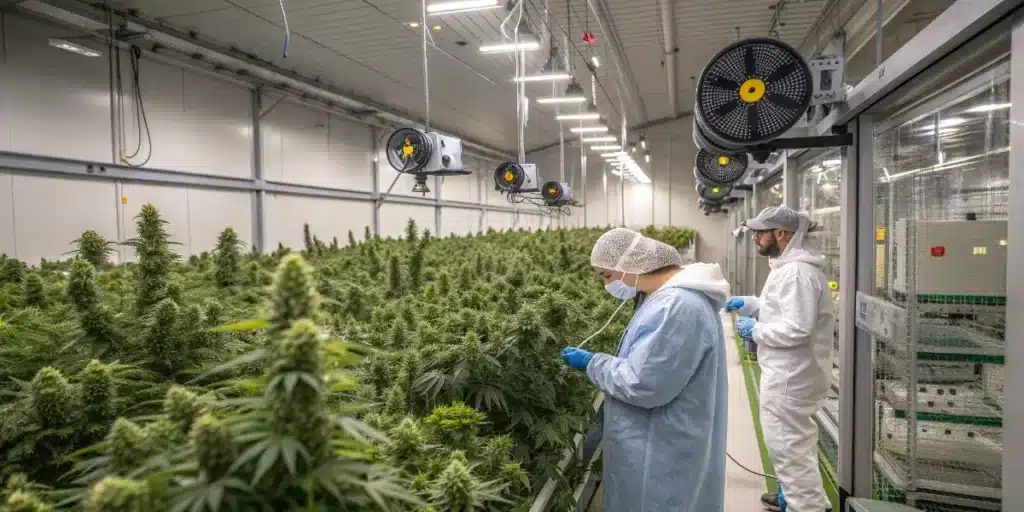
VOC levels in cannabis facilities: Monitoring volatile organic compounds (VOCs) is essential for maintaining workplace safety in cannabis facilities. Knowing VOC levels in cannabis facilities workplace safety is critical because VOCs can significantly impact air quality and pose health risks to employees. Facilities equipped with efficient ventilation systems have reported a 30% reduction in health complaints, emphasizing the importance of managing VOC levels to ensure a safer and healthier working environment.
In cannabis cultivation, terpenes play a pivotal role, not just for aroma but also for potential VOC emissions. Facilities must balance terpene production with air quality control. Flowering times, often ranging from 8-10 weeks, influence VOC concentrations. Managing these factors is crucial for worker safety and optimal plant health.
Recommended Strains
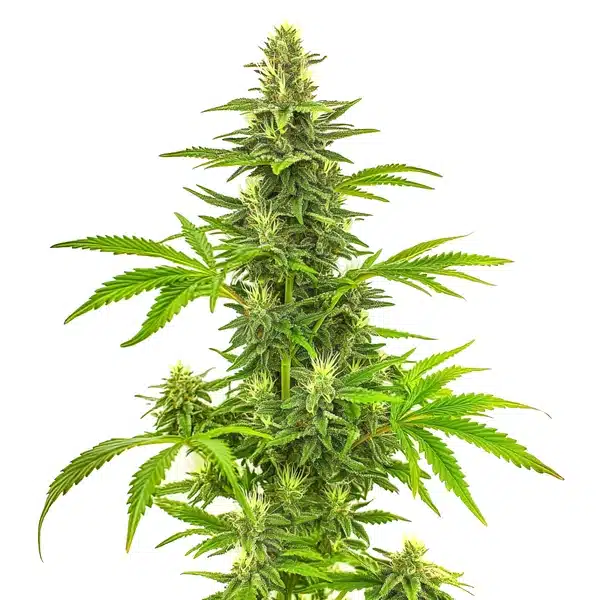
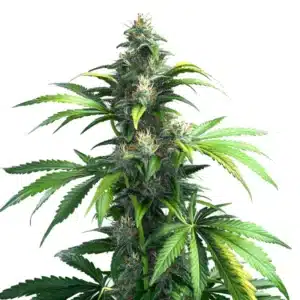
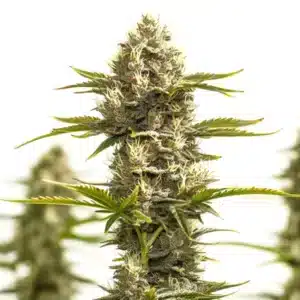
Bruce Banner Fast Version

|
THC | 25% - 32% (High) |

|
Type | Fast Flowering |

|
Yield | High |

|
Phenotype | 70% Indica / 30% Sativa |

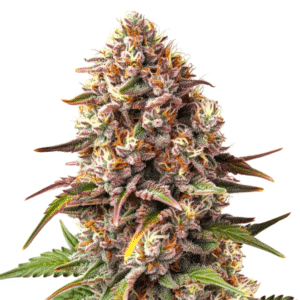
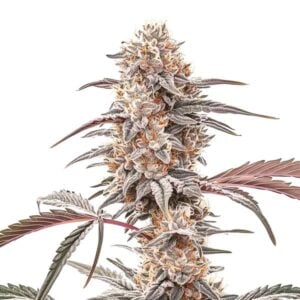
Ooze
|
|
THC | 19% - 23% (Medium) |
|
|
Type | Feminized |
|
|
Yield | Medium |
|
|
Phenotype | 70% Indica / 30% Sativa |
VOC Levels in Cannabis Facilities
What are VOCs and How Do They Affect Air Quality?
Volatile Organic Compounds (VOCs) are organic chemicals that evaporate at room temperature, affecting indoor air quality. In cannabis facilities, VOCs are primarily emitted during the flowering stage, where terpenes like myrcene and limonene are released. These compounds can contribute to respiratory issues and headaches if not managed properly. Monitoring VOC levels in cannabis facilities workplace safety protocols is essential to reduce health risks and maintain a safer environment for cultivation workers and processing staff.
Effective ventilation systems are crucial, maintaining air exchange rates of at least 20 air changes per hour. This reduces VOC concentration, ensuring compliance with occupational health standards. Without proper air management, VOC levels can exceed 500 parts per billion, posing significant health risks.
Practical Applications and Impact
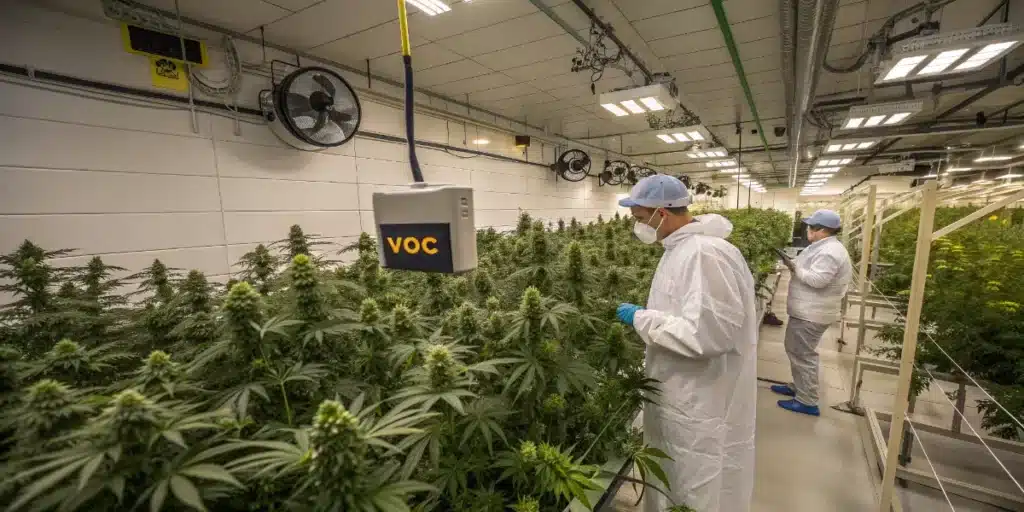
Implementing air filtration systems with activated carbon filters can capture up to 95% of VOCs, significantly improving air quality. Regular monitoring using VOC sensors is essential, providing real-time data to adjust ventilation as needed. This proactive approach minimizes health complaints and enhances worker safety.
Experienced growers recommend maintaining a relative humidity of 50-60% to prevent mold growth while controlling VOC emissions. Neglecting humidity control can lead to increased VOC levels and compromised plant health.
Promos & Deals
Workplace Safety Issues Related to VOCs
Common Hazards in Cannabis Facilities
Cannabis facilities face unique workplace safety issues due to VOC emissions, making VOC levels in cannabis facilities workplace safety an increasingly important concern for the industry. These compounds can lead to dizziness, nausea, and long-term respiratory problems. Workers exposed to VOC levels above 500 ppb may experience chronic health issues, emphasizing the need for stringent safety protocols, proper ventilation systems, and continuous air quality monitoring.
Regular training on VOC management and safety equipment usage is vital. Personal protective equipment (PPE), such as masks and gloves, should be mandatory in high-exposure areas. This reduces direct contact with VOCs, safeguarding worker health.
Workplace Safety Tips for Managing VOCs
Implementing comprehensive safety protocols is essential for managing VOC exposure. Regular maintenance of HVAC systems ensures optimal performance, reducing VOC accumulation. Facilities should conduct air quality assessments bi-annually to identify potential hazards. In cultivation environments working with potent and terpene-rich genetics such as Ooze, maintaining proper ventilation and air filtration becomes even more important for improving indoor air quality and supporting worker safety.
Utilizing low-VOC cleaning products can further reduce indoor VOC levels. Many cultivators report that switching to eco-friendly alternatives decreases VOC concentrations by up to 20%. This simple change enhances overall workplace safety.
CDC Safety Topics and Recommendations
Occupational Health Topics for Cannabis Workers
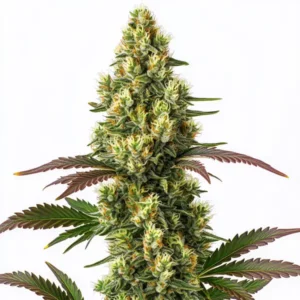
The CDC emphasizes the importance of monitoring VOC levels in cannabis facilities to prevent occupational health issues. Regular air quality testing and employee health screenings are recommended to identify potential risks early. Cultivators working with high-resin genetics such as Bruce Banner Fast Version should also prioritize proper ventilation and environmental control to maintain safer indoor growing conditions.
Providing workers with access to health resources and training on VOC exposure can improve safety outcomes. Facilities should establish clear communication channels for reporting health concerns related to VOC exposure.
Professional Tips for Managing VOCs
- Maintain 20 air changes per hour to reduce VOC concentration. This ensures compliance with safety standards and minimizes health risks.
- Utilize activated carbon filters in ventilation systems to capture 95% of VOCs. Regular filter replacement is crucial for optimal performance.
- Conduct air quality assessments every six months. This proactive measure identifies potential hazards before they impact worker health.
- Switch to low-VOC cleaning products to reduce indoor VOC levels by up to 20%. This simple change enhances workplace safety.
- Provide regular training on VOC management and PPE usage. This empowers workers to protect themselves effectively.
- Ensure relative humidity remains between 50-60% to control VOC emissions and prevent mold growth.
FAQs about VOC levels in cannabis facilities workplace safety
What hazards apply to cannabis facility workers?
Cannabis facility workers face hazards such as VOC exposure, which can lead to respiratory issues and headaches. High VOC levels, exceeding 500 ppb, can cause chronic health problems. Proper ventilation and PPE usage are essential to mitigate these risks and ensure a safe working environment.
Does cannabis emit VOCs?
Yes, cannabis plants emit VOCs, particularly during the flowering stage. Terpenes like myrcene and limonene are common VOCs released, affecting air quality. Monitoring and managing these emissions are crucial to maintaining safe VOC levels in cannabis facilities.
What are the risks of working at a dispensary?
Dispensary workers may face VOC exposure from cannabis products, leading to respiratory issues. Proper ventilation and air quality monitoring can reduce these risks. Facilities should ensure VOC levels remain below 500 ppb to protect employee health.
Can my employer see if I went to a dispensary?
No, your employer cannot access your dispensary visits. Privacy laws protect consumer information, ensuring that your purchasing habits remain confidential. Employers are not permitted to inquire about or track your dispensary visits.
Are there specific VOC-related risks in dispensaries?
Dispensaries can experience elevated VOC levels due to product handling and storage. Without proper ventilation, VOC concentrations can exceed safe limits, posing health risks. Regular air quality assessments and ventilation improvements are recommended to maintain a safe environment.