Ventilation Requirements for Cannabis: Managing VOCs

Effective Ventilation in Cannabis Cultivation: Managing ventilation is crucial for reducing volatile organic compounds (VOCs) in cannabis facilities, especially when addressing ventilation requirements cannabis VOCs in indoor grow environments. Proper systems can lower VOC levels by up to 50%, creating a safer and more controlled environment. This reduction is essential for maintaining air quality and ensuring compliance with health standards, which is vital for both plant health and worker safety.
In cannabis cultivation, terpenes like myrcene and limonene contribute to the plant’s aroma and therapeutic effects. However, these same compounds are classified as volatile organic compounds (VOCs), which require careful management. With flowering times ranging from 8 to 10 weeks, ensuring proper air circulation is crucial to prevent VOC accumulation and maintain a healthy grow environment.
Recommended Strains
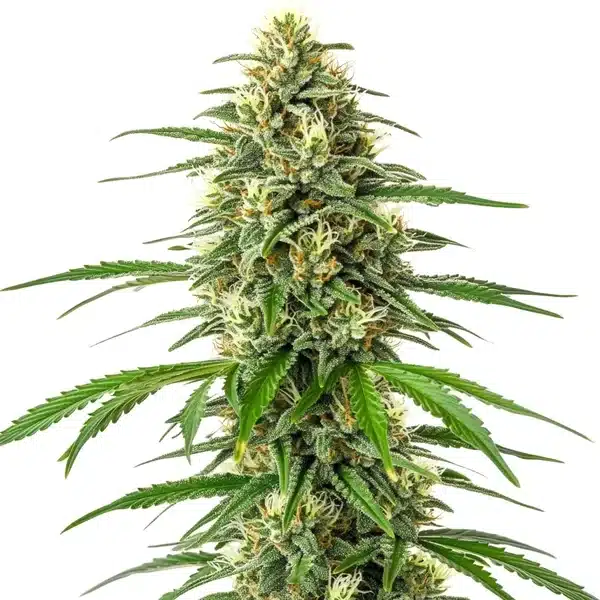
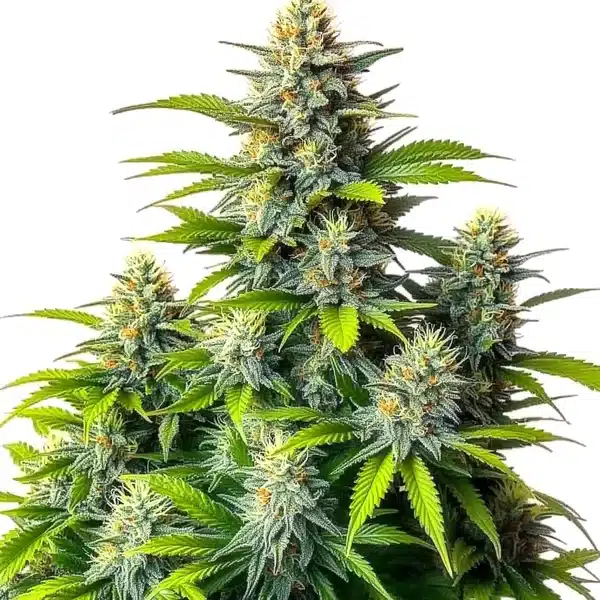
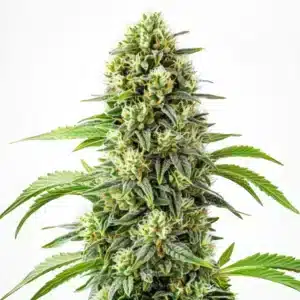
Critical x Amnesia

|
THC | 19% - 22% (Medium) |

|
Type | Feminized |

|
Yield | High |

|
Phenotype | 60% Indica / 40% Sativa |
Chemdog Diesel Auto
|
|
THC | 17% - 21% (Medium) |
|
|
Type | Autoflowering |
|
|
Yield | Medium |
|
|
Phenotype | 55% Indica / 45% Sativa |
VOCs in Cannabis Cultivation
What are VOCs?
Volatile organic compounds (VOCs) are organic chemicals that have a high vapor pressure at room temperature. This characteristic allows them to evaporate easily into the atmosphere. In cannabis cultivation, VOCs are emitted from plant materials, including terpenes and other aromatic compounds. These emissions can contribute to air quality issues if not properly managed, which is why knowing ventilation requirements cannabis VOCs is essential for maintaining safe indoor grow environments. Proper ventilation helps protect both plant health and human safety by reducing the accumulation of airborne compounds.
VOCs in cannabis are primarily composed of terpenes such as myrcene, limonene, and pinene. Myrcene, for instance, is present in concentrations ranging from 0.5% to 2.0% and contributes to the earthy aroma of strains like Critical X Amnesia. These compounds can enhance the psychoactive effects of THC by facilitating its passage across the blood-brain barrier.
Sources of VOCs in Cannabis
In cannabis cultivation, VOCs originate from various sources, including the plants themselves during growth and flowering stages. The highest emissions occur during the flowering phase when terpene production peaks. Additionally, VOCs can be released from fertilizers, pesticides, and other cultivation inputs, contributing to the overall VOC load in the environment.
Proper management of these emissions is critical. For example, using organic fertilizers can reduce the introduction of synthetic VOCs. Moreover, implementing integrated pest management (IPM) strategies minimizes the need for chemical pesticides, thereby reducing VOC emissions. Cultivators often report that maintaining a balanced nutrient regimen helps in controlling VOC levels effectively.
Promos & Deals
Ventilation Requirements for Cannabis Cultivation
Types of Ventilation Systems
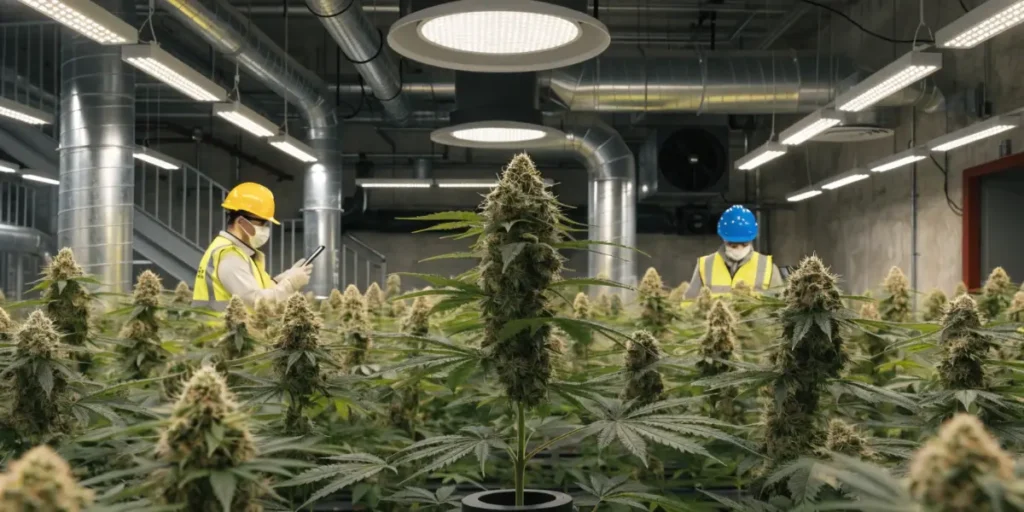
Ventilation systems in cannabis cultivation can be broadly categorized into passive and active systems. Passive ventilation relies on natural airflow, while active systems use mechanical devices like fans and filters. Active systems are more effective for controlling VOC levels, especially when addressing ventilation requirements cannabis VOCs, as they can be precisely adjusted to meet the specific needs of the grow environment and maintain safer indoor air quality.
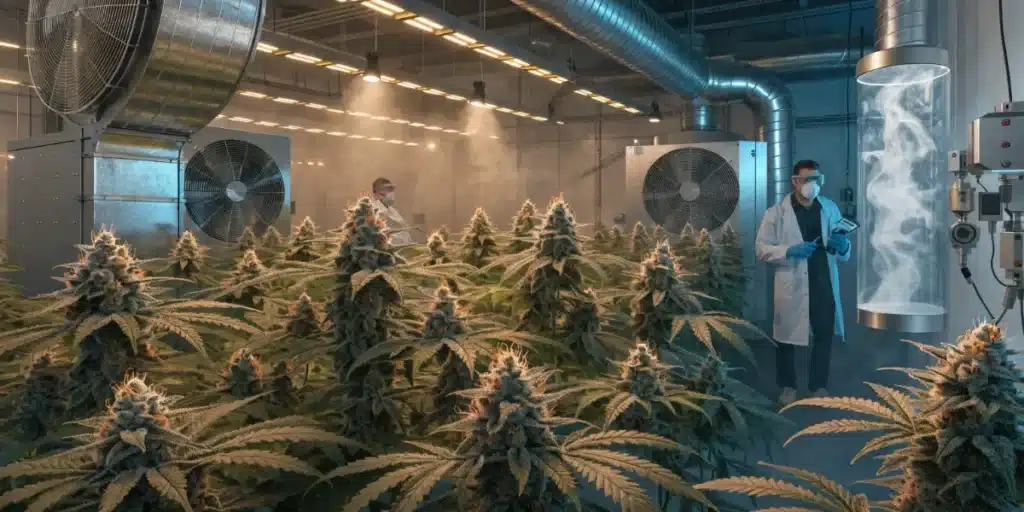
For indoor grows, a combination of exhaust fans and carbon filters is often used to manage VOCs. These systems can achieve air exchange rates of 20-30 times per hour, significantly reducing VOC concentrations. In greenhouses, ridge vents and sidewall vents are commonly employed to enhance natural ventilation, which can be supplemented with fans during peak VOC emission periods.
How Ventilation Reduces VOCs
Ventilation systems reduce VOCs by diluting the concentration of these compounds in the air. This is achieved by continuously exchanging indoor air with fresh outdoor air, which lowers the overall VOC load. Effective ventilation not only improves air quality but also helps in maintaining optimal temperature and humidity levels, which are crucial for plant health.
Experienced growers suggest maintaining a temperature of 68°F – 77°F (20°C – 25°C) and a relative humidity of 40-50% during flowering to optimize VOC management. This range prevents the excessive buildup of VOCs while supporting healthy plant growth, especially when cultivating aromatic strains like Chemdog Diesel Auto. A common mistake is underestimating the importance of air circulation, which can lead to stagnant air and increased VOC levels.
Compliance with VOC Standards
Acceptable Levels of VOCs
Regulatory standards for VOCs in cannabis cultivation vary by region, but generally, indoor air quality should not exceed 500 ppb (parts per billion) for total VOCs. These standards are designed to protect both workers and plants from the harmful effects of excessive VOC exposure. Compliance is crucial for maintaining operational licenses and ensuring workplace safety.
Regular monitoring of VOC levels is essential. Using digital VOC meters can provide accurate readings, helping growers maintain compliance. Many cultivators recommend calibrating these devices monthly to ensure precision. A common oversight is neglecting to document VOC levels, which can lead to regulatory issues during inspections.
Guidelines for Cannabis Growers
To meet VOC standards, growers should implement comprehensive air management strategies. This includes using high-efficiency particulate air (HEPA) filters and activated carbon filters to capture VOCs effectively. Additionally, maintaining a clean grow environment minimizes the accumulation of VOCs from dust and debris.
Experienced cultivators suggest conducting regular maintenance checks on ventilation systems to ensure optimal performance. A proactive approach to system upkeep can prevent costly repairs and downtime. Avoiding these checks can lead to inefficient VOC management, compromising both plant health and regulatory compliance.
Professional Tips for Managing VOCs in Cannabis Cultivation
- Maintain 68°F – 77°F (20°C – 25°C) in grow rooms to optimize VOC management. Extreme temperatures can increase VOC emissions, impacting air quality.
- Use carbon filters with a minimum rating of 90% efficiency to capture VOCs. Lower-rated filters may allow harmful compounds to escape.
- Ensure air exchange rates of 20-30 times per hour for effective VOC reduction. Insufficient ventilation can lead to stagnant air and increased VOC levels.
- Calibrate VOC meters monthly for accurate readings. Inaccurate measurements can result in non-compliance with air quality standards.
- Implement integrated pest management (IPM) to reduce chemical pesticide use. Excessive pesticide application can elevate VOC emissions.
- Document VOC levels regularly to demonstrate compliance during inspections. Lack of documentation can lead to regulatory penalties.
FAQs about ventilation requirements cannabis VOCs
Does cannabis emit VOCs?
Yes, cannabis plants emit volatile organic compounds (VOCs), primarily in the form of terpenes. These emissions are most significant during the flowering stage. Managing VOC levels is crucial to ensure air quality in cultivation facilities, with recommended levels not exceeding 500 ppb.
How much VOC is acceptable?
Acceptable VOC levels in cannabis cultivation typically should not exceed 500 ppb. This threshold helps protect both plant health and worker safety. Regular monitoring with calibrated VOC meters is advised to maintain compliance with these standards.
Does ventilation reduce VOCs?
Ventilation effectively reduces VOCs by diluting them with fresh air. Systems that achieve 20-30 air exchanges per hour can significantly lower VOC concentrations, improving air quality and ensuring regulatory compliance.
Do cannabis plants need ventilation?
Yes, proper ventilation is essential for cannabis plants to thrive. It helps control temperature, humidity, and VOC levels, which are critical for healthy growth and preventing mold and pest issues.
What are the best ventilation systems for cannabis cultivation?
Active ventilation systems, including exhaust fans and carbon filters, are highly effective for cannabis cultivation. They provide precise control over air exchange rates and VOC management, which are crucial for maintaining optimal growing conditions.