Are Cannabis VOCs Harmful to Indoor Air Quality?

Impact of Cannabis VOCs: Cannabis plants release volatile organic compounds (VOCs) that can affect indoor air quality. Many growers ask, are cannabis VOCs harmful indoor air quality, especially in enclosed cultivation spaces. While not all VOCs are harmful, certain compounds may contribute to health issues, particularly in inadequately ventilated areas. Effective ventilation is crucial in indoor grow operations to mitigate the potential increase in indoor air pollution levels caused by cannabis VOCs.
Volatile organic compounds (VOCs) from cannabis can influence indoor environments significantly. These compounds, including terpenes, contribute to the plant’s aroma and potential effects. Terpenes like myrcene and limonene, common in strains such as Blueberry, can enhance THC uptake and offer citrusy notes. Knowing their role in indoor air quality is crucial for effective cultivation.
Recommended Strains


VOCs and Their Sources
What Are VOCs?
Volatile organic compounds (VOCs) are chemicals that easily evaporate at room temperature, contributing to indoor air pollution. Many growers wonder, are cannabis VOCs harmful indoor air quality, especially in enclosed cultivation environments with limited ventilation. These compounds originate from various sources, including building materials, cleaning products, and plants like cannabis. In the context of cannabis, VOCs include terpenes and other aromatic compounds that contribute to the plant’s distinctive scent.
In cannabis cultivation, VOCs are released during the flowering phase, with concentrations influenced by environmental factors such as temperature and humidity. Maintaining a temperature of 68°F – 77°F (20°C – 25°C) can optimize terpene production while minimizing VOC emissions.
Common Sources of VOCs Indoors
Indoor environments host numerous VOC sources, including paints, varnishes, and household products. Cannabis cultivation adds to this mix, as the plants emit VOCs during growth. Knowing these sources helps in managing their impact on indoor air quality, especially in grow rooms where VOC concentrations can be significant.
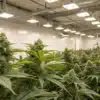
Effective ventilation systems are essential in reducing VOC levels indoors. Growers often use carbon filters and exhaust fans to maintain air quality, ensuring that VOC concentrations remain below harmful levels. This approach is crucial in preventing VOC poisoning symptoms such as headaches and dizziness.
Promos & Deals
Cannabis and VOC Emissions
How Does Cannabis Emit VOCs?
Cannabis plants emit VOCs primarily through their trichomes, which produce terpenes and other aromatic compounds. These VOCs are released into the air, contributing to the plant’s aroma and potential effects. Many growers wonder, are cannabis VOCs harmful indoor air quality, especially in enclosed cultivation spaces with limited ventilation. The emission rate depends on factors such as plant genetics, environmental conditions, and cultivation practices.
For example, strains like GG4 are known for their high resin production, which correlates with increased VOC emissions. Managing these emissions involves controlling environmental parameters, such as maintaining a relative humidity of 60% – 70% to optimize terpene retention while minimizing VOC release.
Are Cannabis VOCs Harmful to Indoor Air Quality?
The impact of cannabis VOCs on indoor air quality varies depending on concentration and ventilation. While not all VOCs are harmful, some can degrade air quality, especially in poorly ventilated spaces. The volatile organic compounds impact on indoor air quality by contributing to the overall VOC load, which can affect respiratory health.
To address concerns about whether all VOCs are harmful, it’s crucial to differentiate between those that pose health risks and those that do not. Cannabis VOCs, primarily terpenes, are generally considered less harmful compared to industrial VOCs, but their accumulation in confined spaces can still present challenges.
Health Implications of VOCs
VOC Poisoning Symptoms and Treatment
Exposure to high levels of VOCs can lead to various health effects, including headaches, dizziness, and respiratory issues, which raises the question are cannabis VOCs harmful indoor air quality. These VOC poisoning symptoms are often exacerbated in environments with poor ventilation. Treatment typically involves removing the source of exposure and improving air circulation.
In severe cases, medical intervention may be necessary. Growers should be aware of the signs of VOC poisoning and implement measures to prevent excessive exposure, such as using air purifiers and ensuring adequate ventilation in grow spaces.
Which VOCs Are Carcinogenic?
Not all VOCs are carcinogenic, but some, such as benzene and formaldehyde, are known to pose cancer risks. In the context of cannabis, the VOCs emitted are primarily terpenes, which are not considered carcinogenic. However, the presence of other VOCs in indoor environments can contribute to health risks.
Knowing which VOCs are carcinogenic is essential for maintaining safe indoor air quality. Growers should focus on minimizing exposure to harmful VOCs by selecting low-emission materials and implementing effective ventilation strategies.
Mitigating VOC Impact in Indoor Environments
What Level of VOC Is Dangerous?
The danger level of VOCs depends on the specific compound and its concentration. Generally, VOC levels above 500 ppb (parts per billion) are considered concerning for indoor air quality. In cannabis cultivation, maintaining VOC levels below this threshold is crucial for ensuring a safe environment.
Growers can achieve this by using air filtration systems and monitoring VOC concentrations regularly. Knowing what level of VOC is dangerous helps in implementing effective control measures and maintaining healthy indoor air quality.
Improving Indoor Air Quality
Improving indoor air quality, especially when considering are cannabis VOCs harmful indoor air quality, involves reducing VOC emissions and enhancing ventilation. One common method is using activated carbon filters, which effectively remove VOCs from the air. Additionally, maintaining a balanced temperature and humidity level can prevent the buildup of VOCs.
Formaldehyde (HCHO) is a significant concern in indoor air quality, often originating from building materials. Reducing HCHO levels involves selecting low-emission products and ensuring proper ventilation. This approach is crucial in maintaining a healthy indoor environment.

Professional Tips for Managing VOCs
- Maintain 68°F – 77°F (20°C – 25°C) for optimal terpene production and VOC control. Avoid temperatures above 80°F (27°C) to prevent excessive VOC emissions.
- Use activated carbon filters to reduce VOC levels in grow rooms. Replace filters every 6 months to ensure efficiency.
- Implement a 60-70% relative humidity range to balance terpene retention and VOC emission. Avoid exceeding 70% RH to prevent mold growth.
- Monitor VOC levels with a digital meter. Keep readings below 500 ppb to maintain safe indoor air quality.
- Ensure proper ventilation with exhaust fans. Aim for 30-60 air exchanges per hour in grow spaces.
- Select low-VOC materials for indoor cultivation setups. This reduces the overall VOC load and improves air quality.
FAQs about are cannabis VOCs harmful indoor air quality
Does cannabis emit VOCs?
Yes, cannabis emits volatile organic compounds (VOCs) primarily through its trichomes. These VOCs include terpenes, which contribute to the plant’s aroma and potential effects. Emission rates can vary based on environmental conditions and plant genetics, with concentrations typically higher during the flowering stage.
How long does the smell of cannabis stay in the air?
The smell of cannabis can linger for several hours, depending on ventilation and the concentration of VOCs. In poorly ventilated spaces, the aroma may persist longer. Using air purifiers and ensuring adequate airflow can help reduce the duration of the smell.
What is the most likely source of VOCs as an indoor air pollutant?
Common sources of VOCs indoors include building materials, cleaning products, and plants like cannabis. In grow rooms, cannabis plants are a significant source of VOC emissions, particularly during the flowering phase. Managing these emissions is crucial for maintaining indoor air quality.
How do VOCs affect indoor air quality?
VOCs can degrade indoor air quality by contributing to the overall VOC load, which may lead to health issues such as headaches and respiratory problems. Effective ventilation and air filtration are essential in mitigating the impact of VOCs on indoor environments.
Are all VOCs harmful?
Not all VOCs are harmful, but some can pose health risks, especially in high concentrations. In the context of cannabis, VOCs like terpenes are generally considered less harmful than industrial VOCs. However, maintaining proper ventilation is crucial to prevent potential health effects.