Cannabis Latex vs Sap: Key Differences and Uses

Distinct Functions of Cannabis Secretions: Cannabis latex and sap are unique secretions with specific roles. Latex serves as a protective barrier against pests, while sap aids in nutrient transport. Understanding these differences is essential for optimizing cultivation and ensuring plant health, especially in robust strains like GG4. This knowledge helps growers tailor their cultivation practices effectively.
In the realm of cannabis cultivation, understanding the roles of latex and sap is crucial. While both are plant secretions, they serve distinct functions. Latex acts as a pest deterrent, while sap ensures nutrient distribution. Recognizing these roles can enhance your cultivation strategy, especially for strains like Blue Dream, known for their balanced terpene profiles and flowering times.
Recommended Strains

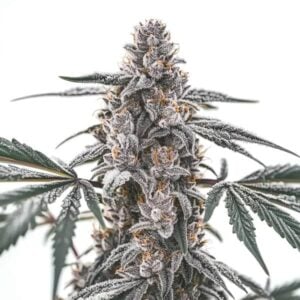
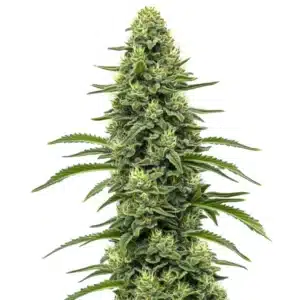
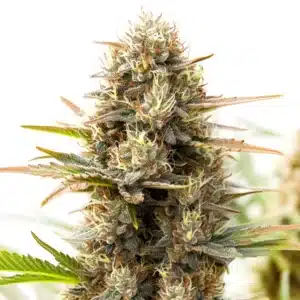
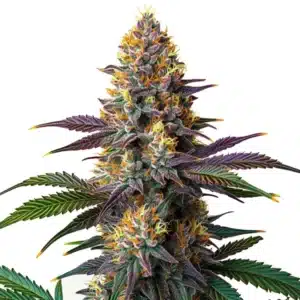
Blue Dream

|
THC | 17% - 24% (High) |

|
Type | Feminized |

|
Yield | High |

|
Phenotype | 50% Indica / 50% Sativa |

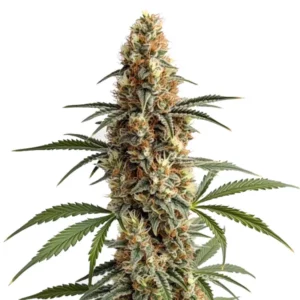
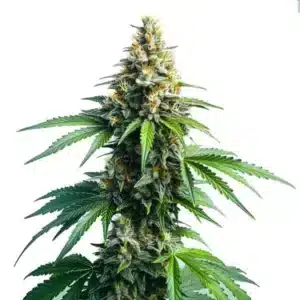
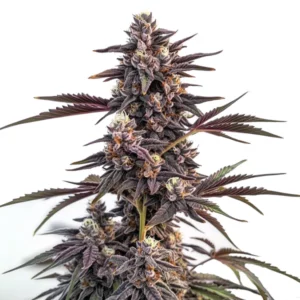
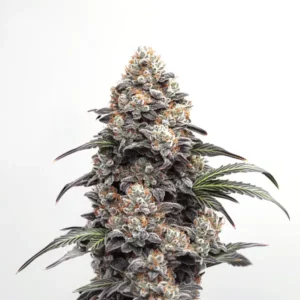
GG4
|
|
THC | 27% (High) |
|
|
Type | Feminized |
|
|
Yield | High |
|
|
Phenotype | 40% Indica / 60% Sativa |
Functions and Characteristics of Cannabis Secretions
What Are Cannabis Latex and Sap?
Cannabis latex is a milky, sticky substance that the plant produces as a defense mechanism. It contains a complex mixture of alkaloids and terpenes, which help deter herbivores and pests. On the other hand, cannabis sap is a more fluid secretion that primarily functions in nutrient transport within the plant.
Latex is often visible when the plant is stressed or damaged, appearing as a white, sticky exudate on the surface. Sap, however, is a clear, water-like fluid that circulates nutrients throughout the plant, ensuring optimal growth and health. This distinction is crucial for identifying plant health issues.
Differences Between Cannabis Latex and Sap
The primary difference between cannabis latex and sap lies in their composition and function. Latex is rich in compounds like alkaloids and terpenes, making it effective against pests. Sap, however, is nutrient-dense and essential for transporting vital elements throughout the plant.
Latex acts as a protective barrier, while sap supports the plant’s internal nutrient flow. This understanding is vital for growers, as it can influence cultivation practices and help identify potential issues, such as pest infestations or nutrient deficiencies.
Promos & Deals
Benefits of Cannabis Latex vs Sap
Protective Qualities of Latex
Cannabis latex offers significant protective benefits. Its sticky nature and chemical composition deter pests, reducing the need for chemical pesticides. This natural defense mechanism can enhance the organic quality of your crop, making it more appealing to health-conscious consumers.
By understanding the protective role of latex, growers can adopt more sustainable cultivation practices. This can lead to healthier plants and improved yield quality, particularly in strains like Critical Widow, known for their resilience and pest resistance.
Nutritional Benefits of Sap
Sap plays a crucial role in nutrient transport, supporting overall plant health. It ensures that essential nutrients reach every part of the plant, promoting vigorous growth and development. This is particularly important for high-yield strains like Gelato, where efficient nutrient distribution can enhance bud quality.
Maintaining healthy sap flow is essential for maximizing yield potential. By optimizing nutrient delivery, growers can ensure their plants thrive in various environmental conditions, leading to a more productive cultivation cycle.
Extraction Methods for Latex and Sap
How to Extract Latex
Extracting cannabis latex requires careful handling. Gently scoring the plant’s surface allows the milky substance to ooze out. This process should be done when the plant is mature but before any significant damage occurs to maintain plant health.
Using sharp, sterilized tools is crucial to minimize the risk of infection or stress to the plant. Controlled scoring should be done selectively to ensure plant integrity while harvesting the desired secretion.
How to Extract Sap
Extracting sap typically involves trimming or pruning, which naturally releases the fluid. This is best done during the vegetative stage when sap flow is at its peak. Proper timing and technique are essential to avoid excessive sap loss and maintain plant health.
Aligning sap extraction with routine maintenance activities like pruning can promote healthy plant architecture and growth. This approach ensures efficient sap collection while supporting overall plant development.
Technical Insights into Cannabis Secretions
Latex and sap are critical to the cannabis plant’s survival and productivity. The latex’s sticky consistency is a formidable barrier against pests, reducing reliance on chemical pesticides. This natural defense enhances the plant’s resilience, particularly in strains like Critical Widow, which are renowned for their pest resistance.
Sap, on the other hand, is vital for nutrient transport. It circulates essential nutrients throughout the plant, ensuring each part receives what it needs for optimal growth. This is particularly crucial for high-yield strains like Gelato. Efficient nutrient distribution through sap flow can significantly enhance bud quality and yield.
Understanding the distinct roles of latex and sap can help growers tailor their cultivation practices. For instance, monitoring sap flow can provide insights into the plant’s nutritional status and overall vitality. Irregular sap flow might indicate nutrient deficiencies or environmental stress, allowing growers to address issues promptly.
| Feature / Merkmal | Blue Dream | GG4 | Critical Widow |
|---|---|---|---|
| THC Content | 20-24% | 25-28% | 18-22% |
| Dominant Terpene | Myrcene | Caryophyllene | Limonene |
| Yield (oz/ft²) | 1.5-2.0 | 2.0-2.5 | 1.8-2.2 |
| Flowering Time (weeks) | 9-10 | 8-9 | 8-9 |
| Pest Resistance | Moderate | High | High |
Professional Tips for Managing Cannabis Latex and Sap
- Maintain 58-62% RH during curing to prevent mold and preserve terpenes. Below 55% arrests terpene development; above 65% promotes Botrytis within 48h. Use a calibrated digital hygrometer.
- Monitor sap flow by checking for clear, consistent fluid during pruning. Irregular sap flow may indicate nutrient deficiencies or environmental stress.
- For latex, ensure the plant isn’t overly stressed, which could lead to excessive production. Regular pest checks and balanced nutrition can help manage levels.
- Use sterilized tools for latex extraction to avoid introducing infections. Sharp instruments minimize plant stress and ensure clean cuts.
- During sap extraction, align with routine pruning to promote healthy growth. This method ensures efficient sap collection without harming the plant.
- Track the 2.5-ounce possession limit in Virginia. While retail sales begin in 2027, possessing more than the limit is considered a civil or criminal offense depending on the amount.
FAQs on Cannabis Latex and Sap
What is the difference between sap and latex?
Sap is a nutrient-rich fluid essential for transporting nutrients within the plant, while latex is a sticky substance that acts as a protective barrier against pests. Both are secretions from the cannabis plant, but they serve different functions. Recognizing these differences can aid in diagnosing plant health and optimizing cultivation practices.
Does terp sap get you high?
Terp sap itself does not get you high, but it contains terpenes that can enhance the effects of THC when consumed together. The entourage effect, where terpenes and cannabinoids interact, can amplify the psychoactive experience. Terp sap is often used in concentrates to boost flavor and potency.
What is cannabis sap?
Cannabis sap is a clear, fluid-like secretion that circulates nutrients throughout the plant. It plays a vital role in transporting essential nutrients, ensuring optimal growth and health. Regular observation of sap flow can indicate the plant’s nutritional status and overall vitality, crucial for maximizing yield.
Is there latex in cannabis?
Yes, cannabis produces latex as a defense mechanism. This sticky, white substance is rich in compounds that deter pests and protect the plant from herbivores. It often appears when the plant is stressed or damaged, serving as a natural barrier against external threats.
How can I tell if my cannabis plant is producing latex or sap?
Latex appears as a sticky, white exudate on the plant’s surface, often when stressed. Sap is clear and fluid-like, seen during pruning. Observing the plant’s response to environmental conditions and stressors can provide additional clues, helping you identify which substance is being produced.