How to Grow a Bushy Cannabis Plant (More Colas, Bigger Yields)

Quick answer: To grow a bushy cannabis plant, encourage it to spread sideways instead of up, using training. Topping and FIMing split the main stem into multiple colas, low-stress training (LST) bends stems to open the canopy, and light defoliation lets more light reach lower growth. Done in the vegetative stage on a healthy plant, these create a wide, even, bushy plant that yields more.
A bushy cannabis plant, wide, with lots of evenly spaced tops rather than one tall main stem, usually yields more than an untrained plant, because more bud sites get good light. Getting there is about training the plant during vegetative growth so its energy spreads out to many colas instead of racing upward.
Recommended Strains

Alien OG

|
THC | 22% - 28% (High) |

|
Type | Feminized |

|
Yield | High |

|
Phenotype | 50% Indica / 50% Sativa |
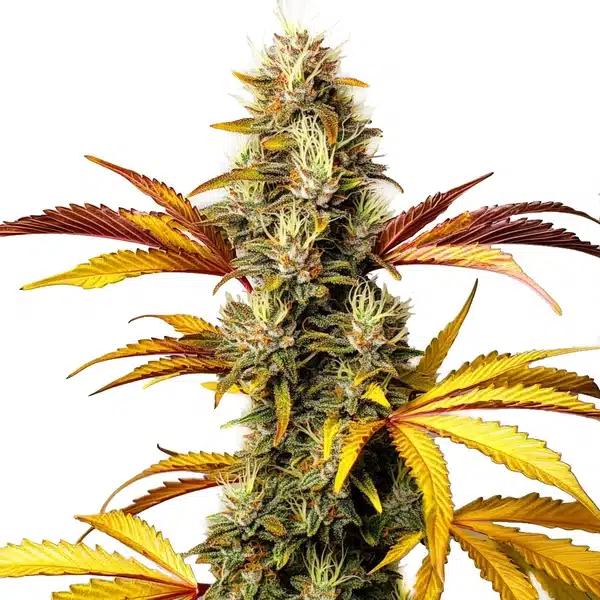
Alien Og Regular
|
|
THC | 18% - 22% (Medium) |
|
|
Type | Regular |
|
|
Yield | Medium |
|
|
Phenotype | 50% Indica / 50% Sativa |
There is no single trick; it is a combination of topping or FIMing, low-stress training and selective defoliation, used while the plant is healthy and still in veg. Below we cover each technique, when to use it, and how they work together to build a bushy, productive plant.
| Technique | What it does | When |
|---|---|---|
| Topping | Splits the main stem into two; more colas | Veg, healthy plant |
| FIMing | Like topping but can create several tops | Veg |
| Low-stress training (LST) | Bends stems to open the canopy, no cutting | Veg (safe for autos) |
| Defoliation | Removes some leaves to boost light and airflow | Veg and selectively in flower |
The Techniques That Build a Bush
Topping is the backbone: cutting the main growing tip makes the plant split into two main stems, and repeated topping multiplies the colas, instantly making a plant wider and bushier. FIMing is a variation that can create several new tops at once. Both are vegetative-stage techniques best done on healthy plants with time to recover.
Low-stress training (LST) complements cutting by gently bending and tying down stems so the canopy opens up and lower branches catch up, no cutting needed, which makes it safe even for autoflowers. For the cutting side of training, our guide on when to top (and stop) outdoors covers timing, and for autos specifically see defoliating autoflowers.
Promos & Deals
Refining the Canopy: Defoliation and Lollipopping
Once a plant is bushy, you refine it. Selective defoliation (removing some fan leaves) lets light and air reach the lower bud sites that a dense bush can shade out, improving the lower colas and reducing humidity pockets that invite mold. The goal is a level, open canopy where many tops sit at a similar height.
‘Lollipopping’ is the companion move: trimming away weak lower growth that will never get enough light, so the plant puts its energy into the strong upper colas. Go gently, especially in flower, removing too much at once stresses the plant. For doing this during bloom, see our guide on defoliating during flowering.
Common Mistakes When Bushing Out a Plant
The biggest mistake is over-training: topping too often, defoliating too hard, or doing it all at once leaves the plant stressed and stalls growth, undoing the benefit. Space out each technique and let the plant recover between them. Another is training unhealthy or slow plants, only train vigorous ones with time to bounce back.
Timing matters too: most heavy training belongs in the vegetative stage, with only light, careful work once flowering starts. And remember autoflowers are the exception, their short, fixed life means gentle LST is safer than aggressive cutting. Build the bush patiently and the payoff is a wider, more productive plant.
Indoor vs Outdoor Bushy Growth
How bushy you want a plant depends partly on where you grow. Indoors, a wide, flat, bushy canopy makes the most of a fixed light footprint, which is why techniques like topping plus a screen (ScrOG) are popular, you fill the space evenly and avoid tall colas that get too close to the light. Height control is often the point.
Outdoors, bushiness is more about resilience and yield: a well-branched plant catches more sun and can hold more bud, though you also want good airflow through the bush to prevent mold in humid weather. In both cases the principle is the same, spread the plant out during veg, but indoors you train harder for height control, while outdoors you balance bushiness with airflow.

FAQs about Bushy Weed Plant
How do I make my cannabis plant bushy?
Train it to grow sideways during the vegetative stage. Top or FIM the plant to create multiple colas, use low-stress training to bend stems and open the canopy, and lightly defoliate so light reaches lower growth. Done gradually on a healthy plant, these produce a wide, even, bushy plant with more bud sites.
Does a bushy plant yield more?
Usually yes. A bushy plant has many evenly lit colas instead of one dominant top, so more bud sites develop well, which typically means a bigger, more even harvest. The key is a level, open canopy so light reaches all the tops. Over-training or a shaded, overcrowded bush can cancel out the benefit.
Can you make autoflowers bushy?
Yes, but use gentle methods. Because autoflowers have a short, fixed life, heavy topping can cost yield, so low-stress training (bending and tying stems) is the safer way to spread an auto out and make it bushier. Light, early training works best; avoid aggressive cutting late in their quick cycle.
When should I start training for a bushy plant?
Begin in the vegetative stage, once the plant is healthy with several nodes, so it has time to recover and branch out before flowering. Start topping or low-stress training early, space techniques out, and finish heavy training before flowering begins. For photoperiod plants that leaves a long window; for autoflowers, train early and gently.
Is topping or LST better for a bushy plant?
Both help, and they work well together. Topping creates more main colas by cutting the tip, giving a bushier structure fast, while low-stress training bends stems to open the canopy without cutting, which is gentler and safe for autoflowers. Many growers top in veg, then use LST to even out the canopy.