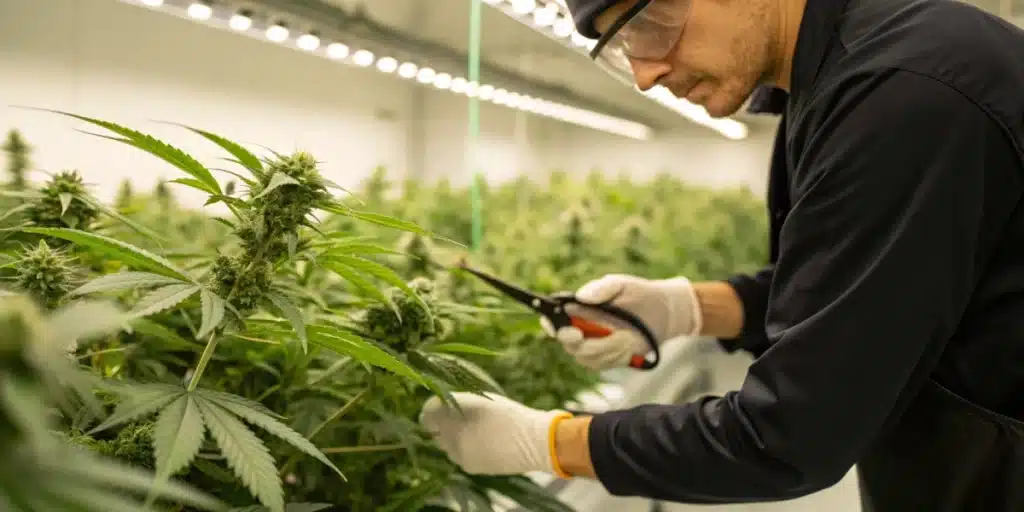
Can You Defoliate During Flowering? When and How Much

Quick answer: Yes, you can defoliate during flowering, but timing and restraint matter. Light defoliation in early flower (roughly weeks 1-3) can improve light and airflow to lower buds, but avoid heavy defoliation in mid-to-late flower, when the plant is bulking buds and stress is costly. Only defoliate healthy plants, remove some fan leaves (never strip bare), and stop as harvest nears.
Defoliation, selectively removing fan leaves, can boost a flowering plant by letting light and air reach lower bud sites that a dense canopy shades out. Done well, it can improve the lower colas and reduce the humidity pockets that invite mold. Done badly, it stresses the plant at the worst possible time.
Recommended Strains
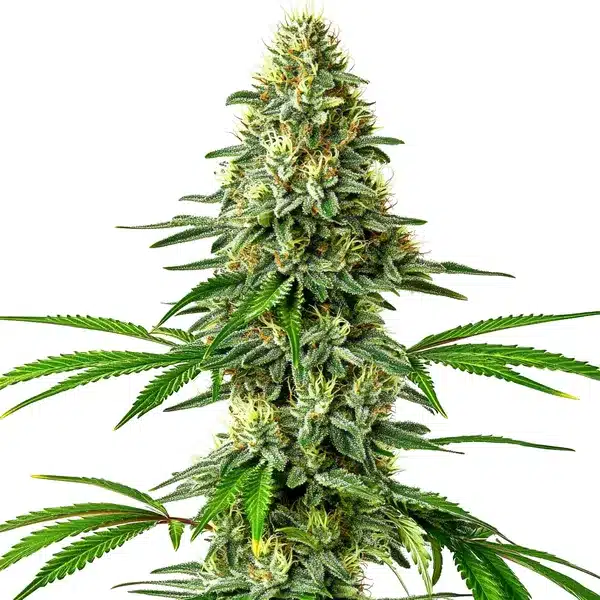
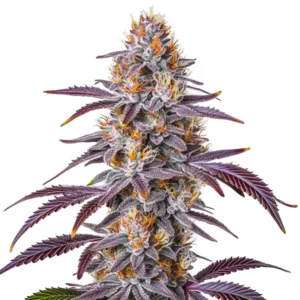
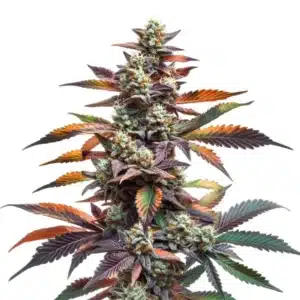
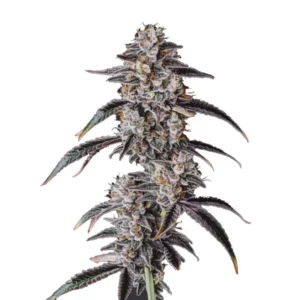
Santa Muerte

|
THC | 18% - 20% (Medium) |

|
Type | Feminized |

|
Yield | High |

|
Phenotype | 20% Indica / 80% Sativa |
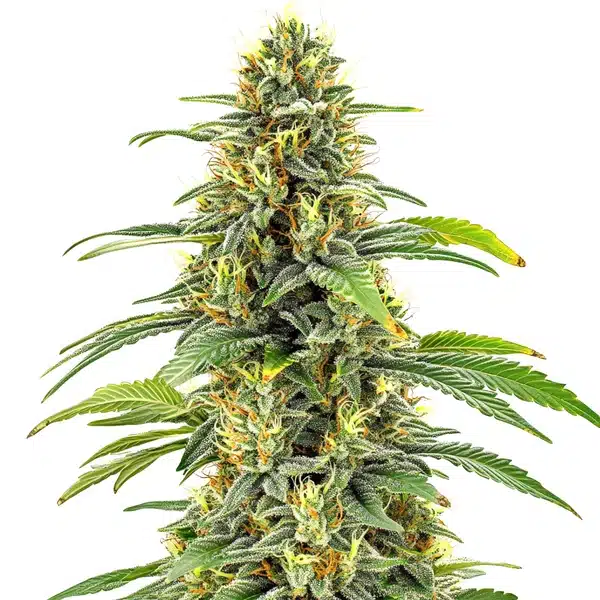
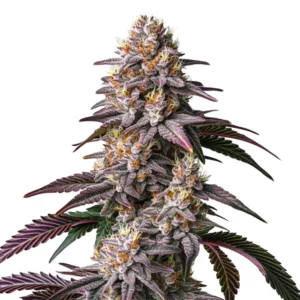
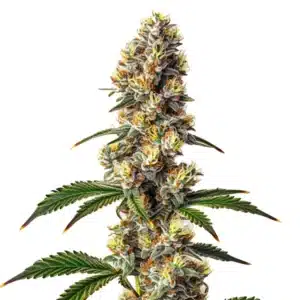
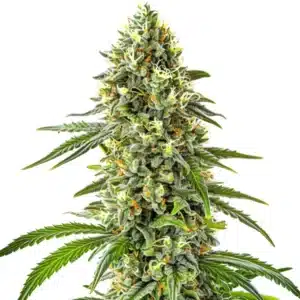
Santa Muerte FBV
|
|
THC | 17% - 20% (Medium) |
|
|
Type | Fast Flowering |
|
|
Yield | Medium |
|
|
Phenotype | 40% Indica / 60% Sativa |
The key questions are when in flower it is safe, and how much to take. Below we give a week-by-week guide, the right technique, and how defoliation fits with other training like topping and growing a bushier plant, so you get the benefits without harming your harvest.
| Flowering week | Defoliate? | Notes |
|---|---|---|
| Week 1-3 (early flower) | Light defoliation OK | Remove some fan leaves to open the canopy; go gently |
| Around week 3 (a ‘second’ light pass) | Possible, lightly | Only on healthy, vigorous plants; never strip bare |
| Mid-to-late flower (week 4+) | Avoid / minimal | Plant is bulking buds; heavy removal stresses it |
| Final weeks | No (only dead/yellow leaves) | Let it finish; remove only dying leaves |
When to Defoliate in Flower
The safest window is early flower. In roughly the first two to three weeks after the switch, the plant is still stretching and resilient, so a light defoliation, removing some large fan leaves blocking lower bud sites, helps light penetration without much setback. Some growers do a single, gentle second pass around week three on vigorous plants.
After that, be increasingly conservative. By mid flower the plant is focused on bulking buds, and heavy leaf removal can slow that down and stress it. As a rule, the later into flower you go, the less you should take, and in the final weeks you should only remove leaves that are already dead or yellowing. ‘How late can you defoliate?’ The honest answer: lightly up to mid-flower at most, and not meaningfully after.
Promos & Deals

How to Defoliate Without Stressing the Plant
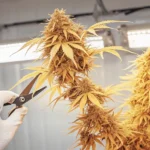
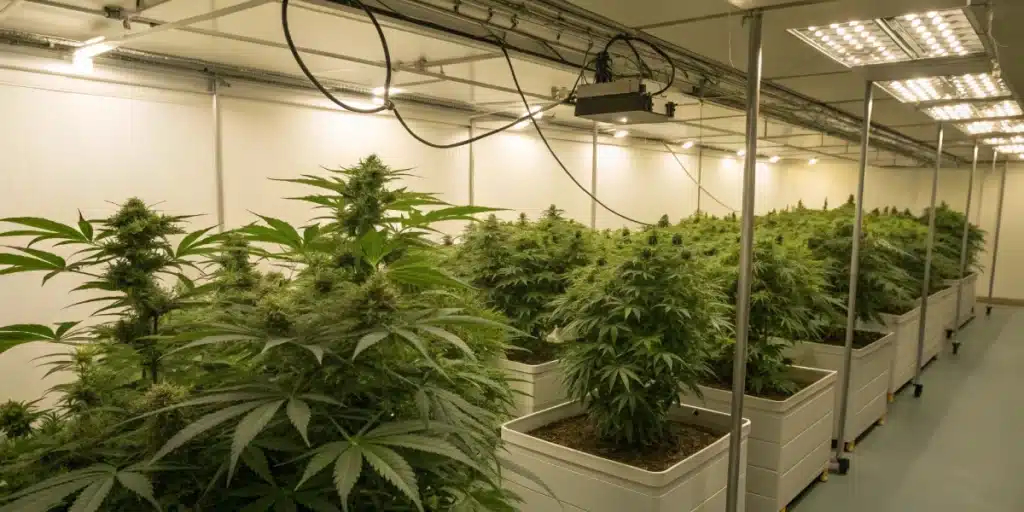
Use clean, sharp scissors or your fingers, and target the right leaves: large fan leaves that shade bud sites, leaves tucked inside the canopy, and any damaged or yellowing ones. Leave healthy leaves that are catching light at the top, the plant needs them to power bud growth. Never ‘strip’ a plant bare; removing too much at once is the most common mistake.
Spread the work out rather than doing a big removal in one session, and only defoliate healthy, vigorous plants, not stressed or struggling ones. Defoliation pairs with other training: for shaping before flower see our guide on growing a bushier plant and on when to stop topping. For fast plants, see defoliating autoflowers.
Risks and When to Avoid It
Defoliation is optional, not mandatory, and it is easy to overdo. Removing too many leaves, or doing it too late in flower, can stall bud development, reduce yield, and stress the plant into slower growth or, in sensitive plants, hermaphroditism. If your plant is already stressed, nutrient-deficient or struggling, skip defoliation entirely and let it recover.
Autoflowers deserve extra caution: their short, fixed life leaves little time to bounce back, so keep any flowering defoliation very light. When in doubt, take less. A slightly leafy plant with healthy, undisturbed buds will usually outperform one that was aggressively stripped at the wrong time.
| Feature | Critical Kush Auto | Sour Diesel | Jack Herer X Cinderella 99 Auto |
|---|---|---|---|
| THC% | 22-25% | 20-24% | 18-22% |
| Dominant Terpene | Myrcene | Caryophyllene | Limonene |
| Flowering Time | 8-9 weeks | 9-10 weeks | 7-8 weeks |
| Yield (oz/ft²) | 1.5-2 oz | 1.2-1.8 oz | 1.4-1.9 oz |
| Effect | Relaxing | Energizing | Uplifting |
Benefits of Defoliating in Flower (Done Right)
Done correctly, light defoliation in early flower has real benefits. Removing a few large fan leaves that shade the interior lets more light reach lower and inner bud sites, which can help them develop into fuller, denser buds instead of airy ‘popcorn’. It also improves airflow through the canopy, lowering the humidity pockets where bud rot and mildew start.
Those benefits only hold if you are gentle and selective. The aim is a more open, evenly lit plant, not a bare one. Pair defoliation with a tidy, level canopy and good ventilation, and you get better light distribution without the stress of heavy leaf removal. Overdo it, though, and you lose the photosynthesis the plant needs to fill those buds.
Professional Tips for Defoliation
- Observe plant response after defoliation. Each strain reacts differently; adjust techniques based on growth patterns. This ensures tailored care for optimal results.
- Maintain 58-62% RH during defoliation. Below 55% arrests terpene development; above 65% promotes Botrytis within 48h. Check with a calibrated digital hygrometer, never analog.
- Use sterilized scissors to prevent infection. Contaminated tools introduce pathogens, compromising plant health. Always clean tools with isopropyl alcohol before use.
- Defoliate in the morning. Plants are less stressed when defoliated during their active phase. Avoid evening defoliation to prevent overnight stress.
- Monitor VPD (0.8-1.2 kPa) post-defoliation. Proper VPD ensures optimal transpiration and nutrient uptake. Adjust humidity and temperature to maintain balance.
- Limit defoliation to 20-30% of foliage. Excessive removal shocks plants, reducing photosynthesis and yield. Gradual defoliation minimizes stress and supports recovery.
FAQs on Defoliation
Can you defoliate during the flowering stage?
Yes, but lightly and mainly in early flower (around weeks 1-3), when removing some fan leaves improves light and airflow to lower buds. Avoid heavy defoliation in mid-to-late flower, when the plant is bulking buds and stress is costly. Only defoliate healthy plants, and never strip them bare.
How late into flower can you defoliate?
Keep meaningful defoliation to early flower, roughly up to mid-flower at the latest, and only lightly. After that the plant is focused on bulking buds, so heavy leaf removal risks slowing growth and reducing yield. In the final weeks, remove only dead or yellowing leaves, not healthy ones.
Is heavy defoliation during flowering a good idea?
Usually no. Heavy defoliation in flower, especially mid-to-late, stresses the plant when it should be focusing on buds, and can cut yield. Light, selective removal of shading fan leaves in early flower is the safer approach. If you want the benefits, take a little at a time from healthy plants rather than stripping them.
Does defoliating in flower increase yield?
It can, if done lightly and early, by letting more light reach lower buds and improving airflow, which helps them bulk up. But heavy or late defoliation usually reduces yield, because the plant loses the leaves it needs to power bud growth. The benefit comes from selective, gentle removal, not aggressive stripping.
Do you remove fan leaves or sugar leaves in flower?
Mostly large fan leaves that shade bud sites, plus any damaged or yellowing leaves. Leave the small sugar leaves on the buds and the healthy upper leaves catching light, the plant needs them to finish. Save detailed sugar-leaf trimming for harvest, not for defoliation during flowering.