Can You Reverse Cannabinoid Degradation? Expert Proven Insights

Can you reverse cannabinoid degradation once it happens? It’s a question that puzzles many cannabis growers. Cannabinoids, the active compounds in cannabis, are prone to breakdown over time. This degradation affects potency, which can be a major concern for both personal users and commercial growers.
Knowing how to prevent this breakdown and if it’s possible to reverse it is crucial. While preventing degradation is the ideal scenario, reversing the process can sometimes be necessary. Let’s dive into the methods and techniques that can help maintain and possibly restore your cannabis potency.
Recommended Strains

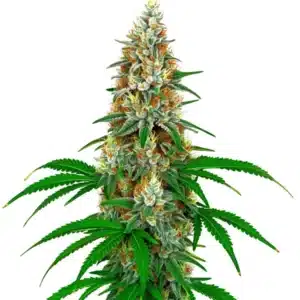
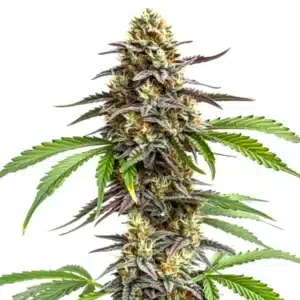
Cherry Pie

|
THC | 18% - 25% (High) |

|
Type | Feminized |

|
Yield | High |

|
Phenotype | 60% Indica / 40% Sativa |

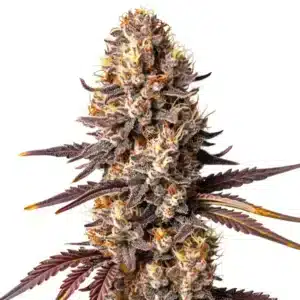
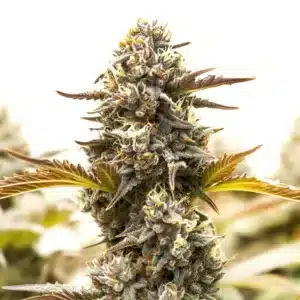
Blackberry Moonrocks
|
|
THC | 26% - 33% (High) |
|
|
Type | Feminized |
|
|
Yield | High |
|
|
Phenotype | 80% Indica / 20% Sativa |
One of the strains you might consider is the Blackberry Moonrocks from Blimburn Seeds. Known for its high THC levels, preserving its potency is essential. But what if degradation occurs? Can you reverse cannabinoid degradation once it happens? This is where expert insights come into play.
Knowing Cannabinoid Degradation
Cannabinoid degradation is a natural process. Over time, exposure to light, heat, and oxygen can break down cannabinoids. This can lead to a decrease in potency, which is not ideal for those looking to maintain the full effect of their cannabis.
For growers, this degradation can impact the quality of their harvest. For instance, growing a strain like Cherry Pie from Blimburn Seeds, known for its balanced effects, requires careful storage to prevent degradation. But if it does occur, what can be done?
Knowing the underlying chemical reactions that trigger this breakdown is essential for implementing effective cannabinoid degradation prevention methods. Educating oneself about the specific conditions that exacerbate cannabinoid instability can inform better storage and handling practices. Such knowledge can also guide growers in selecting strains with more stable cannabinoid profiles.
Scientific studies highlight that certain cannabinoids, like THC, are more susceptible to degradation compared to others, such as CBD. This difference in stability underscores the importance of tailoring storage solutions to the specific cannabinoid composition of each strain. By doing so, growers can better manage the effects of cannabinoid degradation on potency.
Promos & Deals
Prevention Methods for Cannabinoid Degradation
Prevention is better than cure. Using proper storage techniques is one of the most effective cannabinoid degradation prevention methods. Store cannabis in a cool, dark place. Air-tight containers can help keep oxygen at bay, slowing down the degradation process.
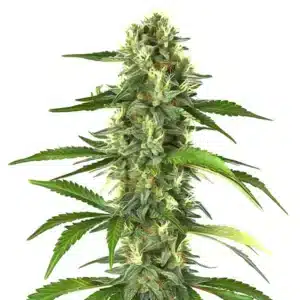
Consider using humidity packs to maintain the right moisture levels. Too much moisture can lead to mold, while too little can dry out the buds. Both scenarios can accelerate degradation. For growers of strains like Gelato from Blimburn Seeds, maintaining optimal conditions is key.
Another preventive approach involves using nitrogen flushing during the packaging process. This technique involves replacing the oxygen in the packaging with nitrogen, an inert gas that does not react with cannabinoids. By doing so, the environment inside the package becomes less conducive to degradation, thus preserving potency.
Moreover, investing in temperature-controlled environments can drastically reduce the risk of degradation. For commercial operations, using refrigerated storage facilities can be a worthwhile investment to ensure that the quality of cannabis is maintained from harvest to sale. This proactive measure can be part of a comprehensive cannabinoid stability enhancement strategy.
Can You Reverse Cannabinoid Degradation Once It Happens?
It’s a tough challenge, but not impossible. Reversing cannabinoid breakdown techniques often involve stabilizing the environment where the cannabis is stored. While you can’t completely restore lost potency, you can halt further degradation and enhance stability.
One technique involves using vacuum-sealed bags to remove air. This reduces the oxygen exposure, one of the main culprits of degradation. While this won’t restore potency after cannabinoid degradation, it can stop the process from progressing.
Implementing these reversing cannabinoid breakdown techniques requires knowing the specific environmental factors contributing to degradation. By precisely controlling these factors, such as reducing temperature fluctuations or minimizing light exposure, you can create a stable environment that minimizes further breakdown.
While complete restoration is not feasible, enhancing the remaining potency can be achieved. For example, integrating advanced preservation technologies like UV-blocking containers and vacuum sealing into your storage practices can offer a significant boost to the overall stability of the cannabinoids.
Effects of Cannabinoid Degradation on Potency
When cannabinoids degrade, they lose their effectiveness. THC, the compound responsible for the psychoactive effects, can convert into CBN, which is less potent. This conversion decreases the overall potency of the cannabis.
For medical users relying on specific cannabinoid profiles, degradation can alter the expected therapeutic effects. Maintaining the integrity of strains like Blackberry Moonrocks is crucial for consistent results. Therefore, knowing how to reverse cannabinoid degradation once it happens becomes essential.
The effects of cannabinoid degradation on potency are not limited to just decreased psychoactive effects. The overall flavor and aroma profile of the cannabis can also be significantly altered. Terpenes, which contribute to these sensory experiences, can degrade alongside cannabinoids, affecting the overall quality of the product.
For growers and users alike, recognizing the impact of degradation on both potency and sensory qualities underscores the importance of implementing robust cannabinoid degradation prevention methods. This holistic approach ensures that cannabis retains its desired effects and characteristics over time.
Restoring Potency After Cannabinoid Degradation
While complete restoration is unlikely, some steps can be taken to enhance what’s left. Using terpene-rich extracts can complement the diminished effects. Terpenes, which are aromatic compounds, can enhance the perceived potency of cannabis.
Consider blending degraded cannabis with fresher batches. This mixing can amplify the effects, making the overall experience more potent. It’s a practical approach for personal users who wish to maximize their supply.
Incorporating supplementing techniques such as adding concentrated cannabinoid extracts to degraded cannabis can be another effective way to restore potency after cannabinoid degradation. These extracts can provide a boost in cannabinoid content, enhancing the overall experience.
For those focused on the therapeutic benefits of cannabis, consulting with experts to develop customized blends that compensate for lost potency can be advantageous. This tailored approach can help maintain the desired effects even when degradation has occurred.
FAQs about can you reverse cannabinoid degradation once it happens
What are common causes of cannabinoid degradation?
Light, heat, and oxygen are the primary factors. When cannabis is exposed to these elements, cannabinoids begin to break down. This leads to a loss of potency and effectiveness over time. Proper storage can mitigate these effects significantly.
For example, keeping cannabis in a dark, cool place minimizes light and heat exposure. Using air-tight containers reduces oxygen contact. These simple steps are part of effective cannabinoid degradation prevention methods.
Another contributing factor to cannabinoid degradation is humidity. High humidity levels can encourage mold growth, while low levels can cause the cannabis to dry out, both of which can accelerate degradation. Therefore, maintaining optimal humidity levels is crucial for preserving potency.
Furthermore, physical handling of the cannabis can also contribute to degradation. Excessive handling can lead to the loss of trichomes, the resinous glands that contain cannabinoids. Minimizing physical disturbance is an often-overlooked aspect of effective cannabinoid stability enhancement methods.
Can vacuum sealing help in reversing degradation?
Vacuum sealing can be beneficial. By removing air from the storage environment, you reduce oxygen exposure. This slows down the degradation process, although it doesn’t reverse it. It’s a practical step for those looking to maintain cannabinoid potency.
While vacuum sealing won’t restore potency after cannabinoid degradation, it can prevent further loss. Combining this method with other stability enhancement techniques can yield better results.
Vacuum sealing is especially useful for long-term storage, as it can significantly extend the shelf life of cannabis products. By minimizing oxygen exposure, it helps maintain the integrity of cannabinoids and terpenes over time, preserving both potency and flavor.
For growers, investing in vacuum sealing equipment can be a worthwhile addition to their cannabinoid degradation prevention methods. It provides an additional layer of protection, ensuring that the cannabis maintains its quality from harvest to consumption.
Is it possible to restore the original potency of degraded cannabis?
Unfortunately, fully restoring original potency is not possible. Once cannabinoids degrade, the changes are irreversible. However, stopping further degradation and enhancing what’s left can be achieved through proper techniques.
Blending degraded cannabis with fresher batches or using terpene extracts can help enhance the remaining effects. This approach may not bring back original potency but can improve the overall experience.
Exploring innovative methods such as microencapsulation can also help in preserving the remaining potency of degraded cannabis. This technique involves encasing cannabinoids in protective coatings, which can shield them from further degradation factors like heat and light.
Despite the limitations in fully restoring potency, focusing on optimizing the remaining cannabinoid and terpene profiles can still offer a satisfactory experience for users. Leveraging these methods ensures that the cannabis retains its desired effects to the greatest extent possible.
How do environmental factors affect cannabinoid stability?
Environmental factors like temperature, humidity, and light exposure can greatly impact cannabinoid stability. High temperatures and humidity can accelerate degradation, as can direct light exposure.
Maintaining a controlled environment is crucial. For growers, investing in proper storage solutions can preserve the integrity of the harvest. Using UV-blocking containers and humidity packs are effective cannabinoid stability enhancement methods.
Temperature fluctuations can also play a significant role in cannabinoid degradation. Consistent temperature control is essential, as frequent changes can cause cannabis to degrade more rapidly. Employing climate-controlled storage solutions can mitigate these effects.
Moreover, pollutants and impurities in the storage environment can negatively impact cannabinoid stability. Ensuring that storage areas are clean and free from contaminants is an additional step in the arsenal of cannabinoid degradation prevention methods.
Do all cannabis strains degrade at the same rate?
No, different strains have varying stability levels. Factors like cannabinoid and terpene profiles can influence degradation rates. For instance, strains like Gelato from Blimburn Seeds might have different stability characteristics compared to others.
Knowing the specific needs of each strain can help in applying the right prevention and reversing cannabinoid breakdown techniques. Tailoring storage solutions to each strain’s requirements can enhance longevity and potency.
Research has shown that strains with higher terpene content may degrade faster than those with lower terpene levels. This is because terpenes are more volatile and can evaporate quickly. Thus, strains with rich terpene profiles may require more stringent storage conditions.
Additionally, the genetic makeup of the strain can influence its degradation rate. Some strains are naturally more resilient to environmental stressors, making them better candidates for long-term storage. Identifying these resilient strains can be part of a comprehensive strategy to maximize cannabinoid stability.
Keep reading
If this topic is useful for your grow, you will probably also want to read Proven Insights on Uncertainty and Repeatability in Cannabinoid Degradation Measurements and Expert Guide: Proven Retail Last-Mile Light Exposure & Potency Loss, two closely related guides from our blog that go deeper into the same subject.