Can Autoflowers Grow Outside? A Complete Guide

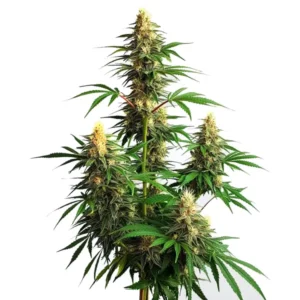
Yes, autoflowers grow outside very well, often better suited to outdoor growing than photoperiod plants in tricky climates. Because autoflowers flower automatically with age rather than day length, they don’t depend on the seasonal light change, which gives outdoor growers big advantages: they finish fast (often ~8-10 weeks seed-to-harvest), so they fit short seasons and cool, wet-autumn climates (like the UK or northern regions), you can often fit multiple harvests in one summer, and you can plant on a flexible schedule rather than waiting for the solstice.
They stay compact and discreet too. The trade-offs: an individual auto usually yields less than a big outdoor photoperiod plant, and because its timeline is fixed, there’s no long veg to ‘make up’ for a slow start or stress. To grow them outside: give full sun, plant after frost, use mold-resistant genetics in damp climates, and go gentle on training. Below: why autos suit the outdoors, when to plant, climate tips, and how to maximise yield.
Recommended Strains

Big Bud

|
THC | 15% - 20% (Medium) |

|
Type | Feminized |

|
Yield | High |

|
Phenotype | 85% Indica / 15% Sativa |

Big Bud Auto
|
|
THC | 18% - 22% (Medium) |
|
|
Type | Autoflowering |
|
|
Yield | High |
|
|
Phenotype | 80% Indica / 20% Sativa |
Autoflowers Outdoors at a Glance
Why autos suit outdoor growing, and how to do it:
| Point | For outdoor autos |
|---|---|
| Flowering | By age, not daylight, fits short seasons |
| Speed | ~8-10 weeks; multiple harvests possible |
| When to plant | After last frost; flexible, can stagger plantings |
| Climate | Full sun; mold-resistant genetics if damp |
| Size/yield | Compact, discreet; less per plant than big photos |
| Training | Gentle LST only, no high-stress topping |
Promos & Deals
Why Autoflowers Are Great Outdoors
The whole reason autoflowers shine outdoors comes down to their age-based flowering. Photoperiod plants outdoors only start flowering when nights lengthen in late summer, which ties them to one long seasonal cycle and risks them finishing in cold, wet autumn weather. Autoflowers ignore day length and flower on their own clock a few weeks from germination, which unlocks several outdoor advantages. They finish fast, so even growers with a short season or an unpredictable climate can get a harvest, and you can often squeeze two or more harvests into a single warm season by planting in succession.
Their independence from light cycles also means you can plant them when it suits you rather than timing everything to the solstice. And because they stay small and compact, they’re easier to tuck away discreetly and manage in limited space. For regions with short summers or wet autumns, where big long-flowering photoperiods struggle to ripen in time, autoflowers are often the smarter, lower-risk outdoor choice.
When to Plant Autoflowers Outdoors
Timing is more flexible with autos, but a few guidelines help. Plant after the last frost, once it’s reliably warm (often late spring), seedlings are delicate and cold can stunt them. From there, because autos flower by age, you have a wide planting window and can even stagger plantings (sow a few weeks apart) for a continuous series of harvests through summer, something photoperiods can’t do outdoors. For the biggest single yield, plant so the plant’s whole ~8-10 week life falls in the sunniest, warmest part of your season (late spring to mid-summer start is common), giving it maximum light during flowering.
In short-season or cool climates, start as early as frost allows (or start indoors and move out) to make the most of the warm months. Avoid planting so late that flowering lands in cold, wet autumn. The key mindset shift from photoperiods: with autos you’re planning around the plant’s fixed age-based clock and your weather, not around day length, which is exactly what makes them so adaptable outdoors.
Care Tips for Bigger Outdoor Autos
To get the most from outdoor autos, play to their strengths and respect their limits. Give them as much direct sun as possible, this is the single biggest yield factor outdoors. Use a good-sized container or quality soil with excellent drainage, since autos have a short life and can’t recover from a bad root start. In damp or humid climates (and their late-summer finish), favour mold-resistant genetics and ensure airflow to prevent bud rot. Be very gentle with training: because autos don’t recover well from high stress, skip topping and use only light low-stress training (bending/tying) started early, see our guide to LST for autoflowers.
Don’t overfeed, their short cycle means modest nutrient needs. Accept that each plant yields less than a towering photoperiod, and make up for it with more plants or successive harvests. Choose genetics bred for the outdoors, our autoflower seeds and fast-flowering seeds both suit short seasons. Sun, drainage, gentle care and the right strain are what turn outdoor autos into a reliable harvest.

FAQs
Do autoflowers do well outdoors?
Yes, often better than photoperiods in tricky climates. Because they flower by age, not day length, they finish fast (~8-10 weeks), fit short or cool-autumn seasons, allow multiple staggered harvests, and stay compact and discreet. Give full sun, plant after frost, use mold-resistant genetics in damp climates, and train gently. Each plant yields less than a big photoperiod, but they’re lower-risk.
Best time to plant outdoor autos?
After the last frost, once it’s reliably warm (often late spring). Since autos flower by age, you have a flexible window and can stagger plantings for successive harvests. For the biggest single yield, plant so the plant’s ~8-10 week life falls in your sunniest, warmest months. Avoid planting so late that flowering lands in cold, wet autumn.
What yield can I expect outdoors?
An individual autoflower usually yields less than a large outdoor photoperiod plant, because it stays compact and has a short, fixed life. But you can offset this by growing more plants or staggering multiple harvests in one season. Maximise each plant’s yield with full sun, good drainage, gentle LST and mold-resistant genetics suited to your climate.
How do I care for outdoor autos?
Give maximum direct sun, good soil with drainage, and plant after frost. Be gentle: autos recover poorly from stress, so skip topping and use only light low-stress training started early. Favour mold-resistant strains in damp climates and don’t overfeed. Their short, fixed cycle means you can’t fix a bad start, so get the basics right from day one.