Black Strains of Weed: Discover Dark Cannabis Varieties

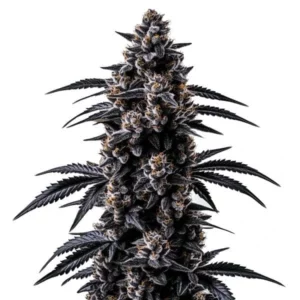
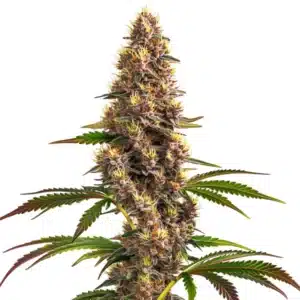
Black cannabis strains: Known for their deep purple to black hues, these strains often contain up to 1.5% anthocyanins, which are activated by cooler temperatures. With higher CBD ratios, they offer significant medicinal benefits, particularly for pain relief and anxiety. Their unique appearance and effects make them a favorite among both recreational and medical users seeking a distinctive experience.
Black strains of weed are celebrated for their unique terpene profiles and extended flowering times of 9-11 weeks. These strains, like Black Domina and Black Jack, thrive in cooler climates, enhancing their striking dark hues. With complex flavors and potent effects, they offer a captivating experience for cannabis enthusiasts.
Recommended Strains
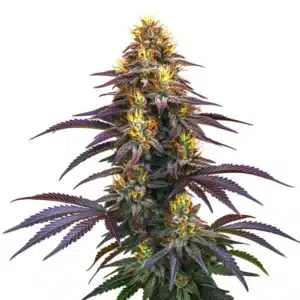
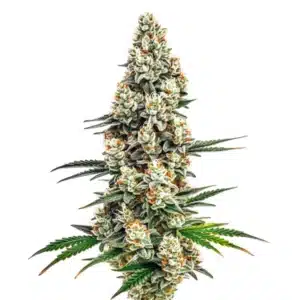
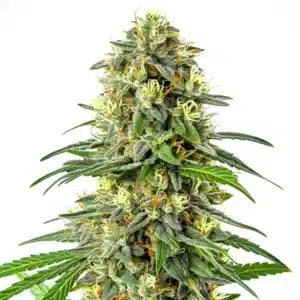
Black Domina

|
THC | 15% - 20% (Medium) |

|
Type | Feminized |

|
Yield | High |

|
Phenotype | 95% Indica / 5% Sativa |
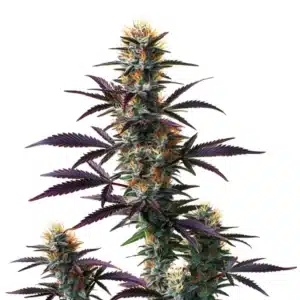
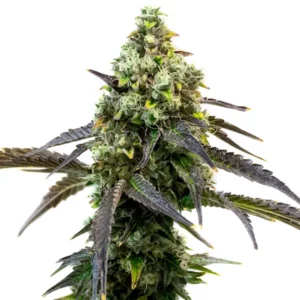
Black Domina Auto
|
|
THC | 10% - 15% (Low) |
|
|
Type | Autoflowering |
|
|
Yield | Low |
|
|
Phenotype | 85% Indica / 15% Sativa |
What Are Black Strains of Weed?
Why Do Some Strains Turn Black?
Black strains of weed owe their dark hues to high levels of anthocyanins, pigments that become prominent in cooler temperatures. These pigments, found in many plants, are responsible for the deep purple to black coloration in cannabis. When exposed to temperatures below 60°F during flowering, the anthocyanins are activated, enhancing the plant’s color.
Anthocyanins not only affect color but also have antioxidant properties. In cannabis, they can contribute to the plant’s overall health and resilience. These pigments are more prevalent in strains adapted to mountainous regions, where cooler temperatures are common, resulting in a higher CBD ratio, often exceeding 2%, enhancing the strain’s medicinal properties.
Temperature plays a crucial role in the activation of anthocyanins. During the flowering phase, maintaining a day temperature of 68°F – 77°F (20°C – 25°C) and a night drop of 46.4 °F – 51.8 °F is essential. This temperature fluctuation not only promotes anthocyanin production but also supports optimal plant metabolism and nutrient uptake.
Additionally, the presence of anthocyanins can influence the plant’s metabolic pathways. These pigments interact with the plant’s enzymatic processes, potentially affecting the synthesis of secondary metabolites, including terpenes and cannabinoids. This interaction can lead to unique flavor profiles and enhanced therapeutic effects.
The Medicinal Benefits of Black Cannabis Strains
Black strains are renowned for their medicinal benefits, largely due to their higher CBD ratios. These strains are particularly effective for pain relief, anxiety, and inflammation. The presence of anthocyanins, combined with CBD, enhances these therapeutic effects, providing a holistic approach to treatment.
For instance, Black Domina, with its 20% THC and 2% CBD, offers a potent combination of relaxation and pain relief. This makes it an ideal choice for those seeking to alleviate chronic pain or muscle spasms. The entourage effect, where cannabinoids and terpenes work synergistically, is enhanced in black strains, providing comprehensive relief.
The interaction between cannabinoids and the endocannabinoid system is critical for the medicinal effects of black strains. CBD modulates the activity of CB1 and CB2 receptors, influencing neurotransmitter release and reducing inflammation. This modulation is particularly beneficial for conditions like epilepsy, where CBD can reduce seizure frequency and severity.
Furthermore, the antioxidant properties of anthocyanins contribute to the neuroprotective effects of black strains. By reducing oxidative stress and inflammation, these pigments can support brain health and potentially slow the progression of neurodegenerative diseases.
| Feature / Merkmal | Black Domina | Black Jack | Black Hulk |
|---|---|---|---|
| THC Content | 20% | 18-24% | 25% |
| CBD Ratio | 2% | 1% | 1.5% |
| Flowering Time | 8-9 weeks | 9-10 weeks | 10-11 weeks |
| Terpene Profile | Myrcene 1.2% | Limonene 0.8% | Caryophyllene 0.7% |
| Yield (g/m²) | 450-550 | 500-600 | 600-700 |
Promos & Deals
Professional Tips for Growing Black Strains
- Maintain nighttime temperatures around 55-60°F to enhance anthocyanin activation, ensuring deep coloration. Avoid temperatures above 70°F, which can inhibit pigment development.
- Use an N:P:K ratio of 1:3:2 during flowering to support bud development and terpene production. Excess nitrogen can lead to poor bud structure.
- Ensure a VPD (Vapor Pressure Deficit) of 0.8-1.2 kPa to optimize transpiration and nutrient uptake. Deviations can lead to nutrient lockout.
- Provide 800-1000 µmol/m²/s of light during peak flowering to maximize cannabinoid and terpene synthesis. Insufficient light reduces potency and yield.
- Keep humidity at 50-60% RH during flowering to prevent mold while promoting resin production. Above 65% RH risks Botrytis.
- Monitor pH levels between 6.0-6.5 in soil to ensure optimal nutrient absorption. pH imbalances can cause nutrient deficiencies.
Understanding the plant’s biology is crucial for successful cultivation. During the flowering phase, a strict 12/12 photoperiod is essential. This ensures the plant receives equal amounts of light and darkness, triggering the flowering process. The plant’s metabolism during this phase is highly active, converting CO2 and light into carbohydrates and oxygen, fueling growth and bud development.
Transpiration plays a vital role in nutrient uptake and temperature regulation. By maintaining an optimal VPD, growers can ensure efficient water and nutrient movement within the plant. This process is critical for the synthesis of cannabinoids and terpenes, directly impacting the plant’s potency and aroma.

FAQs About Black Strains of Weed
Why are some weed strains black?
Black weed strains exhibit dark hues due to high anthocyanin levels, which are pigments activated by cooler temperatures, typically below 60°F. These pigments not only contribute to the striking appearance but also offer antioxidant properties, enhancing the plant’s resilience and medicinal benefits.
What strains are good for seizures?
Strains with higher CBD ratios, such as Black Domina, are beneficial for seizures. With a CBD content of 2%, these strains can help reduce seizure frequency and severity by modulating the endocannabinoid system and providing neuroprotective effects.
Can indica help with muscle spasms?
Yes, indica strains like Black Domina, with 20% THC and 2% CBD, are effective for muscle spasms. Their sedative effects help relax muscles and reduce spasticity, providing relief for conditions like multiple sclerosis or chronic pain disorders.
Is black weed okay?
Black weed is not only okay but often sought after for its unique appearance and effects. With THC levels reaching up to 25% and higher CBD ratios, these strains offer potent relaxation and medicinal benefits, making them a favorite among cannabis enthusiasts.
How to store black strains of weed?
Store black strains in airtight glass jars at 58-62% RH and 15-21°C. This preserves their potency and flavor. Avoid light and heat exposure to prevent degradation of cannabinoids and terpenes, ensuring a fresh and effective product for up to 12 months.