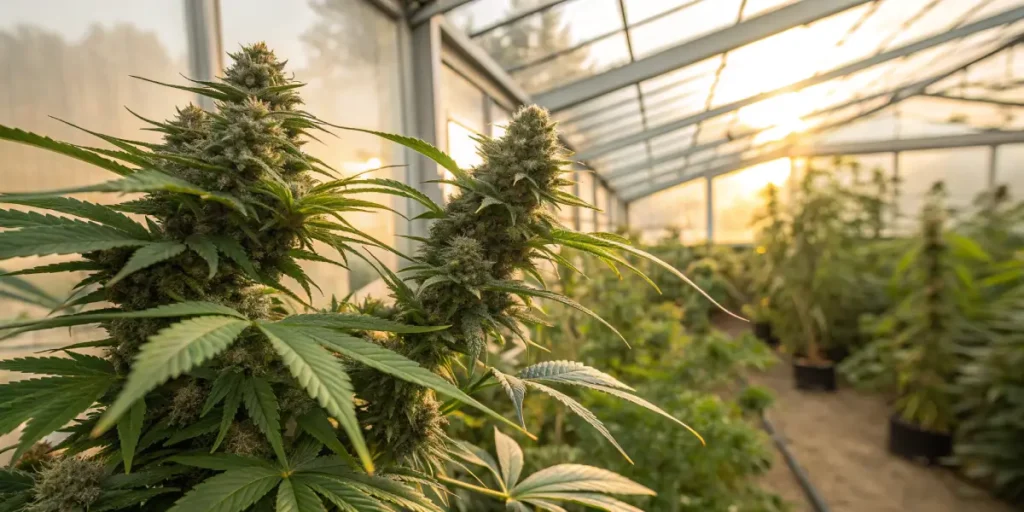
Best Outdoor Weed Fertilizer: Top Picks for Every Growth Stage

Top Fertilizer Choices: Selecting the best outdoor weed fertilizer hinges on your goals. For maximum yield, synthetic options like Fox Farm and Advanced Nutrients excel. If you prioritize flavor and soil health, organic choices such as Gaia Green are ideal. Use a high-nitrogen formula (3:1:2) during the vegetative phase and switch to a high-phosphorus/potassium blend (1:3:2) for flowering.
When cultivating cannabis outdoors, the right fertilizer can enhance terpene profiles and flowering times. Organic fertilizers foster beneficial soil microbes, while synthetic ones offer rapid nutrient delivery. These dynamics are crucial in selecting the best nutrients for outdoor grow success. Let’s delve into the specifics of each fertilizer type and their impact on your plants.
Recommended Strains
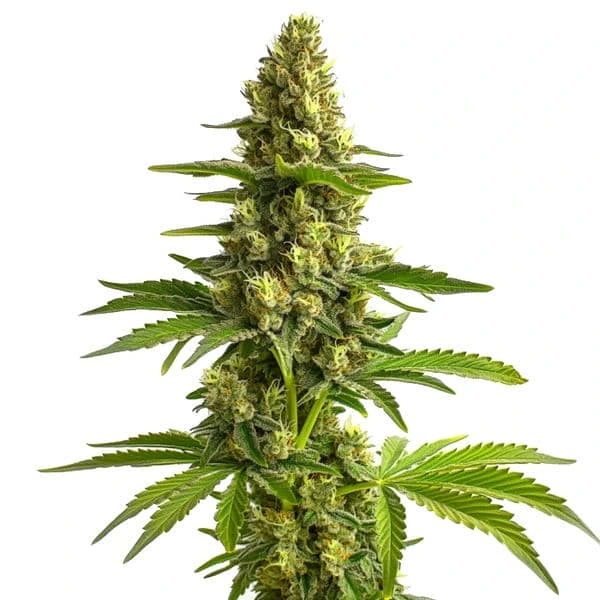
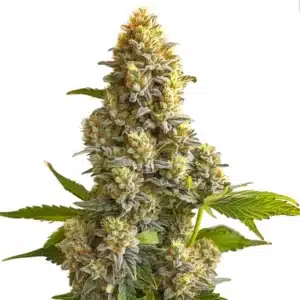
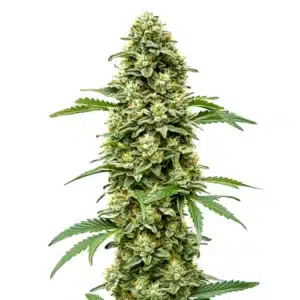
Bruce Banner #3

|
THC | 20% - 29% (High) |

|
Type | Feminized |

|
Yield | High |

|
Phenotype | 50% Indica / 50% Sativa |

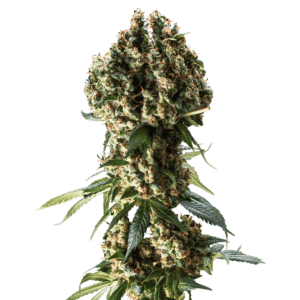
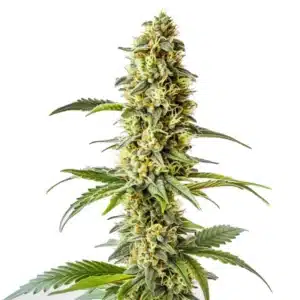
Bruce Banner #3 FBV
|
|
THC | 19% - 23% (Medium) |
|
|
Type | Fast Flowering |
|
|
Yield | High |
|
|
Phenotype | 50% Indica / 50% Sativa |
Fertilizer Types and Their Impact
Solid vs. Liquid Fertilizers
Solid fertilizers, such as granules or pellets, enrich the soil over time. These fertilizers slowly release nutrients, typically taking about 30 days to become available to plants. This gradual release helps maintain soil fertility and supports root development. Conversely, liquid fertilizers mix with water and provide immediate nutrient uptake, crucial during peak growth phases.
Liquid fertilizers are ideal for addressing immediate nutrient deficiencies, as they are absorbed quickly through the plant’s roots. Solid fertilizers, however, are excellent for long-term soil health. Balancing both types can optimize plant growth throughout the season, ensuring a steady supply of essential nutrients.
Importance of Soil pH and Water Quality
The pH level of your soil and water significantly affects nutrient absorption. Cannabis thrives in a pH range of 6.5 for soil and 5.5 to 6.5 for hydroponics. Deviations above 7 or below 5 can hinder the uptake of crucial minerals like iron and manganese, leading to deficiencies. Monitoring pH levels is essential for maintaining plant health and maximizing nutrient efficiency.
Using a digital pH meter, regularly test your soil and water to ensure they remain within the optimal range. This practice prevents nutrient lockout and promotes vigorous growth. Correcting pH imbalances promptly can prevent stunted growth and poor yields.
Promos & Deals
Top Fertilizer Recommendations
Best Organic Options for Sustainable Growth
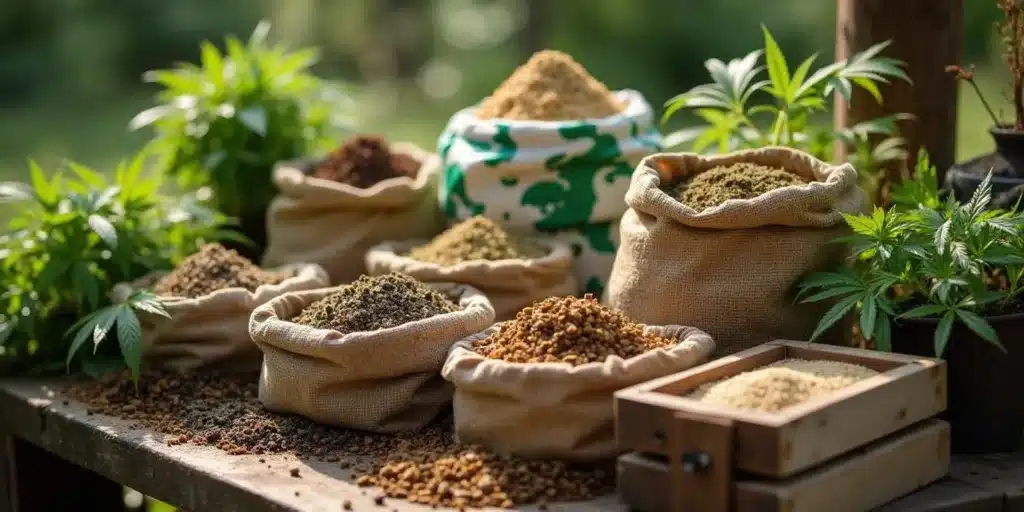
Organic fertilizers, such as compost and bone meal, enrich soil structure while providing essential nutrients. Blood meal offers a rich nitrogen source, perfect for the vegetative stage, promoting lush foliage. Bone meal, high in phosphorus, supports robust root development and flowering.
Fish emulsion, a liquid organic fertilizer, enhances both root and foliage health. These organic options release nutrients slowly, fostering sustainable growth and improving soil health over time. They also encourage beneficial microbial activity, which can enhance nutrient uptake and plant resilience.
Best Synthetic Options for Quick Results
Synthetic fertilizers like N-P-K blends deliver precise nutrient ratios for specific growth stages. These fertilizers are beneficial for rapid nutrient availability, especially in less fertile soils. Bloom boosters, high in phosphorus, are designed for the flowering phase, enhancing bud development.
Slow-release synthetic fertilizers gradually provide nutrients, reducing the risk of nutrient burn. They ensure a consistent supply of nourishment, supporting healthy plant development without the stress of over-fertilization. These options are ideal for growers seeking fast, reliable results.
Best Fertilizers for Outdoor Cannabis in New Zealand
In New Zealand, the best fertilizer for marijuanas outdoor includes a mix of organic and synthetic options. Gaia Green and Fish Emulsion are popular organic choices, promoting soil health and sustainable growth. For synthetic options, Advanced Nutrients offers targeted nutrient delivery, crucial for maximizing yields in the unique New Zealand climate.
Combining these fertilizers with a well-planned feeding schedule ensures optimal growth. The best fertilizer for marijuanas nz outdoor should support both vegetative and flowering stages, adapting to the local environmental conditions.
| Feature / Merkmal | G13 X Og Kush | Gelato | Bruce Banner X Chocolope |
|---|---|---|---|
| THC Content | 22-25% | 20-24% | 24-28% |
| Dominant Terpene | Myrcene | Limonene | Caryophyllene |
| Flavor Profile | Earthy, Pine | Citrus, Sweet | Fruity, Spicy |
| Effect | Relaxing | Uplifting | Euphoric |
| Yield | 18 oz/plant (510 g/plant) | 21 oz/plant (600 g/plant) | 25 oz/plant (700 g/plant) |
Feeding Schedule and Nutrient Management
Adjusting for Deficiencies and Excesses
Monitoring leaf color is crucial for nutrient management. Yellowing leaves indicate nitrogen deficiency, while dark, curled leaves suggest nutrient excess. Adjusting your feeding schedule based on these signs can prevent long-term damage. Use a balanced fertilizer to address deficiencies quickly.
For nutrient excesses, flush the soil with water at a pH of 5.5. This helps remove excess salts and nutrients, allowing the plant to recover. Regularly testing soil and water pH can prevent these issues, ensuring a healthy growing environment.
Professional Tips for Outdoor Cannabis Cultivation
- Maintain soil pH at 6.5 for optimal nutrient uptake. Deviations can lead to deficiencies in essential minerals like iron and manganese.
- Use a nitrogen-rich fertilizer during the vegetative stage every two weeks to support robust growth.
- Transition to a phosphorus-rich fertilizer during flowering to promote bud development, feeding every 10 to 14 days.
- Monitor leaf color closely. Yellowing indicates nitrogen deficiency, while dark, curled leaves suggest nutrient excess.
- Flush soil with water at pH 5.5 to correct nutrient excesses, allowing plants to recover without stress.
- Test soil and water pH regularly using a digital meter to prevent nutrient lockout and ensure healthy growth.
FAQs on Outdoor Cannabis Fertilization
How to get rock hard buds?
To achieve dense buds, focus on providing a phosphorus-rich fertilizer during the flowering stage. Maintain a consistent feeding schedule every 10 to 14 days. Ensure your plants receive adequate light, around 800-1000 µmol/m²/s, and keep humidity levels between 40-50% RH to prevent mold.
What fertilizer makes buds bigger?
Fertilizers high in phosphorus and potassium, known as bloom boosters, are ideal for enlarging buds. Use them during the flowering stage, maintaining a 1:3:2 NPK ratio. Consistent application every 10 to 14 days can significantly enhance bud size and quality.
Is it best to use liquid or powder fertilizer for weed outdoors?
Liquid fertilizers are best for immediate nutrient uptake, ideal for correcting deficiencies quickly. Powder fertilizers, or solid types, release nutrients slowly, improving long-term soil health. Balancing both types can optimize growth and ensure a steady nutrient supply.
Can I use organic fertilizers for outdoor cannabis?
Yes, organic fertilizers like compost and bone meal are excellent for outdoor cannabis. They improve soil health and support beneficial microbial activity. Use blood meal for nitrogen in the vegetative stage and bone meal for phosphorus during flowering for sustainable growth.
What are the signs of nutrient deficiencies in cannabis?
Common signs include yellowing leaves, stunted growth, and poor bud development. Yellow leaves often indicate nitrogen deficiency, while purple stems can suggest phosphorus deficiency. Regular soil testing and adjusting your feeding schedule can help address these issues effectively.