Essential Guide: Photodegradation Pathways of THC, THCA, CBD, CBDA

Photodegradation refers to the breakdown of compounds when exposed to light. In cannabis, this means that compounds like THC, THCA, CBD, and CBDA can change or degrade when exposed to sunlight or UV light. Knowing these pathways is crucial for anyone interested in cannabis cultivation or consumption. Not only does it impact the potency of your product, but it also affects how you store and process your cannabis.
For growers and consumers, knowing the photodegradation pathways of THC, THCA, CBD, and CBDA can make a huge difference. Growers can optimize their growing conditions to reduce unwanted breakdown, while consumers can ensure they are getting the most out of their cannabis products. Let’s dive into how these cannabinoids react to light exposure and what that means for you.
Recommended Strains
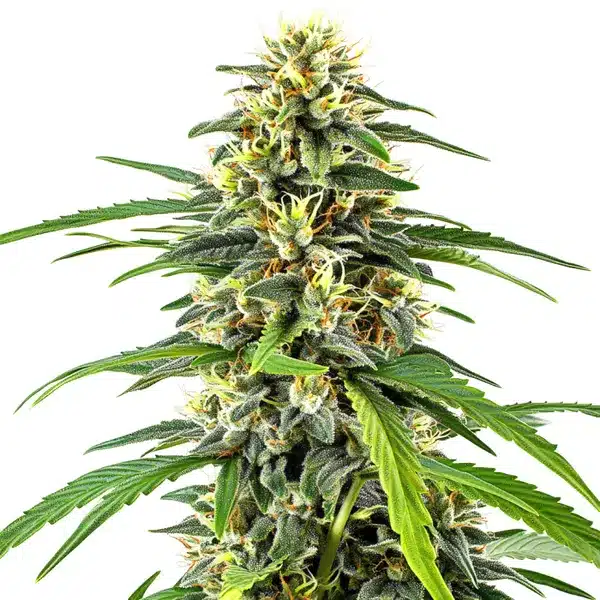
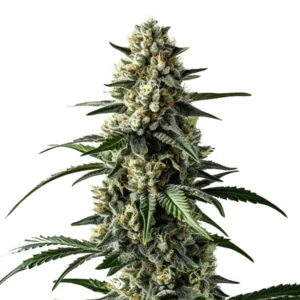
Amnesia Haze

|
THC | 18% - 22% (Medium) |

|
Type | Feminized |

|
Yield | High |

|
Phenotype | 30% Indica / 70% Sativa |

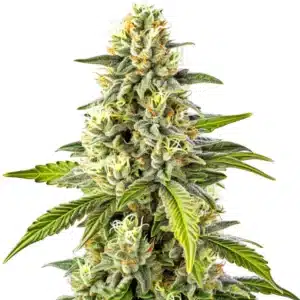
Blueberry
|
|
THC | 15% - 24% (High) |
|
|
Type | Feminized |
|
|
Yield | High |
|
|
Phenotype | 80% Indica / 20% Sativa |
Whether you’re a first-time cannabis seed buyer or an experienced grower, this information will help you make informed decisions about your cannabis cultivation and storage practices. By knowing the photodegradation kinetics of cannabis compounds, you can better preserve the quality and potency of your products.
Photodegradation of THC and CBD under UV Light
When THC and CBD are exposed to UV light, they undergo significant changes. UV light, a component of sunlight, has enough energy to break down chemical bonds in these cannabinoids. As a result, the potency and effects of THC and CBD can be altered. This is why storing cannabis in dark, cool places is recommended.
For instance, if you’re growing a strain like GG4 from Blimburn Seeds, you’d want to keep the plants away from direct sunlight after harvest. By doing so, you prevent the photodegradation pathways of THC, THCA, CBD, and CBDA from reducing the quality of your final product. Always consider how light exposure can impact cannabinoid stability.
Beyond just potency, the flavor profile of cannabis can also be affected by UV exposure. Some terpenes, which contribute to the aroma and flavor of cannabis, are particularly sensitive to light. This means that besides to losing THC and CBD potency, the unique flavor profiles of strains from Blimburn Seeds can be compromised if not stored properly.
Moreover, prolonged exposure to UV light can lead to the conversion of THC into CBN, which may not be desirable for all consumers. Knowing these nuances can help in selecting the right storage solutions, such as using UV-resistant glass containers for long-term storage needs.
Promos & Deals
THCA and CBDA Degradation in Sunlight
THCA and CBDA are the acidic precursors to THC and CBD. These compounds also degrade under sunlight, but their pathways differ slightly from their non-acidic counterparts. When exposed to light, THCA can convert to THC, and CBDA to CBD, but prolonged exposure can further degrade these compounds into other byproducts.
For practical purposes, consider strains like Blueberry from Blimburn Seeds. When growing Blue Dream outdoors, it’s essential to monitor the exposure to direct sunlight. Too much light can accelerate the degradation of THCA and CBDA, impacting the overall cannabinoid profile of your harvest.
Knowing the specific photodegradation pathways of THC, THCA, CBD, and CBDA helps in making informed decisions about strain selection for outdoor versus indoor cultivation. Different strains react uniquely to sun exposure, and recognizing these differences can be pivotal in optimizing yield quality.
Additionally, the degradation of THCA and CBDA can also influence the medicinal properties of cannabis. For medical users seeking specific cannabinoid profiles, maintaining the integrity of these compounds through careful control of light exposure is crucial.
Effects of Light Exposure on Cannabinoid Stability
Light exposure doesn’t just change the potency of cannabis; it also affects the flavor and aroma. When cannabinoids break down, they can form new compounds that alter the sensory characteristics of the plant. This is why many seasoned growers take extra precautions with their drying and curing processes.
Storing cannabis in opaque containers can significantly reduce the effects of light exposure on cannabinoid stability. This simple step can help maintain the integrity of strains like Amnesia Haze from Blimburn Seeds, ensuring that your cannabis retains its intended effects and flavors.
For growers focusing on high-terpene strains, protecting cannabis from light exposure is even more critical. Terpenes, responsible for the plant’s aromatic profile, can volatilize or degrade under excessive light, leading to a diminished sensory experience for users.
Besides to affecting cannabinoids and terpenes, light exposure can also impact the plant’s overall moisture content, leading to unexpected changes in texture and burning qualities. This underscores the importance of a well-rounded approach to managing light exposure for quality preservation.
Pathways of THC and CBD Breakdown in Light
The breakdown of THC and CBD in light isn’t just a single-step process. These compounds can undergo multiple transformations before reaching their final degraded state. Initially, THC and CBD may convert into their acidic forms or other cannabinoids like CBN, as mentioned earlier.
For growers, knowing these pathways can help in planning the harvest and post-harvest processes. Timing is critical; harvesting too late or exposing the crop to excess light can lead to reduced potency. This is especially important for cultivators aiming to produce high-THC strains.
Advanced cultivation techniques, such as selective breeding and genetic optimization, can be employed to develop strains from Blimburn Seeds that are more resistant to light-induced degradation. This can enhance the longevity and stability of cannabinoid profiles.
Furthermore, implementing controlled environment agriculture (CEA) technologies can help manage light exposure precisely, allowing for the fine-tuning of photodegradation pathways of THC, THCA, CBD, and CBDA to meet specific production goals.
Photodegradation Kinetics of Cannabis Compounds
The kinetics of photodegradation refers to the rate at which these cannabinoids degrade under light. Several factors influence this rate, including the intensity of light, duration of exposure, and environmental conditions like temperature and humidity.
Knowing these kinetics allows growers to create optimal conditions for their plants. For example, utilizing greenhouses with UV-filtering films can slow down the degradation process, preserving the integrity of strains like GG4 and Blueberry.
Research into the photodegradation kinetics of cannabis compounds is ongoing, with studies aiming to develop predictive models that can forecast the rate of degradation under various conditions. This knowledge can be a powerful tool for both small-scale and commercial cannabis operations.
By adopting best practices informed by these models, growers can maximize cannabinoid retention and enhance the overall quality of their products. This can lead to more consistent and reliable outcomes for consumers seeking specific effects or therapeutic benefits.
FAQs about photodegradation pathways of THC THCA CBD
What is photodegradation, and how does it affect cannabis?
Photodegradation is the process by which compounds break down when exposed to light. In cannabis, this affects key cannabinoids like THC, THCA, CBD, and CBDA. Light exposure can alter the chemical structure of these cannabinoids, resulting in changes to their potency, flavor, and aroma.
For growers and consumers, minimizing light exposure is crucial. Using opaque containers and storing cannabis in dark, cool areas can significantly reduce the rate of photodegradation, preserving the desired qualities of the cannabis.
Beyond just the cannabinoids, photodegradation can also impact the terpenes and flavonoids found in cannabis. These compounds are responsible for the plant’s unique aroma and taste, and their degradation can lead to a less enjoyable sensory experience.
Implementing strategies to mitigate light exposure can also extend the shelf life of cannabis products, making them more appealing to both recreational and medicinal users who prioritize quality and consistency.
Can photodegradation be beneficial for cannabis?
In some cases, photodegradation can be beneficial. For instance, converting THCA to THC through light exposure can increase the psychoactive effects of cannabis. This might be desirable for those seeking a more potent high.
However, prolonged exposure can lead to further breakdown into less desirable compounds, such as CBN, which is less potent. Balancing light exposure is key to achieving the desired outcomes for both growers and consumers.
For cultivators focusing on cannabinoid extraction, controlled photodegradation can be used to optimize the conversion of precursor compounds into their more active forms, enhancing the efficacy of concentrates and oils.
Yet, it’s crucial to monitor and control these processes carefully, as excessive degradation can lead to a loss of valuable compounds, undermining the overall quality of the final product.
How can I prevent photodegradation in my cannabis plants?
To prevent photodegradation, it’s important to manage light exposure throughout the growing and storage processes. Using UV-filtering films, harvesting at the right time, and storing in dark, airtight containers are effective methods.
For outdoor growers, consider the position and orientation of your plants to minimize direct sunlight during peak hours. Indoor growers can use artificial lighting that mimics natural conditions without excessive UV radiation.
Additionally, investing in quality storage solutions, such as UV-blocking jars or containers, can further protect cannabis products from degradation post-harvest, ensuring that the end-user receives the highest quality product possible.
Education and awareness about photodegradation pathways of THC, THCA, CBD, and CBDA are also vital for consumers, enabling them to make informed choices about how they store and use their cannabis products.
What impact does photodegradation have on cannabinoid potency?
Photodegradation can significantly impact cannabinoid potency. As THC and CBD break down, they lose some of their psychoactive and therapeutic effects. This can lead to a less potent product, which may not provide the expected benefits.
Maintaining optimal storage conditions is essential to preserve potency. By understanding the photodegradation pathways of THC, THCA, CBD, and CBDA, you can take proactive steps to ensure your cannabis retains its desired potency and effects.
For commercial growers and dispensaries, understanding the effects of light exposure on cannabinoid stability is crucial for maintaining product quality from cultivation to consumer. This knowledge can help design better packaging and display solutions.
Furthermore, educating consumers about the importance of proper storage can help enhance their experience, ensuring that they enjoy the full benefits of their cannabis products through optimal potency and flavor retention.
Are certain cannabis strains more resistant to photodegradation?
Some cannabis strains may be more resistant to photodegradation due to their genetic makeup and cannabinoid profiles. However, all cannabis plants are susceptible to some degree of degradation when exposed to light.
Strains like Amnesia Haze may have varying levels of resistance, but the best approach is to implement proper storage and handling practices. This ensures that regardless of the strain, the cannabis maintains its quality and potency over time.
Research into the genetic factors that contribute to photodegradation resistance is ongoing, with the goal of developing new strains with enhanced durability under light exposure. This could revolutionize how cannabis is cultivated and stored.
For now, growers can focus on optimizing environmental conditions and using available tools, such as UV-filtering materials, to extend the shelf life and potency of their cannabis strains from Blimburn Seeds.