Expert Guide: Proven Retail Last-Mile Light Exposure & Potency Loss

Retail “last-mile” light exposure and potency loss is a critical issue for cannabis retailers. The journey from the warehouse to the consumer can significantly impact the quality of cannabis products. This journey includes exposure to light on display cases and shelves, which can degrade the potency of cannabis.
For retailers, ensuring product quality is essential. Customers want to purchase cannabis that delivers the expected experience. However, retail shelf lighting effects on product potency can be a hidden challenge. When products are exposed to light for extended periods, their quality can degrade, leading to customer dissatisfaction.
Recommended Strains

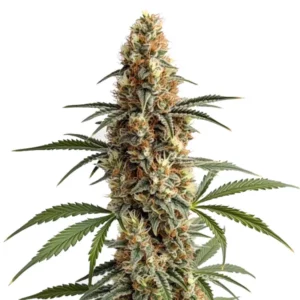
Banana Kush

|
THC | 17% - 21% (Medium) |

|
Type | Feminized |

|
Yield | High |

|
Phenotype | 60% Indica / 40% Sativa |
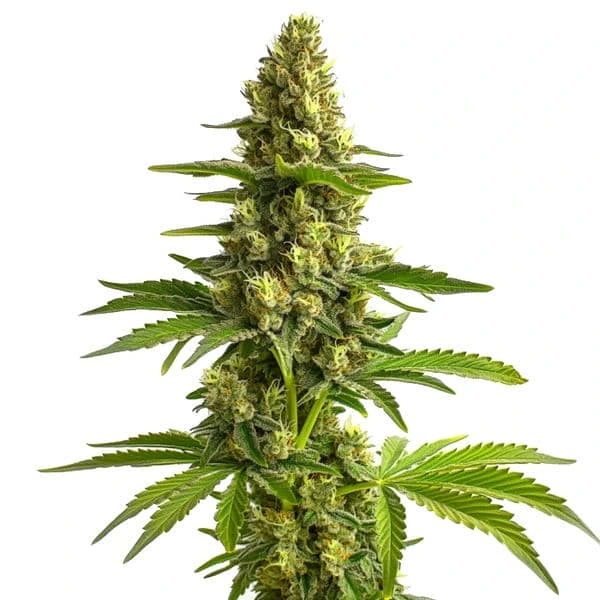
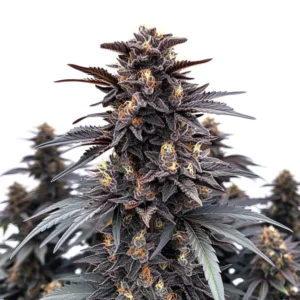
Bruce Banner #3
|
|
THC | 20% - 29% (High) |
|
|
Type | Feminized |
|
|
Yield | High |
|
|
Phenotype | 50% Indica / 50% Sativa |
Retailers face the challenge of maintaining product integrity while displaying items attractively. The balance between aesthetic display and product preservation is delicate. Retail display case light exposure effects can lead to noticeable reductions in product potency, affecting customer perception and sales.
Knowing Light Exposure and Potency Loss
Light exposure reducing product potency in retail is a phenomenon that occurs when cannabis products are subjected to light, particularly UV rays, over time. These rays can break down cannabinoids and terpenes, the compounds responsible for the plant’s effects and flavor. This breakdown leads to a decrease in potency and quality.
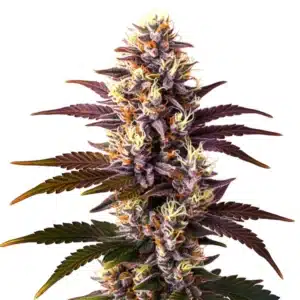
For instance, the popular Blimburn Seeds strain, Banana Kush, is known for its high THC content and sweet aroma. However, if exposed to light on retail shelves, its potency can degrade, resulting in a less effective product. Retailers must consider how their display strategies might impact such premium strains.
Besides to UV rays, other forms of illumination, such as fluorescent and LED lights commonly used in retail settings, can contribute to potency degradation. The cumulative effect of various light sources intensifies the breakdown process, further impacting product quality. Retailers need to carefully evaluate the types of lighting used in their stores to mitigate these effects.
Moreover, the duration and intensity of light exposure play crucial roles in determining the extent of potency loss. Even brief exposure to intense light can cause significant degradation. Therefore, knowing the specific needs of different cannabis strains is essential to developing effective display and storage strategies.
Promos & Deals

Practical Strategies to Minimize Potency Loss
To combat last-mile retail product potency degradation, retailers can employ several strategies. One effective method is using UV-filtering glass for display cases. This type of glass can block harmful rays, preserving the potency of strains like Bruce Banner #3 from Blimburn Seeds, known for its powerful effects.
- Use UV-filtering glass in display cases
- Limit the time products are exposed to light
- Rotate stock regularly to ensure older products are sold first
Another practical approach is to limit the time products spend on the shelf. By keeping inventory moving and regularly rotating stock, retailers can ensure that products do not linger under light for too long. This is especially important for strains like Mamba Negra from Blimburn Seeds, which are prized for their robust potency.
Educating staff about the importance of these strategies is crucial for effective implementation. Employees should be trained to understand the impact of light exposure on product potency and be vigilant in applying best practices. By fostering a culture of awareness, retailers can consistently maintain product quality.
Additionally, utilizing technology, such as smart lighting systems, can automate and optimize lighting conditions. By adjusting light intensity and duration based on store hours and customer traffic, retailers can further protect their products from unnecessary exposure, thereby enhancing customer satisfaction and loyalty.
Real-Life Examples of Effective Retail Strategies
Consider a cannabis retailer who initially noticed a drop in customer satisfaction linked to retail “last-mile” light exposure andf potency loss. After examining their display cases, they realized that their potent strains were losing effectiveness due to prolonged exposure to shelf lighting. By switching to lower-intensity bulbs and using UV-filtering glass, they saw a marked improvement in customer feedback.
In another example, a retailer used smart technology to automate lighting schedules. Lights were programmed to dim during non-peak hours, reducing the overall exposure time. This simple shift helped maintain the quality of their products, boosting customer confidence and satisfaction.
- Automate lighting schedules to reduce exposure
- Educate staff on the importance of product rotation
- Monitor customer feedback for signs of potency issues
These examples demonstrate that minor adjustments can have significant impacts on product quality. Retailers who proactively address shelf exposure impact on product quality can maintain their reputation for providing high-quality cannabis products.
Another real-life instance involved a retailer who partnered with lighting experts to audit and redesign their store’s lighting setup. By strategically placing lights and using reflective surfaces, they minimized direct exposure while enhancing product visibility. This approach not only preserved potency but also improved the overall shopping experience for customers.
Furthermore, some retailers have implemented customer feedback systems to gather insights on product quality and satisfaction. By monitoring customer responses, they can quickly identify any issues related to potency loss and adjust their strategies accordingly. This proactive approach ensures continuous improvement and customer loyalty.
FAQs About Retail “Last-Mile” Light Exposure and Potency Loss
What is the impact of retail display case light exposure on cannabis?
Retail display case light exposure effects are significant in cannabis retail. When cannabis is exposed to light, particularly UV light, the cannabinoids and terpenes degrade over time. This degradation can lead to a reduction in potency and overall product quality, impacting the consumer experience negatively.
To mitigate these effects, retailers can use UV-filtering materials and limit light exposure. By doing so, they can preserve the quality and potency of their cannabis products, ensuring customer satisfaction and loyalty.
Retailers should also consider the function of ambient lighting and its cumulative impact on product potency. While display lights are a primary concern, overall store lighting can contribute to potency degradation. By carefully managing both direct and indirect light exposure, retailers can better protect their products.
Additionally, it’s important to recognize that different cannabis products may have varying sensitivities to light exposure. Infused products, for example, might be more susceptible to potency loss due to their complex compositions. Retailers should tailor their strategies to address the specific needs of each product type.
How can retailers prevent last-mile retail product potency degradation?
Retailers can prevent product potency degradation by implementing strategic measures such as using UV-filtering glass and rotating stock regularly. These practices help minimize the time products spend under potentially damaging light exposure, thus preserving their strength and effectiveness.
Educating staff on these practices and monitoring the time products are exposed to light can further ensure that cannabis retains its intended potency from production to sale.
Furthermore, retailers can invest in high-quality storage solutions that offer additional protection against light exposure. By combining proper storage with effective display techniques, they can maintain the integrity of their products throughout the retail “last-mile” journey.
Collaboration with suppliers is also essential. By working closely with manufacturers and distributors, retailers can establish best practices for packaging and handling that reduce light exposure risks at every stage of the supply chain.
Why is it important to address shelf exposure impact on product quality?
Addressing shelf exposure impact on product quality is crucial for maintaining a retailer’s reputation and customer trust. When cannabis loses its potency due to light exposure, it may not deliver the expected effects, leading to disappointed customers and potential loss of business.
By taking proactive steps to reduce light exposure, retailers can preserve the integrity of their products, ensuring that customers receive the high-quality cannabis they expect and deserve.
Moreover, consistent product quality is a key differentiator in the competitive cannabis market. Retailers who effectively manage light exposure reducing product potency in retail can build a loyal customer base that values reliability and excellence.
Investing in quality preservation also supports long-term business sustainability. By minimizing last-mile retail product potency degradation, retailers can reduce waste, optimize inventory, and maximize profitability while maintaining customer satisfaction.
Are there specific strains more susceptible to light exposure?
Some strains, especially those with a high concentration of certain terpenes and cannabinoids, may be more susceptible to light exposure. For example, strains like Banana Kush or Bruce Banner #3 from Blimburn Seeds, known for their robust cannabinoid profiles, can experience potency loss if exposed to light for extended periods.
Retailers should take extra care with these premium strains, using protective measures to ensure they remain potent and effective for consumers.
Knowing the unique characteristics of each strain is vital for implementing effective protection strategies. Retailers can work with suppliers to obtain detailed information on strain sensitivities and adjust their display practices accordingly.
Additionally, retailers can conduct in-store testing to assess the shelf exposure impact on product quality for different strains. By monitoring potency levels over time, they can identify which strains require more stringent protection and refine their display strategies accordingly.
What are the best practices for cannabis display and storage?
The best practices for cannabis display and storage involve minimizing light exposure, maintaining a controlled environment, and ensuring products are rotated regularly. Using UV-filtering glass and dimming lights during non-peak hours can significantly reduce the risk of potency loss.
By following these practices, retailers can ensure that their products remain fresh and potent, ultimately providing a better experience for their customers and fostering long-term loyalty.
Temperature and humidity control are also critical factors in preserving cannabis quality. Retailers should maintain optimal conditions in both display and storage areas to prevent degradation caused by environmental fluctuations.
Moreover, clear communication with customers about storage recommendations can enhance the consumer experience. By educating consumers on how to store cannabis products at home, retailers can help extend product life and preserve potency even after purchase.
You may also like
This guide pairs well with two more from our blog. Take a look at Proven Insights: Curing in Light vs Dark’s Impact on Cannabinoid Stability and Proven Protocol to Quantify THC Degradation Under UV Light Easily to get the full picture and put these ideas into practice with confidence.