Best Fertilizer for Cannabis: NPK Ratios by Growth Stage

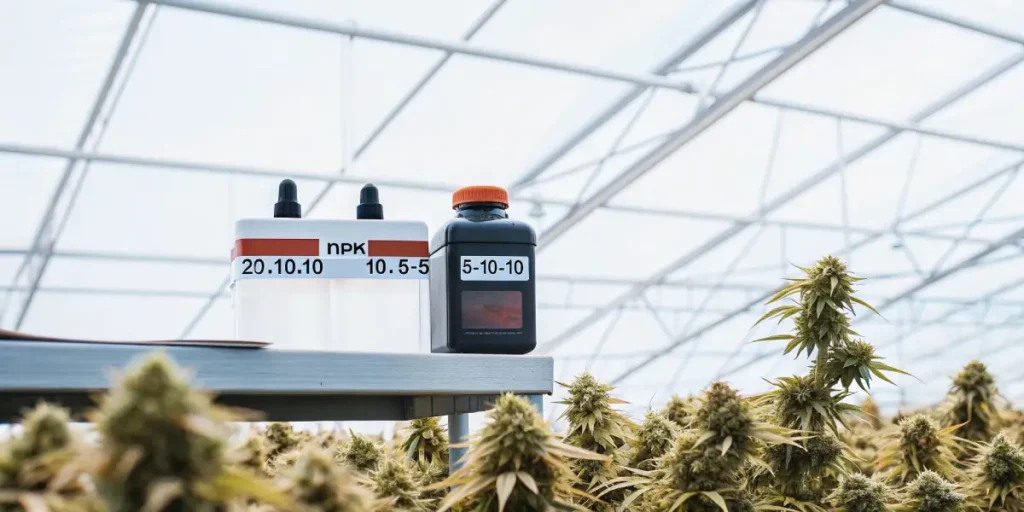
The best fertilizer for cannabis is not one product, it is the right nutrient balance for each growth stage. In short: feed high nitrogen in veg, then shift to phosphorus and potassium in flower, and keep soil pH near 6.5 so the roots can absorb it all. Whether you grow indoors or outdoors, a cannabis-specific nutrient line makes hitting those ratios far easier. The chart below shows exactly what to feed and when.
Getting feeding right is one of the biggest levers you have over yield, potency and flavor. Underfeed and plants stall; overfeed and you get nutrient burn. This guide keeps it practical: the NPK ratios for each stage, the main fertilizer types, and simple tips to avoid the common mistakes.
Recommended Strains

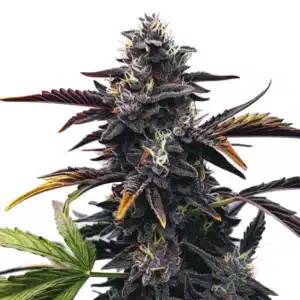
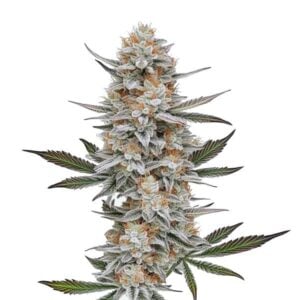
Alaskan Purple

|
THC | 15% - 20% (Medium) |

|
Type | Feminized |

|
Yield | Medium |

|
Phenotype | 70% Indica / 30% Sativa |
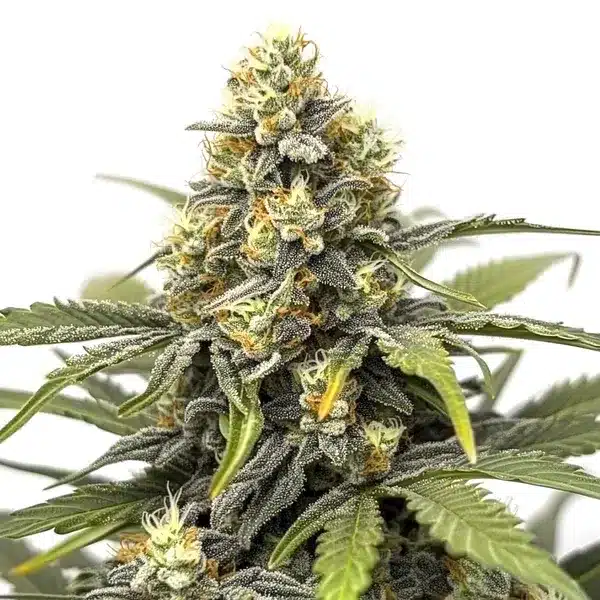
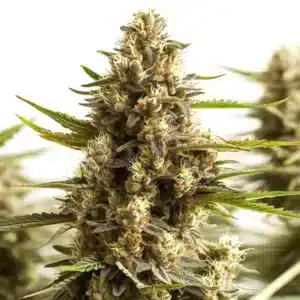
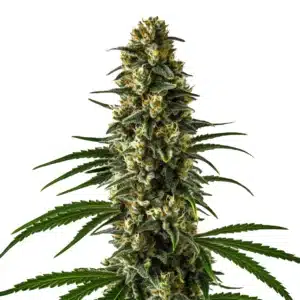
Amnesia
|
|
THC | 15% - 20% (Medium) |
|
|
Type | Feminized |
|
|
Yield | High |
|
|
Phenotype | 30% Indica / 70% Sativa |
| Growth stage | Feeding focus | Example NPK |
|---|---|---|
| Seedling | Very light, balanced | Quarter-strength balanced |
| Vegetative | High nitrogen for leaves and stems | ~3-1-2 (e.g. 9-3-6) |
| Early flower | Shift toward phosphorus and potassium | ~1-3-2 (e.g. 5-15-10) |
| Late flower | High potassium, low nitrogen; add a PK boost | ~0-10-10 |
| Final flush | None, plain pH-balanced water | Flush |
Keep pH around 6.5 in soil (5.8-6.2 in hydro) so the plant can actually absorb whatever you feed.
Cannabis Nutrient Needs by Stage
N, P and K: What Each Does
Cannabis runs on three macronutrients, the N-P-K on every label. Nitrogen (N) drives leafy, vegetative growth; phosphorus (P) powers roots and bud formation; and potassium (K) runs the plant’s water and energy systems and fattens flowers. The whole game is shifting the balance from N-heavy in veg to P-K-heavy in flower.
In practice, aim for roughly a 3-1-2 ratio in veg (for example 9-3-6) and flip to about 1-3-2 in flower (for example 5-15-10), exactly as the chart above lays out. Getting these ratios wrong is the usual cause of deficiencies or nutrient burn, so match the feed to the stage rather than using one product throughout.
Fertilizer Types: Synthetic vs Organic
Beyond the numbers, fertilizers come in a few forms, and the right one depends on your setup and how hands-on you want to be:
| Fertilizer type | Pros | Cons | Best for |
|---|---|---|---|
| Synthetic (mineral salts) | Fast, precise, cheap | Salt buildup, needs flushing | Quick results, hydro, indoor |
| Organic (guano, worm castings, compost) | Feeds soil life, forgiving, better flavor | Slower, less precise | Soil growers, beginners |
| Liquid | Immediate uptake, easy to adjust | Feed more often | All setups, veg and flower |
| Granular / slow-release | Feeds for weeks, low effort | Slow to correct mistakes | Outdoor and soil |
Feeding in Practice (Indoor and Out)
Indoors, where you control everything, precision pays off: feed on a regular schedule, watch runoff, and correct quickly. Different strains also vary a little, dense indicas take more nitrogen in veg, lanky sativas want steady nitrogen for longer. Outdoors, plants are more forgiving thanks to living soil, though feeding still follows the same veg-to-flower shift.
A cheap EC (electrical conductivity) meter is worth having: it tells you how strong your nutrient solution is. As a rough guide, keep EC under about 2.3 in soil and 1.3 in hydro to avoid nutrient burn, and rise gradually into flower. Rising EC in your runoff is an early warning of salt buildup, so flush before it becomes lockout.
Promos & Deals
Pro Tips for Fertilizing Cannabis
- Keep pH at ~6.5 in soil (5.8-6.2 in hydro); the wrong pH locks out nutrients even when they are present.
- Feed less, not more: most problems are overfeeding. Start at half the label dose and build up only if the plant wants it.
- Drop nitrogen in flower: too much nitrogen late causes airy buds and harsh flavor.
- Watch for salt buildup: if leaf tips burn, flush with plain pH-balanced water and resume lighter.
- Liquid for speed, granular for ease: liquids act fast; slow-release granules feed hands-off for weeks.
Growing outdoors and chasing big colas? See our guide to the best fertilizer for big buds outdoors. Prefer a natural approach? Read up on the best organic cannabis fertilizer.
Common Cannabis Fertilizing Mistakes
The most common mistake is over-feeding. It is tempting to think more nutrients mean bigger buds, but excess fertilizer builds up as salts that burn roots and leaves and lock out other nutrients. Feeding little and often, and starting any new nutrient line at about half strength, beats heavy doses almost every time. When in doubt, under-feed and watch the plant respond.
Other frequent errors are ignoring pH (so nutrients are present but cannot be absorbed), feeding the wrong ratio for the stage (too much nitrogen in flower, for example), and skipping the end-of-grow flush. Keep pH in range for your medium, match the feed to veg or bloom, and water plain for the last week or two before harvest for a cleaner finish.

FAQs: Cannabis Fertilizer
What feed is best for cannabis?
It depends on the stage. In veg, use a nitrogen-heavy feed around 9-3-6 for strong leaves and stems. In flower, switch to a phosphorus- and potassium-rich bloom feed like 5-15-10 to build buds. A two-part or stage-specific cannabis nutrient line makes this easy. Always start light and adjust to how the plant responds.
What nutrient makes buds bigger?
Phosphorus and potassium are the bud-builders. Through flower, feed a P-K-rich ratio like 1-3-2 (for example 5-15-10) and add a dedicated PK booster during the mid-flower swell. Just as important, ease off nitrogen so energy goes into flowers, not leaves. Strong light and healthy roots do the rest.
How often should you fertilize cannabis?
A common approach is feeding every second or third watering, roughly 2-3 times a week, alternating with plain water to avoid salt buildup. Slow-release granules can feed for weeks with no schedule at all. Whatever you use, watch the plant: burnt tips mean back off, pale leaves mean it wants a little more.
Can I use regular garden fertilizer for cannabis?
You can in a pinch, but it is not ideal. Many garden fertilizers are nitrogen-heavy all the way through, which ruins flowering, and they lack the micronutrients cannabis leans on. A cannabis- or bloom-specific feed gives the right N-P-K shift from veg to flower and generally produces cleaner, bigger, better-tasting buds.
What is the best organic fertilizer for cannabis?
Good organic options include compost and worm castings for a gentle base, plus inputs like bat guano (phosphorus), kelp (potassium and micronutrients) and fish or blood meal (nitrogen). Many growers combine them or use a quality organic nutrient line. Organics feed the soil life and are forgiving, though they act more slowly than synthetics.
What are signs of over-fertilizing cannabis?
The classic sign is nutrient burn: dark green leaves with yellow or brown, clawed, curling tips, usually starting at the edges. You may also see a crusty salt build-up on the soil. If it appears, flush with plain water and cut back the strength and frequency of feeding. Feeding on the lighter side avoids it.