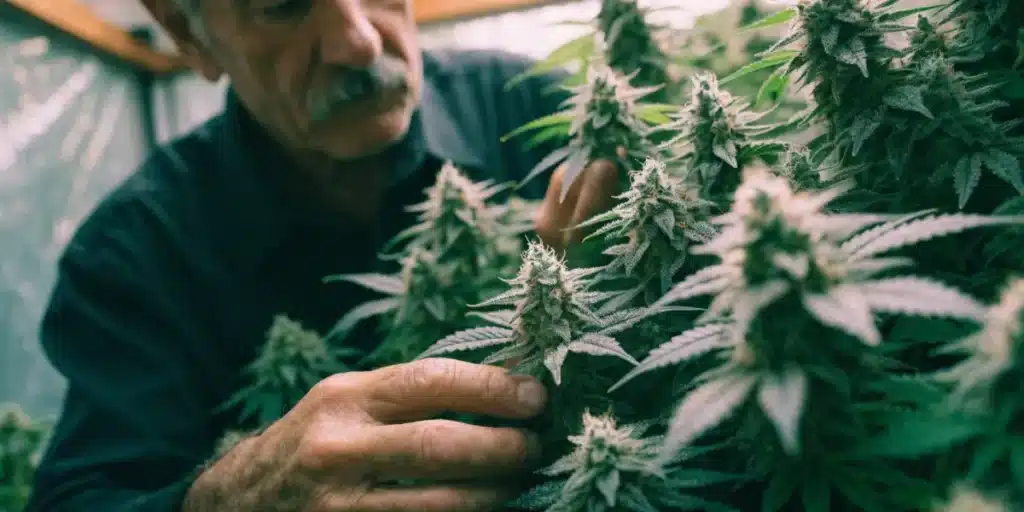
Essential Skills for Successful Cannabis Cultivation

Mastering Cannabis Cultivation: Successful cannabis cultivation hinges on mastering essential skills such as strategic planning, effective soil management, and precise troubleshooting. Growers who integrate structured cultivation plans can achieve a 30% increase in yield, as reported by industry experts in 2022. This guide delves into the skills and techniques necessary for becoming a proficient cannabis cultivator, ensuring higher yields and superior quality.
Delving into cannabis cultivation requires a keen knowing of terpenes and their impact on plant development. Terpenes not only influence the aroma and flavor but also interact with cannabinoids to enhance effects. With flowering times ranging from 8 to 10 weeks, selecting strains with desired terpene profiles can significantly affect the final product’s quality and consumer experience.
Recommended Strains

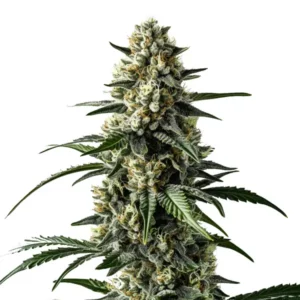
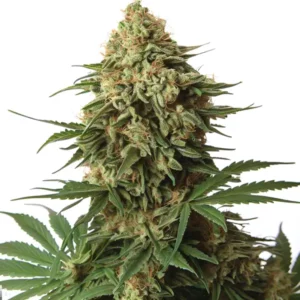
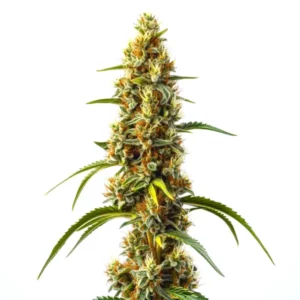
Blue Dream

|
THC | 17% - 24% (High) |

|
Type | Feminized |

|
Yield | High |

|
Phenotype | 50% Indica / 50% Sativa |
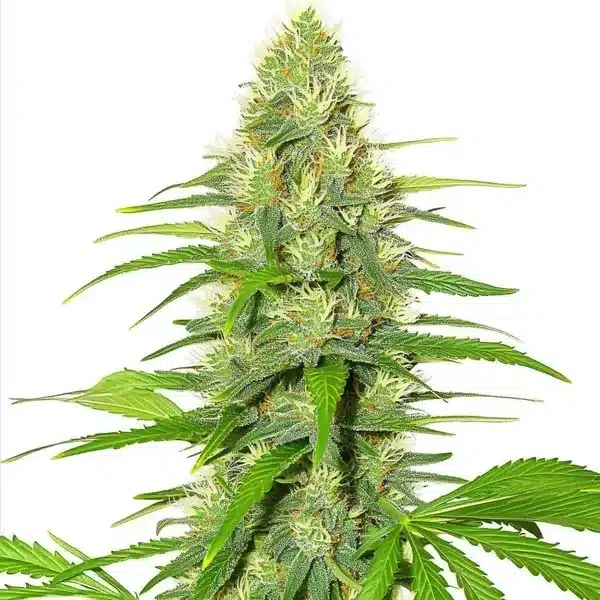
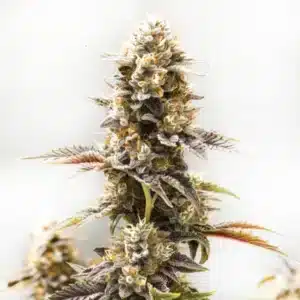
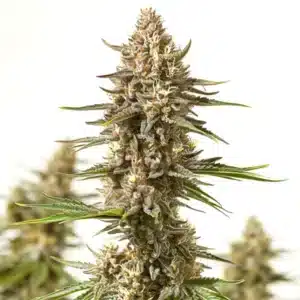
White Widow
|
|
THC | 18% - 25% (High) |
|
|
Type | Feminized |
|
|
Yield | High |
|
|
Phenotype | 45% Indica / 55% Sativa |
Knowing Cannabis Cultivation Basics
Key Concepts and Terminology
To excel in cannabis cultivation, familiarize yourself with key concepts such as photoperiodism, which dictates the light cycles necessary for plant growth. Photoperiod strains require a 12/12 light schedule to flower, while autoflowers thrive under 20/4. Additionally, knowing the importance of VPD (Vapor Pressure Deficit) can optimize plant transpiration, with ideal ranges between 0.8 and 1.2 kPa.
Soil composition and nutrient management are crucial. Aim for a balanced N:P:K ratio of 3:1:2 during the vegetative stage to support robust growth. Monitoring pH levels between 6.5 for soil ensures nutrient uptake, preventing deficiencies that could stunt growth. For further insights, consult a Cannabis Grow Guide PDF.
Promos & Deals
Essential Skills for Successful Cannabis Cultivation
Planning and Preparation
Effective planning begins with selecting the right strain. Consider factors like THC content and terpene profiles to match your cultivation goals. For instance, strains like GG4 offer a potent mix of effects and flavors, making them a popular choice among cultivators. Utilize a 7 steps to Grow Cannabis PDF to streamline your process.
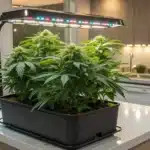
Preparation involves setting up an optimal grow environment. For indoor setups, maintain temperatures between 68°F and 77°F (20°C – 25°C) and humidity levels at 40-60% RH. Proper ventilation and lighting, such as LED systems providing 800-1000 µmol/m²/s, are essential for maximizing growth potential.
Soil and Nutrient Management
Knowing soil health is pivotal. Use a mix rich in organic matter, ensuring adequate drainage and aeration. Amendments like perlite can enhance soil structure, promoting root development. Regularly test soil pH, keeping it within the 6.5 range for optimal nutrient absorption.
Nutrient management requires a keen eye on the plant’s life stage. During flowering, shift to a low nitrogen, high phosphorus, and potassium ratio to support bud development. Over-fertilization can lead to nutrient burn, so adhere to recommended dosages and monitor plant response closely.
Advanced Techniques for High Yields
Indoor vs Outdoor Growing
Choosing between indoor and outdoor growing depends on your resources and goals. Indoor setups offer controlled environments, crucial for consistent yields. The best grow setup for indoors includes reflective walls, automated climate control, and hydroponic systems for efficient nutrient delivery.
Outdoor cultivation benefits from natural sunlight, reducing energy costs. However, it requires vigilance against pests and weather conditions. A Cannabis growing guide outdoor can provide valuable insights for optimizing outdoor yields.
Troubleshooting Common Issues
Common issues like nutrient deficiencies and pest infestations can derail your cultivation efforts. Yellowing leaves often indicate nitrogen deficiency, while curled leaves might suggest overwatering. Regular inspections and prompt interventions are key to maintaining plant health.
Implementing Integrated Pest Management (IPM) strategies can mitigate pest issues. Use beneficial insects like ladybugs to control aphid populations naturally. Avoid chemical pesticides that can harm beneficial organisms and disrupt the ecosystem.
| Feature | GG4 | Blue Dream | White Widow |
|---|---|---|---|
| THC Content | 27% | 17-24% | 18-25% |
| Dominant Terpene | Humulene | Myrcene | Pinene |
| Yield Indoor | 1.64 – 1.97 oz/ft² | 1.97 oz/ft² | 1.8 oz/ft² |
| Flowering Time | 8-10 weeks | 8-10 weeks | 8-10 weeks |
| Effect | Happy, Relaxed, Talkative | Happy, Relaxed, Talkative | Happy, Relaxed, Talkative |
Legal and Career Opportunities in Cannabis Cultivation
Obtaining a Cannabis Cultivation License
Securing a cannabis cultivation license involves navigating complex legal requirements. In states like California, applicants must demonstrate compliance with local zoning laws and environmental regulations. Fees can range from $1,000 to $10,000, depending on the operation’s scale.
Knowing the application process is crucial. Ensure all documentation is accurate and up-to-date to avoid delays. Consulting with a legal expert can streamline the process, reducing the risk of costly errors.
Exploring Cannabis Grower Jobs
The cannabis industry offers diverse career opportunities, from cultivation managers to trimmers. Salaries vary widely, with entry-level positions starting at $30,000 annually, while experienced growers can earn upwards of $80,000. Networking within the industry can open doors to lucrative opportunities.
Continuing education is vital for career advancement. Attend industry conferences and workshops to stay abreast of the latest cultivation techniques and regulatory changes. This proactive approach enhances your employability and expertise.
Professional Tips for Cannabis Cultivation
- Maintain 58-62% RH during the curing process to prevent mold and preserve terpenes.
- Use a 20/4 light schedule for autoflowers to maximize growth and yield potential.
- Monitor pH levels at 6.5 for soil to ensure optimal nutrient uptake.
- Implement IPM strategies to control pests naturally, avoiding chemical pesticides.
- Track local regulations to ensure compliance and avoid legal issues.
- Invest in quality LED lighting to reduce energy costs and improve plant health.
Frequently Asked Questions
What are the essential skills for successful cannabis cultivation?
Successful cannabis cultivation requires skills in planning, soil management, and troubleshooting. Mastering these can increase yields by 30%. Knowing light schedules, nutrient ratios, and pest control are also crucial. For example, maintaining a 12/12 light cycle for photoperiod strains is essential for flowering.
How can I obtain a cannabis cultivation license?
To obtain a cultivation license, comply with local zoning laws and environmental regulations. Fees range from $1,000 to $10,000. Accurate documentation is crucial to avoid delays. Consulting a legal expert can streamline the process, ensuring compliance with all requirements.
What is the best grow setup for indoors?
The best indoor grow setup includes LED lighting, reflective walls, and automated climate control. Maintain temperatures between 68°F and 77°F (20°C – 25°C) and humidity at 40-60% RH. This setup optimizes growth and yield potential, ensuring a controlled environment for your plants.
How do I troubleshoot common cannabis growing issues?
Troubleshoot issues by identifying symptoms like yellowing leaves, indicating nitrogen deficiency, or curled leaves from overwatering. Implement IPM strategies for pest control, using beneficial insects like ladybugs. Regular inspections and prompt interventions maintain plant health and prevent yield loss.
What are the career opportunities in cannabis cultivation?
Career opportunities in cannabis cultivation range from entry-level trimmers to experienced cultivation managers. Salaries start at $30,000 annually, with potential earnings exceeding $80,000 for seasoned growers. Networking and continuing education enhance employability and expertise in this growing industry.