Top Outdoor Seeds for Hot Climates: A Grower’s Guide

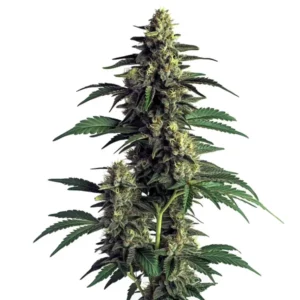
Optimal Strains for Heat: In hot outdoor climates, sativa-dominant cannabis strains and heat-tolerant indica hybrids thrive due to their robust root systems and resistance to intense sun exposure. Popular choices include Super Silver Haze, Durban Poison, and OG Kush, which excel in prolonged heat and high UV conditions. These varieties are well-suited to withstand high temperatures and intense sunlight.
When cultivating cannabis in hot climates, selecting strains with the right terpene profiles and flowering times is crucial. Sativa strains like Durban Poison and Amnesia Haze are ideal due to their airy structures, which enhance airflow and reduce mold risk. Employing techniques like mulching and water-storing polymers can further protect your plants, ensuring a robust harvest.
Recommended Strains
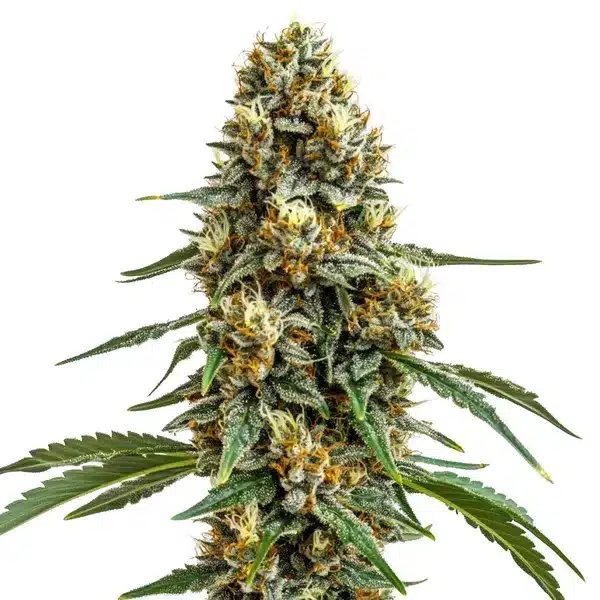
Durban Poison

|
THC | 15% - 25% (High) |

|
Type | Feminized |

|
Yield | High |

|
Phenotype | 10% Indica / 90% Sativa |

Durban Poison Autoflower
|
|
THC | 21% - 25% (High) |
|
|
Type | Autoflowering |
|
|
Yield | Low |
|
|
Phenotype | 20% Indica / 80% Sativa |
Choosing the Right Strains for Hot Climates
Sativa vs. Indica: Which is Better?
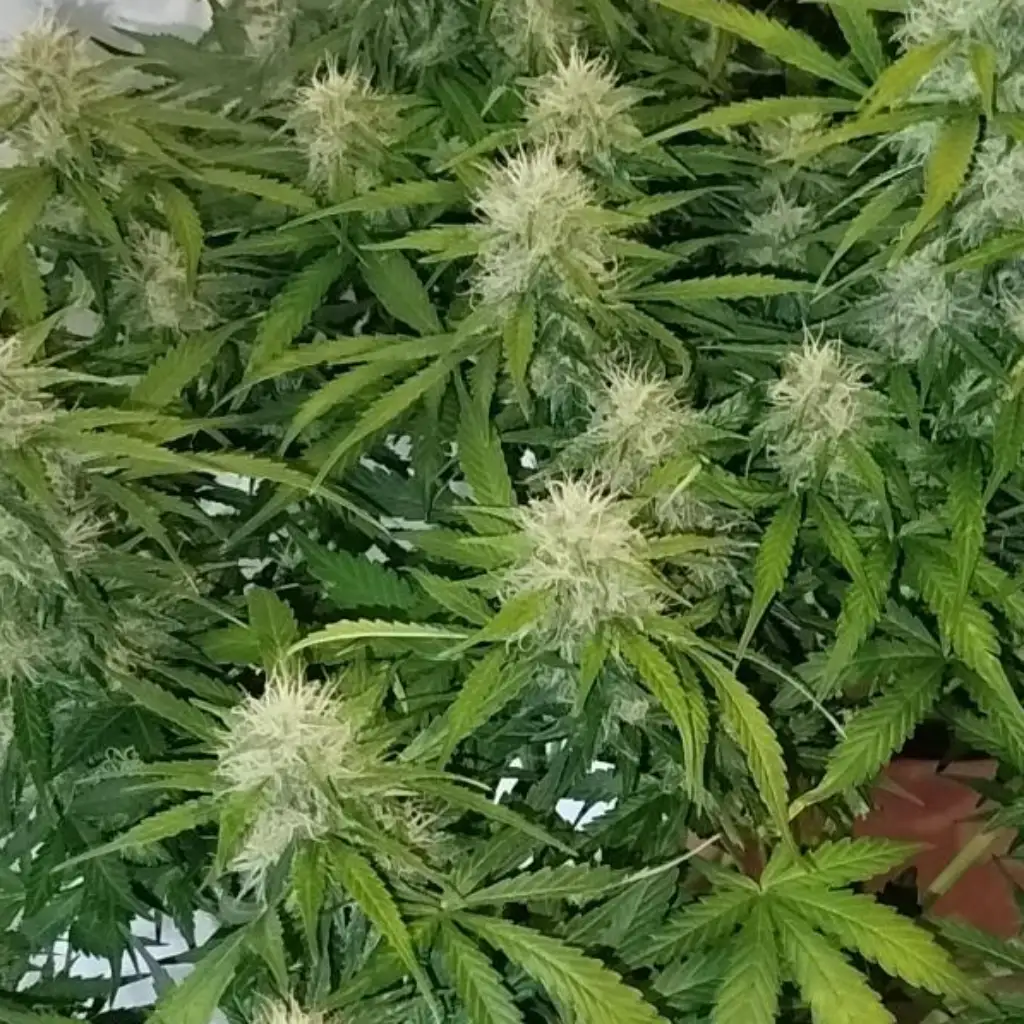
Sativa-dominant strains are typically better suited for hot climates due to their evolutionary adaptations. Originating from equatorial regions, sativas have open structures that allow for better airflow, reducing the risk of mold. For example, Durban Poison thrives in high humidity with its airy buds, which prevent moisture buildup.
In contrast, indica strains often have denser foliage and buds, making them more susceptible to bud rot in humid environments. While indicas like OG Kush can handle heat, they require careful monitoring to prevent moisture-related issues. Their dense structure can trap humidity, leading to potential mold growth.
Best Strains for Tropical and Humid Climates
For tropical climates, strains like Amnesia Haze and Durban Poison are excellent choices. Amnesia Haze, with its high myrcene content (0.8-1.2%), offers a citrusy aroma and enhances THC uptake, providing a potent high. Durban Poison, rich in terpinolene (0.5-0.8%), delivers a sweet, piney scent and energizing effects.
These strains are not only resistant to mold but also thrive in high humidity. Their open structures and airy buds ensure optimal airflow, reducing the risk of mold and mildew. This makes them ideal for regions with prolonged rainy seasons and high humidity levels.
Promos & Deals

Growing Cannabis in a Greenhouse
Best Strains for Greenhouse Cultivation
Greenhouses offer a controlled environment, making them suitable for strains like GG4 and Super Silver Haze. GG4, known for its high THC content (25-30%), thrives in greenhouse conditions, offering a balanced mix of indica and sativa traits. Its earthy aroma, enriched by caryophyllene (0.4-0.7%), provides anti-inflammatory benefits.
Super Silver Haze, with its high limonene content (0.5-0.8%), offers a citrusy scent and uplifting effects. Its resistance to mold and pests makes it an excellent choice for greenhouse cultivation. Both strains benefit from the controlled environment, ensuring optimal growth and yield.
Essential Growing Techniques for Heat Resistance
Implementing techniques like mulching and using water-storing polymers can significantly enhance plant resilience. A two-inch layer of organic mulch insulates the soil, reducing water evaporation and keeping roots cool. This practice is crucial in hot climates, where soil temperatures can exceed 90°F (32°C).
Water-storing polymers, when mixed into the soil, create reservoirs that hold water, providing plants with a steady supply during dry spells. These polymers can absorb up to 400 times their weight in water, ensuring plants remain hydrated even in extreme heat.
Understanding the Role of CO2 in Hot Climates
CO2 is essential for photosynthesis, and its concentration can significantly impact plant growth. In hot climates, maintaining CO2-rich air can enhance plant metabolism, leading to better growth rates and yields. This is particularly important in controlled environments like greenhouses, where CO2 levels can be adjusted to optimize plant health.
By increasing CO2 levels to around 1200-1500 ppm, you can boost photosynthesis efficiency, resulting in more robust plants. However, it’s crucial to balance CO2 enrichment with adequate ventilation to prevent heat stress and ensure optimal growth conditions.
| Feature | Durban Poison | Amnesia Haze | OG Kush |
|---|---|---|---|
| THC Content | 22-26% | 20-25% | 18-23% |
| Dominant Terpene | Terpinolene | Myrcene | Caryophyllene |
| Climate Suitability | High Humidity | Tropical | High Heat |
| Yield | 1.5-2 oz/ft² (450-600 g/m²) | 1.8-2.2 oz/ft² (550-650 g/m²) | 2-2.5 oz/ft² (600-750 g/m²) |
| Flowering Time | 9-10 weeks | 10-11 weeks | 8-9 weeks |
Professional Tips for Growing in Hot Climates
- Maintain 68-77°F (20-25°C) during vegetative growth. Temperatures above 85°F (29°C) can stress plants, reducing yield.
- Use a 20/4 light schedule for autoflowers to maximize growth while minimizing heat stress.
- Ensure 58-62% RH during curing. Below 55% can halt terpene development, while above 65% risks mold.
- Apply a 3:1:2 NPK ratio during vegetative growth for optimal nutrient uptake in warm conditions.
- Space plants at least 3 feet (0.9 meters) apart to enhance airflow and reduce humidity-related issues.
- Monitor soil pH levels, keeping them between 6.0-6.5 to prevent nutrient lockout in high heat.

FAQs on Growing in Hot Climates
What strains are good in hot weather?
Strains like Durban Poison, Amnesia Haze, and OG Kush excel in hot weather. Durban Poison’s open structure allows for better airflow, while Amnesia Haze’s high myrcene content enhances THC effects. OG Kush is heat-tolerant but requires careful monitoring to prevent moisture issues. All thrive in temperatures above 85°F (29°C).
What strains are good for Crohn’s disease?
Strains high in CBD, like ACDC and Harlequin, are often recommended for Crohn’s disease. ACDC contains 15-20% CBD, providing anti-inflammatory effects without psychoactivity. Harlequin offers a 5:2 CBD to THC ratio, balancing pain relief and mild euphoria. These strains can help manage symptoms effectively.
What fertilizer makes buds bigger?
A fertilizer with a high phosphorus content, such as a 1:3:2 NPK ratio, promotes larger buds during flowering. Phosphorus supports bud development and resin production. Ensure balanced nutrient application to avoid nutrient burn, which can occur if levels exceed recommended dosages. Regular monitoring ensures optimal growth.
What strains are good for seizures?
High-CBD strains like Charlotte’s Web and Cannatonic are beneficial for seizures. Charlotte’s Web contains 15-20% CBD, offering neuroprotective effects without psychoactivity. Cannatonic, with a 1:1 CBD to THC ratio, provides balanced relief. These strains help reduce seizure frequency and severity.
How to protect cannabis plants from heat stress?
To protect cannabis plants from heat stress, use shade cloths to reduce direct sunlight exposure and maintain soil moisture with mulching. Water-storing polymers can provide additional hydration. Ensure temperatures remain below 85°F (29°C) to prevent stress, which can lead to reduced growth and yield.