When Do Autoflowers Start Flowering? A Complete Guide

Autoflowering cannabis plants: These unique strains initiate flowering based on their age rather than light cycle changes. Typically, they enter the flowering stage between 3 to 5 weeks after germination. This trait is inherited from Cannabis Ruderalis, enabling them to thrive in environments with prolonged daylight. Unlike traditional strains, autoflowers operate on an internal clock, ensuring consistent flowering regardless of external light conditions.
Autoflowering cannabis plants boast a unique genetic makeup that allows them to flower independently of light cycles. Originating from Cannabis Ruderalis, these plants are designed to thrive in regions with extended daylight, such as Siberia. Their flowering period typically spans 8-10 weeks, with terpenes like Myrcene and Limonene contributing to their distinctive aroma and effects.
Recommended Strains

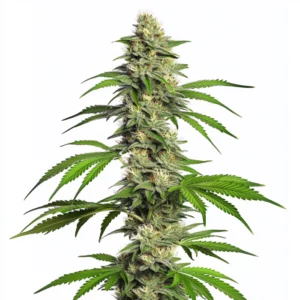
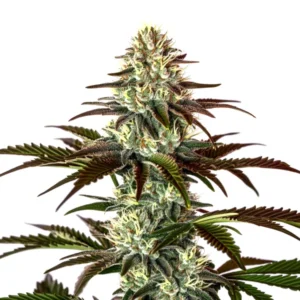
Deelite Autoflower

|
THC | 18% - 20% (Medium) |

|
Type | Autoflowering |

|
Yield | High |

|
Phenotype | 40% Indica / 60% Sativa |
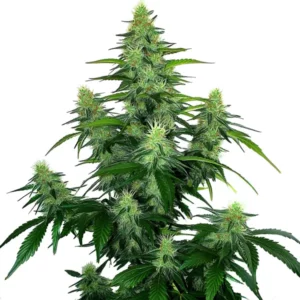
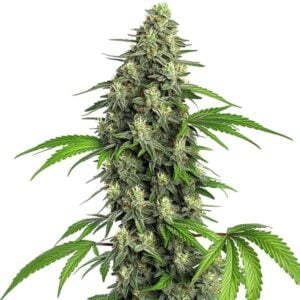
Critical 2.0
|
|
THC | 18% - 22% (Medium) |
|
|
Type | Feminized |
|
|
Yield | High |
|
|
Phenotype | 60% Indica / 40% Sativa |
Autoflowering Cannabis Explained
The Genetic Origins of Autoflowers
Autoflowering cannabis strains owe their unique traits to Cannabis Ruderalis, a subspecies that evolved in harsh climates with long daylight hours. Unlike photoperiod strains, which require specific light cycles to flower, autoflowers are genetically programmed to flower based on age. This adaptation allows them to complete their life cycle in just 8-10 weeks.
Ruderalis genetics provide resilience, enabling autoflowers to withstand environmental stressors. This genetic makeup results in a shorter, more compact plant, typically reaching heights of 1-3 feet (30-90 cm). Additionally, autoflowers often contain lower THC levels, around 10-15%, compared to photoperiod strains.
Genetics vs. Environment
While genetics play a crucial role, environmental factors can influence autoflower growth. Optimal conditions include maintaining temperatures between 68-77°F (20-25°C) and humidity levels of 40-50% during flowering. Although light cycles don’t dictate flowering, providing 18-24 hours of light daily can maximize growth and yield.
Autoflowers are sensitive to stress, which can trigger early flowering and reduced yields. Avoid common mistakes like transplanting, which can stunt growth. Instead, plant seeds directly in their final pots to minimize stress and ensure robust development.
Promos & Deals
When Do Autoflowers Start Flowering?
Genetic Programming and Environmental Influence
Autoflowers begin their flowering stage based on genetic programming rather than light exposure. Typically, flowering starts 3-5 weeks post-germination. This timing can vary slightly depending on the specific strain and growing conditions. For example, strains like Skunk 1 Auto are known for their rapid flowering cycle.
Environmental factors, such as temperature and humidity, can impact the flowering timeline. Maintaining consistent conditions ensures that the plant’s internal clock functions optimally, promoting healthy flower development. Deviations can lead to stress, affecting the plant’s ability to flower efficiently.
Visual Cues and Signs
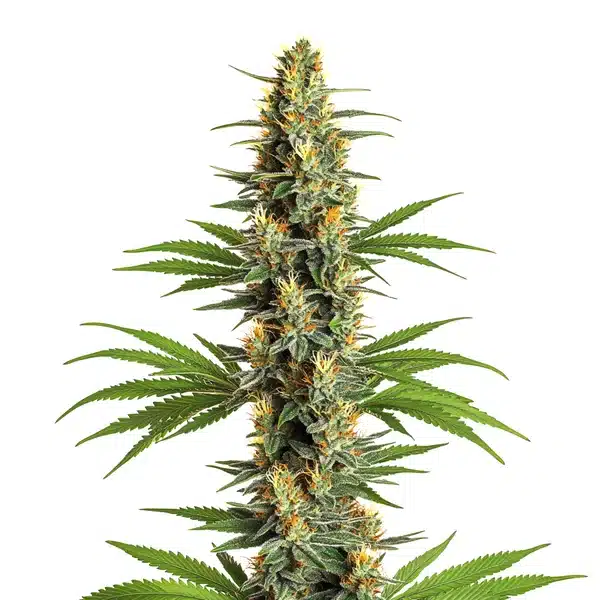
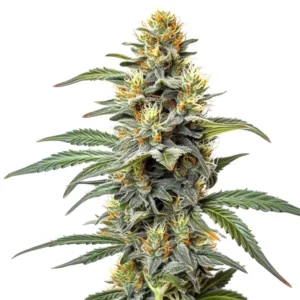
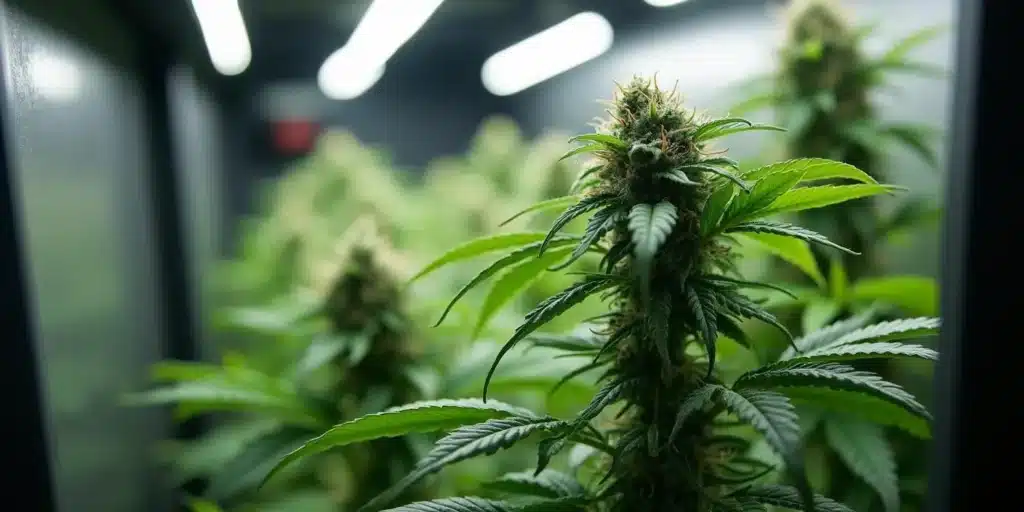
Identifying the onset of flowering in autoflowers involves observing specific visual cues. Around weeks 3-5, you’ll notice the emergence of white pistils at the plant’s nodes. These hair-like structures are the first signs of flowering. As the plant progresses, these pistils will develop into buds.
During this stage, the plant may also exhibit increased vertical growth, known as the “stretch” phase. This period lasts approximately 2-3 weeks, during which the plant focuses on both vegetative growth and flowering. Monitoring these changes helps ensure optimal care and intervention if necessary.
| Feature | Skunk 1 Auto | Purple Lemonade Auto | Critical Mass Auto |
|---|---|---|---|
| Flowering Time | 8-9 weeks | 9-10 weeks | 8-9 weeks |
| THC Content | 15-18% | 16-20% | 14-17% |
| Height | 1-3 ft (30-90 cm) | 2-3 ft (60-90 cm) | 1.5-2.5 ft (45-75 cm) |
| Yield | 1.5-2 oz/ft² (450-600 g/m²) | 1.8-2.2 oz/ft² (500-650 g/m²) | 1.6-2 oz/ft² (475-600 g/m²) |
| Dominant Terpene | Myrcene | Limonene | Caryophyllene |
How to Tell When Your Autoflower Is Flowering
Visual Cues and Signs
As your autoflower transitions into the flowering stage, you’ll observe the development of white pistils at the nodes. These pistils are the initial indicators of flowering. Over time, they will thicken and form the buds that are characteristic of the flowering stage.
During this period, the plant may also exhibit increased vertical growth, known as the “stretch” phase. This phase typically lasts 2-3 weeks and is marked by a focus on both vegetative growth and flowering. Monitoring these changes ensures timely interventions if needed.
Timeline and Phases
The autoflower flowering stage is divided into several phases, each with distinct characteristics. Initially, the pre-flowering phase occurs around weeks 3-5, marked by the appearance of pistils. This is followed by the full flowering phase, where buds develop and mature over 4-6 weeks.
During the final weeks, the plant enters the ripening phase, where buds reach peak potency and aroma. Trichomes will change color, indicating readiness for harvest. This entire process typically spans 8-10 weeks from germination to harvest.
Common Mistakes and How to Avoid Them
Stress Factors and Their Impact
Stress is a significant factor that can negatively impact autoflower growth and yield. Common stressors include overwatering, nutrient imbalances, and temperature fluctuations. These can trigger early flowering or stunted growth, reducing overall yield.
To avoid these issues, maintain stable environmental conditions. Ensure temperatures remain between 68-77°F (20-25°C) and humidity levels are kept at 40-50% during flowering. Use a balanced nutrient regimen to support healthy development without causing nutrient burn.
Expert Execution
Successful autoflower cultivation requires attention to detail and proactive management. Start by planting seeds directly in their final pots to avoid transplant shock. Monitor environmental conditions closely and adjust as needed to maintain stability.
Regularly inspect plants for signs of stress or nutrient deficiencies. Address issues promptly to prevent long-term damage. By providing a stress-free environment, you can maximize the potential of your autoflower plants.
Professional Tips for Growing Autoflowers
- Maintain 68-77°F (20-25°C) temperatures during growth. High temperatures above 85°F (29°C) can stress plants, reducing yield.
- Ensure 40-50% humidity during flowering. High humidity above 60% increases mold risk within 48 hours.
- Use a 18/6 light schedule for optimal growth. Continuous 24-hour light can stress plants, affecting their internal clock.
- Apply N:P:K 1:3:2 nutrient ratio during flowering. Excess nitrogen can delay flowering and lead to nutrient burn.
- Plant seeds directly in final pots. Transplanting can cause shock, stunting growth and reducing yield.
- Monitor trichome color for harvest timing. Harvest when trichomes are milky white for peak potency.
FAQs on Autoflowering Cannabis
What should an autoflower look like at 3 weeks?
At 3 weeks, an autoflower should exhibit healthy vegetative growth with several sets of leaves. You may notice the first signs of pre-flowering, such as small white pistils at the nodes. The plant should be about 6-12 inches (15-30 cm) tall, depending on the strain and growing conditions.
How tall should autoflowers be before flowering?
Autoflowers typically reach a height of 12-24 inches (30-60 cm) before entering the flowering stage. This height can vary based on the strain and environmental conditions. Proper care and a stable environment can support optimal growth and help achieve the desired height before flowering begins.
Do autoflowers still grow during flowering?
Yes, autoflowers continue to grow during the flowering stage, particularly during the “stretch” phase. This phase lasts 2-3 weeks and involves increased vertical growth as the plant focuses on both vegetative and flowering development. The plant may grow an additional 6-12 inches (15-30 cm) during this period.
What triggers flowering in autoflowers?
Flowering in autoflowers is triggered by genetic programming rather than light cycles. Typically, flowering begins 3-5 weeks after germination. This trait, inherited from Cannabis Ruderalis, allows autoflowers to flower based on age, enabling them to thrive in regions with extended daylight hours.
Can environmental stress affect autoflower flowering?
Yes, environmental stress can impact autoflower flowering. Stressors like temperature fluctuations, nutrient imbalances, and overwatering can trigger early flowering or stunted growth. Maintaining stable conditions, such as 68-77°F (20-25°C) temperatures and 40-50% humidity, helps ensure healthy flowering and optimal yields.