Expert Guide: Canada Cannabis Regulations on Growth Regulators & Residues

Canada’s cannabis industry is thriving, with growers eager to produce high-quality products. Among the critical aspects of successful cultivation are the rules defined by Canada cannabis regulations: plant growth regulators and residues. These regulations govern the use of plant growth regulators (PGRs) and residue limits, ensuring that cannabis products are safe for consumption and consistently meet strict quality standards.
Plant growth regulators are substances used to control or modify a plant’s growth processes. In the cannabis industry, they help manage plant size, flowering, and overall yield. However, not all PGRs are allowed in Canada. The Canada cannabis plant growth regulator guidelines are strict, making it essential for growers to understand and comply with them.
Recommended Strains
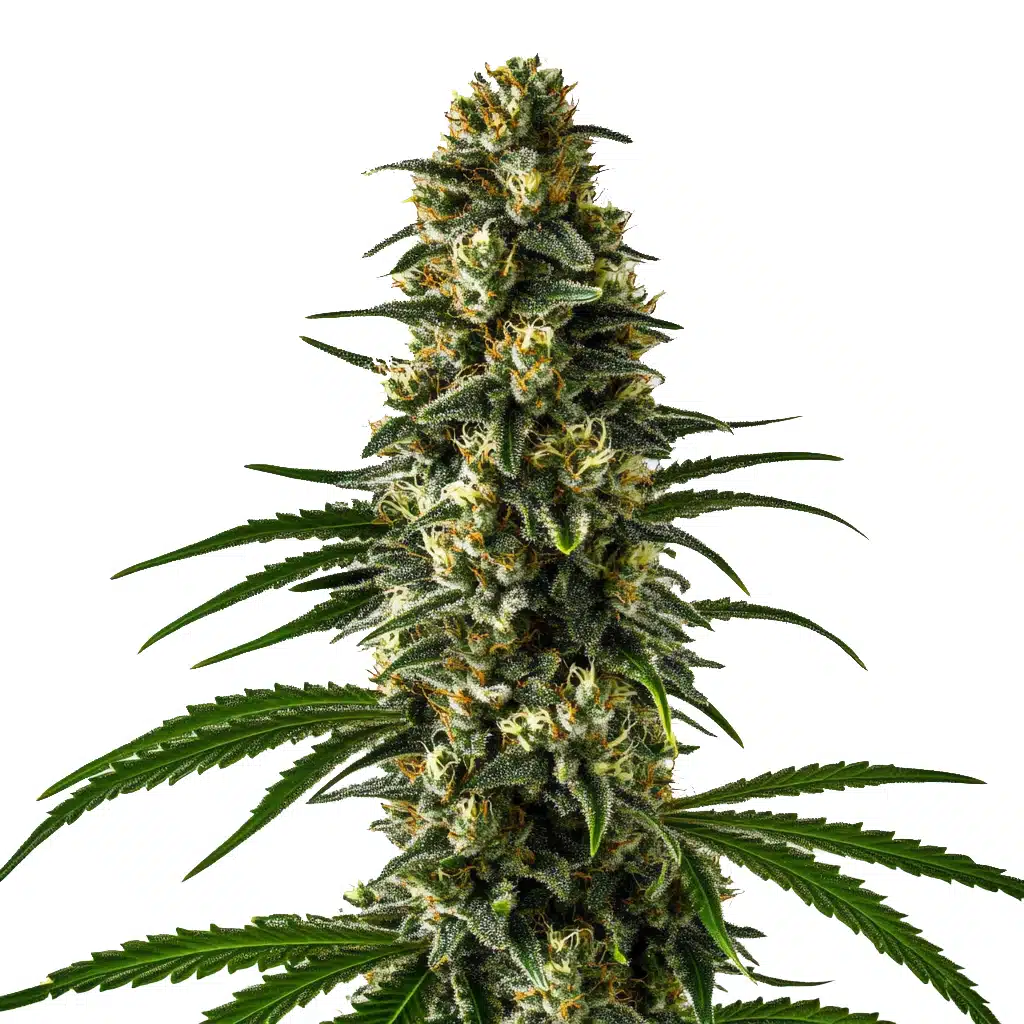
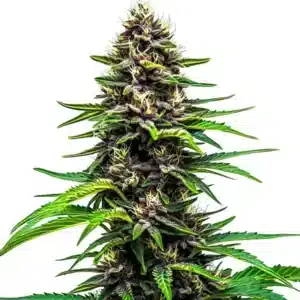
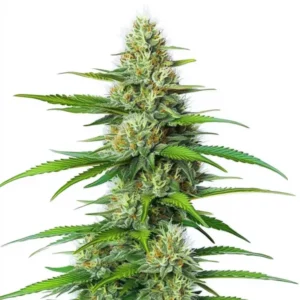
Girl Scout Cookies

|
THC | 18% - 25% (High) |

|
Type | Feminized |

|
Yield | High |

|
Phenotype | 60% Indica / 40% Sativa |
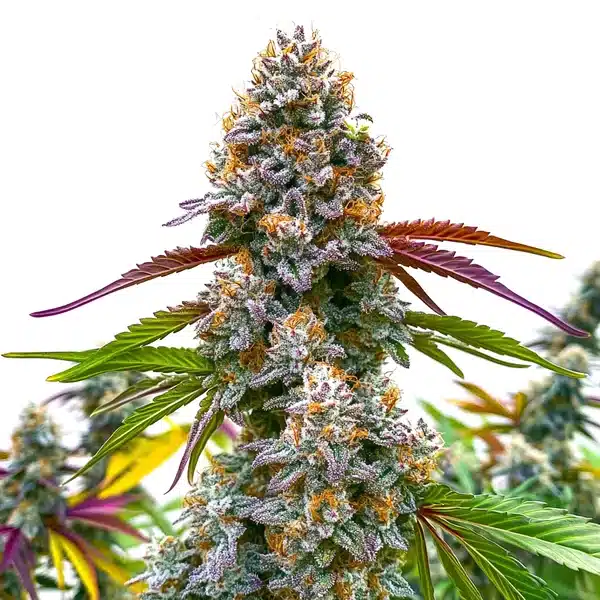
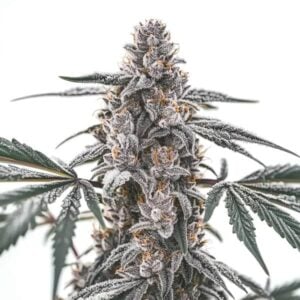
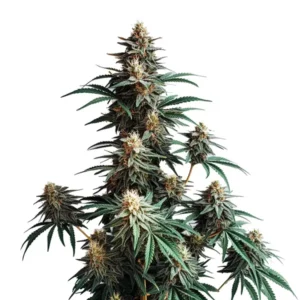
Critical Daddy Purple
|
|
THC | 19% (Medium) |
|
|
Type | Feminized |
|
|
Yield | High |
|
|
Phenotype | 50% Indica / 50% Sativa |
Residues refer to the remnants of substances used during cultivation that can be found in the final product. Cannabis residue limits in Canadian regulations are set to protect consumers from potential health risks. Growers must ensure their products meet these limits to remain compliant.
Canada Cannabis Plant Growth Regulator Guidelines
The regulations on plant growth regulators in Canadian cannabis are designed to ensure the safety and quality of cannabis products. Only specific PGRs are permitted, and their use is closely monitored. Knowing these guidelines is crucial for anyone involved in cannabis cultivation.
In Canada, the list of approved plant growth regulators is limited. Substances like paclobutrazol and daminozide, which are common in other agricultural sectors, are prohibited in cannabis cultivation. This is to prevent any harmful residues that could affect consumer health. Instead, growers often rely on natural alternatives like kelp extracts to promote healthy plant growth.
Growers must regularly update their knowledge of the Canada cannabis regulations: plant growth regulators and residues to stay compliant. Attending industry conferences and networking with experts can provide insights into the latest regulatory changes and emerging best practices. Additionally, leveraging technology such as digital record-keeping and compliance software can streamline adherence to these guidelines, ensuring that all cultivation practices align with the legal framework.
The Canadian cannabis regulation on plant growth substances emphasizes transparency and accountability. Growers are encouraged to collaborate with regulatory bodies to ensure that their cultivation methods meet the required standards. This proactive approach not only helps in compliance but also fosters trust with consumers, who are increasingly concerned about product safety and quality.
Compliance with Cannabis Plant Regulator Residue Requirements
Compliance is key in the cannabis industry. Growers must ensure that their products meet the Canadian cannabis regulation on plant growth substances. This involves regular testing and monitoring of plants throughout their growth cycle. By doing so, they can identify and address any potential issues before the product reaches the market.
A practical approach to compliance is to keep detailed records of all substances used during cultivation. This includes fertilizers, pest control measures, and any growth regulators. Documentation helps trace the source of any residue found and ensures that all practices align with Canada cannabis regulations.
Regular audits and inspections by third-party organizations can further support cannabis plant regulator residue compliance in Canada. These audits provide an objective assessment of the cultivation practices and help identify areas for improvement. By embracing third-party verification, growers can demonstrate their commitment to meeting the strict standards set by Canadian cannabis regulation on plant growth substances.
Additionally, growers can benefit from consulting with agronomists and other experts who specialize in the cannabis industry. These professionals can offer tailored advice on optimizing growth conditions and selecting suitable strains, ensuring that both yield and compliance are maximized. Such collaborations contribute to a well-rounded strategy for maintaining compliance with cannabis residue limits in Canadian regulations.
Promos & Deals
Managing Residue Levels in Cannabis Cultivation
Managing residue levels is a critical component of cannabis cultivation in Canada. The cannabis residue limits in Canadian regulations specify the maximum allowable levels of various substances in cannabis products. Failure to adhere to these limits can result in fines, recalls, or even loss of licensing.
To manage residue levels effectively, growers need to implement integrated pest management (IPM) strategies. IPM involves using a combination of biological, cultural, and mechanical control methods to reduce reliance on chemical pesticides. This approach helps minimize the risk of residues while maintaining plant health.
Another important strategy for managing residues is the judicious selection of cultivation inputs. By opting for high-quality, certified organic fertilizers and pest control products, growers can reduce the likelihood of unwanted chemical residues. These practices are in line with Canada cannabis plant growth regulator guidelines and support sustainable cultivation.
Moreover, water management plays a crucial role in residue control. By ensuring that irrigation water is free from contaminants, growers can prevent the introduction of residues into the cannabis plants. Implementing advanced water filtration systems can further safeguard against potential residue build-up, aligning with the stringent cannabis residue limits in Canadian regulations.
Real-Life Example: Blimburn Seeds Strains
Take Blimburn Seeds Girl Scout Cookies strain, for example. This strain is known for its resilience and ability to resist pests naturally. By choosing strains like this, growers can reduce the need for chemical interventions, thereby keeping residue levels low.
Another effective method is to conduct regular soil and water testing. These tests help identify any potential contaminants that could contribute to residue levels. By addressing these issues early, growers can maintain compliance with Canadian cannabis regulation on plant growth substances.
Blimburn Seeds’ innovative breeding techniques focus on creating strains that thrive in diverse environmental conditions. This approach not only enhances the robustness of the plants but also reduces the dependency on synthetic inputs, supporting compliance with Canada cannabis regulations: plant growth regulators and residues.
Additionally, the use of companion planting is gaining traction as a strategy to naturally deter pests and support plant health. By integrating beneficial plants alongside cannabis crops, growers can enhance biodiversity and reduce the need for chemical treatments, thereby maintaining low residue levels in compliance with Canadian standards.
Best Practices for Compliance in the Canadian Cannabis Industry
Compliance with Canada cannabis regulations: plant growth regulators and residues requires a combination of knowledge, diligence, and innovation. By following best practices, growers can ensure their operations are both legal and profitable.
Education is one of the foundational steps. Growers should stay informed about the latest regulations and industry trends. Workshops, seminars, and online courses can provide valuable insights into compliance and innovation within the industry.
Leveraging technology can significantly enhance compliance efforts. By utilizing software solutions designed for the cannabis industry, growers can automate record-keeping and monitor compliance metrics in real-time. These tools can help ensure adherence to Canada cannabis plant growth regulator guidelines, making the compliance process more efficient and less prone to errors.
Furthermore, fostering a culture of compliance within the organization is essential. By training staff on the importance of adhering to regulations and encouraging a proactive approach to problem-solving, growers can create a workforce that is committed to maintaining high standards in line with cannabis residue limits in Canadian regulations.
Practical Tips for Growers
One practical tip is to select cannabis strains that are well-suited to the local climate and growing conditions. Blimburn Seeds Critical Daddy Purple is an excellent choice for outdoor cultivation in Canada due to its hardiness and natural resistance to environmental stressors.
Another best practice is to adopt sustainable growing techniques. This includes using renewable energy sources, reducing water usage, and recycling waste materials. Sustainable practices not only reduce environmental impact but also align with the ethos of many cannabis consumers.
Implementing a comprehensive environmental management plan can further support compliance and sustainability. By setting clear goals for resource use and waste reduction, growers can align their operations with both regulatory requirements and consumer expectations. This approach is particularly beneficial when considering the Canada cannabis regulations: plant growth regulators and residues.
Lastly, establishing partnerships with local research institutions can provide growers with access to cutting-edge developments in cannabis cultivation. These collaborations can lead to innovative practices that enhance yield while ensuring compliance with Canadian cannabis regulation on plant growth substances.

FAQs about Canada cannabis regulations: plant growth regulators and residues
What are plant growth regulators, and why are they important in cannabis cultivation?
Plant growth regulators (PGRs) are chemicals that influence the growth and development of plants. They are used to control size, enhance flowering, and increase yields. In cannabis cultivation, selecting the right PGRs is crucial to achieving desired plant characteristics while ensuring compliance with regulations.
In Canada, only certain PGRs are permitted. This is to prevent harmful residues that could pose health risks to consumers. Knowing and adhering to these guidelines helps maintain product quality and safety in the cannabis industry.
The function of plant growth regulators in the Canadian cannabis industry cannot be overstated. They enable growers to optimize their yields while adhering to strict Canada cannabis plant growth regulator guidelines. Selecting the appropriate PGRs is a critical decision that impacts both the efficacy of cultivation practices and compliance with regulatory standards.
Moreover, the evolving landscape of cannabis regulations requires growers to stay informed about permissible substances. By regularly consulting Canada cannabis regulations: plant growth regulators and residues, growers can ensure that their cultivation practices remain compliant and that their products are safe for consumers.
How do Canadian regulations address cannabis residue limits?
Canadian regulations set specific residue limits for cannabis products to ensure consumer safety. These limits dictate the maximum allowable levels of various substances that can be present in the final product. Exceeding these limits can result in penalties and loss of market access.
Growers must conduct regular testing to monitor residue levels and ensure compliance. By implementing best practices and using approved substances, they can produce safe, high-quality cannabis that meets regulatory standards.
Comprehensive testing protocols are integral to maintaining compliance with cannabis residue limits in Canadian regulations. By employing state-of-the-art analytical methods, growers can accurately determine the presence of residues and make informed decisions about their cultivation practices.
Additionally, collaborating with accredited laboratories ensures that testing is conducted to the highest standards. These partnerships not only provide reliable data but also strengthen growers’ ability to meet the stringent residue requirements set forth by Canadian cannabis regulation on plant growth substances.
What steps can growers take to ensure compliance with plant growth regulator guidelines?
To comply with Canada cannabis plant growth regulator guidelines, growers should keep detailed records of all substances used during cultivation. This includes documenting fertilizers, pest control measures, and any growth regulators applied. Such documentation helps trace any potential residue sources.
Additionally, selecting cannabis strains that require minimal intervention, like those from Blimburn Seeds, can reduce the need for synthetic PGRs. This approach aligns with regulatory requirements and supports sustainable cultivation practices.
Regular training sessions for cultivation staff can enhance knowing and execution of compliance requirements. By ensuring that all team members are knowledgeable about the latest guidelines, growers can foster a culture of compliance that supports adherence to Canada cannabis regulations: plant growth regulators and residues.
Moreover, engaging with industry associations and regulatory bodies can provide valuable resources and support. These connections can offer insights into best practices and regulatory trends, ensuring that growers remain at the forefront of compliance within the Canadian cannabis industry.
Are there any natural alternatives to synthetic plant growth regulators?
Yes, there are several natural alternatives to synthetic PGRs that are effective in cannabis cultivation. Kelp extracts, for example, are rich in natural hormones that promote healthy plant growth without leaving harmful residues. These natural options are increasingly popular among Canadian growers.
Another alternative is the use of beneficial microbes that enhance nutrient uptake and support plant health. By incorporating these natural solutions, growers can maintain compliance while improving crop quality and yield.
Composting and soil enrichment techniques also provide natural means of enhancing plant growth. By improving soil health and nutrient content, these methods support robust plant development without the need for synthetic PGRs, aligning with Canada cannabis plant growth regulator guidelines.
Additionally, employing cover crops and green manures can further augment soil fertility and structure. These practices not only contribute to sustainable cultivation but also reduce the risk of residues, supporting compliance with Canadian cannabis regulation on plant growth substances.
Why is it important to choose the right cannabis strains for cultivation in Canada?
Choosing the right cannabis strains is crucial for successful cultivation in Canada. Strains that are well-adapted to local conditions require less chemical intervention, which helps maintain low residue levels. This is important for staying compliant with Canadian cannabis regulation on plant growth substances.
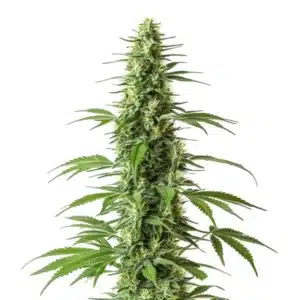
Blimburn Seeds offers a range of strains bred for resilience and performance in various climates. By selecting strains like OG Kush or Critical Daddy Purple, growers can optimize their cultivation practices while adhering to regulatory standards.
Strain selection also impacts the economic viability of cultivation operations. By choosing high-yield, disease-resistant varieties, growers can maximize production while minimizing inputs, ensuring that their operations remain profitable and compliant with cannabis residue limits in Canadian regulations.
Furthermore, consumer preferences for certain strains can influence market success. By aligning strain selection with market demand, growers can enhance their competitive edge while maintaining adherence to Canada cannabis regulations: plant growth regulators and residues.