Essential Cannabis Testing Regulations for Plant Growth Regulators

As cannabis cultivation expands, growers must stay informed about essential cannabis testing regulations for plant growth regulators. These rules ensure safety, consistency, and quality in cannabis products. Knowing these regulations can help you make better decisions, whether you’re a first-time seed buyer or an experienced cultivator.
Plant growth regulators (PGRs) are chemicals used to influence the growth and development of plants. In the cannabis industry, PGRs can enhance yield and manage plant size, but their use is tightly regulated. Unregulated use of PGRs can lead to health concerns, making it crucial to comply with cannabis plant growth regulator testing guidelines.
Recommended Strains

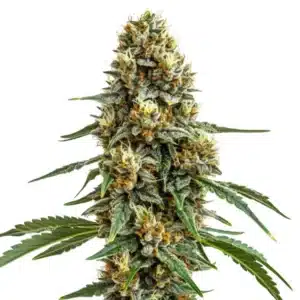
OG Kush

|
THC | 20% - 24% (High) |

|
Type | Feminized |

|
Yield | High |

|
Phenotype | 55% Indica / 45% Sativa |

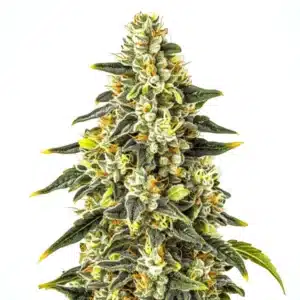
Girl Scout Cookies
|
|
THC | 18% - 25% (High) |
|
|
Type | Feminized |
|
|
Yield | High |
|
|
Phenotype | 60% Indica / 40% Sativa |
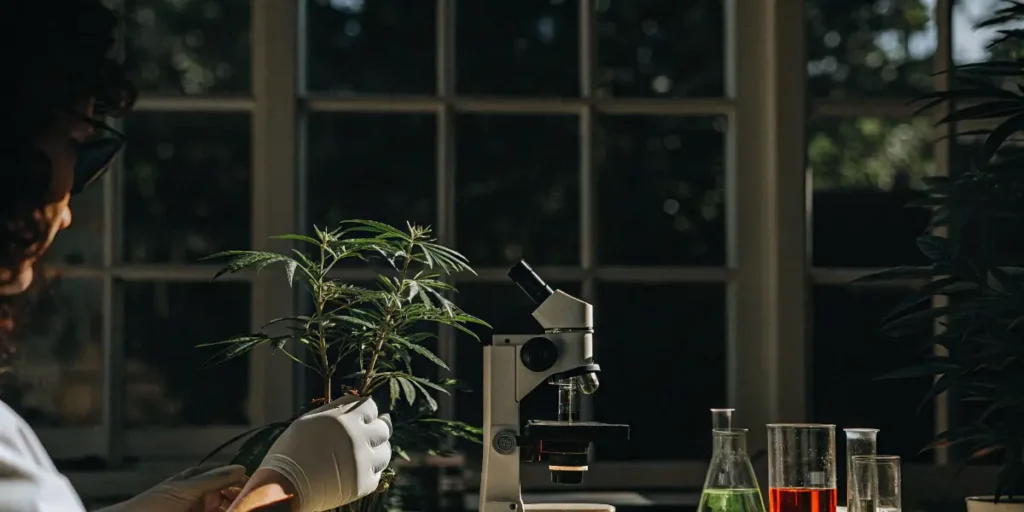
Testing labs play a critical role in maintaining product safety and quality. These labs follow U.S. cannabis testing rules for plant growth regulators, ensuring that cannabis products meet safety standards. By adhering to these regulations, growers can avoid legal issues and maintain consumer trust.
Key Aspects of Cannabis Testing Regulations
One of the most important elements of cannabis testing regulations for plant growth regulators is knowing the specific chemicals that need to be tested. Regulations often target common PGRs like paclobutrazol and daminozide, which can pose health risks if consumed in large amounts. Knowing what to test for is the first step toward compliance.
Another critical aspect is the testing process itself. This involves sampling, analysis, and reporting. Labs must follow strict protocols to ensure accuracy and reliability. For growers, this means selecting labs that comply with cannabis industry regulations for plant growth regulator testing. Choosing a reputable lab helps ensure that your products meet all necessary standards.
Besides to knowing which PGRs to test for, it’s vital to keep abreast of any updates to the cannabis testing regulations for plant growth regulators. Regulatory bodies may modify these standards as new research emerges, necessitating a dynamic approach to compliance. Staying updated can help growers anticipate changes and adapt their practices accordingly.
Moreover, robust documentation and transparent communication with testing labs can significantly enhance compliance. By maintaining detailed records of testing procedures and results, growers can provide evidence of adherence to the cannabis plant growth regulator testing guidelines if ever questioned by regulatory authorities.
Promos & Deals



Regulatory Compliance and Standards
Compliance with cannabis plant growth regulator testing guidelines is not just about safety; it’s also about staying competitive. Many states have their own set of rules, so it’s important to be familiar with both federal and state regulations. Ignoring these standards can result in fines or even the shutdown of your operation.
Standards for plant growth regulators in cannabis testing ensure that products are free from harmful levels of chemicals. These standards are designed to protect consumers and boost the credibility of the cannabis industry. By adhering to these guidelines, growers can ensure that they produce safe, high-quality cannabis.
The cannabis industry regulations for plant growth regulator testing are continually evolving, and growers must be proactive in knowing these shifts. Participating in industry forums and workshops can provide valuable insights into best practices and emerging trends in regulatory compliance.
Furthermore, fostering a culture of compliance within your cultivation operation can ensure that all team members understand the importance of adhering to plant growth regulators in cannabis testing standards. Training programs and regular updates can empower staff to make informed decisions that align with regulatory expectations.
Practical Steps for Growers
First, make sure you’re aware of the specific cannabis testing regulations for plant growth regulators in your area. Different regions may have unique requirements, and staying informed is key. For instance, if you’re growing Blimburn Seeds Girl Scout Cookies, knowing the regulations can help you avoid pitfalls.
Second, select a reliable testing lab. Look for labs that are accredited and have a history of compliance with cannabis plant growth regulator testing. A good lab will offer guidance and ensure your products meet all necessary safety standards.
Additionally, growers should establish a routine schedule for testing their cannabis crops. Regular testing not only ensures compliance but also helps identify any issues early, allowing for timely interventions. This proactive approach can protect your investment and ensure the longevity of your cultivation business.
Moreover, leveraging technology such as data management systems can streamline the process of tracking and documenting compliance with cannabis plant growth regulator testing guidelines. Such systems can automate record-keeping, reducing the risk of human error and ensuring that all necessary information is readily accessible.
Popular Cannabis Strains and PGR Testing
Different cannabis strains might react differently to PGRs. For example, Blimburn Seeds Girl Scout Cookies might require specific testing protocols to ensure quality and safety. Knowing the nuances of each strain can help tailor testing practices effectively.
Strains like Bruce Banner are known for their potency, making them a popular choice among growers. However, potency should not come at the cost of safety. Adhering to cannabis industry regulations for plant growth regulator testing ensures that even potent strains are safe for consumption.
It is crucial for growers to be aware of how each strain’s unique characteristics might interact with PGRs. For instance, some strains may exhibit heightened sensitivity to certain chemicals, necessitating more rigorous testing to comply with U.S. cannabis testing rules for plant growth regulators.
Additionally, the market demand for certain strains, like Blimburn Seeds OG Kush, can influence the need for compliance with cannabis plant growth regulator testing. High-demand strains often undergo stricter scrutiny, making adherence to testing standards even more critical for maintaining a competitive edge.
FAQs about cannabis testing regulations for plant growth regulators
What are plant growth regulators, and why are they used in cannabis cultivation?
Plant growth regulators are chemicals that influence the growth and development of plants. In cannabis cultivation, they can be used to control plant size, increase yields, and improve overall plant health. However, their use is regulated due to potential health risks.
Using PGRs responsibly and in compliance with testing regulations is crucial. This ensures that cannabis products are safe for consumption and meet quality standards. By knowing the function of PGRs, growers can make informed decisions about their use.
Growers must balance the benefits of using PGRs with the responsibility of compliance with cannabis plant growth regulator testing. This involves selecting appropriate PGRs that align with both growth goals and regulatory requirements, ensuring that their use does not compromise the safety and integrity of the final product.
Moreover, continuous education and training on the implications of PGRs in cannabis cultivation can empower growers to make informed choices. Awareness of the latest research and regulatory updates can help mitigate risks associated with PGR use, fostering a more sustainable cultivation practice.
How do cannabis testing regulations for plant growth regulators affect growers?
These regulations set the standards for safety and quality in cannabis products. Growers must adhere to them to avoid legal issues and maintain consumer trust. Non-compliance can result in fines or even the loss of a cultivation license.
By following cannabis plant growth regulator testing guidelines, growers ensure that their products are safe and marketable. This compliance is an essential part of operating a successful cannabis cultivation business.
Compliance with these regulations can also enhance a grower’s reputation within the industry. Demonstrating a commitment to safety and quality can attract discerning consumers who prioritize product integrity, thus expanding the grower’s market reach.
Furthermore, integrating compliance efforts into the broader operational strategy can streamline processes and reduce costs associated with potential legal challenges. This approach not only safeguards the business but also aligns with best practices in cannabis industry regulations for plant growth regulator testing.
What are the common plant growth regulators tested in cannabis products?
Common PGRs include paclobutrazol, daminozide, and chlormequat chloride. These chemicals can affect plant growth and development. However, they are regulated due to potential health concerns.
Testing for these PGRs ensures that cannabis products are safe for consumption. Compliance with testing standards helps protect consumers and maintains the integrity of the cannabis industry.
Knowing the specific effects of each PGR can aid growers in making informed decisions about their use. For example, while paclobutrazol can enhance plant size, it may also pose significant health risks if not properly managed, underscoring the importance of compliance with cannabis plant growth regulator testing guidelines.
Additionally, collaboration with testing labs can provide valuable insights into the efficacy and safety of different PGRs. Labs are often at the forefront of research, offering data and recommendations that can refine a grower’s approach to plant growth regulators in cannabis testing standards.
Why is it important to choose the right testing lab for cannabis products?
Choosing the right lab ensures that your cannabis products meet all necessary safety and quality standards. A reputable lab will follow U.S. cannabis testing rules for plant growth regulators, providing accurate and reliable results.
Working with a good lab helps you maintain compliance and avoid legal issues. It also boosts consumer confidence in your products, which is essential for business success.
The credibility of a testing lab can significantly impact a grower’s compliance efforts. Selecting labs with robust accreditation and a proven track record in cannabis plant growth regulator testing can enhance the validity of the test results and reinforce the grower’s commitment to quality.
Furthermore, engaging with a lab that offers comprehensive support services, such as consulting and data analysis, can provide additional benefits. These services can help growers optimize their cultivation practices and ensure that their products consistently meet cannabis industry regulations for plant growth regulator testing.
How can growers stay updated on cannabis testing regulations?
Staying informed about the latest regulations is crucial for compliance. Growers can subscribe to industry newsletters, join cannabis cultivation forums, and attend industry events to keep up-to-date on regulatory changes.
By staying informed, growers can ensure their operations comply with the latest cannabis plant growth regulator testing standards. This proactive approach helps avoid legal issues and maintains product quality.
Besides to industry-specific resources, growers may benefit from engaging with regulatory bodies directly. Official updates and announcements can provide authoritative information on changes in cannabis testing regulations for plant growth regulators.
Networking with other growers and industry professionals can also be invaluable. Sharing experiences and insights can foster a collaborative environment where best practices are exchanged, thus strengthening the overall compliance efforts within the cannabis community.