Proven Tips: How to Grow Cannabis Without Leaf Problems Easily

Growing cannabis can be rewarding, but leaf problems often emerge as a common challenge. Whether you’re new to this or have been cultivating for years, ensuring healthy leaves is crucial. Leaf issues can signal underlying problems, and learning how to grow cannabis without leaf problems allows you to address them early and enjoy a more fruitful harvest.
Leaf problems in cannabis can range from discoloration to curling. Each symptom can have different causes. Identifying these early helps in resolving them effectively. Let’s explore practical ways to grow cannabis without leaf issues.
Recommended Strains

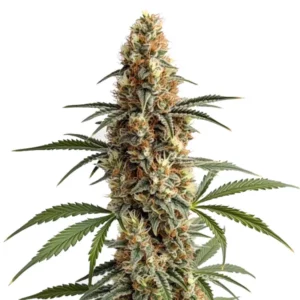
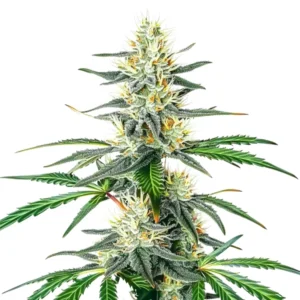
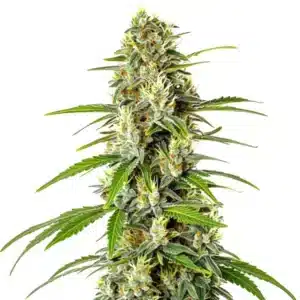
GG4

|
THC | 27% (High) |

|
Type | Feminized |

|
Yield | High |

|
Phenotype | 40% Indica / 60% Sativa |
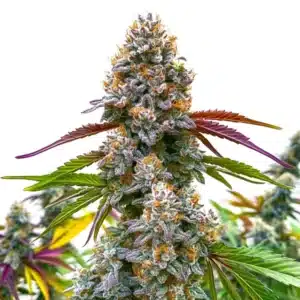
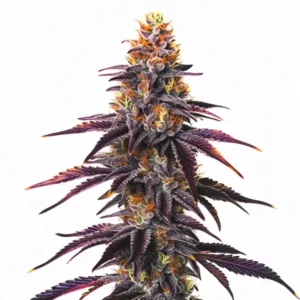
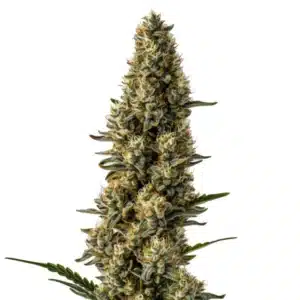
Critical Daddy Purple
|
|
THC | 19% (Medium) |
|
|
Type | Feminized |
|
|
Yield | High |
|
|
Phenotype | 50% Indica / 50% Sativa |
By leveraging the right techniques and strain choices, like those from Blimburn Seeds, you can maintain vibrant, healthy leaves throughout your plant’s lifecycle. Keep reading to learn how to grow cannabis without leaf problems and enjoy a successful cultivation experience.
Choosing the Right Strains
One of the first steps in preventing leaf problems is selecting the right cannabis strains. Some strains are more resilient to leaf issues than others. Blimburn Seeds offers several options known for their hardiness and robust leaf health.
For example, the GG #4 strain is renowned for its resilience. This strain handles stress well, reducing the risk of leaf curling and discoloration. Selecting strains with strong genetics is key to minimizing potential leaf problems.
To grow cannabis without leaf curling issues, focus on strains that have been bred for stability and resistance. Genetic strength can play a crucial role in how plants respond to environmental stressors and nutrient management. Many growers find that starting with a solid genetic foundation helps prevent future complications.
When selecting seeds, consider consulting with experienced cultivators or doing thorough research on forums and reviews. This additional insight can guide your choices and help you avoid strains that are prone to leaf problems. Blimburn Seeds provides detailed strain information to aid in your decision-making process.
Proper Nutrient Management
Nutrients play a critical role in cannabis plant health. Over-fertilization can lead to nutrient burn, causing leaf tips to turn brown and crispy. To avoid this, start with a balanced nutrient mix and adjust based on your plant’s growth stage.
Monitor your plants closely. If you notice signs of nutrient burn, such as browning leaf tips or unusual curling, reduce the nutrient concentration. Simple adjustments can often rectify the issue, promoting healthier leaves.
Knowing the specific nutrient needs of your chosen strain can prevent many issues before they start. For instance, some strains may require more phosphorus during the flowering stage, while others might need increased nitrogen during their vegetative phase. Tailoring your nutrient plan to these needs can help in avoiding nutrient burn in cannabis plants.
Regular soil testing can provide insights into nutrient availability and help you make informed decisions about fertilization. This practice ensures that nutrient levels remain optimal, supporting overall plant vigor and reducing the likelihood of leaf discoloration and other nutrient-related problems.
Promos & Deals

Environmental Control
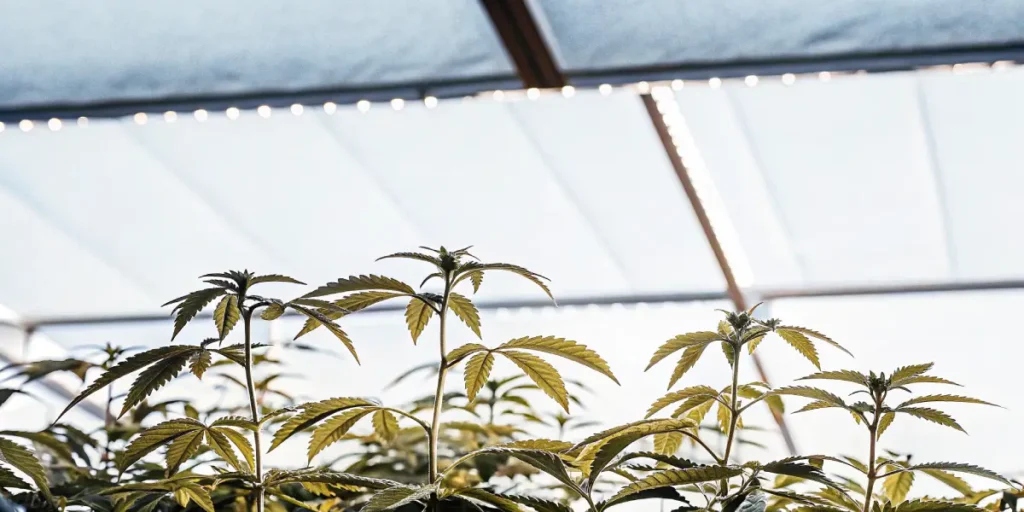
Environmental factors greatly influence cannabis health. Temperature and humidity need to be controlled to prevent leaf problems. High humidity can lead to mold, while low humidity might cause leaves to become brittle.
Ensure your grow space is well-ventilated. Fans can help maintain airflow and keep humidity levels in check. Strains like Critical Daddy Purple are well-suited for indoor environments where conditions can be closely monitored and adjusted.
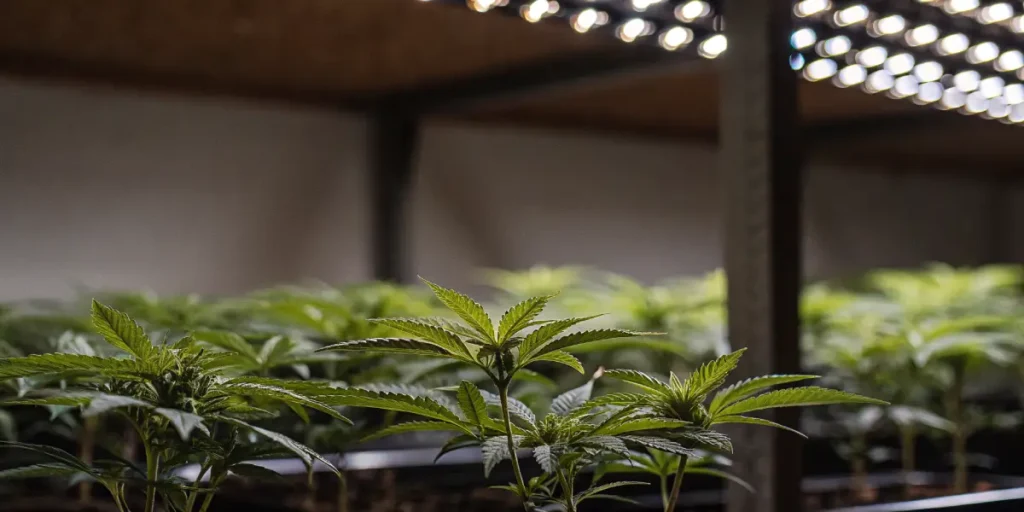
To optimize cannabis leaf health indoors, investing in quality environmental control equipment can be invaluable. Thermometers, hygrometers, and automated systems for regulating climate conditions can help maintain a stable growing environment, mitigating stress on your plants.
Besides to temperature and humidity, light intensity and duration are critical components of environmental control. Adjusting these factors based on your plant’s growth stage can prevent issues like leaf curling and discoloration, ensuring that your cannabis thrives.
Watering Techniques
Proper watering is crucial to prevent issues like leaf curling. Overwatering can suffocate roots, leading to poor nutrient uptake and leaf problems. It’s essential to water your plants only when the topsoil feels dry.
Underwatering can also cause stress, leading to curling or wilting leaves. Striking a balance is key. Use the finger test: insert your finger into the soil up to the first knuckle. If it feels dry, it’s time to water.
For those new to cannabis cultivation, creating a detailed watering schedule can be beneficial. Documenting when and how much you water your plants can help identify patterns and adjust practices to better suit your plants’ needs. This proactive approach aids in growing cannabis without leaf curling issues.
Incorporating tools like moisture meters can further refine your watering strategy. These devices provide precise readings of soil moisture content, allowing you to water only when necessary and prevent the risk of over or under-watering.
Identifying and Treating Pests
Pests are another major cause of leaf problems. Regularly inspect your plants for signs of infestation. Spider mites and aphids are common pests that can damage leaves.
If you find pests, act quickly. Use natural pesticides or introduce beneficial insects like ladybugs to control pest populations. This helps in optimizing cannabis leaf health indoors and outdoors.
Implementing an integrated pest management (IPM) strategy can significantly reduce the risk of infestations. This involves combining cultural, biological, and mechanical control methods to manage pest populations and prevent damage to your plants.
Educating yourself on the lifecycle and habits of common cannabis pests can also aid in prevention. Being able to identify early signs of pest activity allows for swift intervention, minimizing the impact on your crop and maintaining healthy leaves.
Maintaining Cleanliness
A clean growing environment can prevent many leaf issues. Remove dead leaves and debris from the grow area regularly. This reduces the chance of diseases and pests taking hold.
Sanitize your tools before use to prevent the spread of pathogens. This simple practice can go a long way in managing cannabis leaf spot diseases and promoting overall plant health.
Regularly cleaning your grow room, including walls, floors, and equipment, can further protect against the spread of disease. This proactive measure is a key component in how to grow cannabis without leaf problems, as cleanliness directly impacts plant health.
Rotating crops and allowing soil to recuperate can also contribute to a clean growing environment. This practice prevents the build-up of pathogens and pests that might otherwise threaten your cannabis plants’ health.
FAQs about how to grow cannabis without leaf problems
What causes cannabis leaves to turn yellow?
Yellowing leaves can be caused by several factors, including nutrient deficiencies, overwatering, and pH imbalances. Checking for these issues should be your first step. Adjusting nutrients or watering habits can often resolve the problem.
In some cases, yellowing is a natural part of the plant’s life cycle, especially in the late flowering stage. It’s important to differentiate between natural aging and a problem to address it correctly.
To effectively learn how to prevent cannabis leaf discoloration, ensure your grow medium’s pH is balanced and that your plants receive adequate light. Both of these factors can significantly impact nutrient uptake and overall plant health.
Monitoring the color changes across different strains can also provide insights into their specific needs. Some strains may naturally exhibit different shades of green or yellow, which can be normal for their growth stage.
How can I prevent leaf curling?
Leaf curling can result from environmental stress, such as incorrect temperature or humidity levels. Ensuring a stable environment is crucial. Monitoring your grow room conditions can prevent such issues.
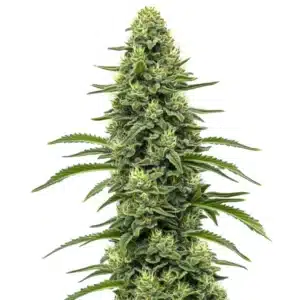
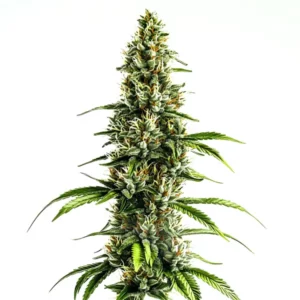
Additionally, nutrient imbalances can cause curling. Ensure your plants receive the right nutrients at each growth stage. Strains known for their resilience, like Future #1, can better withstand minor fluctuations.
Engaging in regular plant inspections enables you to catch early signs of stress that could lead to leaf curling. By addressing these signs promptly, you can protect your plants from further damage and maintain healthy growth.
Implementing preventive measures such as using strain-specific nutrient mixes and maintaining proper environmental conditions are critical in how to grow cannabis without leaf problems, including curling and other stress-induced symptoms.
What is the best way to control pests?
Controlling pests starts with regular inspection. Catching infestations early makes management easier. Use natural pest control methods, like neem oil or insecticidal soap, for mild cases.
For severe infestations, introducing beneficial insects can be effective. Maintaining cleanliness and sanitation in your grow area also prevents pest problems before they start.
Consider integrating companion planting into your garden as a natural pest deterrent. Certain plants can repel pests, offering an additional layer of protection for your cannabis crops without the need for chemical interventions.
Documenting pest activity and your responses can help build a valuable reference for future growing seasons. This knowledge can enhance your ability to prevent infestations and manage cannabis leaf spot diseases more effectively.
How do I manage cannabis leaf spot diseases?
Leaf spot diseases are often caused by fungal infections. Improving air circulation and reducing humidity can prevent these diseases. Regularly inspecting your plants helps identify problems early.
When dealing with leaf spots, remove affected leaves and apply fungicides if necessary. This prevents the disease from spreading and preserves the health of your crops.
Employing resistant strains from reputable sources like Blimburn Seeds can reduce the occurrence of leaf spot diseases. These strains are bred for their ability to withstand common pathogens and environmental stressors.
Practicing crop rotation and ensuring soil health are additional strategies to manage and prevent leaf spot diseases. Healthy soil supports robust plants, reducing susceptibility to infections and promoting overall plant vigor.
Why are my cannabis leaves drooping?
Drooping leaves can be a sign of overwatering or underwatering. Assess your watering routine and make adjustments as needed. Ensure proper drainage to prevent waterlogged roots.
Environmental stress, such as excessive heat or cold, can also cause drooping. Keeping your grow room within the optimal temperature range helps maintain leaf health and plant vigor.
Maintaining a detailed log of environmental conditions and watering schedules can aid in diagnosing the cause of drooping leaves. This practice allows you to make informed adjustments and prevent future occurrences.
Utilizing high-quality soil with good drainage properties can further prevent drooping. This ensures roots have access to adequate oxygen and reduces the risk of water retention that can lead to drooping and other leaf problems.