Cannabis Leaf Problems: Diagnosis & Solutions

Cannabis leaf problems: Cannabis leaf problems can significantly impact plant health, affecting yield and potency. Common issues include nutrient deficiencies, pest infestations, and environmental stressors. For instance, nitrogen deficiency can cause yellowing leaves, while spider mites leave tiny white spots. Regular monitoring and tailored interventions, such as adjusting nutrient levels or environmental conditions, can help maintain vibrant, healthy leaves and ensure optimal plant growth.
Cannabis leaf issues are a critical indicator of plant health, often signaling underlying problems. From nutrient imbalances to environmental stress, understanding these symptoms is vital. For example, calcium deficiency can lead to crinkled leaves, impacting photosynthesis. Addressing these problems early not only preserves yield but also enhances the overall quality of your harvest.
Recommended Strains
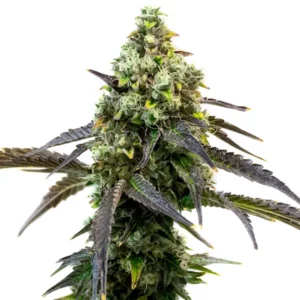
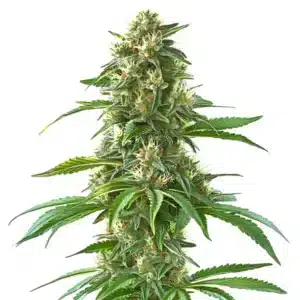
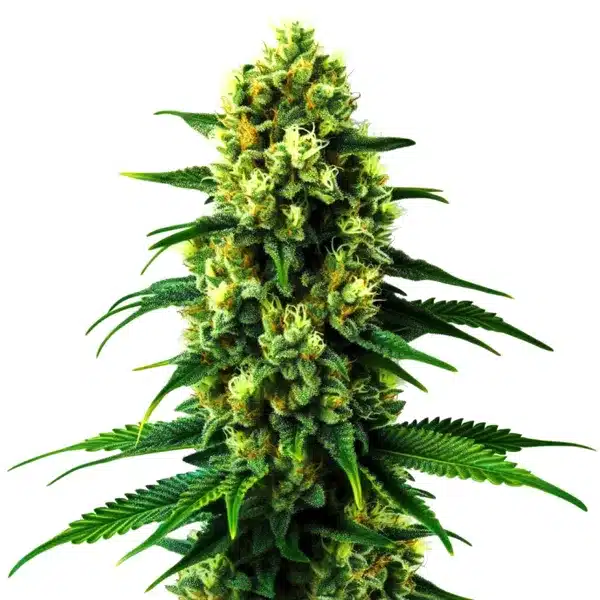
Gold Leaf

|
THC | 17% - 21% (Medium) |

|
Type | Feminized |

|
Yield | High |

|
Phenotype | 60% Indica / 40% Sativa |
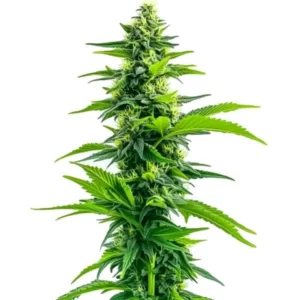
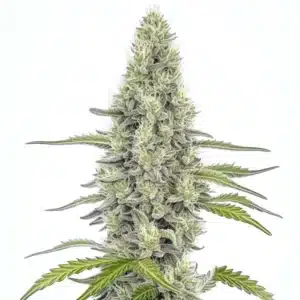
Gold Leaf Auto
|
|
THC | 20% - 24% (High) |
|
|
Type | Autoflowering |
|
|
Yield | High |
|
|
Phenotype | 55% Indica / 45% Sativa |
Diagnosing Nutrient Deficiencies
Nitrogen, Phosphorus, and Potassium Deficiencies
Nitrogen deficiency is a common cannabis leaf deficiency, causing yellowing from the bottom up. This mobile nutrient is crucial for chlorophyll production. If left unchecked, it can lead to stunted growth and reduced yield. To address this, apply a nitrogen-rich fertilizer and ensure pH levels are between 6.5 for optimal absorption.
Phosphorus deficiency results in dark, curling leaves, often exacerbated by low temperatures. This deficiency hinders energy transfer, crucial during flowering. Maintain soil pH between 6.5 and use phosphorus-rich fertilizers to correct this issue. Potassium deficiency manifests as brown spots on cannabis leaves, affecting water regulation. Ensure pH levels are optimal and supplement with potassium to restore balance.
Calcium and Magnesium Deficiencies
Calcium deficiency leads to crinkled, deformed leaves, impacting cell wall development. This deficiency often appears alongside magnesium deficiency, which causes interveinal yellowing. Both nutrients are vital for structural integrity and energy transfer. Correct these deficiencies by maintaining a pH of 6.5 and using a calcium-magnesium supplement.
Magnesium deficiency can cause leaves to curl upwards, becoming brittle. This affects the plant’s ability to photosynthesize efficiently. Regularly check pH levels and supplement with magnesium to prevent long-term damage. Monitoring these deficiencies ensures healthy growth and maximizes yield potential.
Promos & Deals
Environmental Stressors Impacting Leaves
Overwatering vs. Underwatering
Overwatering cannabis can lead to drooping, waterlogged leaves, as roots become oxygen-starved. This condition can cause root rot, stunting growth. To prevent this, allow the top inch of soil to dry between waterings and use well-draining soil. Underwatering, on the other hand, results in dry, brittle leaves. Ensure consistent watering to maintain soil moisture.
Both overwatering and underwatering can lead to cannabis leaves dying during flowering, affecting yield. Use pots with drainage holes and monitor soil moisture regularly to avoid these common weed leaf problems. Maintaining a balance prevents stress and promotes healthy plant development.
Temperature and Light Stress
Temperature extremes can cause cannabis leaves to curl and discolor. High temperatures lead to curling and burnt edges, while cold temperatures slow growth. Maintain a consistent range of 68-77°F (20-25°C) to prevent stress. Light burn, from excessive exposure, causes bleached, crispy leaves. Position lights correctly to avoid this issue.
Temperature and light stress are significant cannabis leaf problems in flowering, impacting bud development. Use environmental controls like fans and heaters to stabilize conditions. Regular monitoring ensures your plants remain healthy and productive throughout their lifecycle.
| Feature / Merkmal | Mazar X Blueberry | Rainbow Kush | Key Lime Jack |
|---|---|---|---|
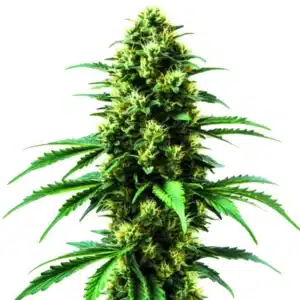
| THC Content | 20-24% | 17-22% | 18-23% |
| Dominant Terpene | Myrcene | Limonene | Caryophyllene |
| Flavor Profile | Berry, Sweet | Fruity, Spicy | Citrus, Earthy |
| Effect | Relaxing | Euphoric | Uplifting |
| Growth Difficulty | Easy | Moderate | Challenging |
Pest and Disease Management
Identifying Common Pests
Spider mites are a notorious pest, leaving tiny white spots on cannabis leaves. These pests thrive in hot, dry conditions. Increase humidity and reduce temperature to deter them. Aphids, another common pest, leave sticky residue, leading to deformed growth. Regular inspections and neem oil applications can control these infestations.
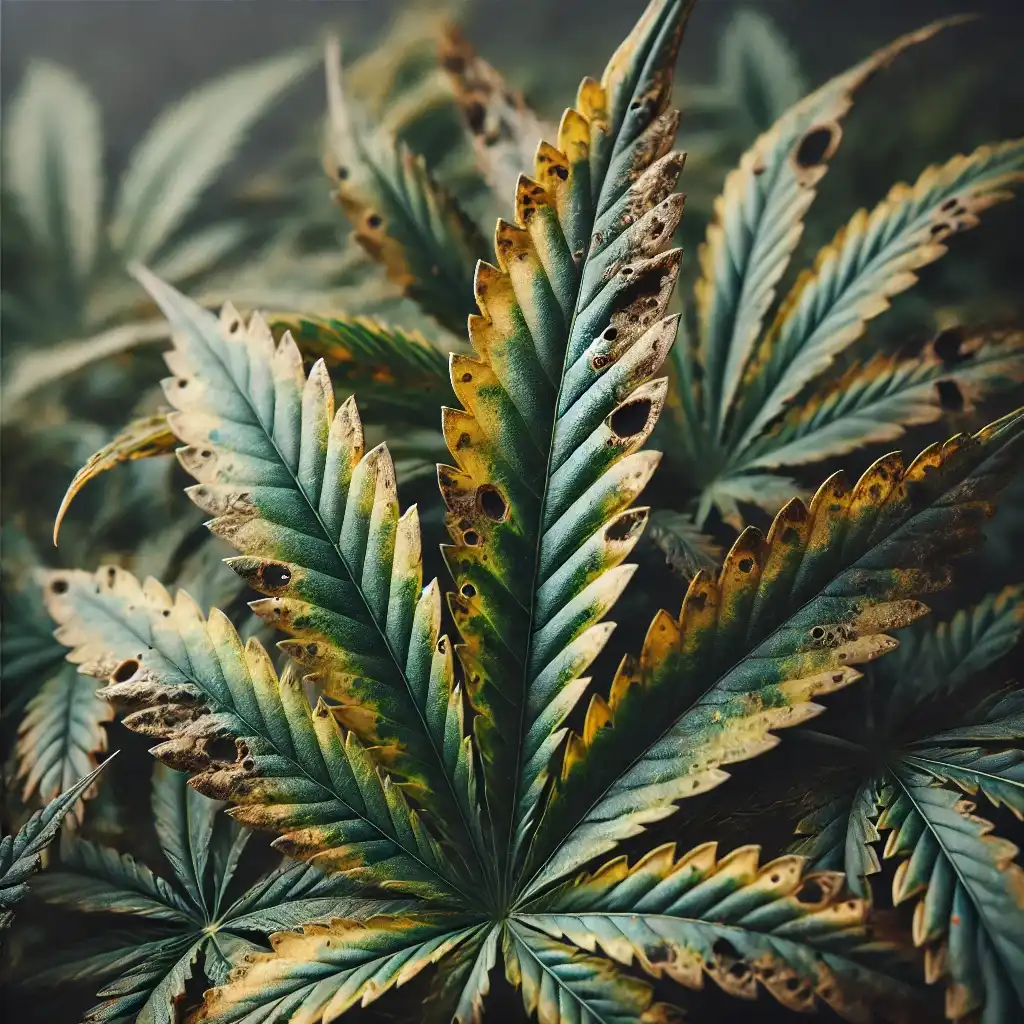
Leaf miner infestations leave holes in cannabis leaves, impacting photosynthesis. These pests burrow into leaves, causing visible damage. Use insecticidal soap or introduce natural predators to manage these pests. Early detection is crucial to prevent widespread damage and ensure healthy plant development.
Preventing Fungal Diseases
Powdery mildew appears as white spots on marijuana leaves, thriving in humid conditions. Ensure good air circulation and avoid overcrowding to prevent this disease. Rust fungus causes rust-colored spots, leading to leaf drop. Remove affected leaves and use fungicides to control its spread.
Both powdery mildew and rust fungus can severely impact yield if left untreated. Regular monitoring and maintaining optimal environmental conditions are key to preventing these diseases. Implementing these strategies ensures your plants remain healthy and productive.
Professional Tips for Healthy Cannabis Leaves
- Maintain 68-77°F (20-25°C) to prevent temperature stress. Fluctuations can cause curling and discoloration. Use fans or heaters to stabilize temperatures.
- Ensure pH levels are at 6.5 for nutrient absorption. Incorrect pH can lead to deficiencies. Regularly test and adjust as needed.
- Use well-draining soil to prevent overwatering. Waterlogged roots can lead to root rot. Allow soil to dry between waterings.
- Position grow lights correctly to avoid light burn. Excessive light can bleach leaves. Follow manufacturer guidelines for distance.
- Regularly inspect plants for pests. Early detection prevents infestations. Use neem oil or insecticidal soap for control.
- Implement Integrated Pest Management (IPM) strategies. Combining prevention and monitoring reduces pest issues. Maintain a clean growing environment.
FAQs on Cannabis Leaf Problems
What are the most common cannabis leaf discoloration causes?
Common causes include nutrient deficiencies, such as nitrogen or magnesium, and environmental stress like light burn or temperature extremes. These issues lead to yellowing, curling, or spotting on leaves. Regular monitoring and maintaining optimal growing conditions can prevent these problems and ensure healthy plant growth.
How do I deal with autoflower leaf problems during growth?
Autoflower leaf problems often arise from rapid growth and stress sensitivity. Monitor pH levels closely, maintain a balanced nutrient schedule, and avoid overwatering. Quick action is crucial due to their fixed life cycle. Ensuring stable conditions prevents long-term damage and supports healthy development.
How can I identify cannabis plant leaf problems early?
Early signs include yellowing, curling, or spotting on leaves. Regular inspections and maintaining stable environmental conditions help detect issues early. Keep a grow log to track changes and identify patterns. Addressing problems promptly ensures healthy growth and maximizes yield potential.
What is the impact of environmental factors on cannabis leaves?
Environmental factors like temperature, humidity, and light exposure significantly impact cannabis leaves. Extremes can cause stress, leading to curling, discoloration, or leaf drop. Maintaining optimal conditions, with temperatures between 68-77°F (20-25°C), prevents these issues and promotes healthy plant development.
How can nutrient deficiencies affect cannabis leaf health?
Nutrient deficiencies lead to specific symptoms like yellowing or spotting. For example, nitrogen deficiency causes yellowing, while potassium deficiency results in brown spots. These deficiencies affect photosynthesis and overall plant health. Regularly test soil pH and adjust nutrient levels to prevent deficiencies.