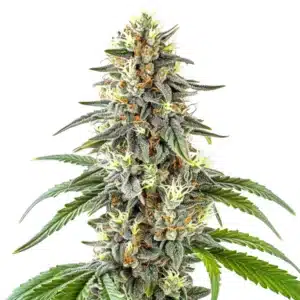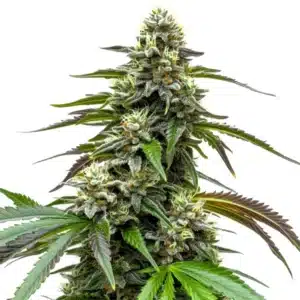
How to Grow Yumboldt

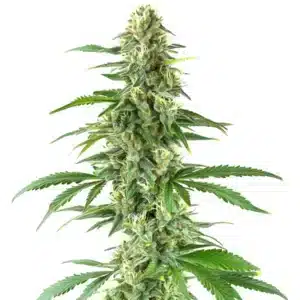
Yumboldt is a 70/30 indica-dominant strain with roots in California’s Emerald Triangle, and it grows the way an old-school indica should: compact, hardy and generous with resin. THC sits in the 18 to 20% range, so the effect is relaxing without being overwhelming, which is part of why it suits new growers. This guide covers the whole run, from germinating the feminized seeds to the final cure.
At around 4.92 ft it stays manageable indoors and out, and it wraps up flowering in 8 to 10 weeks. If you would rather an autoflower or a regular version, Blimburn also offers Yumbolt Auto and Yumbolt Regular, but the feminized Yumboldt is the classic place to start.
Recommended Strains
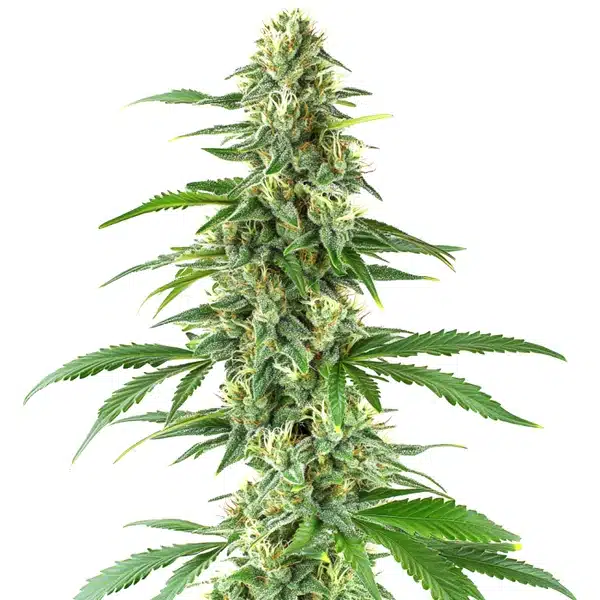
Yumboldt

|
THC | 18% - 20% (Medium) |

|
Type | Feminized |

|
Yield | Medium |

|
Phenotype | 70% Indica / 30% Sativa |
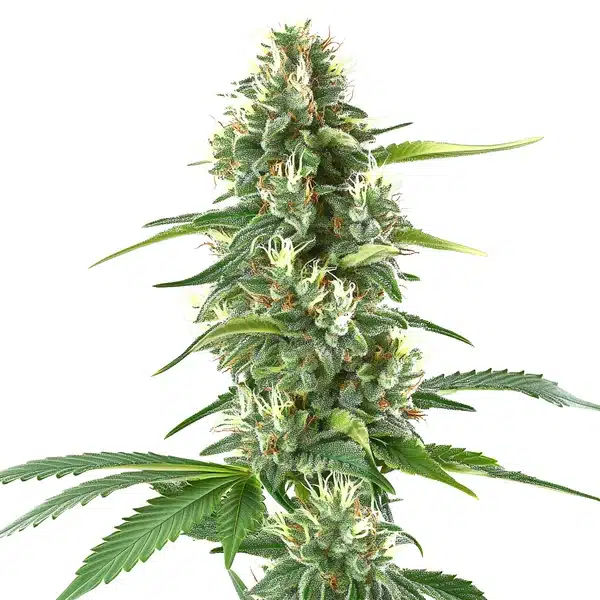
White Amnesia
|
|
THC | 18% - 22% (Medium) |
|
|
Type | Feminized |
|
|
Yield | High |
|
|
Phenotype | 30% Indica / 70% Sativa |
Yumboldt at a Glance
Before you plant anything, it helps to see the full picture in one place. Here is the quick profile for this feminized indica, taken straight from the strain’s grow data.
| Seed type | Feminized |
|---|---|
| Genetics | Original Yumboldt |
| Phenotype | 70% Indica / 30% Sativa |
| THC | 18–20% (medium) |
| Flowering time | 8–10 weeks |
| Outdoor harvest | October |
| Height | up to 4.92 ft (1.5 m) |
| Yield indoor | 1.15–1.47 oz/ft² |
| Yield outdoor | 14.11–21.16 oz/plant |
| Climate | Temperate |
| Dominant terpene | Myrcene |
| Flavors | Citrus, Fruity, Sweet |
| Effects | Energetic, Euphoric, Relaxed |
| Difficulty | Beginner-friendly |
These are feminized seeds, so every plant you grow will flower. That removes the guesswork from the early weeks and lets you plan your space around the number of seeds you pop rather than the number that turn out female.
Promos & Deals

How to Germinate Yumboldt Seeds
A healthy harvest starts at germination. The paper towel method is hard to beat: fold the seeds inside two damp sheets, slide them between two plates, and keep them somewhere dark at 70 to 79°F. A taproot usually appears in one to five days.
Once the root is a few millimetres long, move each seed into its starter pot with the root pointing down and cover it with about 2 cm of soil. Keep the medium lightly moist, not soaked, and hold humidity around 65 to 70% while the first true leaves open. Because these are feminized seeds, you can skip sorting out males later and give every sprout your full attention.
Starter tips
- Use plain, lightly pH-balanced water (pH 5.5 to 6.5) for the first week.
- Give seedlings gentle light, not a full-power lamp pressed overhead.
- Hold off on nutrients until the second set of serrated leaves appears.
Growing Yumboldt in the Vegetative Stage
Yumboldt likes a temperate climate with warm summers and moderate humidity. Aim for day temperatures of 68 to 81°F and keep veg humidity in the 50 to 60% band so the leaves stay healthy without inviting mould. An airy substrate with perlite, peat or coco coir holds moisture without drowning the roots.
Because it leans temperate, Yumboldt is a natural fit for the US West Coast, right down to its Emerald Triangle homeland:
- Humboldt County, CA: the strain’s birthplace, where cool, Mediterranean coastal summers suit it well; watch the late-season fog and aim to harvest by mid-October before damp air settles on the dense buds.
- Southern Oregon (Medford): warm, dry summers give strong resin and clean growth, so your main job is to finish and harvest before the autumn rains roll in.
- Eastern Washington (Yakima): hot, dry continental summers with big day-to-night swings suit this indica and its resin, but water attentively through the peak heat to avoid stress.
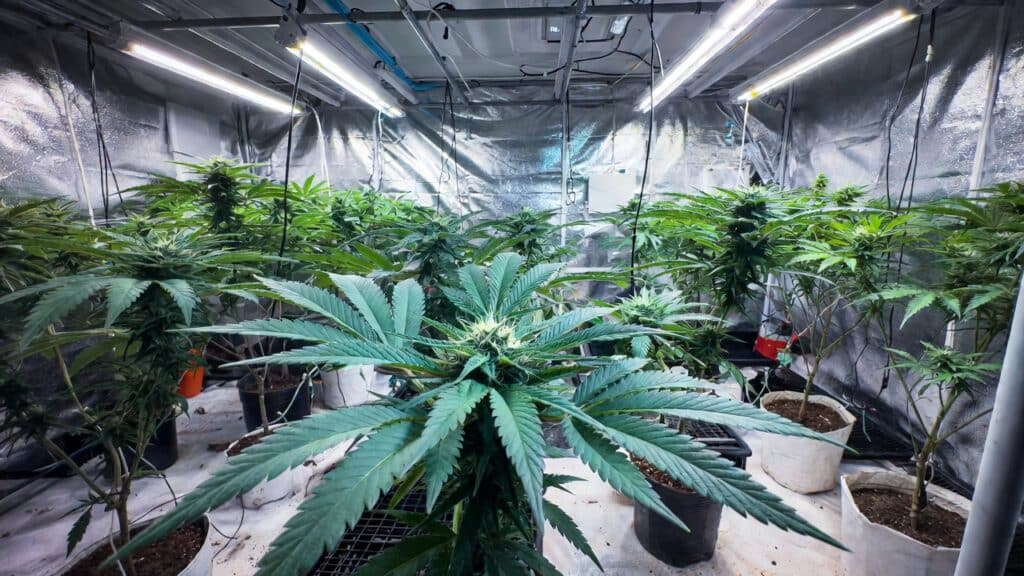
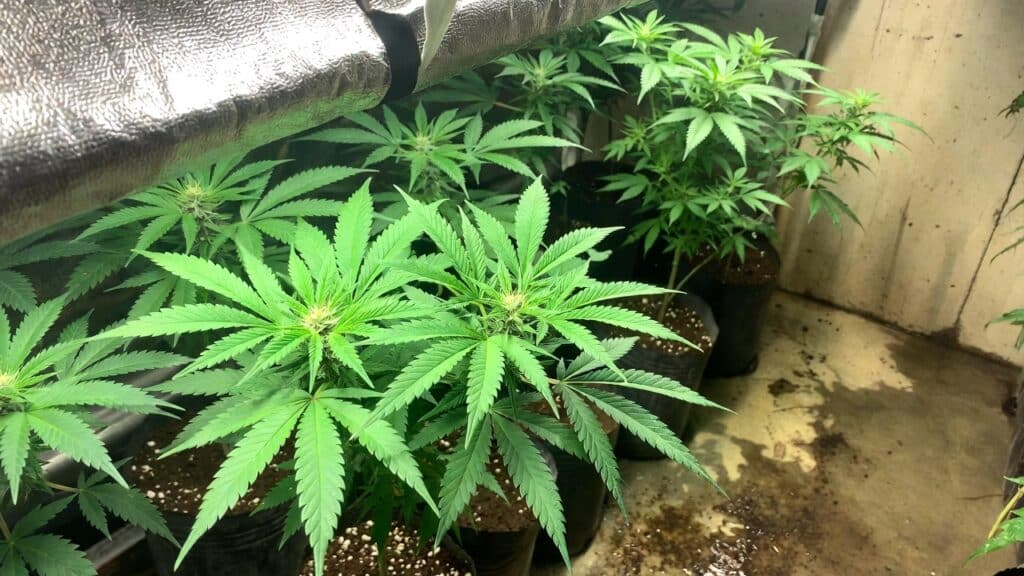
At around 4.92 ft this is a compact, sturdy indica, so you spend less time fighting height and more time opening up the canopy. Topping once it has five or six nodes encourages a bushier shape, while low-stress training spreads the lower branches toward the light. Three to four weeks of veg is usually enough indoors before you flip the lights.
Flowering and Buds of Yumboldt
Once you switch to a 12/12 light cycle, Yumboldt finishes in 8 to 10 weeks. There is a short stretch early on, and then the plant settles into packing on the dense, resin-rich flowers this classic indica is known for.
Drop humidity to 40 to 45% during flower to protect those compact buds from rot, and keep airflow moving through the canopy. As the colas firm up, a little support keeps the heaviest branches upright. Outdoors, plants are typically ready to come down in October.
At a medium 18 to 20% THC, Yumboldt still lays down a thick coat of trichomes toward the end. That resin is your cue to start checking the heads closely, since ripeness here is about the trichomes rather than raw potency.
Common Problems and Pro Tips
Yumboldt is hardy and forgiving, but its dense indica buds and its own breeder notes point to a few things worth watching.
- Mould and mildew: the tight, resin-heavy colas typical of a 70% indica trap moisture, so bud rot and powdery mildew are the main risks late in flower. Step humidity down from 50 to 60% in veg to around 40% in flower and near 30% by harvest, and keep air moving.
- Pests: even a robust strain like this is worth guarding against pests; check leaf undersides weekly for spider mites, which thrive in warm, dry rooms, and keep the grow space clean.
- Substrate and moisture: an airy mix with perlite, peat or coco coir holds water without waterlogging the roots, which suits its compact, hardy structure.
Expert tip: indoors, train Yumboldt with a ScrOG screen to even out the canopy and lift the lower flowers, since an indica this compact can shade its own undergrowth. Running night temperatures about 7 to 9°F cooler than the day through flower tightens the buds and helps the plant hold its resin and colour into late bloom.
Aroma, Flavor and Effects
Yumboldt smells sweet and fruity with a citrus lift over a soft, earthy base. It is an inviting, dessert-like nose rather than a pungent one, and it grows richer as the buds cure in the jar.
The flavor follows, with sweet citrus and ripe fruit up front and an earthy depth underneath. On the effect side it opens energetic and euphoric before easing into the deep, relaxed body feel of a 70% indica, which is why many growers keep it for the evening.
Terpene profile
Yumboldt keeps it simple with a myrcene-forward profile. Myrcene is the earthy, musky terpene behind that heavy, relaxing indica feel, carrying a ripe, almost mango-like sweetness that lines up with the strain’s citrus and sweet-fruit flavors. It is the clear dominant note here, so expect a smooth, dessert-like smoke rather than a sharp or gassy one.
Nutrient Schedule
Treat the figures below as a starting map, not a rulebook. Yumboldt takes a moderate feed well, but read the plant first: tip burn means back off, while pale, slow growth means it wants a little more. All values use EC.
| Stage | EC |
|---|---|
| Seedling | 0.4–0.6 |
| Growth | 0.8–1.2 |
| Early flower | 1.2–1.4 |
| Full flower | 1.4–1.6 |
| Flush | 0.0–0.4 |
Keep the pH around 6.0 to 6.5 in soil and 5.5 to 6.0 in hydro so the roots can actually take up what you feed.
What to Do With Your Trim: Extracts and Hash
Yumboldt is an old-school resin producer, so the trim is worth saving even at a medium 18 to 20% THC. The frosty sugar leaves you take off while manicuring carry plenty of trichomes and suit Ice Water Hash, where cold water and agitation separate the resin heads into a clean, solventless concentrate. Press that hash into rosin to hold on to the sweet, myrcene-rich aroma, or run a solvent extraction if that is your setup. The bare stems will not extract, but chopped and composted they feed organic matter back into the soil for your next grow.
Harvesting, Drying and Curing Yumboldt
Timing the harvest comes down to the trichomes. Grab a loupe and watch the heads turn from clear to milky white; a scattering of amber signals peak ripeness for this indica. Outdoor plants usually reach that point in October, while indoor runs land at the end of the 8 to 10 week flowering window.
After the cut, hang the branches in a dark room at 59 to 68°F with humidity near 50% and gentle air movement. Slow beats fast: drying over 10 to 14 days protects the sweet, myrcene-rich terpenes that define this strain. When the small stems snap instead of bending, move the buds into jars.
Cure in sealed glass, opening the jars daily for the first week to let moisture escape, then easing off as the aroma deepens. Two to four weeks of patience here turns a good harvest into a genuinely smooth one, and it is the step most first-time growers rush.
Frequently Asked Questions
Is Yumboldt easy to grow for beginners?
Yes, Yumboldt is beginner-friendly. It is a hardy, compact indica, the feminized seeds mean every plant flowers, and the 8 to 10 week bloom is straightforward. Keep humidity down in flower and stay on top of pests, and it forgives most of the small mistakes a first-time grower tends to make.
How long does Yumboldt take to flower?
Yumboldt flowers in 8 to 10 weeks indoors once you switch to a 12/12 light cycle. Outdoors in the northern hemisphere, sow around April for a mid-October harvest. The indica genetics finish fairly predictably, so you get a reliable window rather than a plant that drags on for extra weeks.
How much does Yumboldt yield?
Yumboldt gives a medium yield. Indoors you can expect 1.15 to 1.47 oz/ft² under good light, and a healthy outdoor plant produces 14.11 to 21.16 oz/plant. A ScrOG screen and a quality, airy substrate help you push toward the top of those ranges without stressing the plant.
How strong is Yumboldt?
Yumboldt is a medium-THC strain, testing between 18 and 20%. The effect starts energetic and euphoric, then settles into the deep body relaxation you expect from a 70% indica. Because it is not sky-high in potency, it is an approachable choice for newer growers and for lighter, evening sessions.
What does Yumboldt taste and smell like?
Yumboldt leads with citrus and sweet fruit over an earthy base, driven by its myrcene-forward terpene profile. The flavor is smooth and dessert-like rather than sharp, and that sweetness deepens as the buds cure. Myrcene also gives it the musky, relaxing character common to classic indicas.
Can I grow Yumboldt outdoors?
Yes, Yumboldt does well outdoors in a temperate climate with warm summers and moderate humidity. Its compact 4.92 ft frame suits gardens in California, Oregon and Washington. Sow in spring, keep airflow around the dense buds, and plan to harvest in October before the autumn rains arrive.