Top Rated Cannabis & Weed Strains for ADHD: Our Best Picks

Important context first: cannabis is not an approved treatment for ADHD, and the scientific evidence is limited and mixed, some adults say it helps them feel calmer or more focused, but studies don’t establish that it treats ADHD, and THC can actually impair focus, memory and motivation, especially in high doses and in younger people. So this article explains what people discuss, not medical advice, and what to be careful about. With that said: those who use cannabis alongside (not instead of) proper care tend to gravitate toward balanced or CBD-rich strains and specific terpenes rather than heavy, high-THC indicas, aiming for calm without a foggy, sedating high.
Never stop or replace prescribed ADHD medication (such as Adderall) on your own, that’s a decision for your doctor, and ADHD often overlaps with anxiety, which cannabis can worsen for some. If you’re considering cannabis for ADHD, talk to a qualified healthcare professional, and check what’s legal where you live. Below: what the evidence says, the strains and terpenes people mention, and the real cautions.
Recommended Strains

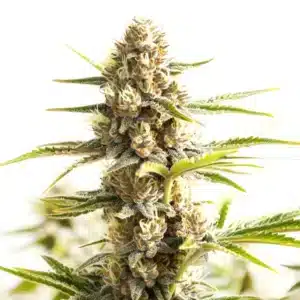
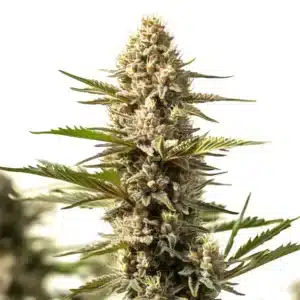
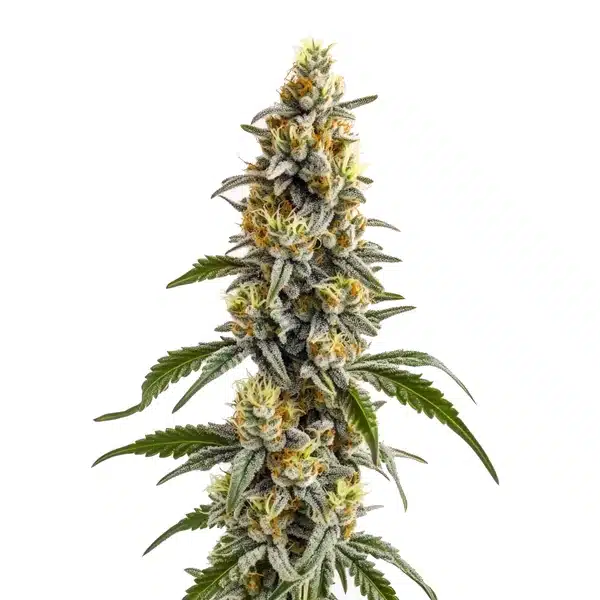
Harlequin

|
Type | CBD Feminized |

|
CBD | 6% – 8.5% (Low) |

|
Phenotype | 25% Indica / 75% Sativa |

|
Yield | High |
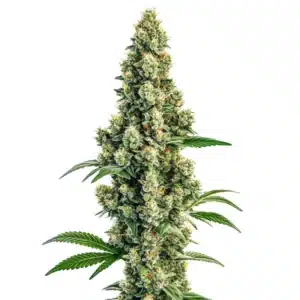
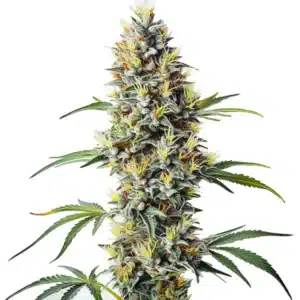
Harlequin x Bubba Kush Regular
|
|
Type | Regular |

|
THC | 5% - 7% (Low) |
|
|
Phenotype | 90% Indica / 10% Sativa |
|
|
Yield | High |
Strains and Terpenes People Mention for ADHD
Commonly discussed online, not medical recommendations; effects vary and aren’t proven:
| Strain / terpene | Why people mention it |
|---|---|
| ACDC, Harlequin (CBD-rich) | High CBD, low THC, calmer, less intoxicating |
| Balanced hybrids (e.g. Blue Dream) | Middle-ground, not too sedating or racy |
| Daytime sativas (e.g. Green Crack, Jack Herer, Pineapple Express) | Reported uplift/energy (can also raise anxiety) |
| Sour Diesel | Energizing; discussed, but high-THC caution |
| Terpenes (e.g. pinene, limonene, linalool) | Associated anecdotally with focus or calm |
These are not proven ADHD treatments. Talk to a doctor; don’t replace prescribed meds.
Promos & Deals


Cannabis and ADHD: What We Actually Know
Let’s be clear and honest, this is a health topic, so accuracy matters. ADHD is a medical condition with established, evidence-based treatments (such as prescribed medication and behavioral therapy). Cannabis is not among its approved treatments, and the research is limited and mixed: some adults with ADHD report that cannabis helps them feel calmer, less restless or more able to focus, but controlled studies have not shown it to be an effective ADHD treatment, and there are real downsides. THC can impair attention, working memory and motivation, the very areas ADHD already affects, and heavy or early use is associated with risks, particularly for adolescents and young adults whose brains are still developing.
ADHD also frequently coexists with anxiety and mood issues, and cannabis (especially high-THC) can worsen anxiety for some people. So while the anecdotes are real, they aren’t proof, and cannabis can cut both ways. Treat anything you read, here or elsewhere, as background information, not a substitute for professional medical guidance.
Why Balanced and CBD-Rich Strains Come Up
Among people who do use cannabis and have ADHD, a common theme is avoiding heavy, high-THC products in favor of balanced or CBD-rich options. The reasoning they describe: very high-THC strains can increase anxiety, cloud thinking and cause the foggy, sedated, ‘couch-lock’ feeling that’s unhelpful if you’re trying to function, whereas CBD-rich, low-THC strains (like ACDC or Harlequin) and balanced hybrids are reported to feel calmer and clearer. Some also point to specific terpenes, such as pinene (associated anecdotally with alertness), limonene (mood) and linalool (calm), as part of why certain strains feel better to them, though terpene effects in humans are not firmly established.
Daytime sativa-leaning strains (Green Crack, Jack Herer, Pineapple Express) get mentioned for energy and uplift, but these can equally heighten anxiety or racing thoughts, so they’re hit-or-miss. The honest summary: if someone experiments, lower-THC, balanced, clearer-headed options are what they tend to prefer, but ‘preferred’ is not the same as ‘proven’, and individual responses vary widely.
The Cautions That Matter Most
If you take nothing else from this article, take these. Never stop or replace prescribed ADHD medication, like Adderall, on your own. Searches for ‘strains to replace Adderall’ are common, but swapping evidence-based treatment for cannabis without medical supervision can be harmful; any change to your treatment is a conversation for your doctor. Cannabis can worsen anxiety, which frequently accompanies ADHD, and high-THC use can impair the focus and memory you’re trying to support. Be especially cautious with teenagers and young adults, whose developing brains are more vulnerable, cannabis is not advisable for managing ADHD in young people. The same caution applies to related searches about autism: cannabis is not a proven treatment there either, and those decisions absolutely require professional medical guidance.
Finally, respect the law, cannabis legality varies by location. The responsible path is to work with a qualified healthcare professional who knows your history, not to self-treat a medical condition based on strain lists. For background reading, see our guide to cannabis and ADHD and ADHD, anxiety and terpenes; if you pursue medical cannabis, learn how a medical card works. This is general information, not medical advice.

FAQs
Which strains do people use for ADHD?
There’s no proven ‘best’ strain, cannabis isn’t an approved ADHD treatment. People who use it tend to prefer balanced or CBD-rich, lower-THC options (like ACDC or Harlequin) over heavy high-THC strains, aiming for calm without fog. Effects vary and aren’t established. Talk to a doctor, and never replace prescribed medication on your own. Not medical advice.
Should I use weed instead of Adderall?
No, not on your own. Adderall and other ADHD medications are evidence-based treatments; cannabis is not a proven substitute, and swapping them without medical supervision can be harmful. Any change to ADHD treatment must be decided with your doctor. Some people use cannabis alongside care, but replacing prescribed medication yourself is strongly discouraged. This is not medical advice.
Is cannabis effective for ADHD?
The evidence is limited and mixed. Some adults report feeling calmer or more focused, but studies haven’t shown cannabis to be an effective ADHD treatment, and THC can impair attention and memory and worsen anxiety, which often accompanies ADHD. It’s not an approved treatment. Treat anecdotes as background only and consult a qualified professional. Not medical advice.
High-THC or CBD for ADHD?
People who experiment generally favor CBD-rich or balanced, lower-THC strains, since high-THC products can increase anxiety and cloud focus, the opposite of what’s wanted. CBD-rich options are reported to feel calmer and clearer. But none of this is proven, responses vary, and it’s not medical advice. Discuss any use with a healthcare professional and follow your local laws.