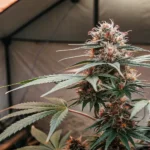
How to Grow Triple XL Auto

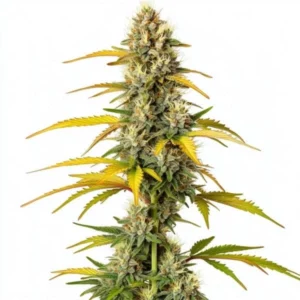
Triple XL Auto is a compact, high-yielding autoflower prized for its heavy harvest and lively, balanced high. It carries a medium 15–20% THC, a citrus, earthy, skunk and spicy flavor, and an energetic, euphoric, relaxed effect on a short, sturdy plant that goes from seed to harvest in just 8–10 weeks.
Built by crossing Northern Lights #5, Big Bud and Green Crack with a ruderalis line, Triple XL Auto is a 60% indica, 40% sativa autoflower bred for serious yield on a small frame. Big Bud drives the heavy, dense flowers, Northern Lights #5 adds resin and stability, and Green Crack brings the citrusy lift and energetic head, with Afghani, OG Kush and Skunk #1 in the background.
Recommended Strains

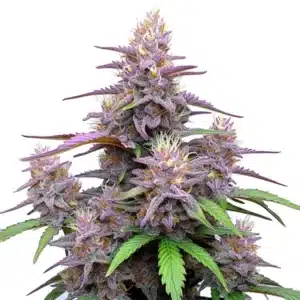
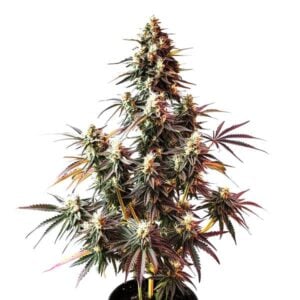
Triple XL Auto

|
THC | 15% - 20% (Medium) |

|
Type | Autoflowering |

|
Yield | High |

|
Phenotype | 60% Indica / 40% Sativa |

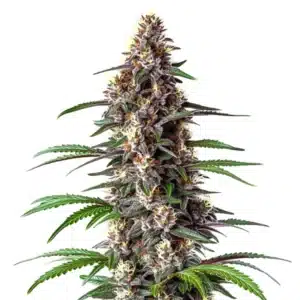
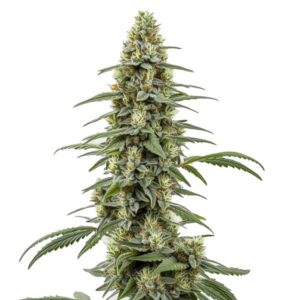
Big Bud Auto
|
|
THC | 18% - 22% (Medium) |
|
|
Type | Autoflowering |
|
|
Yield | High |
|
|
Phenotype | 80% Indica / 20% Sativa |
Because it is compact, forgiving and a genuinely heavy producer, Triple XL Auto is a rewarding grow for any skill level. You can see the full genetics and buy Triple XL Auto seeds on the strain page, and browse more of our high-yielding seeds alongside it.
Strain Profile at a Glance
| THC | 15–20% (medium) |
|---|---|
| Lineage | NL#5 x Big Bud x Green Crack |
| Type | Autoflowering |
| Genetics | 60% Indica / 40% Sativa |
| Climate | Dry / warm |
| Life cycle | 8–10 weeks seed to harvest |
| Harvest | All season |
| Height | 3.28 ft / 1 m |
| Yield indoor | 1.64–1.97 oz/ft² (500–600 g/m²) |
| Yield outdoor | 8.82–14.11 oz/plant (250–400 g/plant) |
| Grow difficulty | Beginner-friendly |
| Flavors | Citrus, Earthy, Skunk, Spicy |
| Effects | Energetic, Euphoric, Relaxed |
Promos & Deals
Growing Autoflowering Seeds
As an autoflowering strain, Triple XL Auto flowers automatically with age rather than on a light change, so there is no need to switch light schedules to start bloom. It will grow under as little as 12 hours of light, but an 18/6 or 20/4 cycle right through its life gives the best yields, which keeps things simple for beginners.
Because an autoflower runs on a fixed internal clock, the key is to avoid checking its growth. Start each seed in its final pot to avoid transplant shock, since every lost day in a short life cycle costs you yield. Feed it quality nutrients through the seedling, vegetative and flowering stages, and keep the whole run smooth so it reaches its full 8–10 week potential.
Climate and Where to Grow It
Triple XL Auto does best in a warm, dry climate with plenty of light and good airflow. As an autoflower it is flexible, and because it does not depend on the light cycle you can harvest in any season as long as the weather is warm enough. It stays short, around 1 m, so it is an excellent fit for small tents and discreet spaces.
Outdoors it rewards a good spot with 250–400 g per plant, while indoors it is a genuinely heavy producer for its size at 500–600 g/m². It earns its place among our high-yielding strains, but those numbers still depend on light, pot size and healthy roots, so give it good conditions to reach the top of the range.
Indoors, aim for daytime temperatures around 68–80°F (20–27°C) with nights a little cooler, and keep airflow steady. It prefers lower humidity: around 55–60% in veg, nearer 40% in flower, and down to 30% by harvest, which suits its dense, resin-heavy buds and protects them from mould.
Feeding Schedule (EC Guide)
Autoflowers prefer a lighter feed than photoperiod plants, so keep concentrations modest and let the plant lead. Start low, build up gently through its quick cycle, and taper off for the final flush so the citrusy, skunky flavor comes through clean and the smoke finishes smooth.
| Stage | EC (mS/cm) | Notes |
|---|---|---|
| Seedling | 0.4–0.6 | Very light feed, focus on healthy root growth |
| Vegetative growth | 0.8–1.2 | Build the frame, raise nitrogen gradually |
| Early flower | 1.2–1.4 | Shift toward bloom nutrients (P and K) |
| Full flower | 1.4–1.6 | Peak bloom feed while the heavy buds swell |
| Flush | 0.0–0.4 | Plain water for the final 1–2 weeks |
Flowering and Harvest
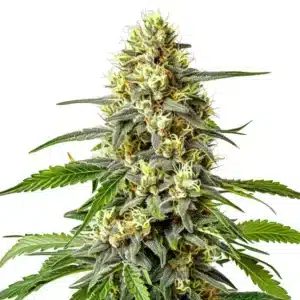
Triple XL Auto flowers automatically a few weeks after germination and finishes its whole cycle in about 8–10 weeks from seed. As a 60% indica it stays short and bushy, packing on surprisingly large, dense, resin-coated buds for such a compact plant, which is exactly where its “XL” name comes from.
Because the plant sets its own schedule, watch the plant rather than the calendar: harvest when most trichomes have turned cloudy with a few amber heads for the fullest expression, and run a short plain-water flush in the last week or two before you cut it down.
Drying and Curing
Dry whole plants or branches in a dark room at around 60°F (15–18°C) and 55–60% humidity for 7–14 days, until the thin stems snap rather than bend. A slow, even dry stops the dense, chunky buds staying damp in the middle while the outside dries out, which protects both the citrusy-skunk aroma and the heavy resin.
Then cure the trimmed buds in sealed jars, burping them daily for the first week and letting them settle for three to four weeks. A proper cure brings the citrus, earthy and skunky notes forward and smooths the smoke, which is exactly what this heavy-yielding Skunk-lineage autoflower deserves.
What to Do With Your Trim
Don’t bin the sugar leaves you remove while manicuring. Triple XL Auto is a resin-rich plant, so the trim is excellent for dry sift, bubble hash or rosin, giving you a bonus run of citrusy, skunky concentrate from material most growers would otherwise throw away.
Flavor and Terpenes
Triple XL Auto has a bold, old-school profile: a zesty citrus lift over an earthy, skunky base with a peppery, spicy edge. It is a punchy, savoury taste rather than a sweet or candy one, carried straight from its Northern Lights, Big Bud and Green Crack parents into the cured flower on a fast, automatic plant.
Its terpene profile is led by myrcene for the earthy, grounding base and caryophyllene for the peppery, spicy bite, with humulene adding to the skunky, earthy depth, terpinolene a fresh lift, pinene a clean, sharp top note and linalool a soft, balancing touch, alongside farnesene in support. The bright citrus side comes through from the Green Crack parentage rather than from any single dominant terpene.
Effects and Best Use
With its indica-leaning genetics and Green Crack influence, Triple XL Auto is reported as energetic, euphoric and relaxed, opening with a lively, uplifting cerebral buzz before settling into a strong, comfortable body relaxation. That balance makes it a versatile strain that works from a creative afternoon through into an easy evening rather than pinning you down.
At a medium 15–20% THC it is approachable and manageable, which suits both newer users and anyone who prefers a balanced high with real energy to it. That character, the bold citrus-skunk flavor, the heavy yield on a compact plant and the fast, easy autoflower cycle are exactly why growers reach for Triple XL Auto.
Common Problems and Pro Tips
The biggest thing to get right with Triple XL Auto is its short, fixed life cycle. Because an autoflower cannot be kept in veg to recover, any early setback permanently costs yield, so start each seed in its final pot to avoid transplant shock, use a light, airy substrate, and keep the seedling stage smooth and gentle.
Its heavy yield on a small frame is the other thing to plan for. Big, dense buds on a 1 m plant can strain the branches and trap moisture, so support the heavier colas late in flower and keep humidity on the low side, dropping toward 30% by harvest, to avoid bud rot. Because it prefers a dry climate, good airflow and dehumidifying matter more than usual.
As a pro tip, lean into what this strain does best: its compact size and 8–10 week cycle make it ideal for a quick, discreet, heavy harvest, and outdoors you can fit two runs in a season. Keep the feed modest, use gentle low-stress training early rather than heavy topping, give it a clean plain-water flush at the end, and follow the trichomes for the best finish.

FAQ
Is Triple XL Auto an autoflower?
Yes. Triple XL Auto flowers automatically with age rather than on a light change, thanks to the ruderalis in its lineage. It grows well under an 18/6 or 20/4 light cycle right through its life, with no schedule switch needed to start bloom, which is what makes it so simple and beginner-friendly to grow.
Is Triple XL Auto indica or sativa?
Triple XL Auto is indica-leaning, at roughly 60% indica and 40% sativa. That shows in a strong, comfortable body relaxation, while its Green Crack side adds an energetic, euphoric cerebral buzz, so the effect stays lively and uplifting rather than purely heavy, working from afternoon into an easy evening.
What does Triple XL Auto taste like?
It has a bold, old-school flavor: a zesty citrus lift over an earthy, skunky base with a peppery, spicy edge. Myrcene drives the earthy base, caryophyllene brings the spicy pepper, and humulene adds skunky depth, while the bright citrus comes through from its Green Crack parentage rather than a single terpene.
How long does Triple XL Auto take from seed to harvest?
About 8–10 weeks from germination to harvest, much faster than a photoperiod strain. Because it is an autoflower, it moves from seedling to flowering on its own without any light-cycle change, which lets you fit several runs into a single season, especially useful indoors where you control the environment.
How much does Triple XL Auto yield?
It is a genuinely high-yielding autoflower for its size, giving around 500–600 g/m² indoors and 250–400 g per plant outdoors. Those numbers depend on light, pot size and healthy roots, so start it in its final pot, feed it well through its quick cycle, and keep conditions dry and airy to reach the top end.
How tall does Triple XL Auto get?
It stays compact, around 1 m, which makes it a great choice for small tents, discreet grows and limited spaces. Despite that short stature it produces large, dense buds, so it packs a heavy yield into a small footprint, as long as you support the branches and keep humidity low late in flower.