How To Grow Durban Poison Auto Strain

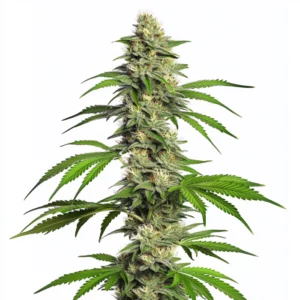
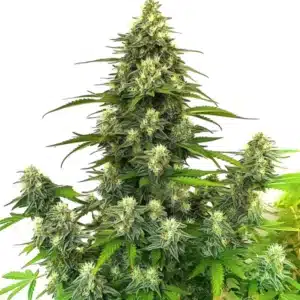
Durban Poison Autoflower is a sativa-dominant hybrid with roots in South African landrace genetics, often combined with ruderalis for autoflowering traits. It offers a clear-headed, energizing high along with a sweet, earthy aroma. Typically, it achieves high THC levels, ranging from 21% to 25%, within a rapid life cycle of 8 to 10 weeks from seed to harvest.
Durban Poison Autoflower is renowned for its unique terpene profile, dominated by terpinolene, myrcene, and ocimene. These terpenes contribute to its invigorating aroma and flavor, enhancing the strain’s uplifting effects. With a flowering time of 8-10 weeks, this strain is ideal for growers seeking a quick turnaround without sacrificing quality.
Recommended Strains

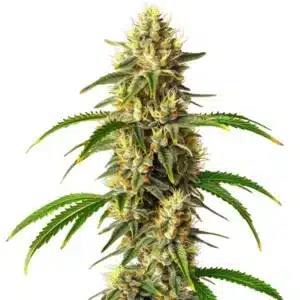
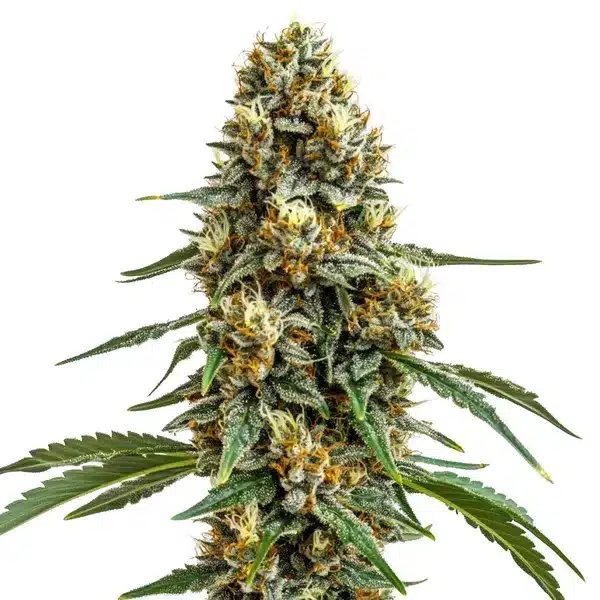
Durban Poison Autoflower

|
THC | 21% - 25% (High) |

|
Type | Autoflowering |

|
Yield | Low |

|
Phenotype | 20% Indica / 80% Sativa |
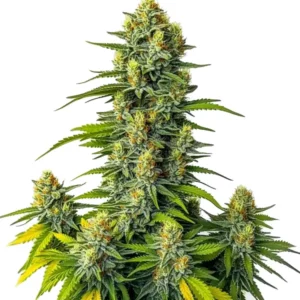
Durban Poison
|
|
THC | 15% - 25% (High) |
|
|
Type | Feminized |
|
|
Yield | High |
|
|
Phenotype | 10% Indica / 90% Sativa |
What Makes Durban Poison Autoflower Unique?
Durban Poison Autoflower stands out due to its genetic lineage, combining the robust characteristics of South African landrace sativas with the autoflowering capabilities of ruderalis. This fusion results in a strain that is not only fast-growing but also resilient, making it suitable for various growing environments. Its compact size, typically reaching 2-3 feet (60-90 cm), makes it perfect for discreet cultivation.
The strain’s terpene profile is particularly noteworthy. Terpinolene, present at 0.5-1.0%, imparts a fresh, piney aroma and is known for its antioxidant properties. Myrcene, ranging from 0.3-0.5%, adds an earthy scent and enhances THC’s psychoactive effects by increasing its absorption. Ocimene, at 0.2-0.4%, contributes sweet, herbal notes and offers potential anti-inflammatory benefits.
Durban Poison Autoflower’s resilience is further enhanced by its autoflowering trait, which allows it to thrive under less-than-ideal light conditions. This makes it a versatile choice for growers in various climates. The ruderalis genetics ensure that the plant transitions to flowering automatically, regardless of light cycle changes, providing a reliable option for both novice and experienced cultivators.
Promos & Deals
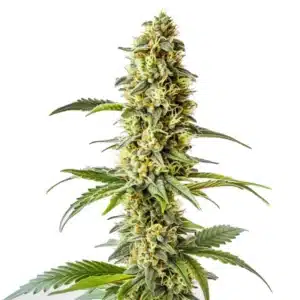
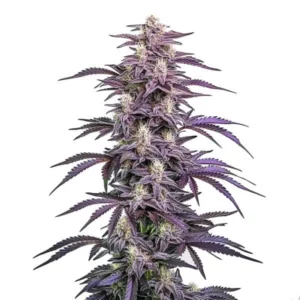
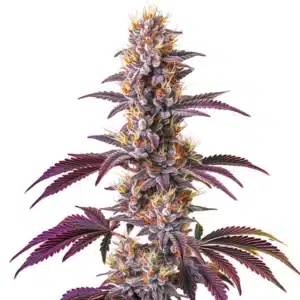
Growing Durban Poison Autoflower Week by Week
Germination and Seedling Stage
During germination, maintain a temperature of 70-85°F (21-29°C) with a humidity level of 70-90% to ensure optimal moisture for seed sprouting. This stage typically lasts 3-7 days. Use a pH level of 6.0-6.5 for the water to facilitate nutrient uptake. A common mistake is overwatering, which can suffocate the seeds and hinder germination.
Once seedlings emerge, provide 16-18 hours of light using LED grow lights to promote vigorous growth. Keep the temperature between 70-80°F (21-27°C) and humidity around 60-70%. The seedlings require a gentle airflow to strengthen their stems. Avoid placing lights too close to prevent light burn, which can stunt growth.
Ensuring the correct pH level is crucial during this stage. A pH of 6.5 is optimal for soil, as it facilitates the best nutrient uptake. In hydroponic systems, maintaining a pH of 5.5-6.5 is essential. This balance allows the seedlings to absorb necessary nutrients effectively, promoting robust growth and development.
Vegetative Stage
In the vegetative stage, focus on developing a strong root system and foliage. Maintain a light schedule of 16-24 hours per day. Use a nutrient solution with an N:P:K ratio of 3:1:2 to support leaf and stem growth. Monitor for nutrient deficiencies, which can manifest as yellowing leaves or stunted growth.
Implement low-stress training (LST) to maximize light exposure and encourage even canopy growth. This involves gently bending and securing branches, which can increase bud sites and improve yields. Avoid high-stress training techniques like topping, as the short lifecycle of autoflowers may not allow for sufficient recovery time.
Temperature management is crucial during this phase. Maintain daytime temperatures between 68°F and 77°F (20°C and 25°C), with a slight drop at night. This temperature range supports optimal photosynthesis and metabolic activity, ensuring healthy vegetative growth.
Flowering Stage
Durban Poison Autoflower typically enters the flowering stage around 4-5 weeks after germination. During this phase, switch to a nutrient solution with an N:P:K ratio of 1:3:2 to support bud development. Maintain a temperature of 65-75°F (18-24°C) and a humidity level of 40-50% to prevent mold and mildew.
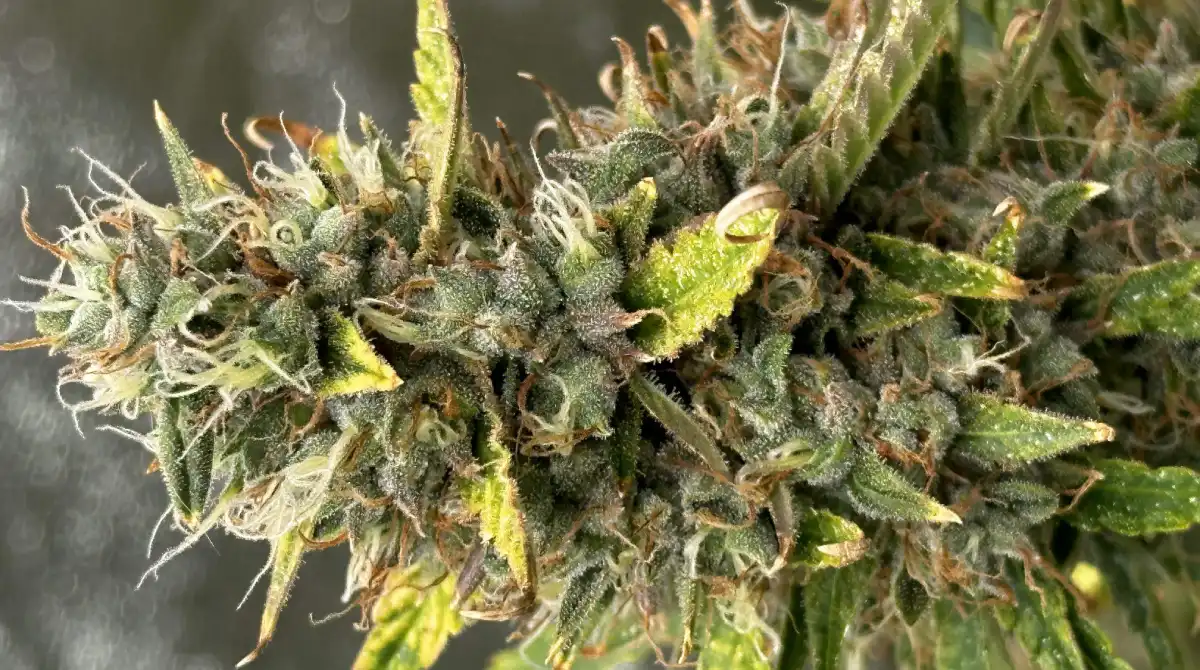
Ensure adequate support for branches as buds develop and gain weight. Use stakes or trellises to prevent branches from breaking. Regularly inspect plants for pests and diseases, and maintain cleanliness in the grow area to minimize risks. Harvest when trichomes are mostly milky with some amber, indicating peak potency.
Humidity control is critical during flowering to prevent bud rot. Keeping humidity between 40% and 50% ensures an arid environment, reducing the risk of botrytis. Additionally, maintaining CO2-rich air enhances photosynthesis, increasing bud density and potency.
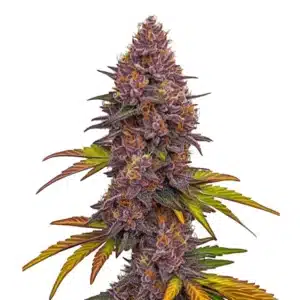
| Feature | Durban Poison Autoflower | Pineapple Diesel Auto | Blackberry Moonrocks Auto |
|---|---|---|---|
| THC Content | 21-25% | 20-34% | 26-33% |
| Terpene Profile | Humulene, Alpha-Pinene, Caryophyllene, Myrcene, Linalool, Terpinolene | Caryophyllene, Limonene, Alpha-Pinene | Linalool, Nerolidol |
| Yield (Indoor) | 0.82 – 0.98 oz/ft² | 250 – 300 g/m² | 1.47 – 1.8 oz/ft² | 450 – 550 g/m² | 1.8 oz/ft² | 550 g/m² |
| Flowering Time | 8-10 weeks | 11-12 weeks | 8-10 weeks |
| Height | 4.92 ft | 1.5 m | 5.91 ft | 1.8 m | 3.94 ft | 1.2 m |
Professional Tips for Growing Durban Poison Autoflower
- Maintain a pH level of 6.0-6.5 during the entire growth cycle. Deviations can lead to nutrient lockout, impacting growth and yield.
- Ensure humidity levels are 40-50% during flowering. Higher levels can promote mold, while lower levels can stress the plant.
- Use a light cycle of 16-24 hours during vegetative growth to maximize photosynthesis and plant vigor.
- Implement low-stress training (LST) to enhance light penetration and bud development. Avoid high-stress methods due to the strain’s short lifecycle.
- Monitor trichome development closely. Harvest when trichomes are mostly milky with some amber for optimal potency.
- Use high-quality LED lights to provide the full spectrum needed for robust growth and resin production.
FAQs About Durban Poison Autoflower
What is the ideal light schedule for Durban Poison Autoflower?
Durban Poison Autoflower thrives on a light schedule of 16-24 hours per day during the vegetative phase. This extended light exposure supports vigorous growth and maximizes photosynthesis. Unlike photoperiod strains, autoflowers do not require a change in light cycle to initiate flowering, making them easier to manage for beginners.
How does Durban Poison Autoflower compare to other autoflower strains?
Durban Poison Autoflower is known for its high THC content, ranging from 21-25%, and a unique terpene profile that includes terpinolene, myrcene, and ocimene. It offers an energizing, clear-headed high, making it distinct from other autoflower strains that may have more sedative effects or lower THC levels.
What are the common pests affecting Durban Poison Autoflower?
Common pests that can affect Durban Poison Autoflower include spider mites, aphids, and thrips. These pests can damage leaves and reduce plant health. Regular monitoring and maintaining a clean growing environment are crucial. Introducing beneficial insects like ladybugs can help control pest populations naturally.
How much yield can I expect from Durban Poison Autoflower?
Indoor growers can expect yields of approximately 1.5-1.8 oz/ft² (450-550 g/m²), while outdoor yields can reach 21-25 oz/plant (600-700 g/plant). Yield can vary based on growing conditions, nutrient management, and overall plant care. Proper training and environmental control can enhance yield potential.
What are the ideal conditions for outdoor growing of Durban Poison Autoflower?
For outdoor cultivation, Durban Poison Autoflower prefers a temperate climate with plenty of sunlight. Ensure the plants receive at least 6-8 hours of direct sunlight daily. The ideal temperature range is 70-85°F (21-29°C) during the day, with cooler nights. Well-draining, nutrient-rich soil is essential for healthy growth.