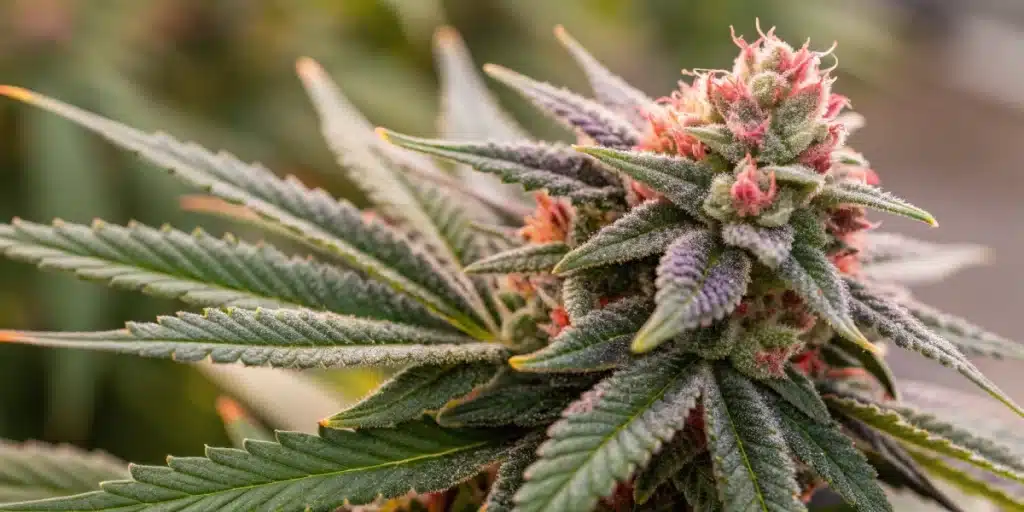
How to Grow Cherry Pie OG Strain

Summary: Grow the Cherry Pie OG strain by maintaining temperatures between 70-80°F and an 8-10 week flowering cycle. This indica-dominant hybrid thrives with high-intensity light and low humidity (40-50%) during bloom to produce dense, trichome-heavy buds with sweet cherry and earthy terpene profiles.
Cherry Pie OG Strain: Description
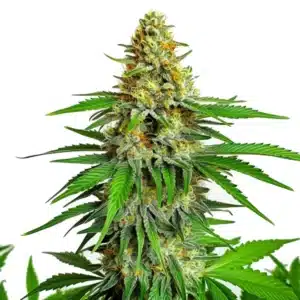
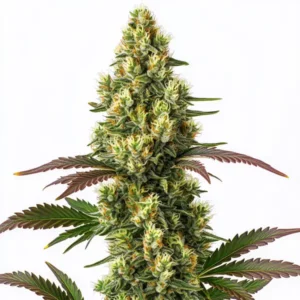
The Cherry Pie OG Seeds is an elite indica-dominant hybrid born from the cross of Granddaddy Purple and Durban Poison. This genetic masterpiece offers a unique “Information Gain” profile for growers, combining the structural density of an indica with the complex aromatic layers of a sativa. Understanding cherry pie strain info is the first step toward a successful harvest, as its lineage dictates a specific need for environmental stability and nutrient precision.
Recommended Strains

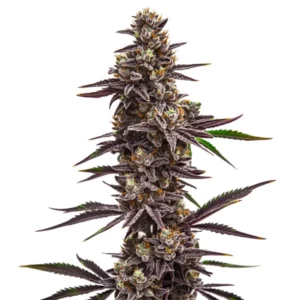
Cherry Pie

|
THC | 18% - 25% (High) |

|
Type | Feminized |

|
Yield | High |

|
Phenotype | 60% Indica / 40% Sativa |

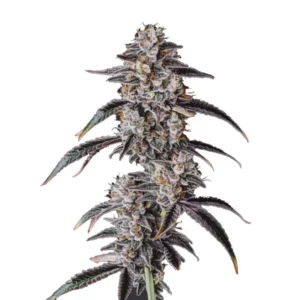
Cherry Pie Autoflower
|
|
THC | 21% - 25% (High) |
|
|
Type | Autoflowering |
|
|
Yield | Medium |
|
|
Phenotype | 70% Indica / 30% Sativa |
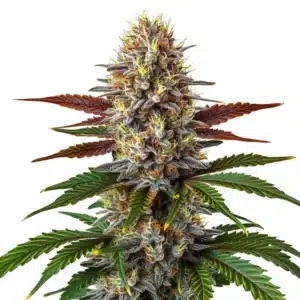
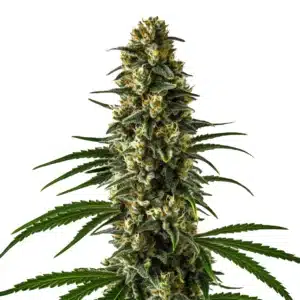
Biologically, this cherry pie cannabis strain manifests deep purple hues and vibrant orange hairs, a visual testament to its anthocyanin content. The cherry pie marijuana experience is defined by its terpene profile, dominated by Myrcene (earthy), Limonene (citrus), and Caryophyllene (spice). These compounds work together through the “entourage effect,” providing a balanced high that targets both physical relaxation and cerebral clarity, making it a staple in any high-end garden.
Promos & Deals
Environmental Requirements for Growing Cherry Pie OG
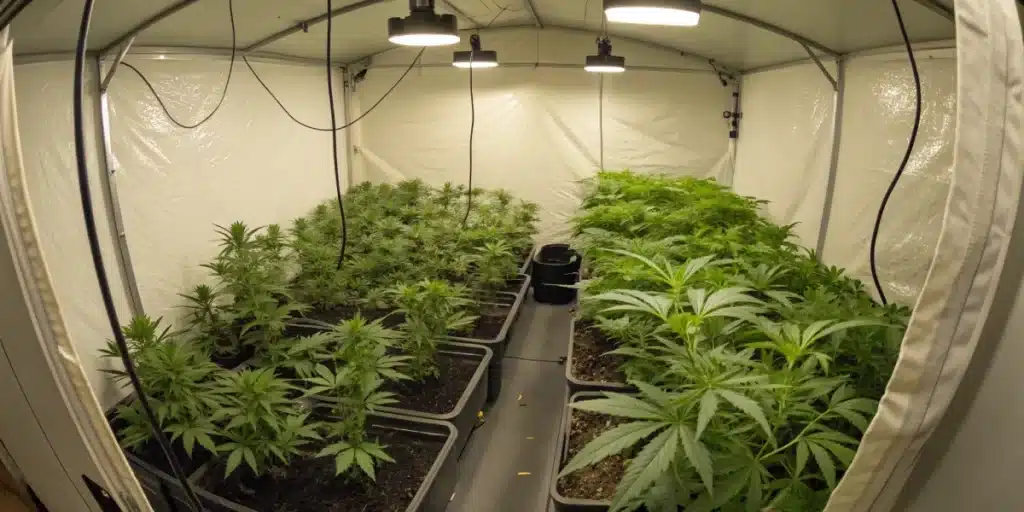
To successfully grow cherry pie og strain, you must replicate a temperate, Mediterranean-like climate. During the vegetative stage, plants prefer a high-humidity environment (60-70%) to facilitate rapid cell expansion. However, as the plant transitions into the cherry pie strain flowering time, humidity must be aggressively reduced. High-density buds are prone to moisture trapping, which can lead to Botrytis (bud rot) if airflow is stagnant.
Lighting precision is non-negotiable for cherry pie weed strain optimization. For indoor setups, utilize LED systems capable of delivering a PPFD (Photosynthetic Photon Flux Density) of 600-900 µmol/m²/s during peak bloom. Maintaining a DLI (Daily Light Integral) of 30-40 ensures the plant has enough “fuel” for resin production without inducing light stress or hermaphroditic tendencies, which can occur if the photoperiod is inconsistent.
Technical Comparison: Cherry Pie OG vs. Competitor Strains
| Feature | Cherry Pie OG | Granddaddy Purple | Durban Poison |
|---|---|---|---|
| Dominance | 65% Indica / 35% Sativa | 70% Indica / 30% Sativa | 10% Indica / 90% Sativa |
| Flowering Time | 8 – 10 Weeks | 8 – 10 Weeks | 8 – 10 Weeks |
| Average Height | 5.25 ft | 1.6 m | 4.92 ft | 1.5 m | Tall (6-10 ft) |
| Primary Terpene | Myrcene | Camphene | Terpinolene |
| Climate Pref. | Temperate | Cooler/Arid | Warm/Tropical |
| Yield Potential | High | High | High |
Advanced Fertilization and Pest Management
The Cherry Pie OG strain is a “hungry” variety but sensitive to nutrient burn. During the vegetative phase, use an NPK ratio of approximately 3-1-2 to support large fan leaf production. As the cherry pie strain flowering time approaches, shift to a 1-3-2 ratio. High levels of Phosphorus and Potassium are essential for the metabolic synthesis of cannabinoids and the hardening of flower clusters. Always maintain a root zone pH between 6.0 and 6.5 in soil to avoid “nutrient lockout.” These feeding practices can also be applied successfully to the Cherry Runtz strain.
Pest control requires a proactive biological protocol. Because the cherry pie weed strain grows such dense foliage, it is an ideal target for Spider Mites and Aphids. Use a weekly application of Neem oil during the vegetative stage, but cease all sprays once flowers appear. Introduce predatory mites (Phytoseiulus persimilis) as a clean, chemical-free alternative. This ensures your cherry pie marijuana remains organic and safe for consumption while keeping the vascular system of the plant healthy.
Professional Cultivation Tips
- Leaf Tucking over Defoliation: Cherry Pie relies heavily on its fan leaves for energy storage. Instead of heavy cutting, tuck leaves to expose bud sites.
- Cold Shocking: Dropping night temperatures by 10-15 degrees during the last two weeks of bloom will trigger the purple genetics inherited from Granddaddy Purple.
- The Snap Test: During drying, do not jar your buds until the smaller stems snap cleanly. If they bend, there is still too much internal moisture for a safe cure.
- Silica Supplementation: Adding liquid silica strengthens cell walls, helping branches support the heavy weight of Cherry Pie OG’s dense colas.
FAQs About Cherry Pie OG Strain
What is the typical THC content of Cherry Pie OG?
The cherry pie og strain generally tests between 18% and 25% THC. Some expert-grown phenotypes can push slightly higher. It is prized not just for raw potency, but for its rich terpene profile, which includes Myrcene and Limonene, providing a comprehensive “entourage effect” that enhances the overall user experience.
How long is the cherry pie strain flowering time?
When grown indoors, the cherry pie strain flowering time is typically 8 to 10 weeks. This timeframe allows the trichomes to transition from clear to a milky white or amber state. For outdoor growers, this usually translates to a late September or early October harvest, depending on your local climate and frost dates.
Is the Cherry Pie weed strain difficult for beginners?
Cherry Pie is considered a moderate-difficulty strain. While it is resilient and grows vigorously, its density makes it sensitive to high humidity and mold. Beginners can succeed by ensuring strong ventilation and strictly monitoring nutrient levels to prevent nitrogen toxicity during the late flowering stages.
Can I find Cherry Pie OG seeds online?
Yes, high-quality feminized cherry pie og strain seeds are available at reputable seed banks like blimburnseeds.com. Buying feminized seeds is recommended for most growers as it eliminates the need to sex plants and ensures that every square foot of your grow space is dedicated to producing consumable flower.