Top Aromatic Cannabis Strains by Terpene

The most aromatic, high-terpene cannabis strains are best understood by the dominant terpene that shapes their scent and flavor. The big ones: myrcene (earthy, musky, mango), limonene (bright citrus), caryophyllene (peppery, spicy), pinene (fresh pine), linalool (floral lavender), terpinolene (fruity, herbal) and humulene (hoppy, woody). A strain is ‘aromatic’ when it’s rich in these compounds, and strains are often described by their leading terpene, which is a reliable way to choose by smell and flavor. Terpenes also contribute to a strain’s character alongside cannabinoids (the ‘entourage’), though effect claims are not firmly proven, so pick primarily by the aroma you enjoy.
Below, we go terpene by terpene, the scent each gives and example strains known for it (strain names kept intact, with potency and exact profiles to confirm on each product page). To maximise aroma, choose terpene-rich genetics and, crucially, dry and cure them carefully, since terpenes are volatile and fade with poor handling.
Recommended Strains

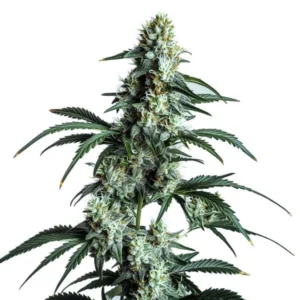
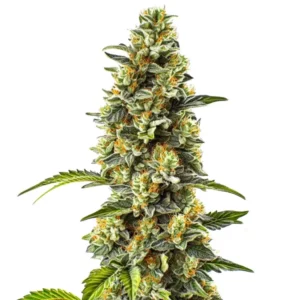
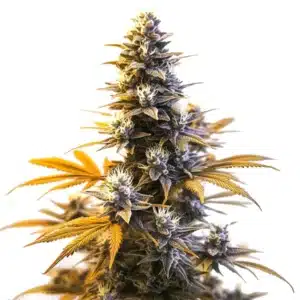
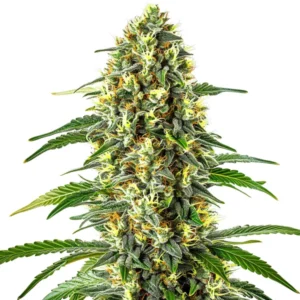
GG4

|
Type | Feminized |

|
THC | 27% (High) |

|
Phenotype | 40% Indica / 60% Sativa |

|
Yield | High |
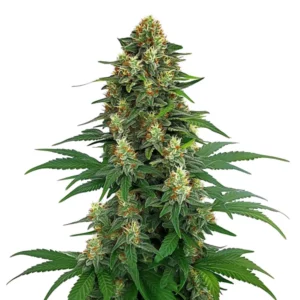
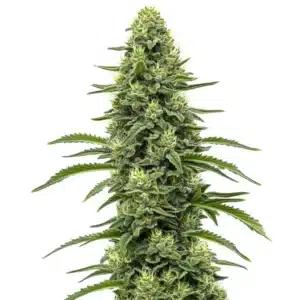
Bruce Banner #3
|
|
Type | Feminized |
|
|
THC | 20% - 29% (High) |
|
|
Phenotype | 50% Indica / 50% Sativa |
|
|
Yield | High |
Terpene, Aroma and Example Strains
How the main terpenes shape aroma (check each strain’s product page for specifics):
| Terpene | Aroma | Example aromatic strains |
|---|---|---|
| Myrcene | Earthy, musky, mango | Many classic indicas (e.g. OG-type) |
| Limonene | Bright citrus | Citrus/lemon-forward strains |
| Caryophyllene | Peppery, spicy | Cookies/Kush-type strains |
| Pinene | Fresh pine | Pine-forward strains |
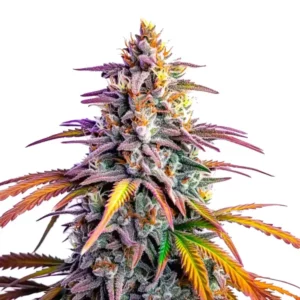
| Linalool | Floral, lavender | Purple/floral strains |
| Terpinolene | Fruity, herbal | Haze/Jack-type strains |
Promos & Deals

What Makes a Strain ‘Aromatic’
Terpenes are the aromatic compounds behind every cannabis scent and flavor, the same class of molecules that make lemons citrusy and pine trees piney, and a strain is called ‘aromatic’ or ‘high-terpene’ when it produces them in abundance. Each strain has a terpene profile: usually one or two dominant terpenes plus several supporting ones, and that blend is what gives the strain its signature nose, fruity, earthy, citrus, piney, floral or spicy.
Beyond smell and taste, terpenes are thought to contribute to how a strain feels by working alongside cannabinoids (the ‘entourage effect’), although the human evidence for specific terpene effects is still limited, so it’s best to treat aroma as the reliable, enjoyable guide and effect claims as unproven. The practical upshot for choosing aromatic strains: identify the terpene whose scent you love, then look for strains that list it as a top terpene. That’s a far better way to shop for flavor than chasing THC alone, which says nothing about how a strain will smell or taste.
A quick way to shop by aroma is to decide which of these scent families you enjoy most, citrus, pine, floral, pepper, earth or fruit, and then filter strains by the matching dominant terpene, which gets you to a flower you will actually like smelling far faster than scanning THC numbers.
A Terpene-by-Terpene Guide
Here’s how to think about aromatic strains by their leading terpene.
- Myrcene, the most common cannabis terpene, brings earthy, musky, slightly fruity (mango) notes and dominates many classic, relaxing indica-leaning strains.
- Limonene delivers a bright, zesty citrus aroma and defines lemon- and orange-forward strains.
- Caryophyllene adds a peppery, spicy kick and shows up strongly in Cookies and Kush families.
- Pinene gives that crisp, fresh-pine scent (see our pinene guide), while linalool contributes soft, floral lavender notes common in purple strains.
- Terpinolene is the fruity-herbal signature of many Haze and Jack-type sativas, and humulene lends a hoppy, woody earthiness. Citrus fans might also enjoy valencene‘s sweet-orange character.
Rather than naming a single ‘best’ strain, match the terpene to the aroma you want, then pick a strain that features it, keeping the strain name intact when you shop, and checking its product page for the real terpene list and potency.
Growing and Preserving Terpenes
Aromatic genetics only reach their potential if you protect the terpenes, which are delicate and volatile. In the grow, healthy plants, good light, stable environment and not over-stressing them support strong terpene development, and many growers find cooler late-flower temperatures and careful nutrient management help preserve aroma. The biggest make-or-break step, though, is harvest and cure: harvest at the right ripeness, then dry slowly and cure properly in the right humidity, because a rushed or hot dry burns off the very terpenes you grew the strain for, leaving flat, hay-like flower.
After curing, store the buds cool, dark and airtight, since heat, light and air steadily degrade terpenes over time, which is why fresh, well-kept flower always smells best. So choosing a high-terpene strain is step one; treating it gently from harvest through storage is what actually delivers that rich aroma to your nose. To explore the full range of terpene scents, see our terpene wheel, and browse aromatic genetics in our seed collection.

Frequently Asked Questions
Which strains are most aromatic?
The most aromatic are high-terpene strains, best chosen by their dominant terpene: myrcene (earthy/mango), limonene (citrus), caryophyllene (peppery), pinene (pine), linalool (floral) or terpinolene (fruity-herbal). Match the terpene whose scent you love, then pick a strain featuring it. Check each strain’s product page for its real terpene profile and potency.
Is there a ‘best’ terpene?
There’s no single best, it depends on the aroma and character you want. Myrcene is the most common (earthy, relaxing-associated), limonene is prized for bright citrus, caryophyllene for spice, pinene for freshness and linalool for floral calm. Effect claims aren’t firmly proven, so choose by the scent and flavor you enjoy most rather than chasing one ‘best’ terpene.
How do I choose a terpene-rich strain?
Look at each strain’s listed terpene profile on its product page and pick ones where your preferred terpene is dominant, rather than judging by THC alone. Favor reputable genetics, and remember a good dry, cure and storage preserve the aroma. Fresh, well-kept, terpene-rich flower smells far better than old or poorly cured bud, however high its THC.
Do terpenes change the effects?
They’re thought to contribute to a strain’s character by working alongside cannabinoids (the ‘entourage effect’), but the human evidence for specific terpene effects is still limited, so treat such claims cautiously. What terpenes reliably do is shape aroma and flavor. Choose primarily by the scent you enjoy, and treat any effect influence as a possible bonus, not a certainty.