Bud Rot Risk in Storage with High Water Activity

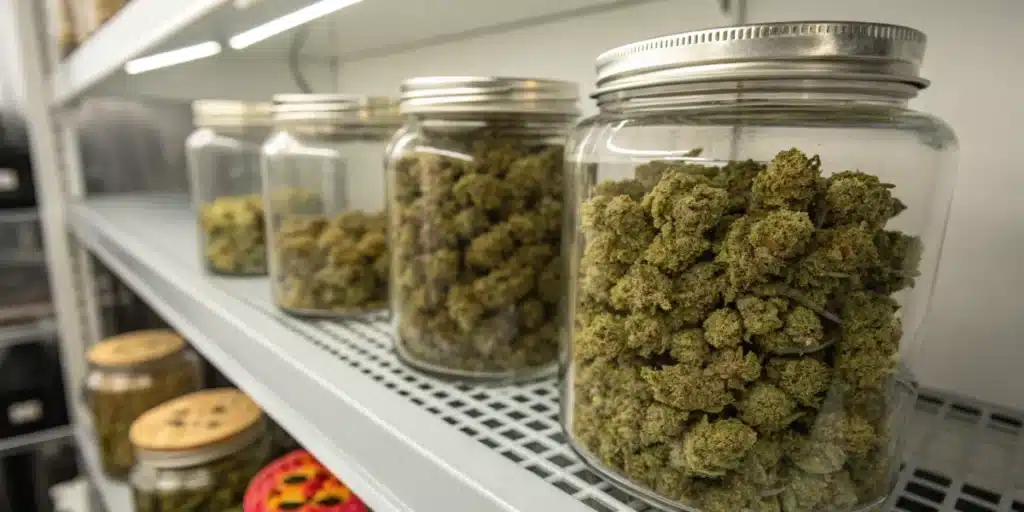
Bud rot risk in storage: High water activity poses a significant threat to cannabis storage, accelerating mold growth and leading to potential product loss. Maintaining water activity levels below 0.6 is crucial to mitigate this risk. Growers emphasize the importance of controlled environments to preserve cannabis quality, preventing the onset of bud rot that can devastate stored products and reducing the bud rot risk in storage high water activity can create.
For cannabis cultivators, ensuring optimal storage conditions is essential to prevent bud rot. The presence of terpenes like Myrcene and Limonene, which contribute to aroma and flavor, can be compromised by improper storage. Flowering time and environmental control play a pivotal role in preserving the integrity of cannabis, especially when dealing with high water activity.
Recommended Strains

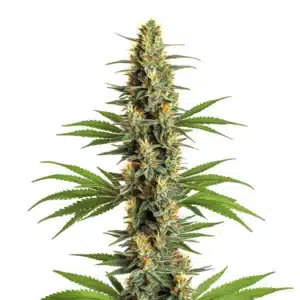
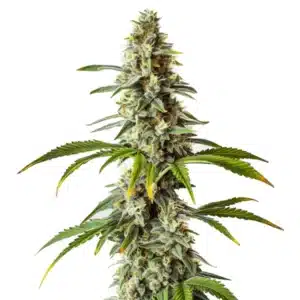
Mamba Negra

|
THC | 18% (Medium) |

|
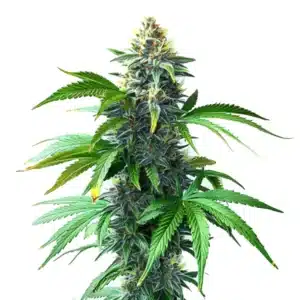
Type | Feminized |

|
Yield | High |

|
Phenotype | 55% Indica / 45% Sativa |

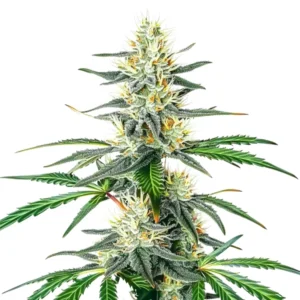
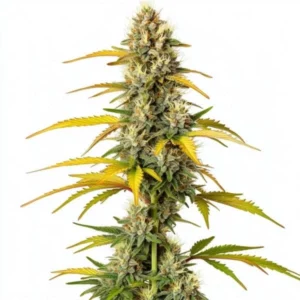
Lemon Diesel
|
|
THC | 15% - 23% (Medium) |
|
|
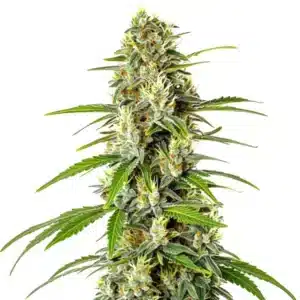
Type | Feminized |
|
|
Yield | Medium |
|
|
Phenotype | 45% Indica / 55% Sativa |
What is Bud Rot?
Causes and Effects of Bud Rot
Bud rot, scientifically known as Botrytis cinerea, is a fungal disease that affects cannabis plants, particularly during the flowering stage. It thrives in humid conditions, often resulting from poor ventilation or excessive moisture. This mold can devastate entire crops, turning buds gray and mushy, rendering them unusable. Early signs of bud rot include yellowing leaves and a musty odor. Growers should also be aware of the bud rot risk in storage high water activity can create, as excess moisture during storage may encourage fungal development even after harvest.
Experienced growers report that bud rot spreads rapidly, especially in dense canopies where airflow is restricted. The fungus targets the interior of buds first, making detection difficult until significant damage has occurred. Visual indicators such as grayish mold and browning pistils are common. Prevention through environmental control is key to avoiding these outcomes.
Propagation and Prevention
Bud rot spreads through spores, which can be carried by wind, water, or physical contact. Ensuring proper air circulation and maintaining humidity levels below 60% are effective preventive measures. Growers often use dehumidifiers and fans to keep conditions unfavorable for mold growth. Additionally, pruning lower branches can improve airflow and reduce susceptibility.
To stop bud rot, it’s crucial to monitor environmental factors closely. Implementing a consistent watering schedule and avoiding over watering can significantly reduce the risk. Many cultivators share that maintaining a balanced nutrient regimen strengthens plant immunity, further protecting against mold infestations.
Promos & Deals
Bud Rot Risk in Storage with High Water Activity
How Water Activity Influences Bud Rot
Water activity (aw) is a measure of the free moisture in a product, and in cannabis, it plays a critical role in mold development. High water activity levels, typically above 0.6, create an environment conducive to mold growth. This is particularly dangerous during storage, where prolonged exposure can lead to significant product degradation.
Master growers have pointed out that controlling water activity is essential for preserving cannabis quality. By maintaining levels below 0.6, the risk of mold proliferation is minimized. This involves using desiccants and humidity packs during storage to absorb excess moisture, thereby protecting the buds from rot.
Storage Solutions and Techniques
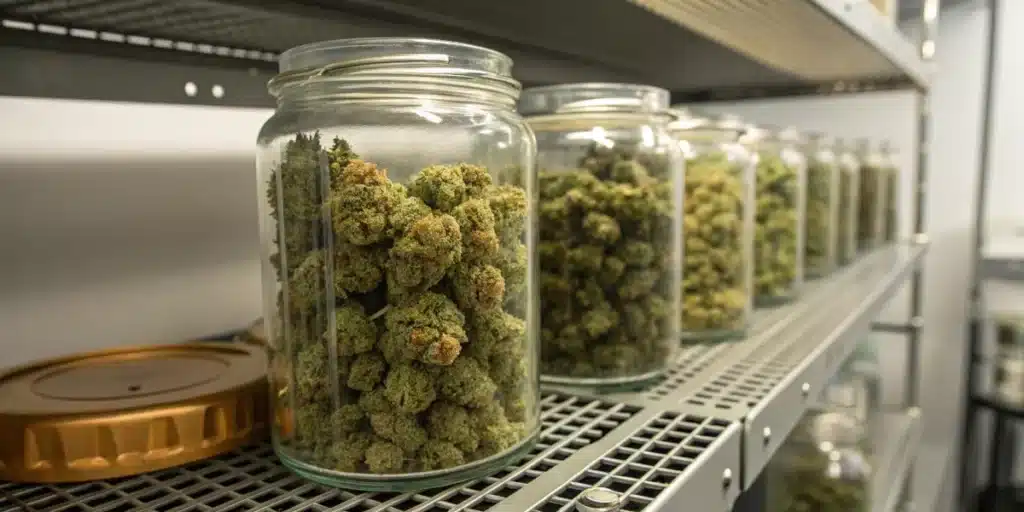
Effective storage solutions include using airtight containers and maintaining a stable temperature of 59-70°F (15-21°C). These conditions help keep water activity in check, reducing the likelihood of bud rot. Many cultivators utilize glass jars with humidity packs to maintain ideal conditions.
Another practical approach is to regularly inspect stored cannabis for any signs of mold. Early detection allows for prompt action, such as removing affected buds to prevent further spread. The growing community has communicated that consistent monitoring is a vital component of successful cannabis storage.
| Feature / Merkmal | Critical Purple Kush | Mamba Negra | Lemon Diesel |
|---|---|---|---|
| THC Percentage | 16-18% | 18% | 15-23% |
| Dominant Terpene | Linalool | Caryophyllene | Terpinolene |
| Flavor Profile | Coffee, Earthy, Sweet | Citrus, Fruity | Citrus, Skunk, Spicy |
| Effect | Calming, Relaxed, Sedative | Creative, Euphoric, Uplifted | Calming, Happy, Relaxed |
| Ideal for | Evening Use | Daytime Use | Daytime Use |
How to Stop Bud Rot
Preventive Measures and Solutions
To effectively stop bud rot, it’s essential to maintain optimal growing conditions. This includes keeping humidity levels between 40-50% during the flowering stage and ensuring adequate air circulation. Many cultivators use oscillating fans and dehumidifiers to achieve this balance, preventing the onset of mold.
Additionally, regular inspection of plants for early signs of bud rot is crucial. Early detection allows for immediate removal of affected areas, minimizing the spread. Growers often employ sterilized tools to prune and manage plant growth, reducing the risk of contamination.
Advanced Techniques for Prevention
Implementing advanced techniques such as using beneficial microbes and organic fungicides can further protect against bud rot. These methods enhance plant resilience and reduce susceptibility to mold. Master growers emphasize the importance of a proactive approach to cultivation, integrating these techniques into regular maintenance routines.
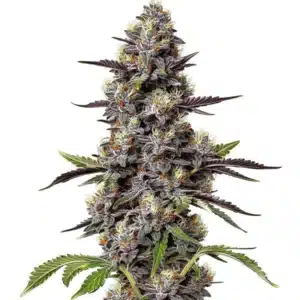
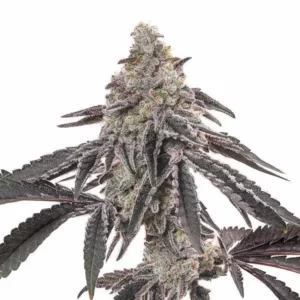
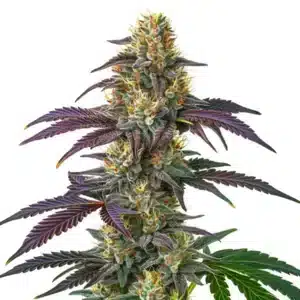
To enhance your prevention strategy, consider integrating strains known for their mold resistance, such as Critical Purple Kush. These strains offer a natural advantage in combating environmental challenges.
Salvaging Bud Rot Affected Cannabis
Steps to Mitigate Damage
When dealing with bud rot, immediate action is crucial to salvage unaffected parts of the plant. Begin by carefully removing and disposing of infected buds to prevent further spread. It’s important to use clean, sterilized tools to avoid cross-contamination during this process.
After removal, adjust environmental conditions to lower humidity and increase airflow. This helps to halt the progression of mold. Many cultivators share that using HEPA filters can improve air quality and reduce spore presence in grow spaces.
Post-Salvage Care
Post-salvage, it’s essential to monitor the remaining plants closely. Implementing a strict regimen of environmental control and regular inspections can prevent recurrence. Growers often apply preventive treatments, such as neem oil or potassium bicarbonate, to bolster plant defenses.
In cases where significant damage has occurred, consider harvesting early to preserve any remaining quality. While this may impact yield, it ensures that some product is salvaged, maintaining overall crop viability.
Early Signs and Detection of Bud Rot
Visual Indicators and Testing
Early detection of bud rot is vital for effective management. Visual indicators include discoloration of buds, a musty odor, and the presence of grayish mold. Many cultivators use magnifying tools to inspect buds closely, identifying early stage bud rot pictures to guide intervention and assess the bud rot risk in storage high water activity conditions may create.
Testing for bud rot involves checking humidity levels and ensuring proper airflow. Master growers recommend maintaining a consistent environment to prevent conditions that favor mold growth. Regular monitoring can catch issues before they escalate, saving crops from extensive damage.
Technological Aids in Detection
Technological aids such as digital hygrometers and thermal imaging cameras can assist in early detection. These tools provide precise data on environmental conditions, allowing for timely adjustments. The growing community has communicated that investing in such technology can significantly enhance cultivation outcomes.
Additionally, participating in forums like bud rot reddit can offer insights from other growers, sharing experiences and solutions for effective management.
Professional Tips for Preventing Bud Rot
- Maintain 58-62% RH during curing to prevent mold growth. Below 55% arrests terpene development; above 65% promotes Botrytis within 48h. Check with a calibrated digital hygrometer, never analog.
- Ensure temperatures remain between 59-70°F (15-21°C) during storage. This range prevents mold proliferation and preserves cannabinoid integrity.
- Use airtight containers with humidity packs to stabilize water activity. This prevents fluctuations that can lead to mold growth.
- Prune lower branches to improve airflow and reduce humidity pockets, a common mistake that fosters mold.
- Regularly inspect stored cannabis for mold signs. Early detection allows for prompt removal, preventing spread.
- Integrate mold-resistant strains like Critical Purple Kush into your grow for natural defense against environmental challenges.
FAQs about bud rot risk in storage high water activity
Can over watering cause bud rot?
Yes, over watering can lead to bud rot by creating excessively humid conditions that favor mold growth. Keeping soil moisture balanced and ensuring proper drainage are critical to preventing this issue. Master growers recommend watering only when the top inch of soil is dry to the touch.
What temperature kills bud rot?
Bud rot spores are typically killed at temperatures above 140°F (60°C). However, such high temperatures are not practical for living plants. Instead, maintaining a consistent grow room temperature of 68-77°F (20-25°C) helps prevent mold development without harming plants.
Can water cause bud rot?
Yes, water can contribute to bud rot if it increases humidity levels around the plant. Ensuring proper ventilation and avoiding water accumulation on buds are essential strategies. Growers often use fans to disperse moisture and maintain airflow, reducing the risk of mold.
Why is water activity 0.6 important?
Maintaining water activity at or below 0.6 is crucial to inhibit mold growth, as higher levels create favorable conditions for fungi like Botrytis. This threshold helps preserve cannabis quality during storage, ensuring that buds remain dry and mold-free.
How to identify early signs of bud rot?
Early signs of bud rot include yellowing leaves, a musty smell, and grayish mold on buds. Regular inspections and maintaining optimal humidity levels help in early detection. Using magnification tools can aid in spotting subtle changes in bud appearance.